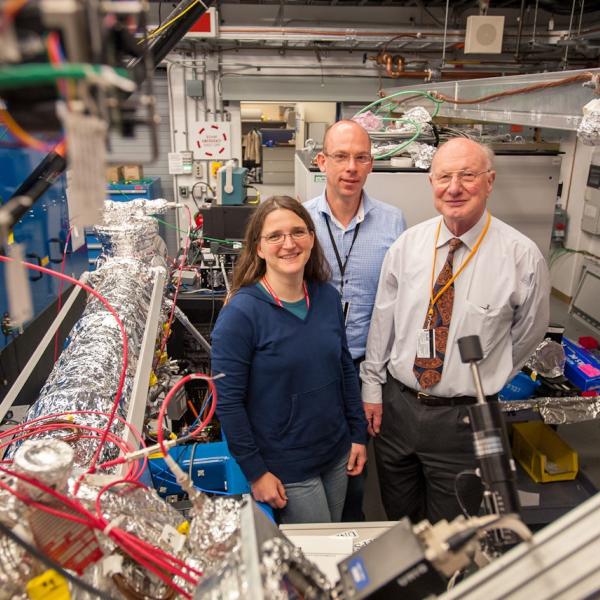
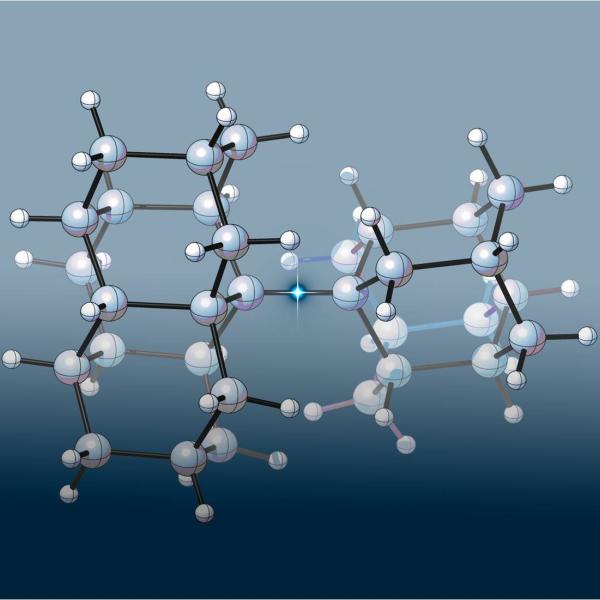
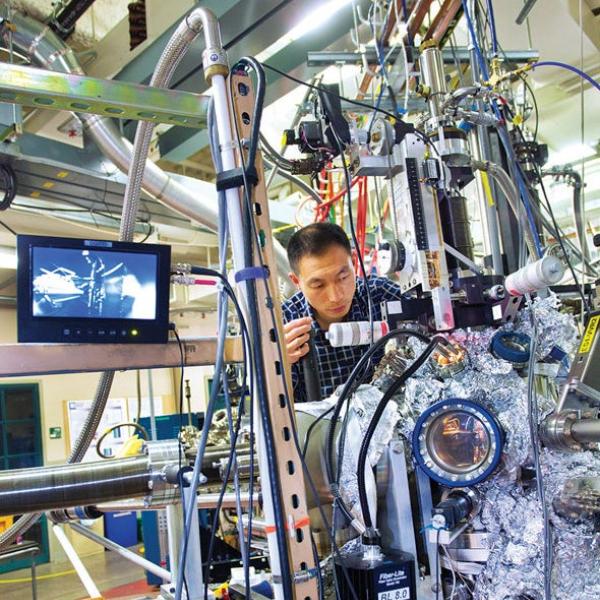
In experiments resembling an atomic-scale shooting gallery, researchers are pioneering a new method for chemical analysis by zapping the innermost electrons out of atoms with powerful X-ray laser pulses from SLAC’s Linac Coherent Light Source (LCLS).
In repeatedly and systematically surveying the sky with deep, large-field-of-view images in six optical color bands on a 3 billion pixel camera for years, the Large Synoptic Survey Telescope will home in on the nature of dark energy and increase...
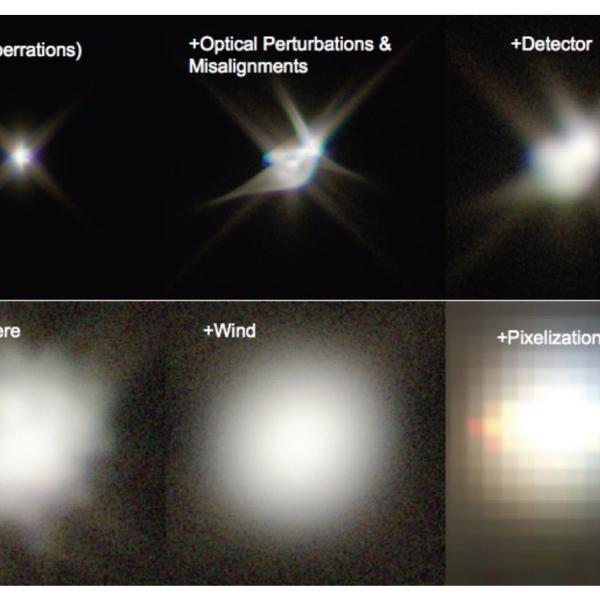
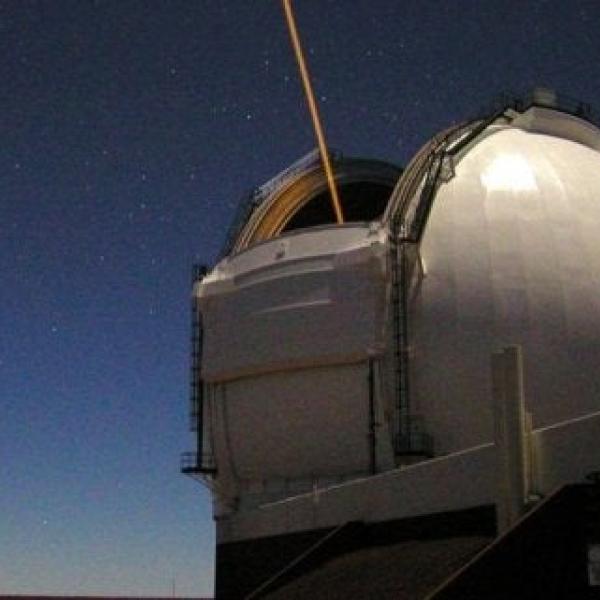
Technology that helps ground-based telescopes cut through the haze of Earth's atmosphere to get a clearer view of the heavens may also be used to collect better data at cutting-edge X-ray lasers like the Linac Coherent Light Source (LCLS) at...
In a paper published Nov. 2 in Nature Communications, a team of researchers led by University of Maryland's Ichiro Takeuchi, in collaboration with Stanford Synchrotron Radiation Lightsource's Apurva Mehta, reported the discovery of large magnetostriction in an iron/cobalt alloy —...
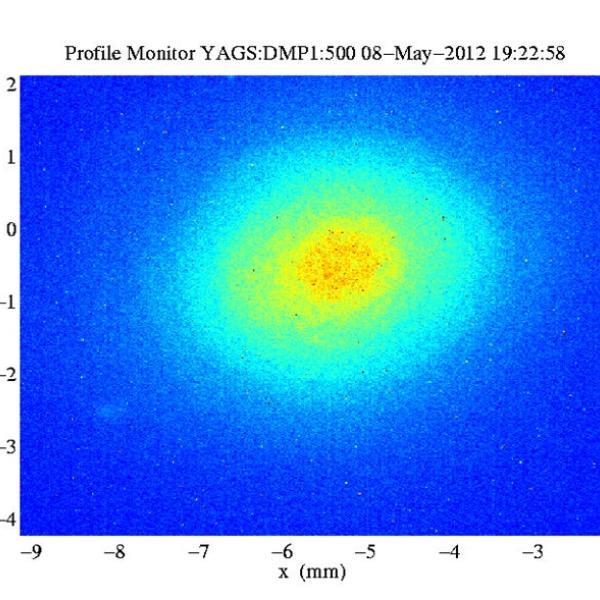
While SLAC's Linac Coherent Light Source was designed to push the limits as a high-energy X-ray laser, users' requests have led staff at the facility to successfully step it back to a lower minimum energy for some experiments.
Presented by JoAnne Hewett. Extra dimensions of space may be present in our universe. Their discovery would dramatically change our view of the cosmos and would prompt many questions. How do they hide? What is their shape? How many are...
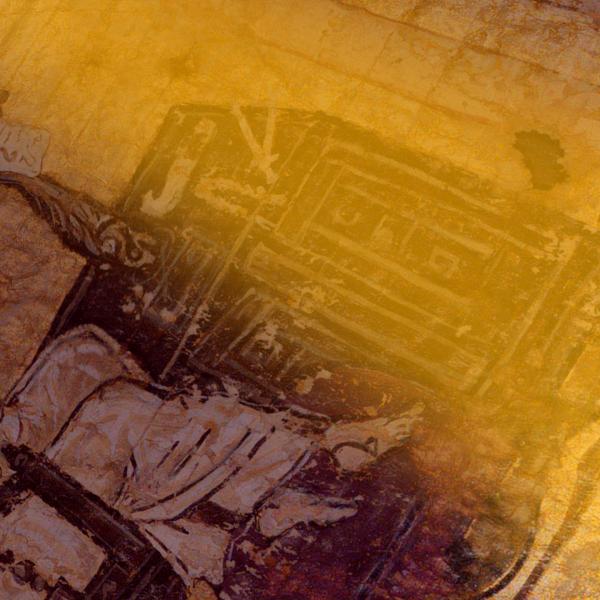
Archimedes (287-212 BC), who is famous for shouting 'Eureka' (I found it) is considered one of the most brilliant thinkers of all times. The 10th-century parchment document known as the “Archimedes Palimpsest” is the unique source for two of the...
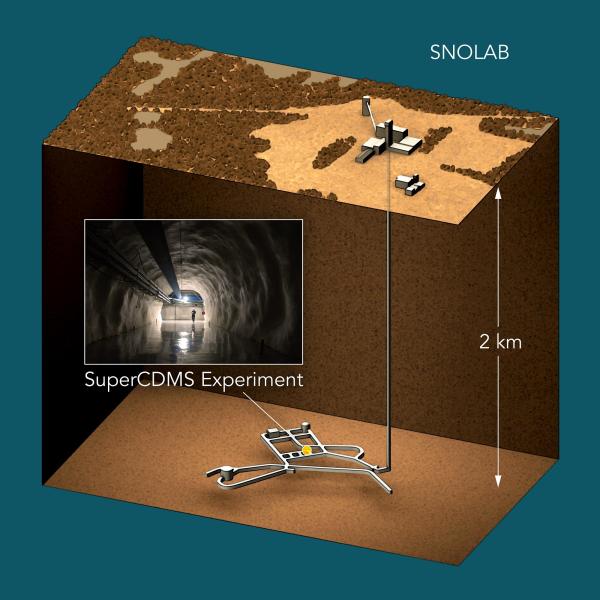
The SuperCDMS dark matter experiment will be located at the Canadian laboratory SNOLAB, 2 kilometers (6,800 feet) underground inside a nickel mine near the city of Sudbury. It’s the deepest underground laboratory in North America. There it will be protected...