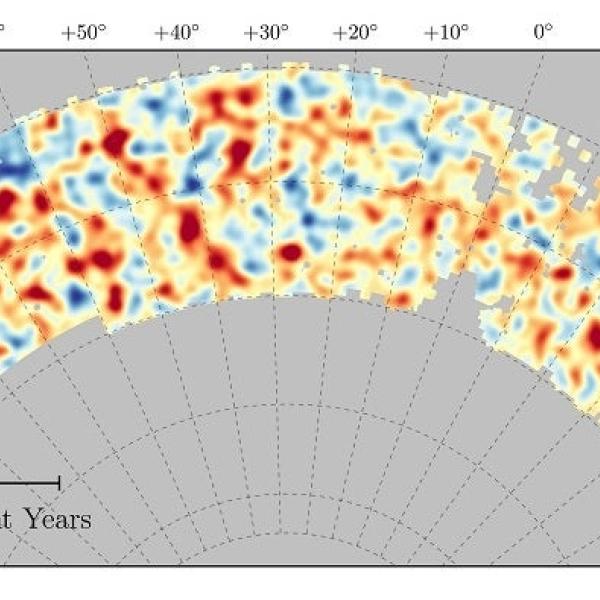
A map of the sky showing the density of galaxy clusters, galaxies and matter in the universe over the part of the sky observed by the Dark Energy Survey. The left panel shows the galaxy density in that part of...
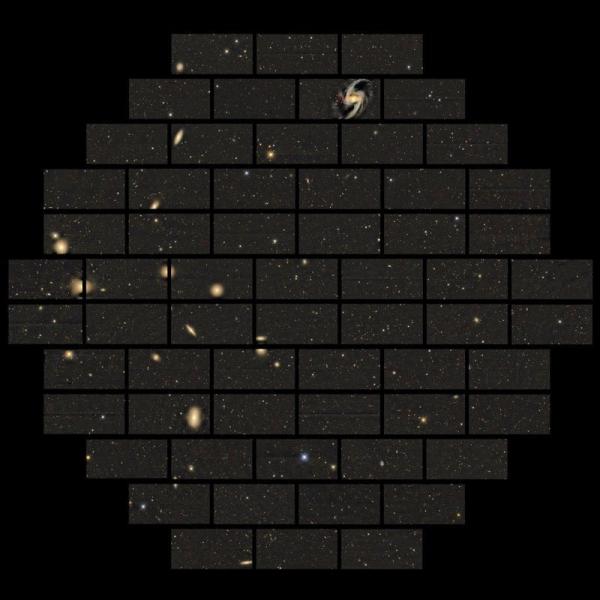
Image from the Dark Energy Camera (DECam), which is mounted on the Victor M. Blanco 4-meter Telescope at the Cerro Tololo Inter-American Observatory (CTIO) in the Chilean Andes.
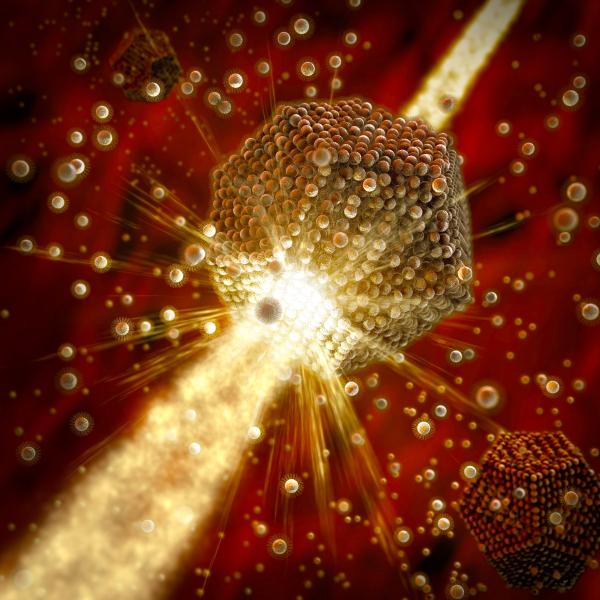
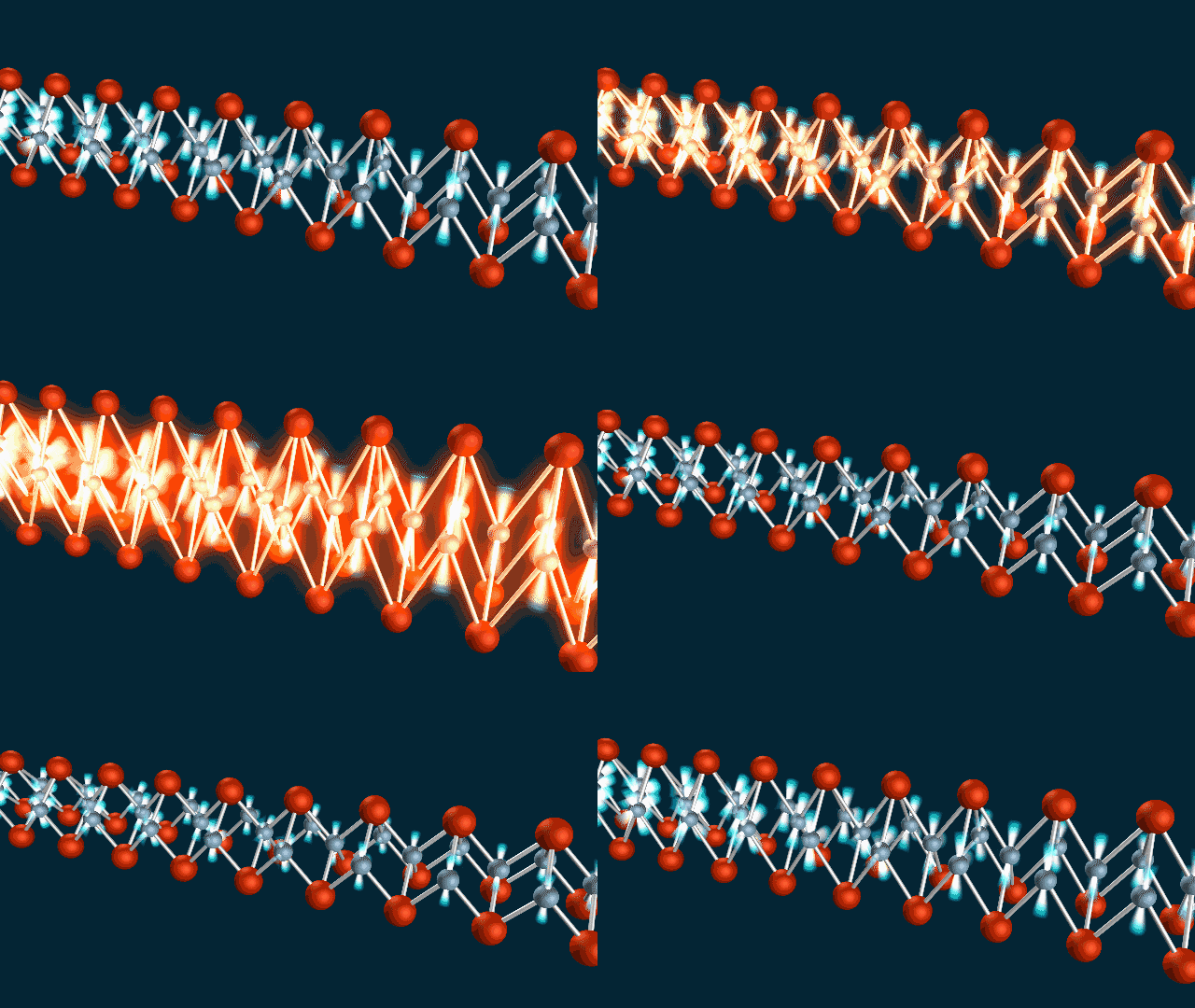
An animation shows how an infrared laser beam (orange) triggers atomic vibrations in a thin layer of iron selenide, which are then recorded by ultrafast X-ray laser pulses (white) to create an ultrafast movie.
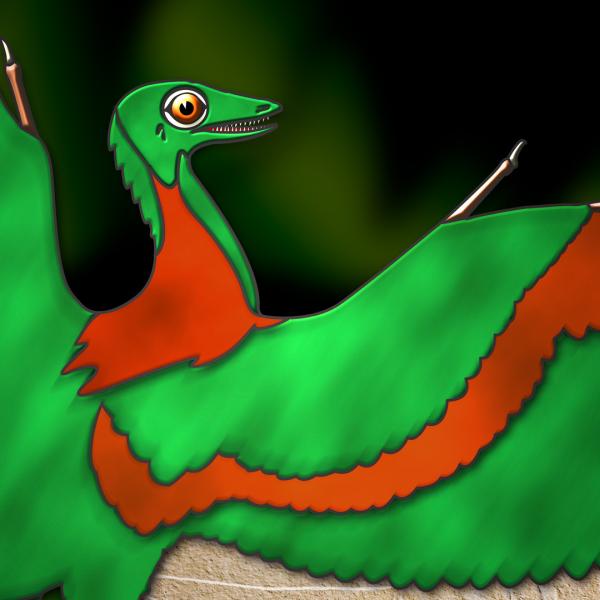
Some 150 million years ago, a strange creature died in a tropical lagoon that today is located in Bavaria, Germany. In 1861, a single feather of this creature was discovered. Not long afterward, a complete fossil was found with the...
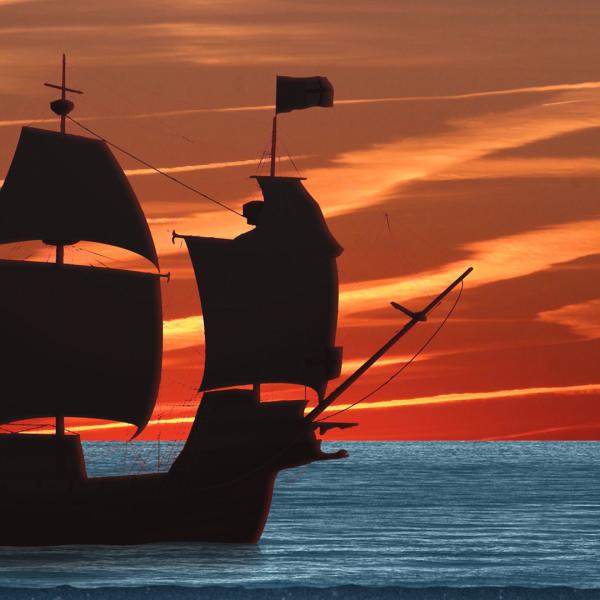
The Mary Rose, built in 1511, was the flagship of King Henry VIII. She sank in 1545 while en route to confront the French fleet in battle. The ship lay undersea for 440 years before being raised in 1985. The...
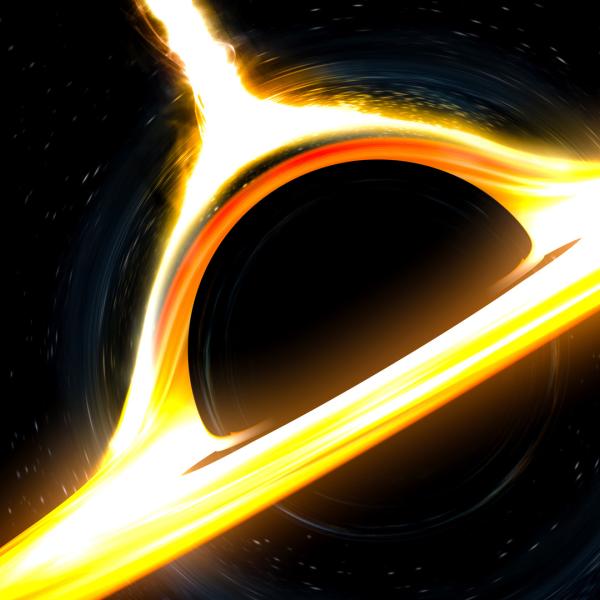
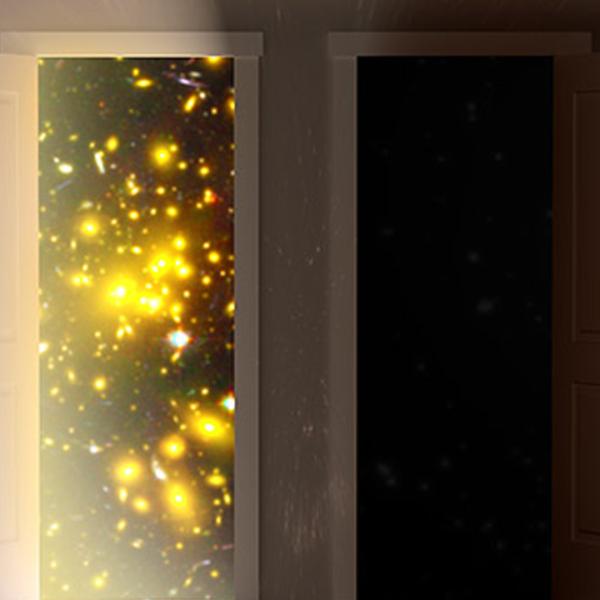
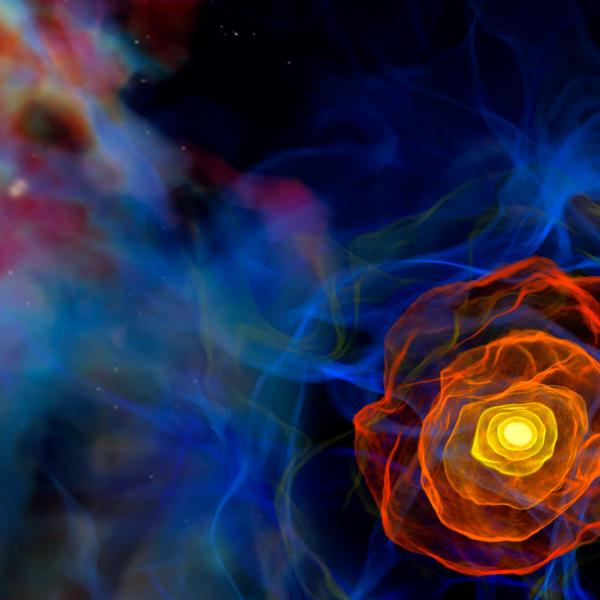
What was the first thing in the Universe? A black hole or a star? How did it form? Even our biggest and best telescopes cannot tell us. Direct calculation with supercomputers, however, can. The first luminous objects in the Universe...
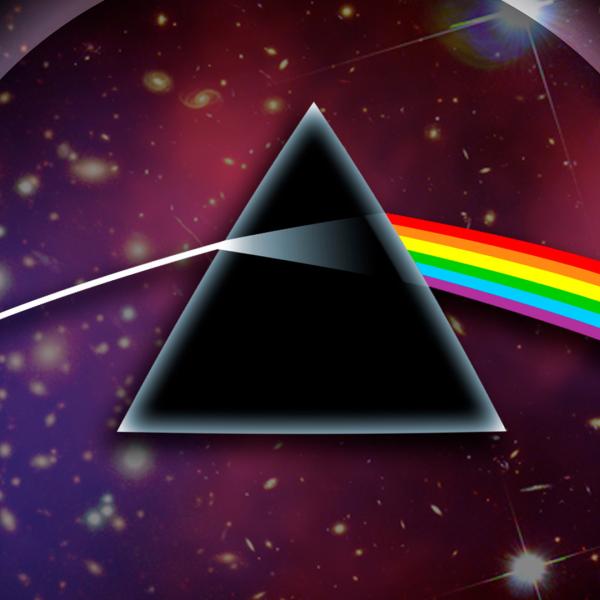
Presented by Marusa Bradac. One of the greatest accomplishments in recent astrophysics is the creation of a model for the complete inventory of the Universe. All the observational data tells us with extremely high certainty that ordinary matter (every particle...
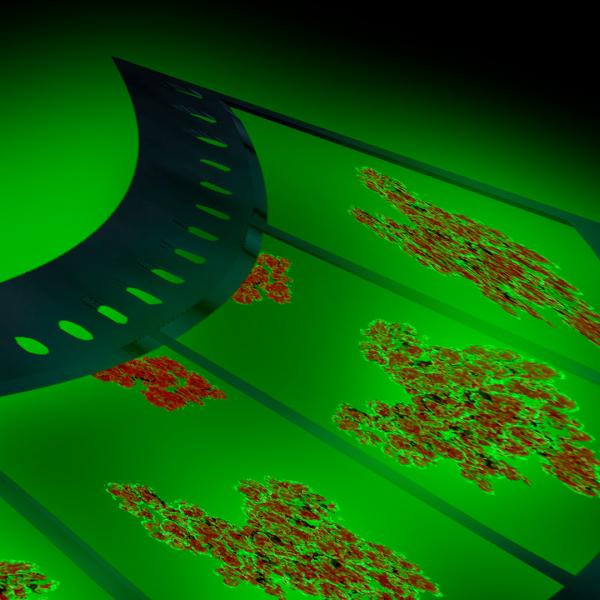
Presented by Kelly Gaffney. Movies have transformed our perception of the world. With slow motion photography, we can see a hummingbird flap its wings, and a bullet pierce an apple. The remarkably small and extremely fast molecular world that determines...
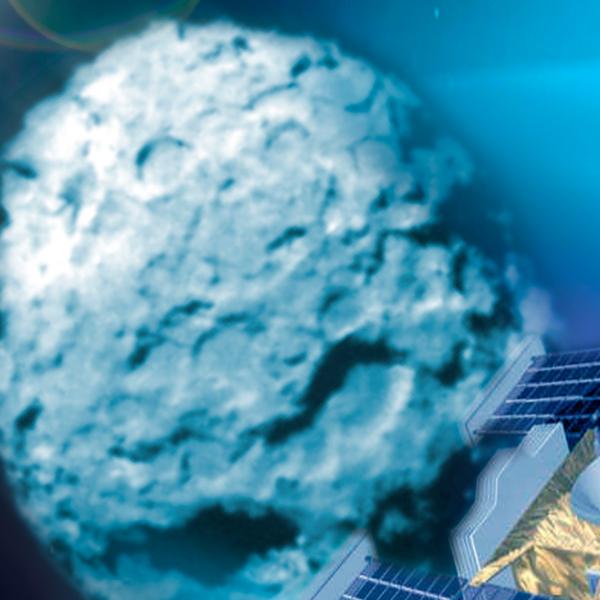
Presented by Sean Brennan. The Stardust mission returned from a 6-year voyage in January of 2006. During the mission it swept through the tail of comet Wild 2 (pronounced Vilt), collecting the microscopic particles streaming from it.