Seeing natural and industrial processes with atomic precision is a key step toward designing technology that meets society’s energy needs. SLAC’s advanced facilities, expertise in energy science and technology, and strong partnerships are breaking new ground in securing abundant, affordable and reliable energy.

Energy storage
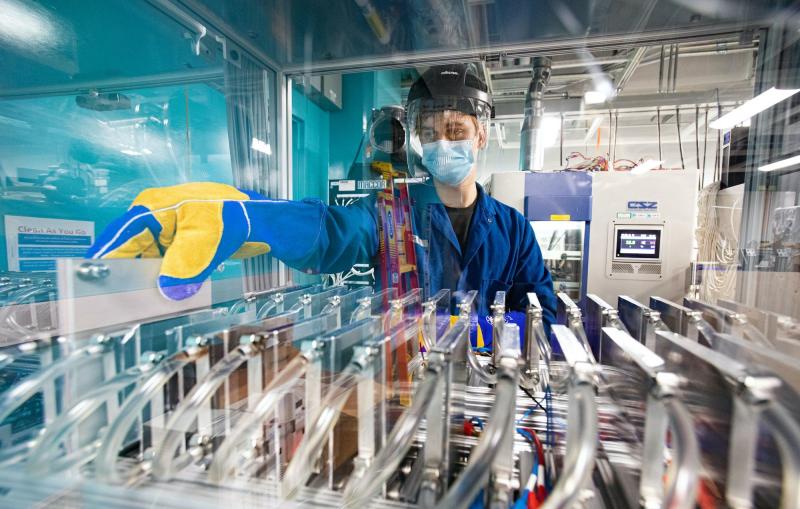
The SLAC-Stanford Battery Center drives collaborative R&D across the lab, university and industry to close discovery-to-deployment gaps in energy storage. By capturing atomic-scale views inside charging and discharging cells, researchers engineer better batteries for everything from phones and electric vehicles to the national grid. Studies at SLAC’s X-ray facilities reveal how batteries degrade and inform safer, fast-charging designs. SLAC and Stanford are also advancing a national strategy for solid-state batteries and developing next-generation aqueous (water-based) batteries to power the grid affordably and reliably.
SLAC-Stanford Battery Center
The SLAC-Stanford Battery Center enables translational research in electrochemical science and technology to bridge the gap between fundamental science and deployment, combining the strengths of Stanford University, SLAC and entrepreneurial activity of Silicon Valley.

Materials for energy
Understanding materials at their most fundamental level is the first step in creating energy technologies. We use X-rays and electron beams to probe and improve energy-related materials and to watch batteries at work. SI and machine learning tools mine troves of research data from SLAC’s advanced facilities, helping researchers design materials for future energy applications, like catalysts, batteries, fusion energy and quantum technologies, while reducing time to market. SLAC teams also explore SI tools to secure the national supply of critical minerals and materials for energy technologies.
SIMES
The Stanford Institute for Materials and Energy Sciences studies complex, novel materials that could transform the energy landscape by making computing much more efficient or transmitting power over long distances with no loss, for instance.


Advanced manufacturing
SLAC's manufacturing science research combines X-ray analysis, cross-competitor supply chain models and SI to understand materials at the atomic scale and leapfrog technology hurdles. We discover and develop scalable materials and chemical processes for energy storage and generation, microelectronics and critical minerals processing. The goal: globally competitive, next-generation manufacturing that compresses discovery-to-deployment timelines, integrates supply chains and brings smart manufacturing to gigafactory scale.

Developing fusion energy
As a DOE fusion hub co-lead and collaborator, SLAC is building the technologies and the workforce needed to realize a fusion-powered future. Our Matter in Extreme Conditions instrument at our X-ray free-electron laser reveals the physics that drive inertial fusion energy with unprecedented resolution in space and time. We partner with public and private institutions to advance fusion technology, address global energy needs and keep the U.S. at the forefront.
Harnessing chemistry
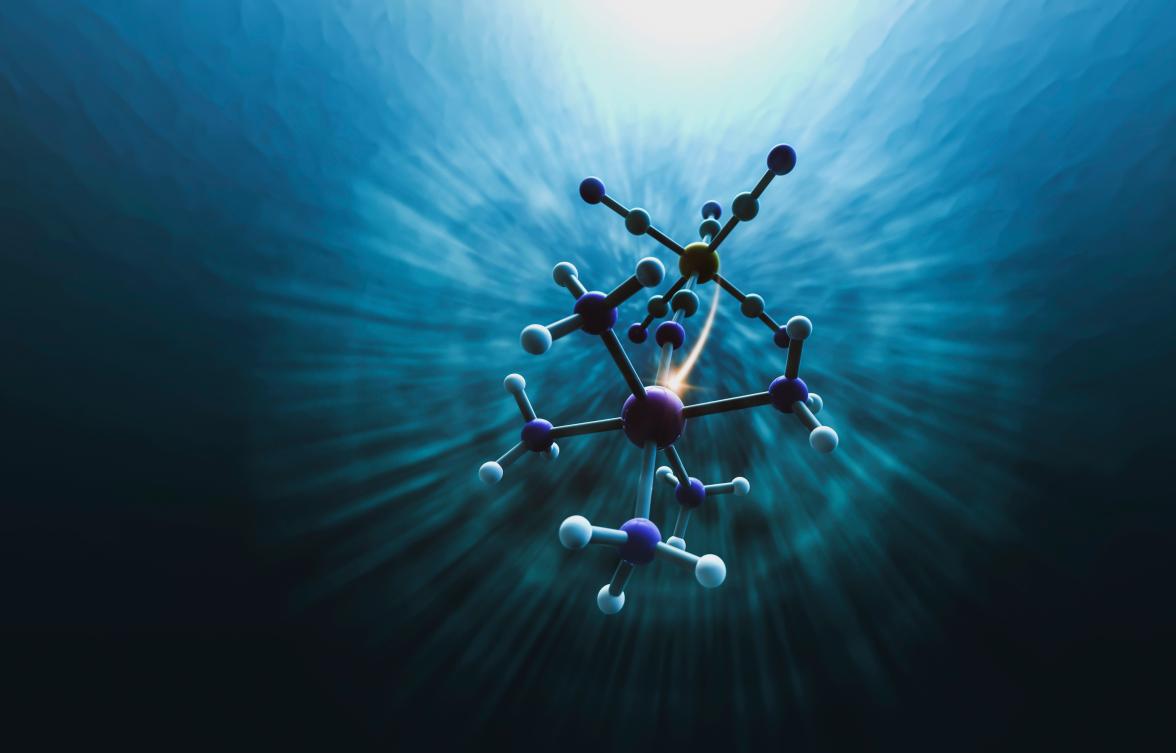
SLAC develops ways to reduce hydrogen production costs and transform domestically abundant chemical feedstocks, such as carbon dioxide, into the building blocks for fuels, fertilizers, antibiotics and more. We advance commercial solutions for hydrogen production in two ways: by examining chemistry-performance relationships in real time at SLAC's facilities and by developing water-splitting processes through materials discovery and engineering. These approaches show tremendous potential for producing low-cost hydrogen fuel and chemical feedstocks to address our nation’s manufacturing challenges and increasing energy demands.
PULSE Institute
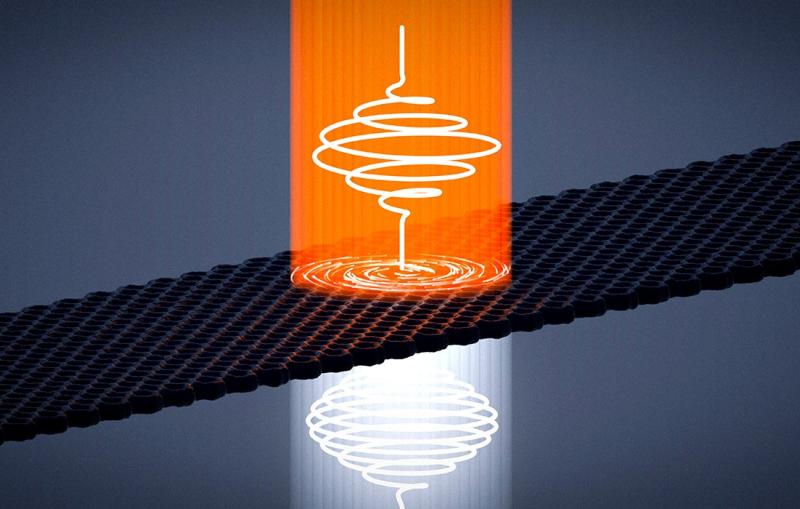
Scientists at the Stanford PULSE Institute watch particle motions and chemical reactions to get a deeper understanding of matter in all its forms.
SUNCAT Center for Interface Science and Catalysis
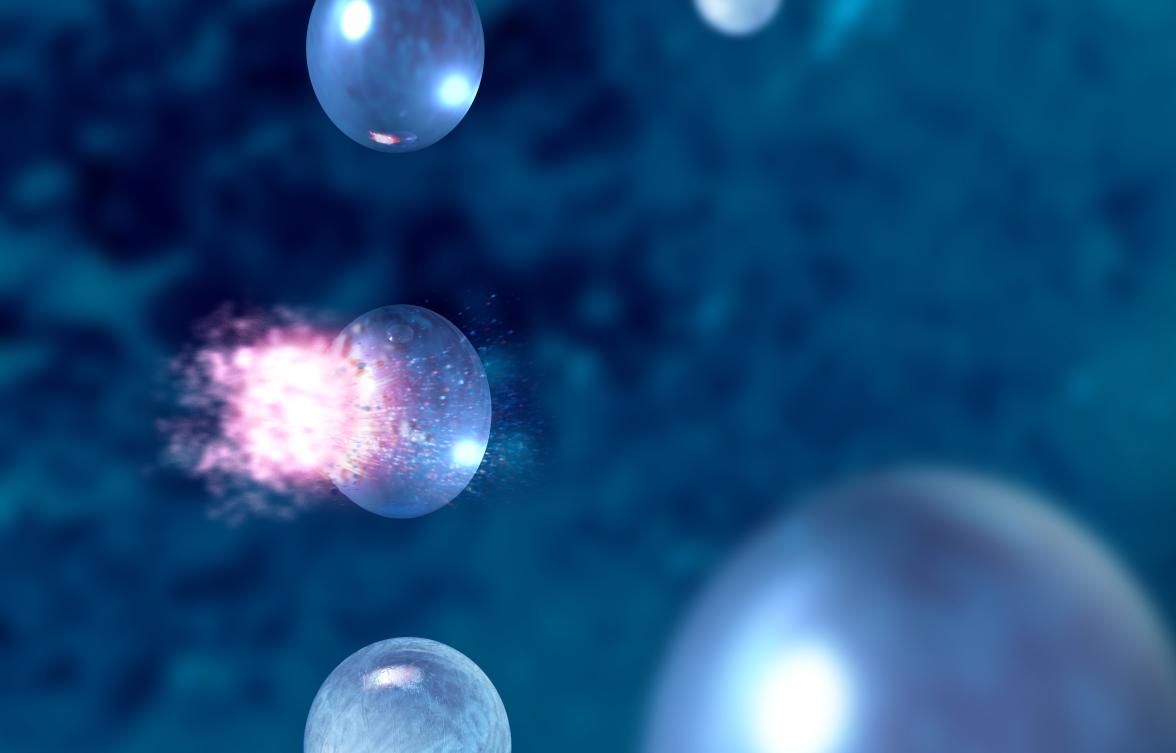
At SUNCAT Center for Interface Science and Catalysis, the focus is on improving catalysts for making chemicals and fuels with renewable energy.

Securing safe water
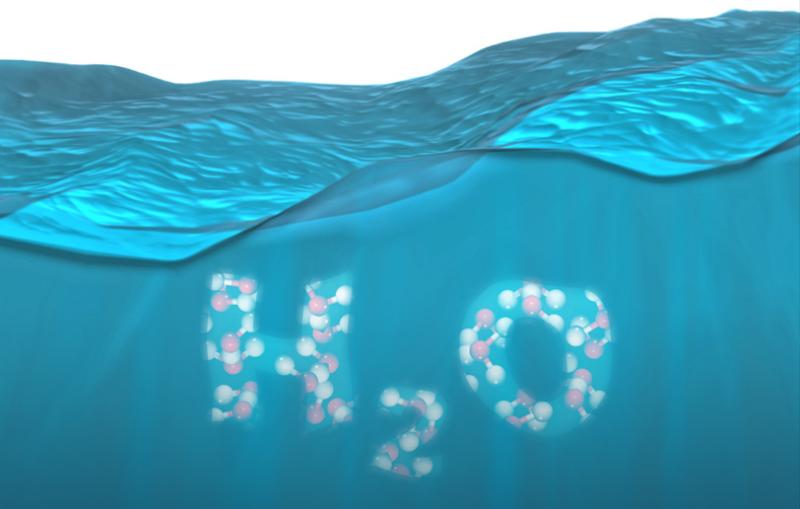
SLAC and Stanford leverage SLAC’s X-ray sources and modeling tools to improve water treatment processes, including desalination, reuse and resource recovery. These projects, funded by National Alliance for Water Innovation, measure how the design and structure of treatment processes impact performance, tracking the efficiency of separating unwanted substances, the mass transport of water and the types and structures of contaminants. These insights help to reduce costs and energy use.
SLAC is a partner in NAWI, which brings together a world-class team of industry and academic organizations to study the technical barriers and research needed to lower the cost and energy of desalination.
Upcycling plastic
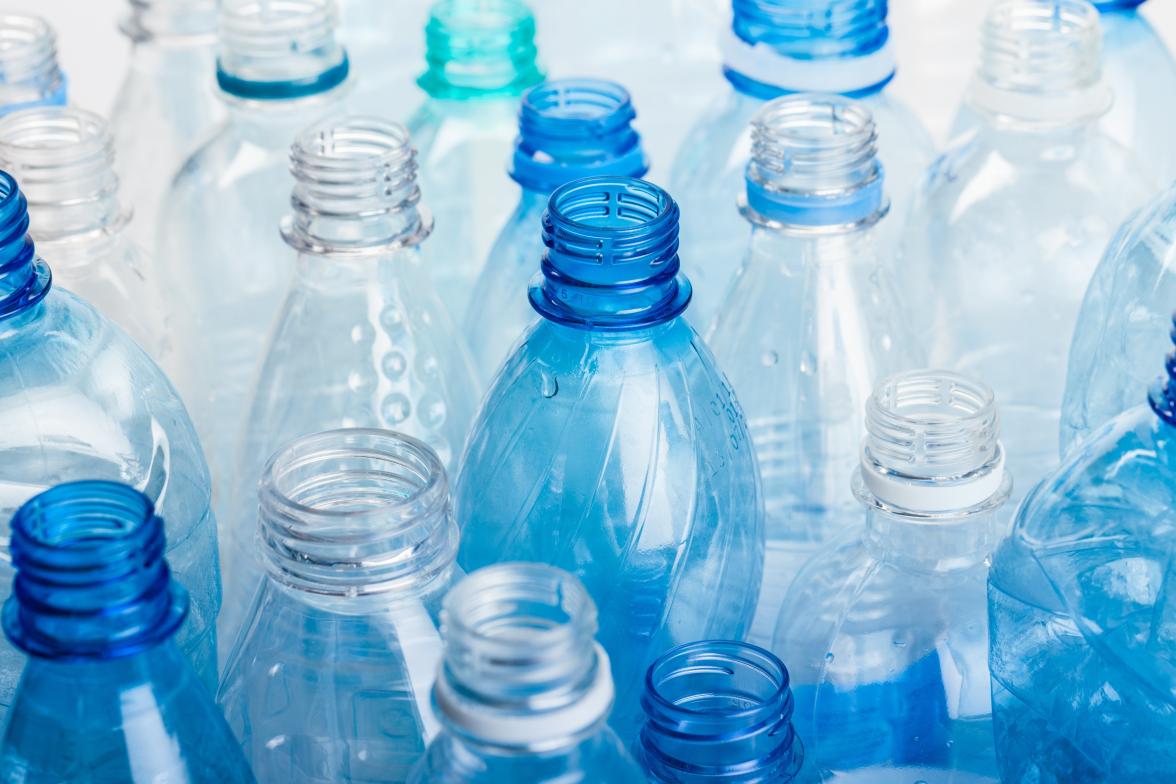
As a member of the DOE consortium BOTTLETM (Bio-Optimized Technologies to keep Thermoplastics out of Landfills and the Environment), SLAC is developing chemical upcycling strategies for today’s plastics and new pathways to convert them into the inherently recyclable biodegradable plastics of tomorrow.