SLAC topics

Ultrafast electron diffraction (UED) RSS feed

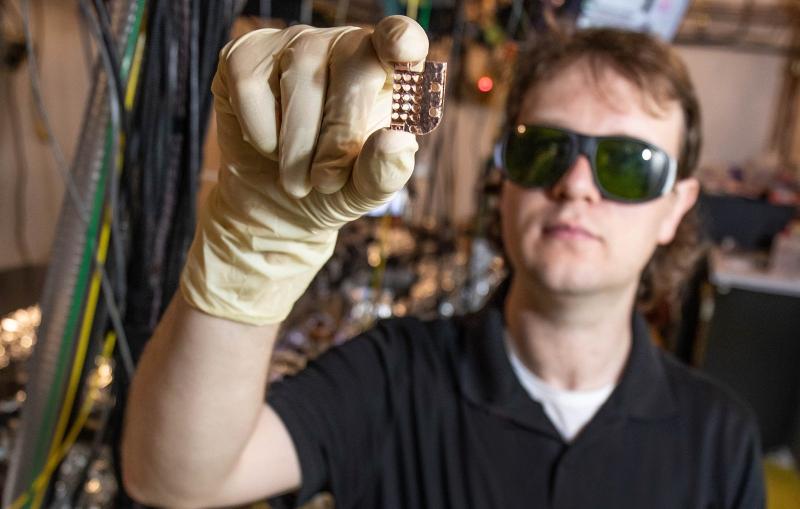
Ultrafast electron diffraction can reveal motions of electrons and atomic nuclei within molecules that take place in less than a tenth of a trillionth of a second – information that will benefit groundbreaking research in materials science, chemistry and biology.

MeV-UED page on LCLS website

Browse tagged content

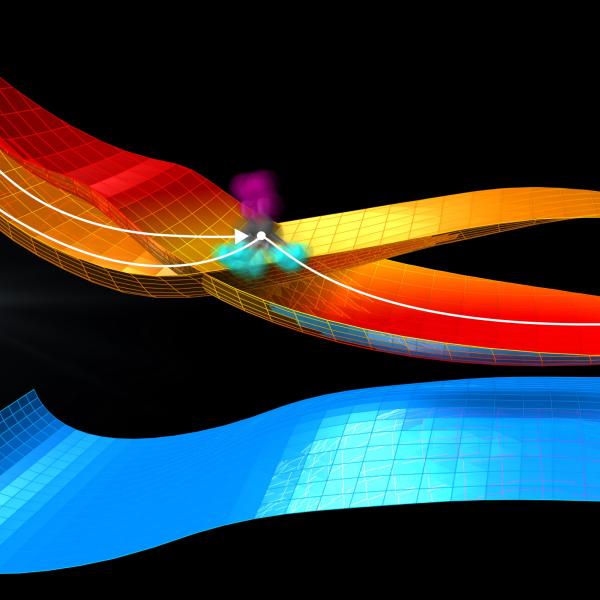
Scientists take first snapshots of ultrafast switching in a quantum electronic device.
Feature

Combined with the lab’s LCLS X-ray laser, it’ll provide unprecedented atomic views of some of nature’s speediest processes.

Alex Reid, ultrafast electron diffraction (UED)
Illustration

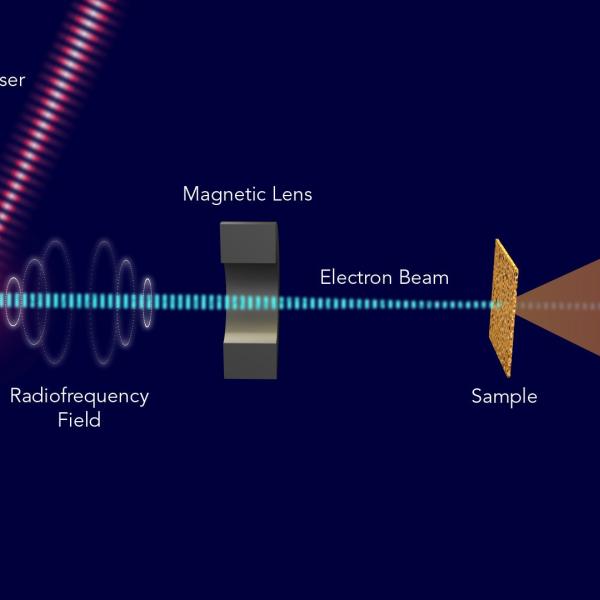
Schematic of  SLAC’s new apparatus for ultrafast electron diffraction – one of the world’s fastest “electron cameras” – researchers can study motions in materials...
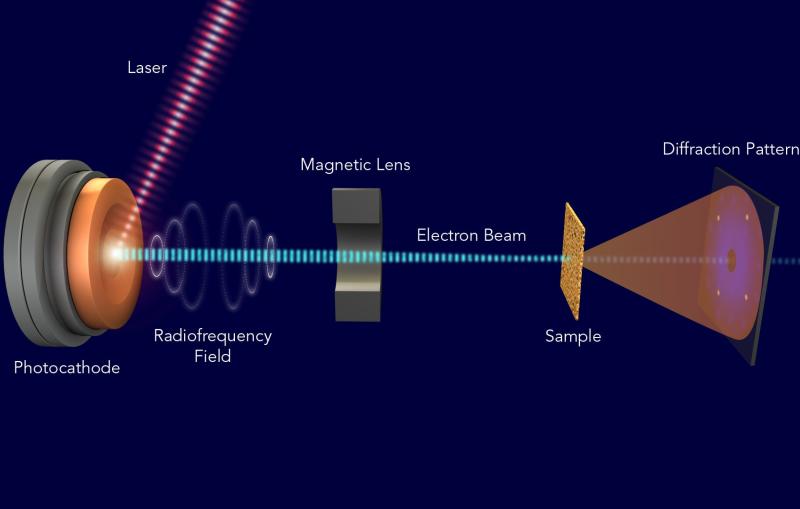
UED schematic
Feature

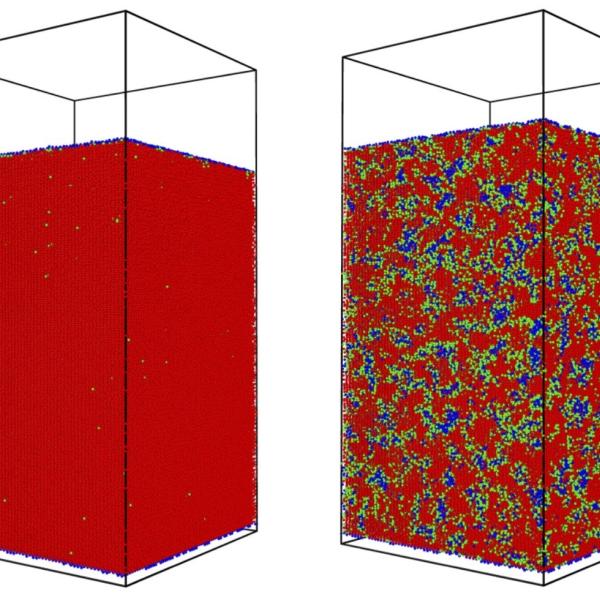
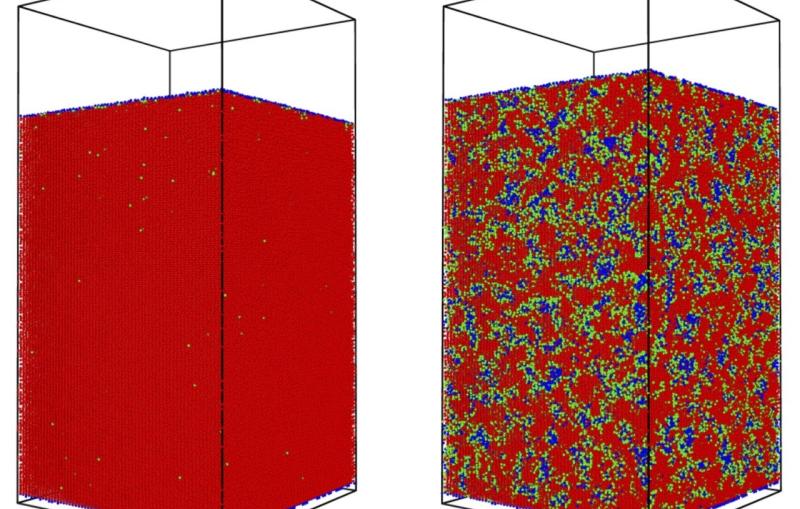
SLAC’s ‘electron camera’ films rapidly melting tungsten and reveals atomic-level material behavior that could impact the design of future reactors.

Tungsten melting
News Release

First direct look at how atoms move when a ring-shaped molecule breaks apart could boost our understanding of fundamental processes of life.

Molecular Movie in HD Art
Illustration

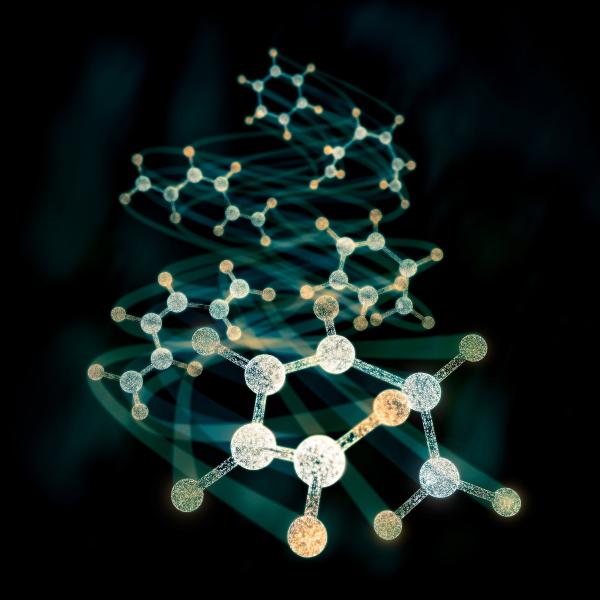
This illustration shows snapshots of the light-triggered transition of the ring-shaped 1,3-cyclohexadiene (CHD) molecule (background) to its stretched-out 1,3,5-hexatriene (HT) form (foreground). 
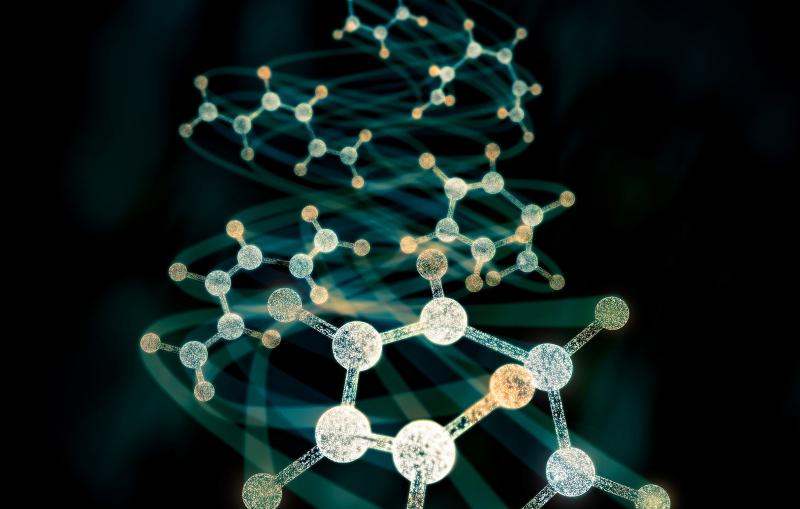
Molecular Movie in HD Art
Feature

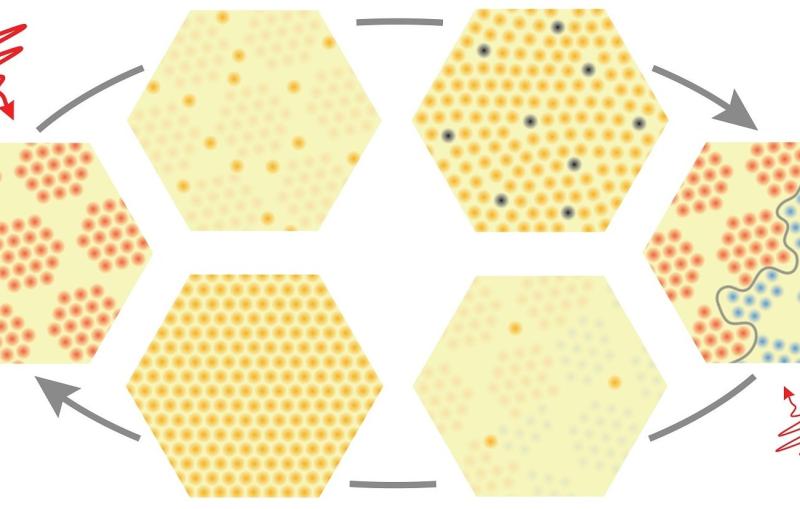
Ultrafast manipulation of material properties with light could stimulate the development of novel electronics, including quantum computers.

Topological Switch Lead Art
Feature

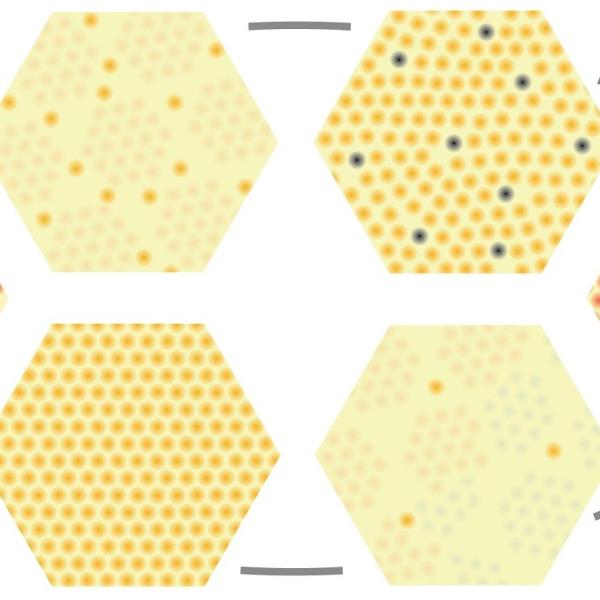
Switches like this one, discovered with SLAC’s ultrafast ‘electron camera’, could offer a new, simple path to storing data in next-generation devices.

Single Pulse Material Switch
Video

This video explains how researchers at SLAC are using a method known as ultrafast electron diffraction (UED) to develop an atomic-level understanding of how...

Video
News Release

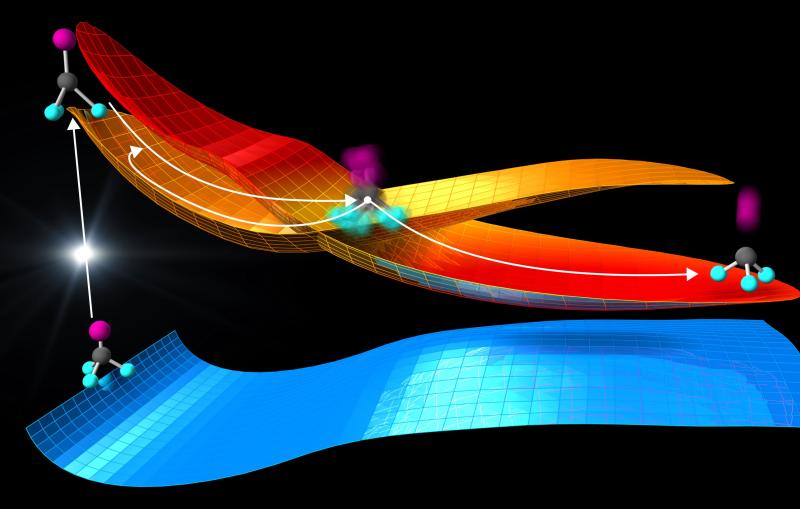
To break, or not to break: An unprecedented atomic movie captures the moment when molecules decide how to respond to light.

UED Bond Breaking
Animation
Animation of a trifluoroiodomethane molecule (carbon shown in black, fluoride in green, iodine in pink) responding to laser light. The...
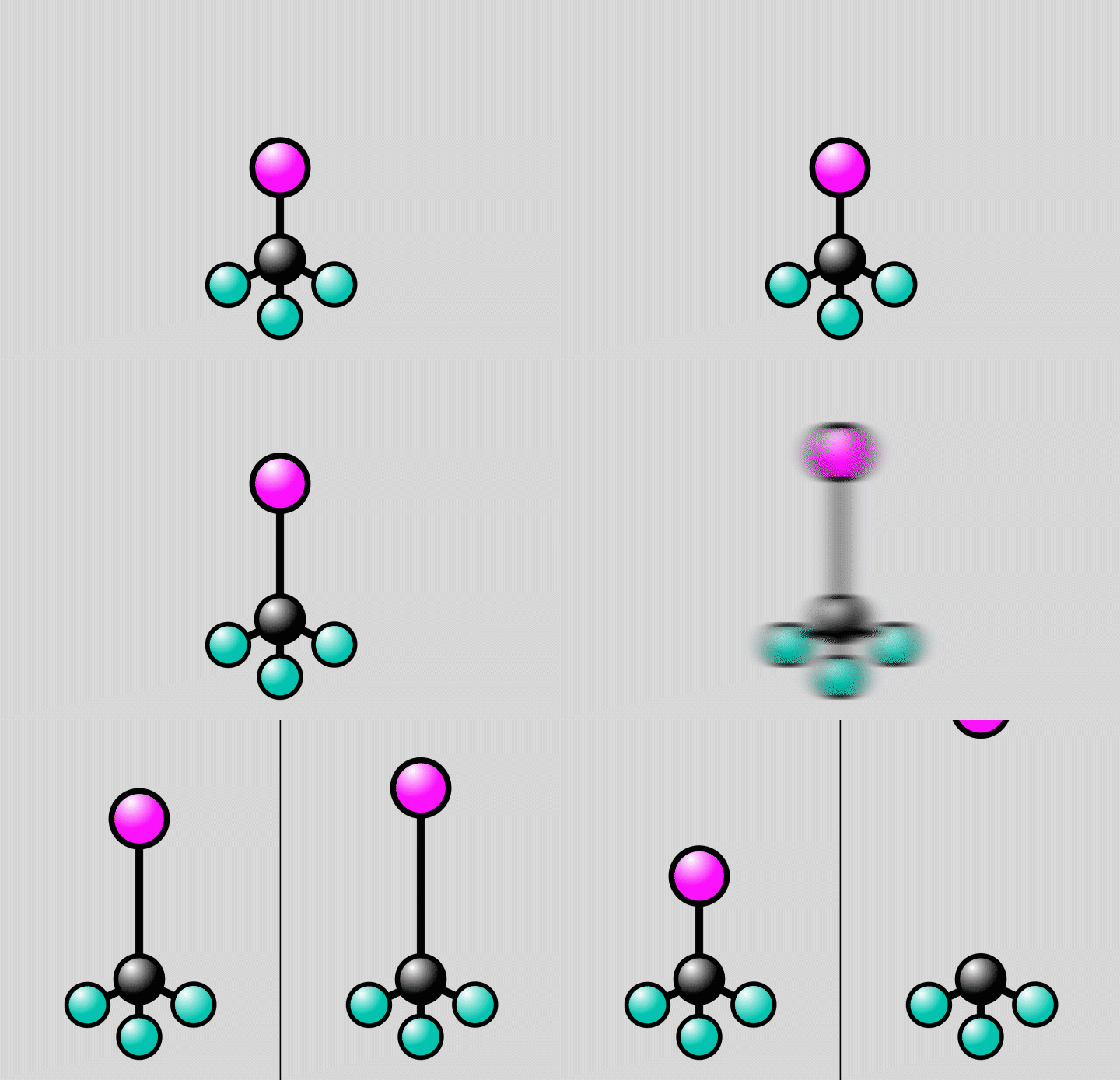
UED Bond Breaking
News Release

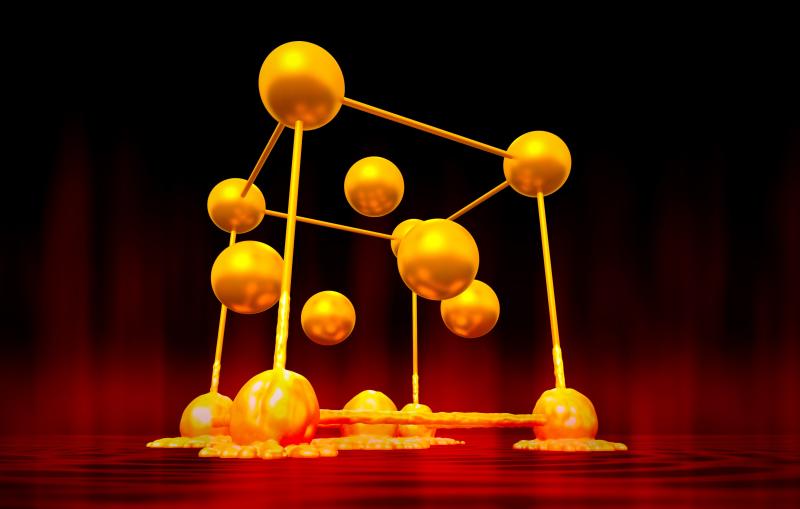
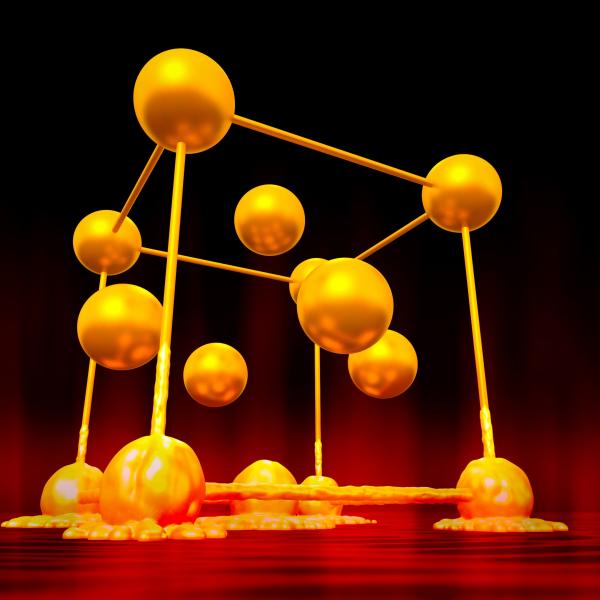
SLAC’s high-speed ‘electron camera’ shows for the first time the coexistence of solid and liquid in laser-heated gold, providing new clues for designing materials...

UED Gold Melting
Animation
This movie shows the transition of a gold sample from a solid (dotted pattern) to a liquid (ring pattern) after...
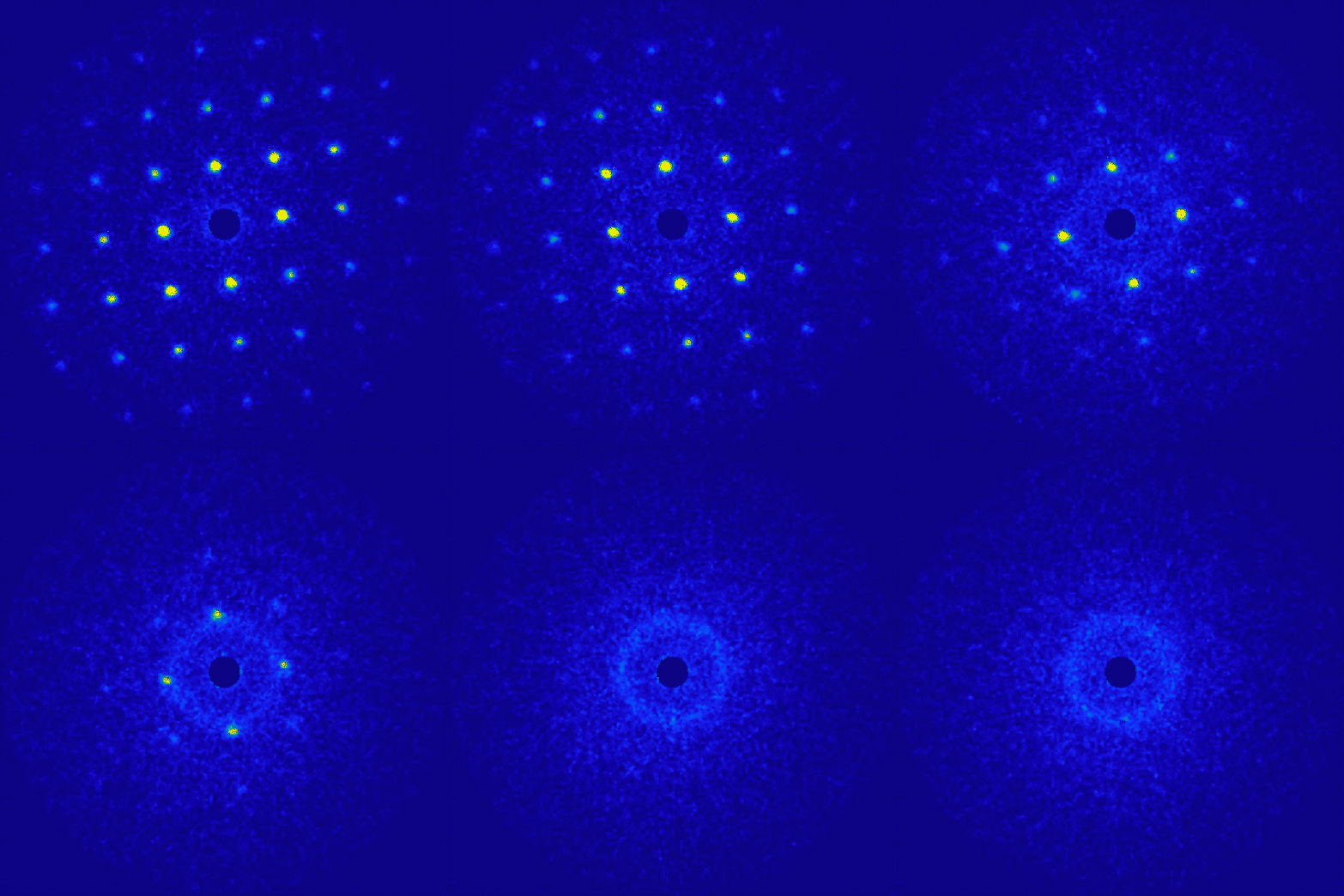
UED Gold Melting