He met with SLAC staff and toured the lab’s cutting-edge facilities, diving into world-leading research in X-ray and ultrafast science, artificial intelligence, astrophysics and...
Rubin will observe more variable stars than ever before, enabling investigations into what drives their variation and mapping the outer limits of our galaxy.
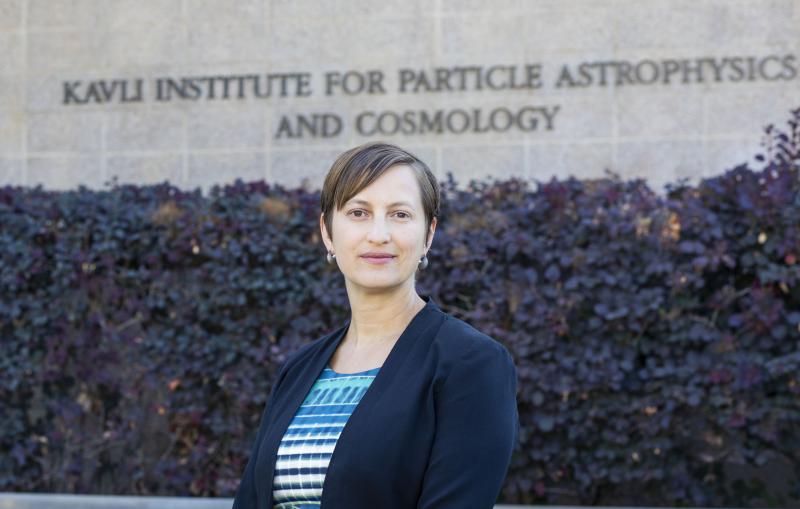
The theorist is one of seven Stanford faculty members elected by the Academy this year, recognizing their exceptional contributions in their fields and professions.
A view of Cerro Pachón at sunset in 2024 shows the Rubin Observatory with Gemini South and SOAR in the distance, ahead of Rubin’s 10-year survey of the southern sky.
NSF–DOE Vera C. Rubin Observatory is about to embark on its quest to capture the cosmos, marking the culmination of decades of work by thousands of people across the globe.
He met with SLAC staff and toured the lab’s cutting-edge facilities, diving into world-leading research in X-ray and ultrafast science, artificial intelligence, astrophysics and more.
Rubin will observe more variable stars than ever before, enabling investigations into what drives their variation and mapping the outer limits of our galaxy.
The theorist is one of seven Stanford faculty members elected by the Academy this year, recognizing their exceptional contributions in their fields and professions.