SLAC topics

X-ray imaging RSS feed

See content related to X-ray imaging here below.

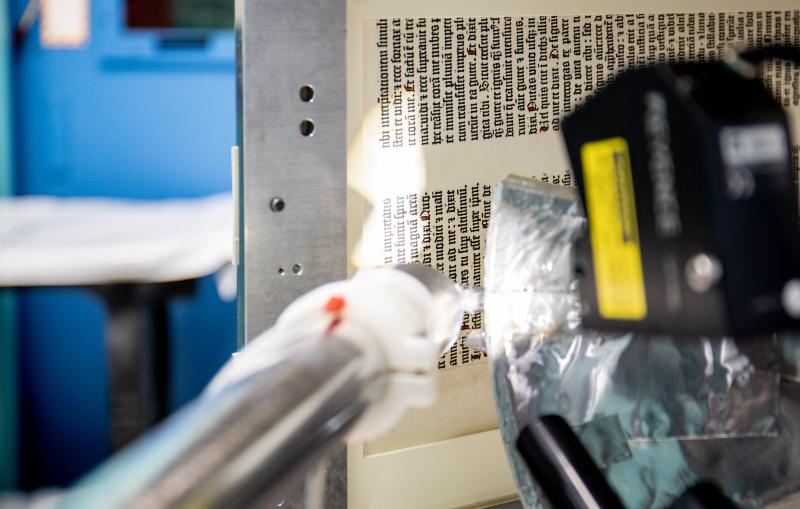
A page of the Gutenberg Bible from 1450-1455 AD is prepped before being scanned at SSRL beamline 7-2.
Feature

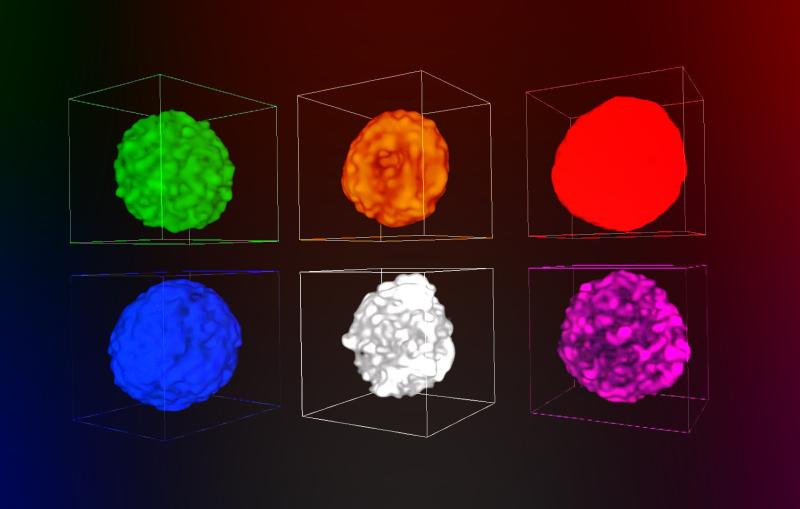
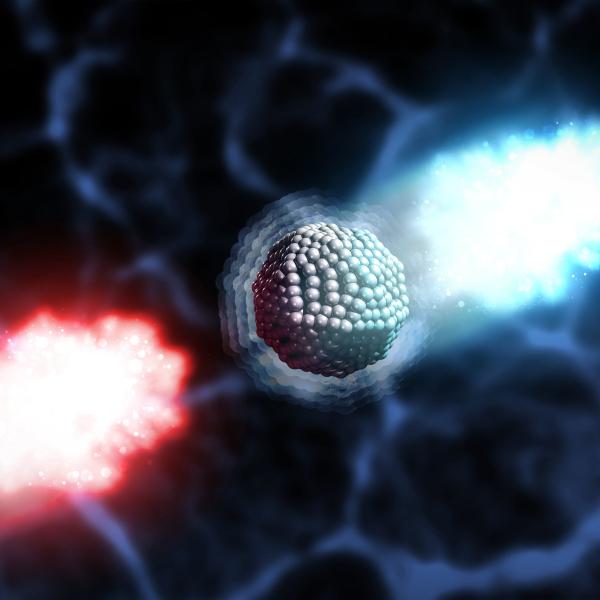
With SLAC’s X-ray laser, scientists captured a virus changing shape and rearranging its genome to invade a cell.

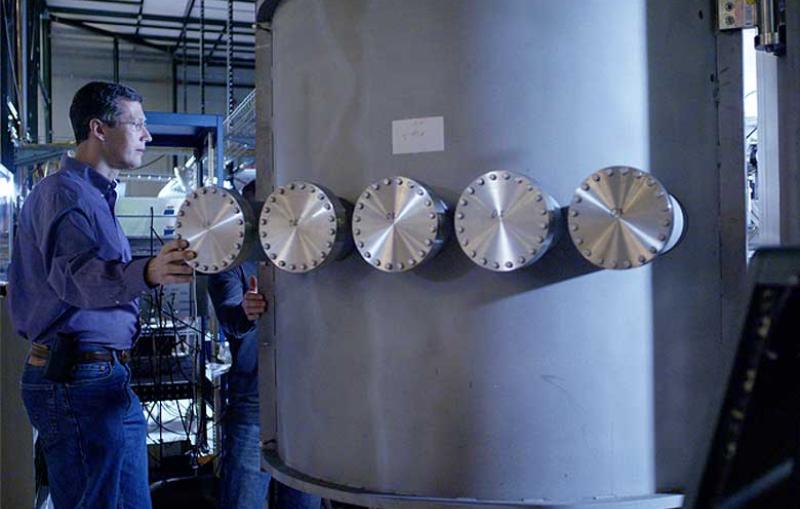
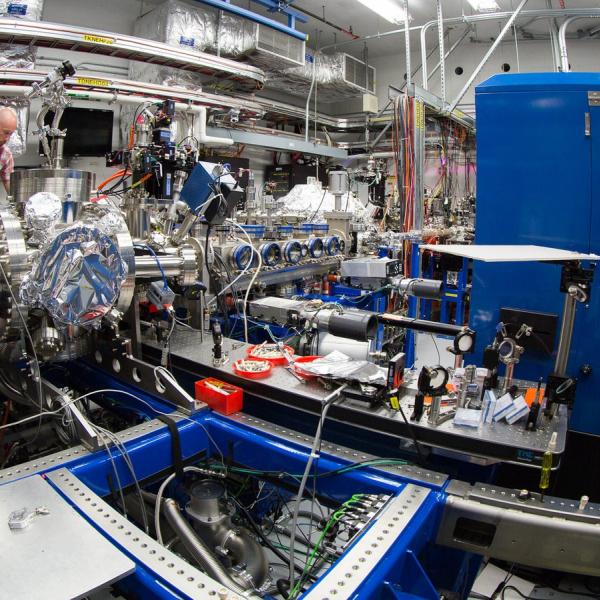
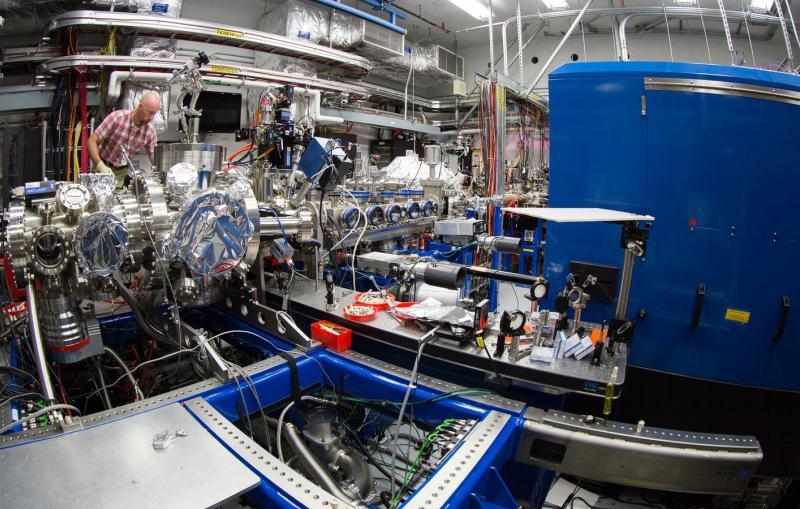
The AMO (Atomic, Molecular & Optical Science) instrument
Feature

Over the next five years they’ll work on getting significantly more information about how catalysts work and improving biological imaging methods.

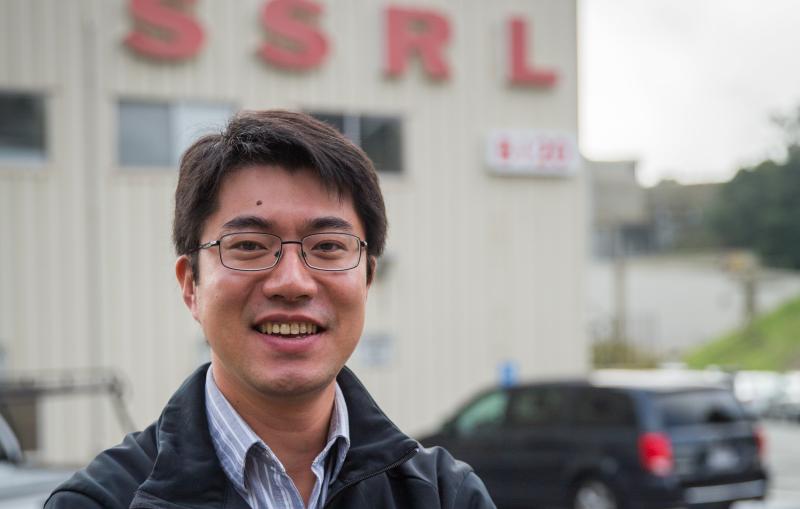
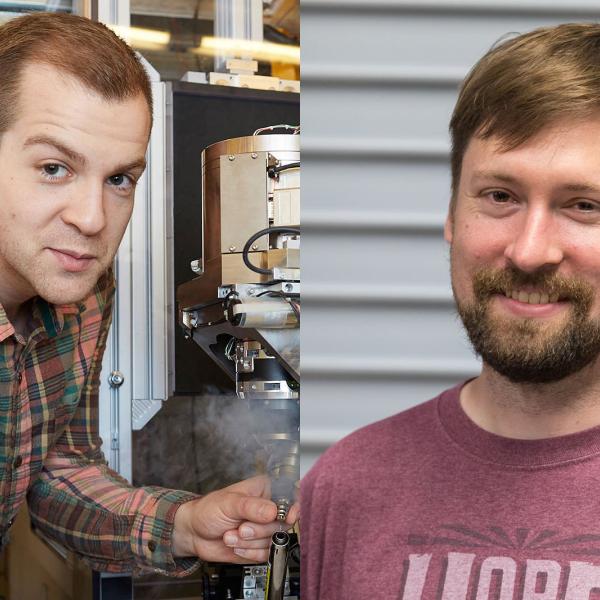
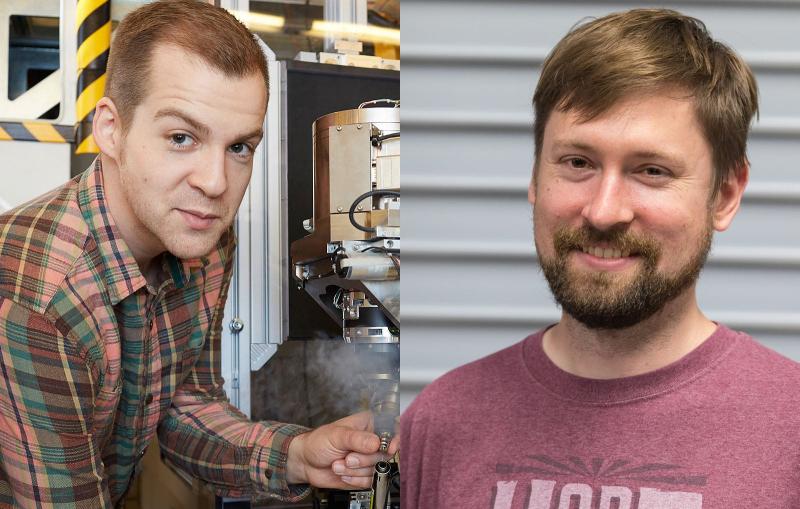
Cornelius Gati and Franklin Fuller, the 2017 Panofsky fellows at SLAC
Feature

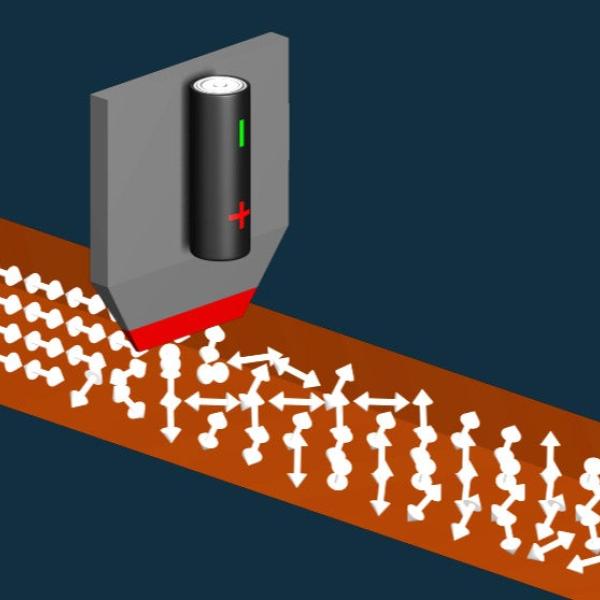
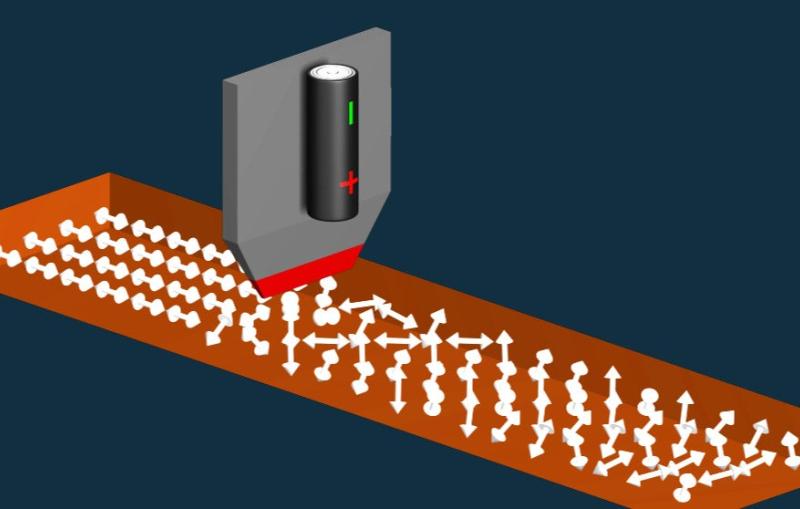
Using an electric field, researchers drew magnetic designs in nonmagnetic material. These efforts could lead to new types of storage devices.

Animation

The electric field aligns the spins of the electrons in the nonmagnetic material, and the ordering creates magnetic properties.
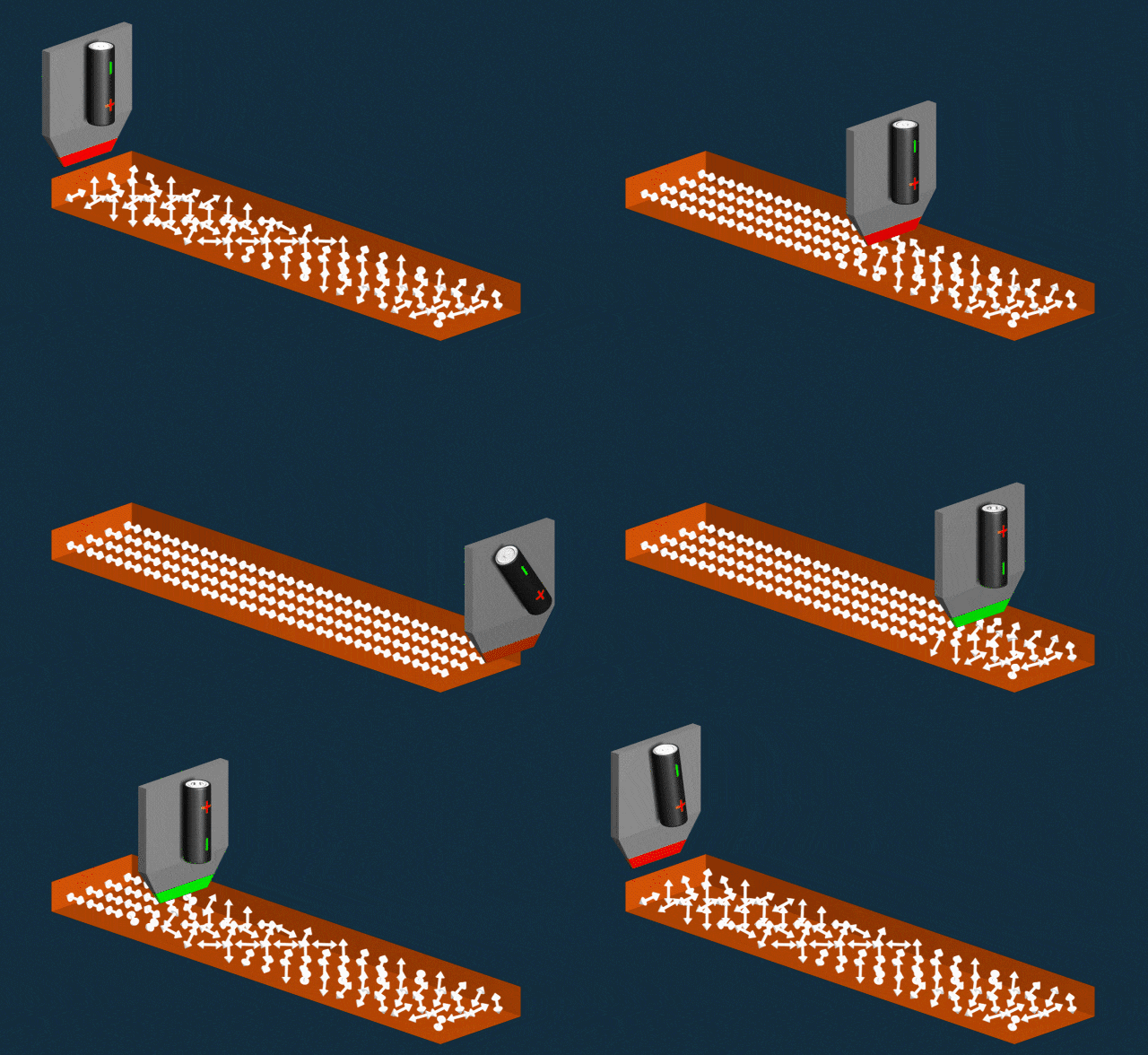
The electric field aligns the spins of the electrons in the nonmagnetic material, and the ordering creates magnetic properties.
Feature

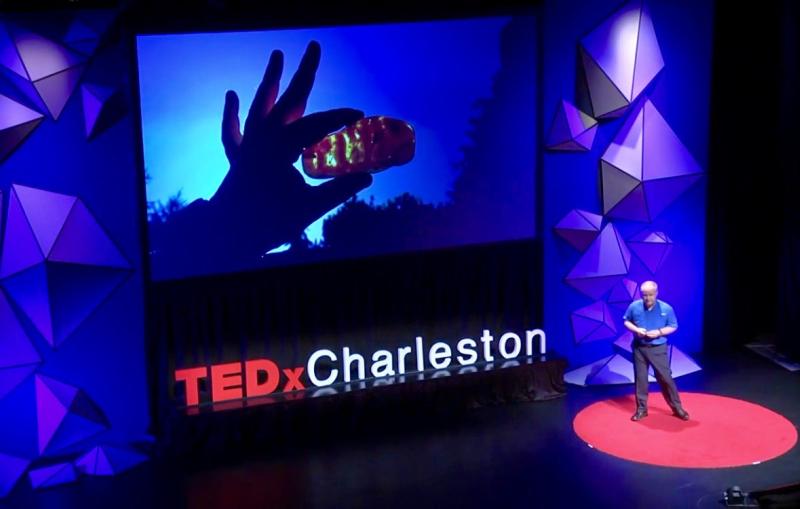
Paleontologist Phil Manning describes the “Imaging Life on Earth” project at TEDxCharleston.

Feature

The discovery is one of the first steps towards mapping hues of fossilized species.

American kestrel feather
Feature

The fellowship will support their research into developing new methods of imaging tiny particles and understanding the properties of the Higgs boson.

Tais Gorkhover and Michael Kagan, the 2016 Panofsky Fellows at SLAC
Feature

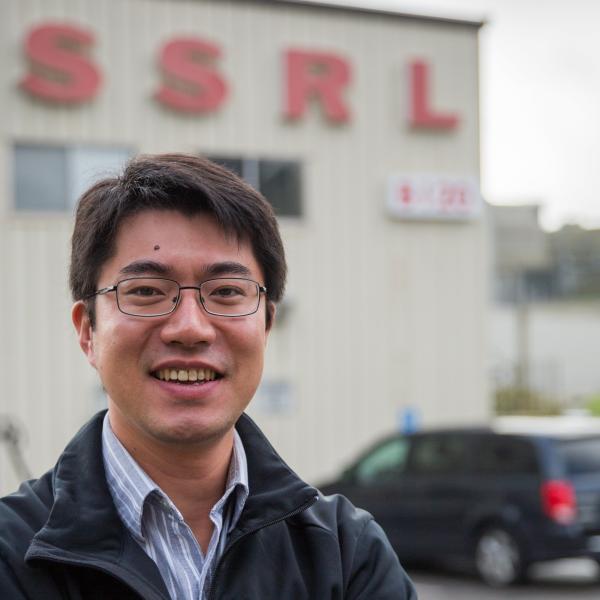
Liu acknowledged for wide-ranging work in energy materials, catalysis, carbon sequestration, material in extreme conditions and scientific big data mining.

Feature

Merging two powerful 3-D X-ray techniques, researchers revealed new details of a process known as metal poisoning that clogs the pores of catalyst particles...

Feature

Contributions to LIGO have come from many Stanford teams, including SLAC, Applied Physics, Mechanical Engineering, Aeronautics and Astronautics and the School of Earth, Energy...

News Release

A new study with the LCLS X-ray laser could change the way researchers take atomic-level snapshots of important biological machineries, potentially affecting research in...

Feature

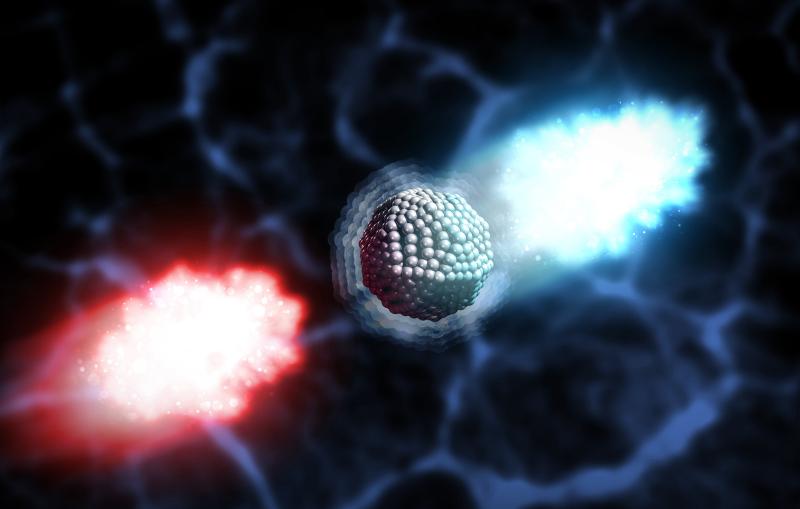
This surprising finding has potentially broad implications, from X-ray imaging of single particles to fusion research.