Join us at the Kavli Building or online. Registration is required if you plan to attend in person.
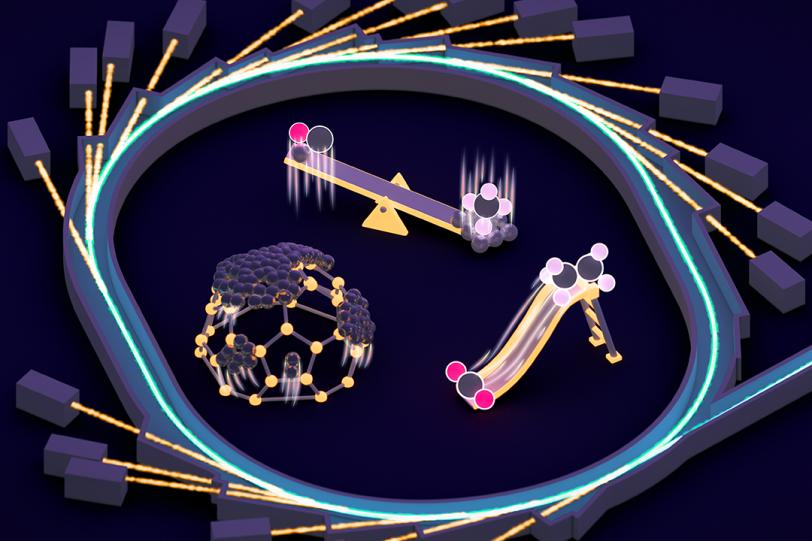
Catalysts are the unsung heroes of our modern age. Working tirelessly behind the scenes, they find many applications that touch our lives, from producing the fertilizers that sustain the global population, to breaking down toxic chemicals to reduce pollution. To design the next generation of catalysts, researchers must understand at the atomic level how a catalyst operates over time. This hard-fought knowledge takes more than individual engineers and chemists working in their own university laboratories to obtain. Seeing the catalyst function at this level of detail requires state-of-the-art X-ray techniques such as those found at SLAC’s Stanford Synchrotron Radiation Lightsource (SSRL). Here at SSRL, we utilize a suite of tools that combine X-ray and catalysis science to follow the atomic level changes of a working catalyst over time. By developing these tools and providing them to scientists from across the United States, we enable a catalysis community, tackling grand challenges, and advancing the DOE mission. In this talk, I will introduce the basics of catalysis and one of the powerful methods provided by SSRL’s X-rays. I will then present, as an illustration, new insights that our community has discovered for the conversion of CO and CO2 into alternative fuels and other useful products.