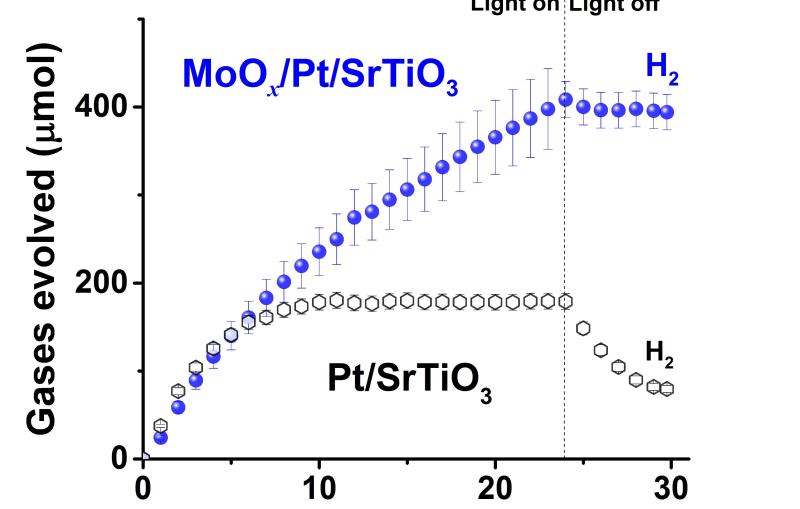
Scientists have developed a new molybdenum-coated catalyst that more efficiently generates hydrogen gas, which could lead to a sustainable clean fuel source in the...
A new study reveals that organic matter whose breakdown would yield only minimal energy for hungry microorganisms preferentially builds up in floodplains, illuminating a...
Aaron Lindenberg, associate professor at Stanford and SLAC, talks about how he combines X-ray and electron techniques to understand and engineer novel materials.
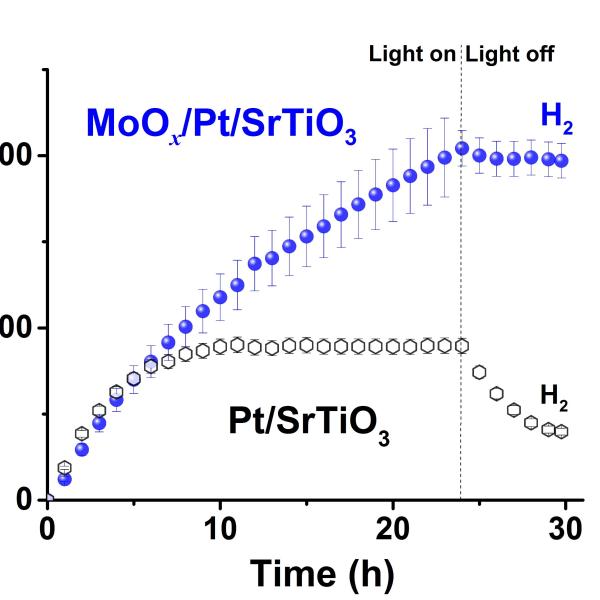
Scientists have developed a new molybdenum-coated catalyst that more efficiently generates hydrogen gas, which could lead to a sustainable clean fuel source in the future.
A new study reveals that organic matter whose breakdown would yield only minimal energy for hungry microorganisms preferentially builds up in floodplains, illuminating a new mechanism of carbon sequestration.
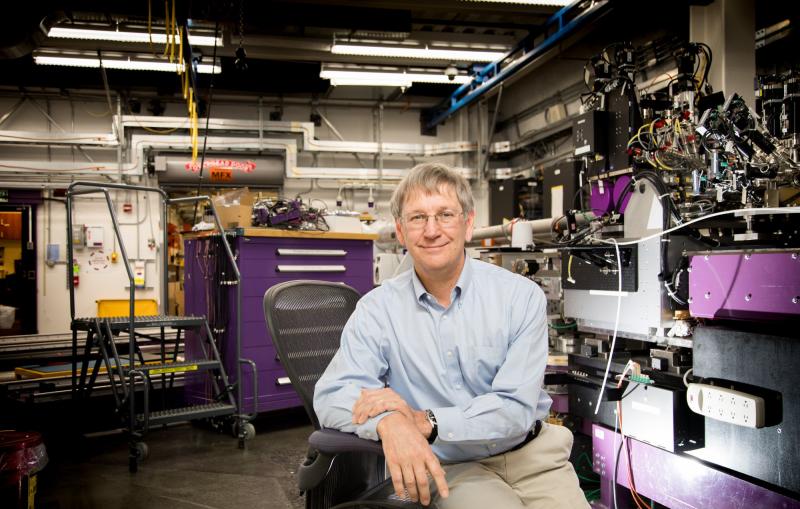
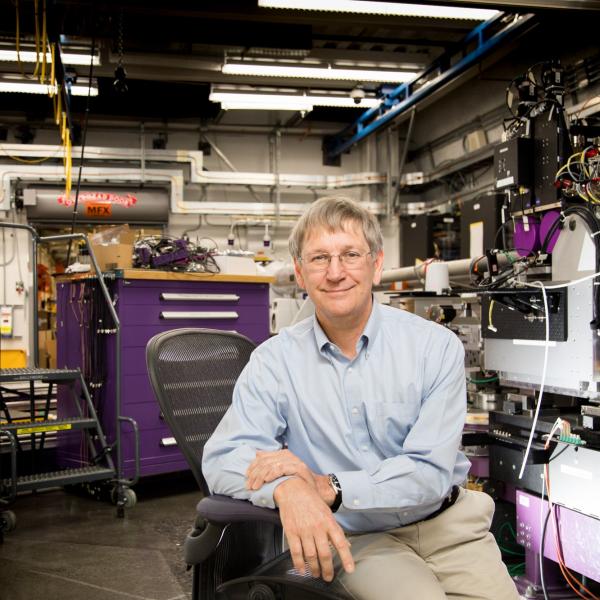
Paul Fuoss, the new head of experimental design at LCLS, aims to make experiments at light sources here and around the world more productive and user-friendly.
Aaron Lindenberg, associate professor at Stanford and SLAC, talks about how he combines X-ray and electron techniques to understand and engineer novel materials.