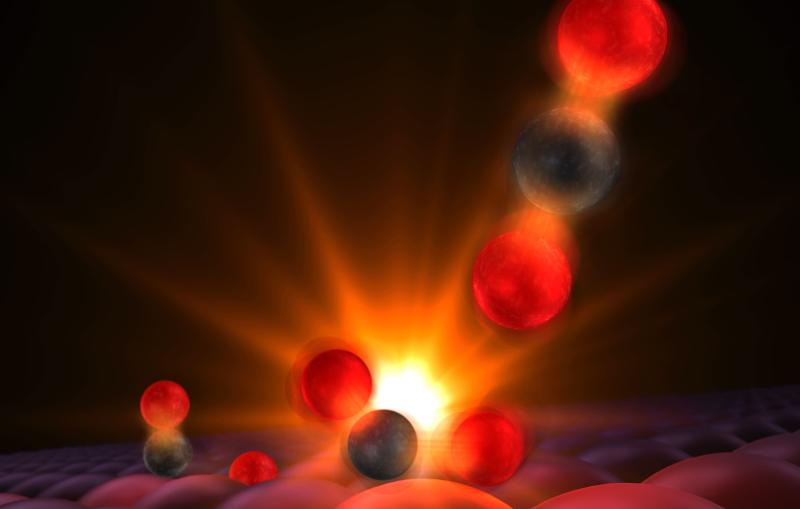
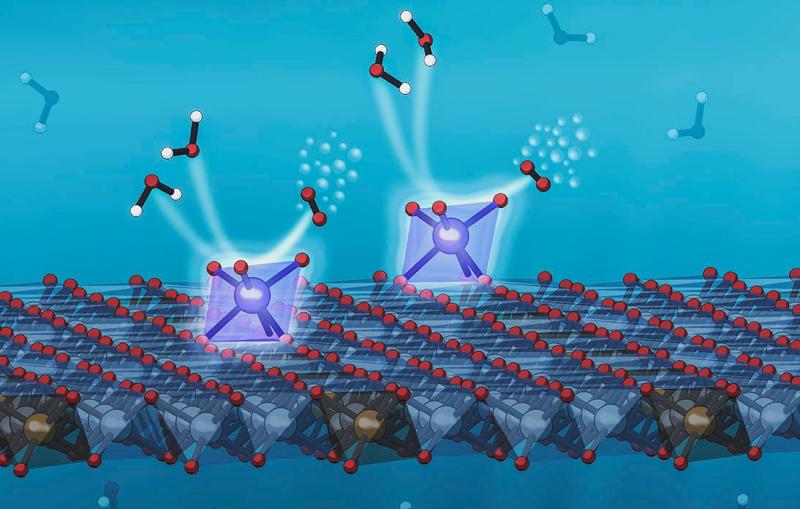
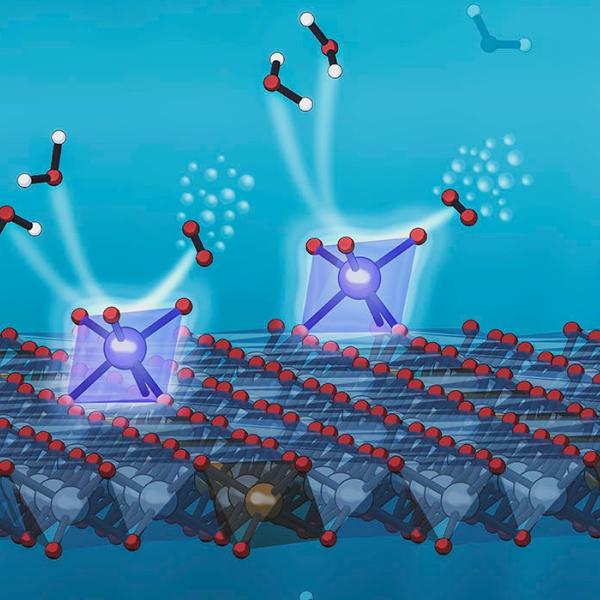
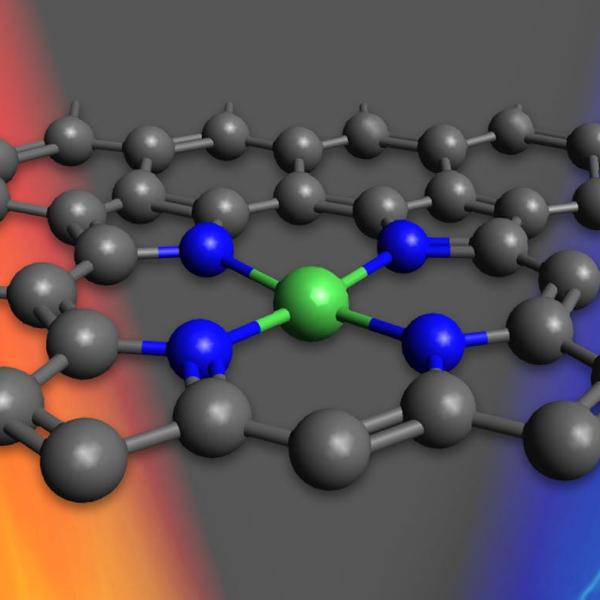
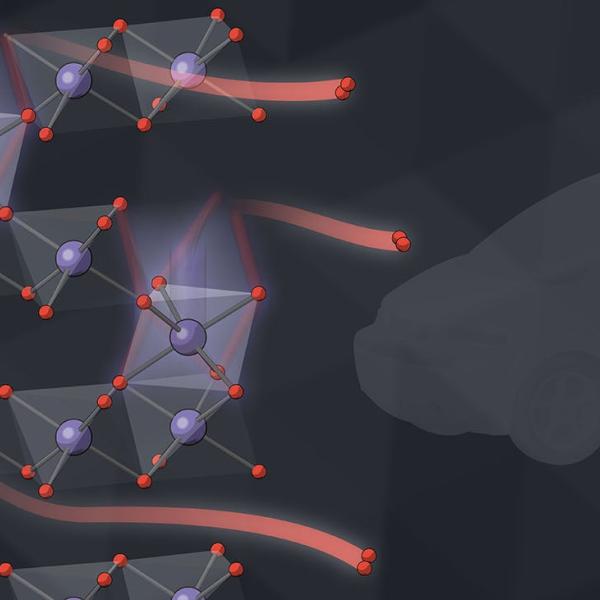
Anchoring individual iridium atoms on the surface of a catalytic particle boosted its performance in carrying out a reaction that’s been a bottleneck for...
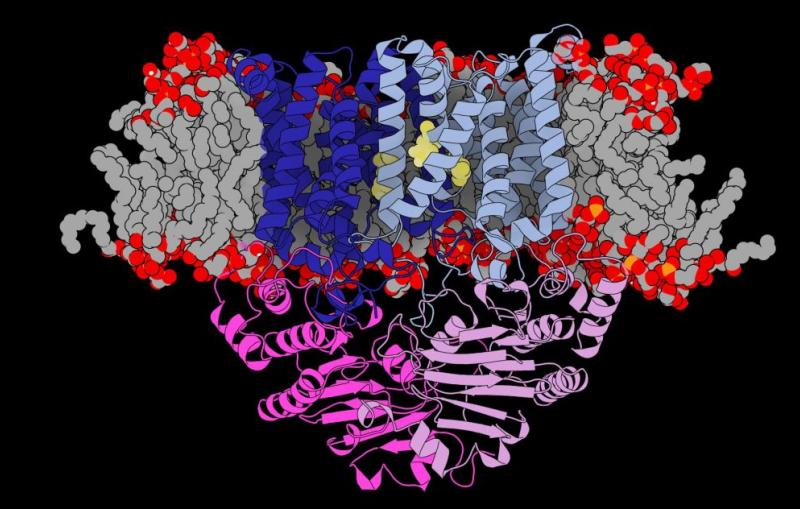
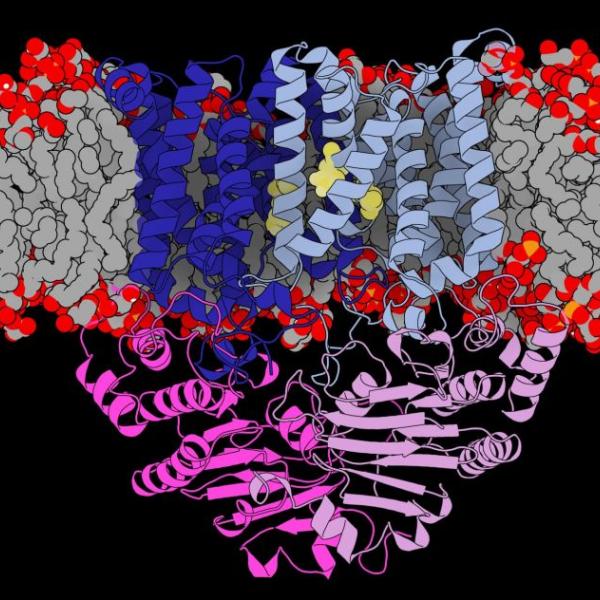
Drawing on SLAC facilities, Australian researchers have revealed how Streptococcus pneumoniae bacteria obtain manganese from our bodies, which could lead to better therapies to...
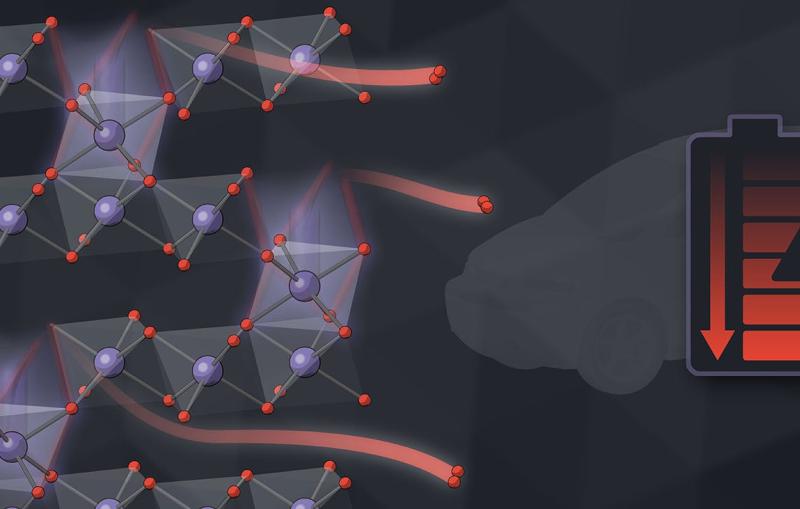
Storing the rechargeable batteries at sub-freezing temperatures can crack the battery cathode and separate it from other parts of the battery, a new study...
Belopolski has made key discoveries about Weyl semimetals and topological magnets, systems in which quantum effects produce new emergent particles with exotic electronic and...
She toured the lab’s powerful X-ray laser, looked at the construction of the world’s largest digital camera, and discussed climate research, industries of the...
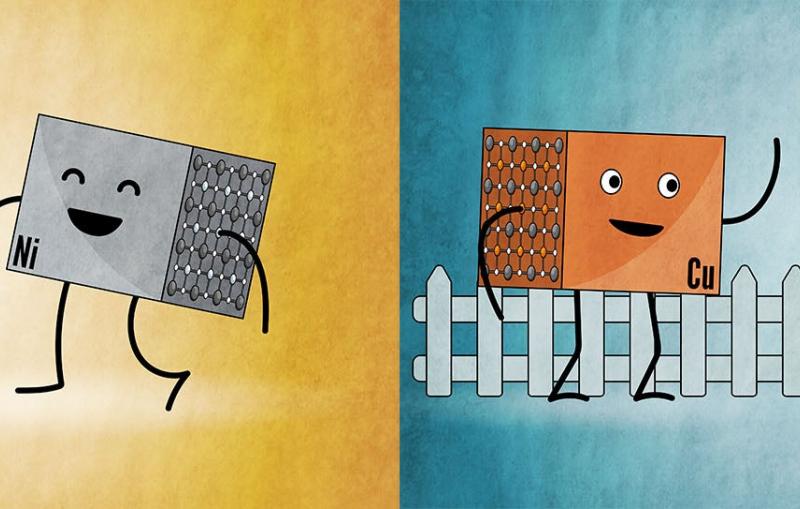
Nickelate materials give scientists an exciting new window into how unconventional superconductors carry electric current with no loss at relatively high temperatures.
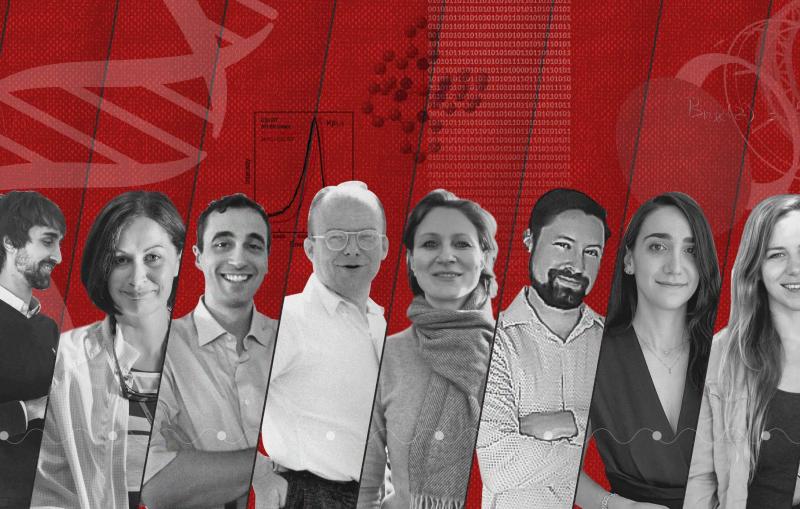
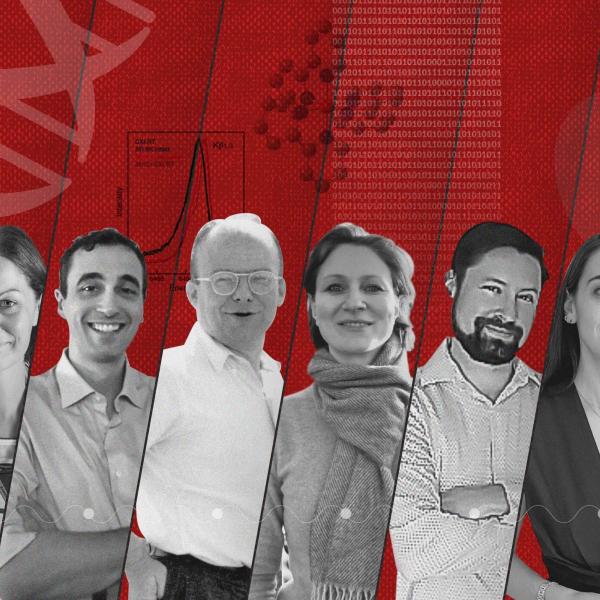
From the invisible world of elementary particles to the mysteries of the cosmos, recipients of this prestigious award for early career scientists explore nature...
Anchoring individual iridium atoms on the surface of a catalytic particle boosted its performance in carrying out a reaction that’s been a bottleneck for sustainable energy production.
Drawing on SLAC facilities, Australian researchers have revealed how Streptococcus pneumoniae bacteria obtain manganese from our bodies, which could lead to better therapies to target the pathogen.
Storing the rechargeable batteries at sub-freezing temperatures can crack the battery cathode and separate it from other parts of the battery, a new study shows.
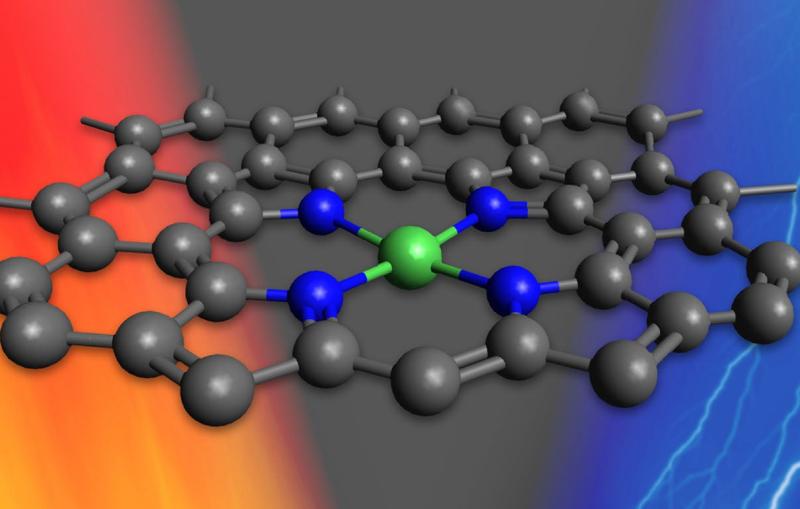
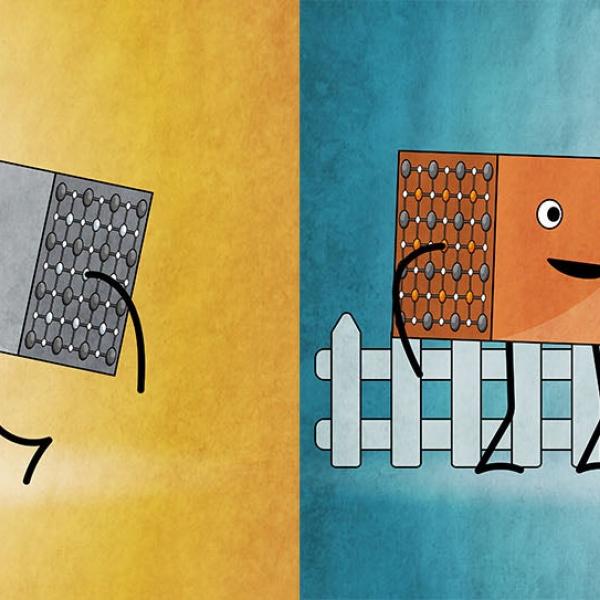
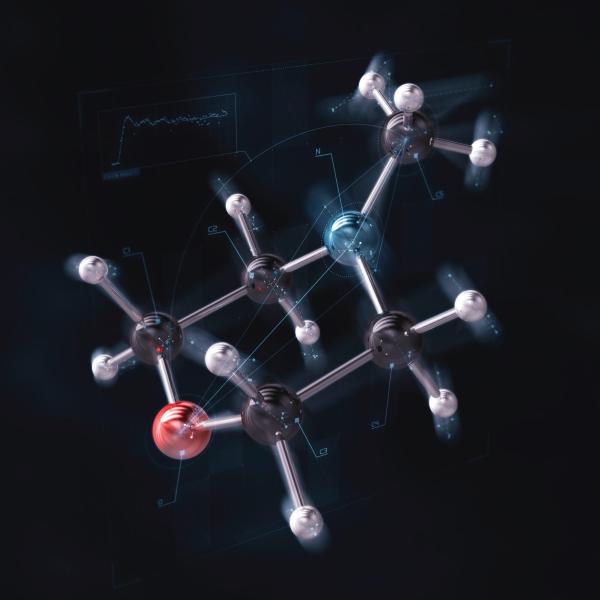
Their work aims to bridge two approaches to driving the reaction – one powered by heat, the other by electricity – with the goal of discovering more efficient and sustainable ways to convert carbon dioxide into useful products.
Belopolski has made key discoveries about Weyl semimetals and topological magnets, systems in which quantum effects produce new emergent particles with exotic electronic and magnetic properties.
She toured the lab’s powerful X-ray laser, looked at the construction of the world’s largest digital camera, and discussed climate research, industries of the future, and diversity, equity and inclusion in the sciences.
Nickelate materials give scientists an exciting new window into how unconventional superconductors carry electric current with no loss at relatively high temperatures.
Petroglyphs are carved in a material called rock varnish, the origins of which have been debated for years. Now, scientists argue it’s the result of bacteria and an adaptation that protects them from the desert sun’s harsh rays.
From the invisible world of elementary particles to the mysteries of the cosmos, recipients of this prestigious award for early career scientists explore nature at every level.