
SLAC topics

X-ray light sources and electron imaging RSS feed

X-ray light sources and electron imaging are advanced techniques used to study the structure and properties of materials. X-ray light sources use high-energy photons to produce X-rays, while electron imaging uses high-energy electrons to produce detailed images of samples. 

Browse tagged content

Aerial view of SLAC
Feature

Two recently funded computing projects work toward developing cutting-edge scientific applications for future exascale supercomputers that can perform at least a billion billion computing...

Feature

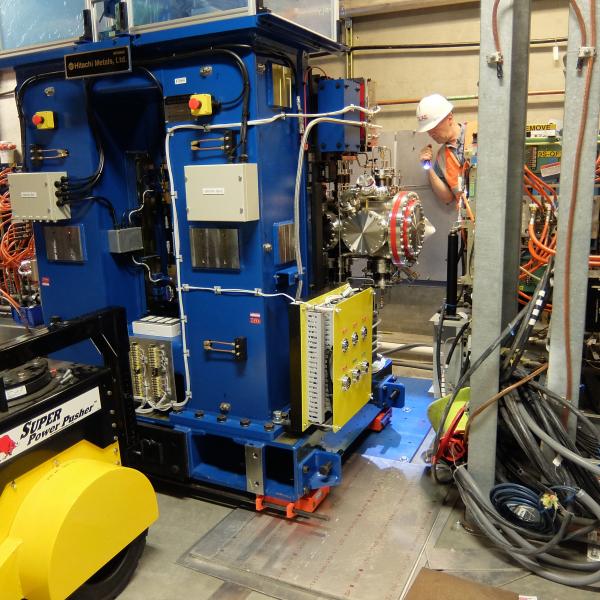
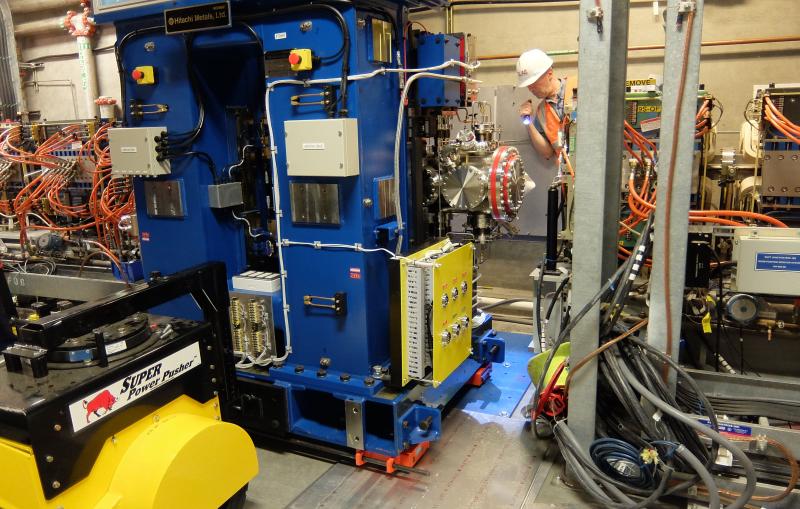
During a recent shutdown, engineers installed new beamline technology and a 3-D virtual tour captured rare views of the synchrotron’s interior.

New in-vacuum undulator
Feature

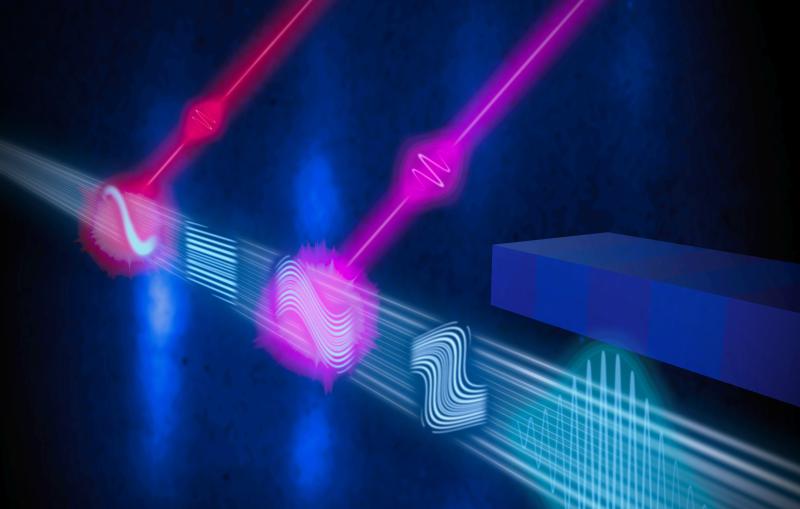
For the first time, scientists at SLAC’s X-ray laser have created bright, three-colored X-ray pulses.

Feature

The event drew more than 400 participants, with workshops and presentations focusing on collaborations and new technology at SLAC’s light sources.

Feature

Award honors accomplishments in condensed matter physics and electrochemistry at SSRL.

Trevor Petach
News Release

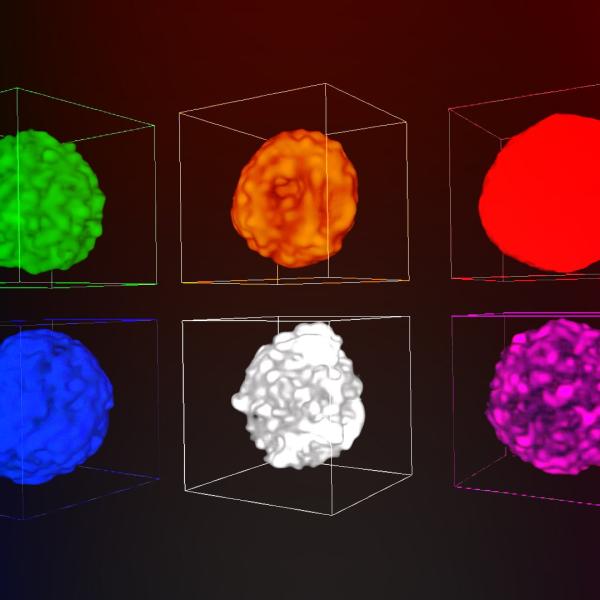
SLAC’s X-ray laser provides clues to engineering a new protein to kill mosquitos that carry dengue and Zika.

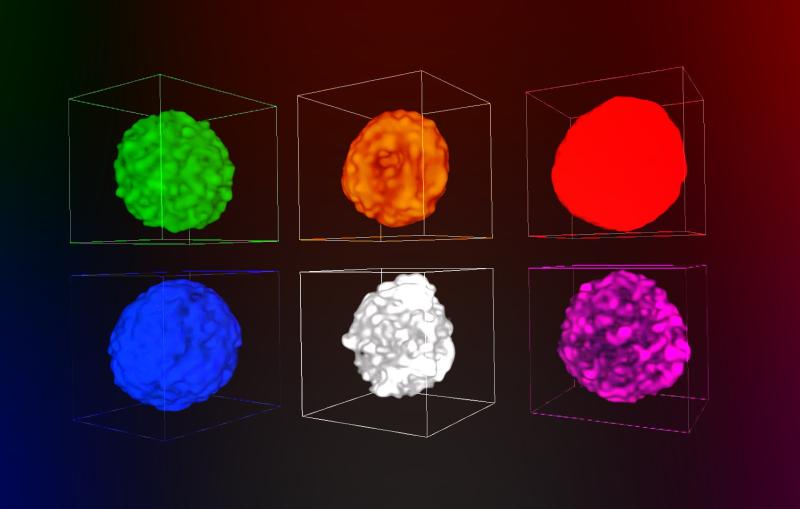
Scientists shed light on the three-dimensional structure of BinAB and its mode of action.
Feature

The discovery is one of the first steps towards mapping hues of fossilized species.

American kestrel feather
Feature

Merging two powerful 3-D X-ray techniques, researchers revealed new details of a process known as metal poisoning that clogs the pores of catalyst particles...

Feature

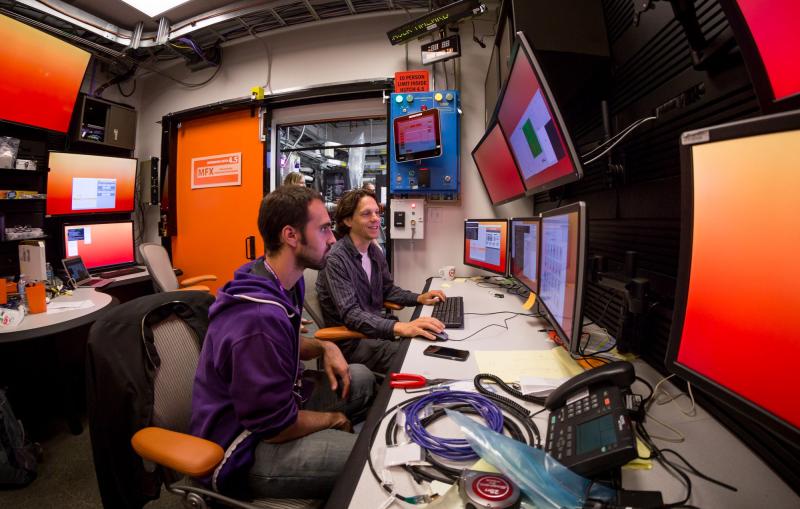
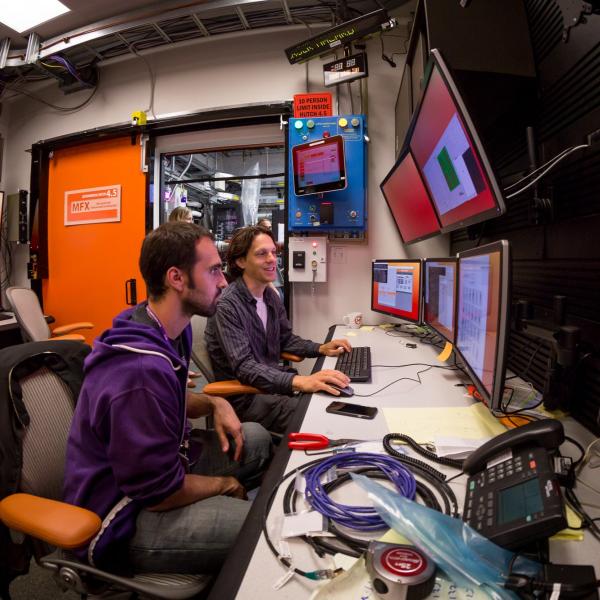
The new MFX station expands the X-ray laser’s capability and flexibility for biological studies, which are increasingly in demand at SLAC's Linac Coherent Light...

Feature

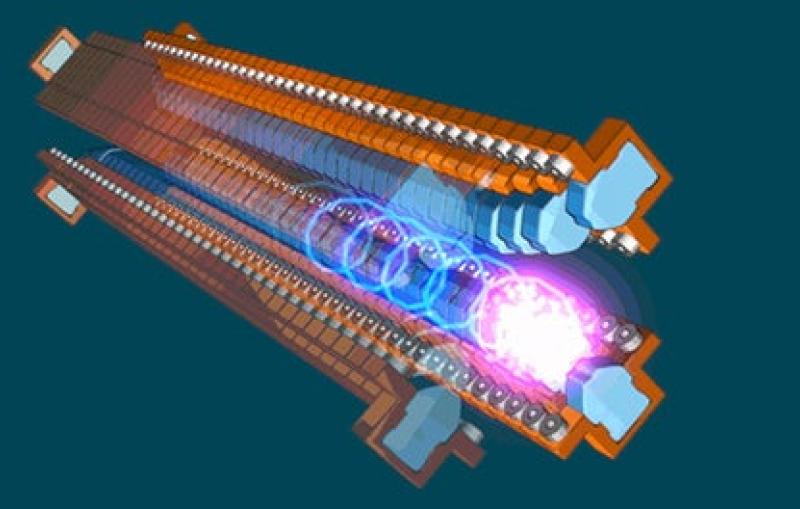
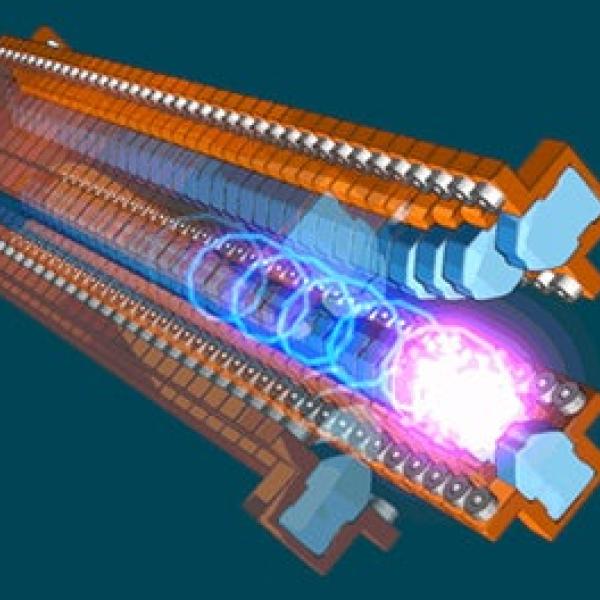
A new device at the Department of Energy’s SLAC National Accelerator Laboratory allows researchers to explore the properties and dynamics of molecules with circularly...

Electrons spiral through the Delta undulator.
Feature

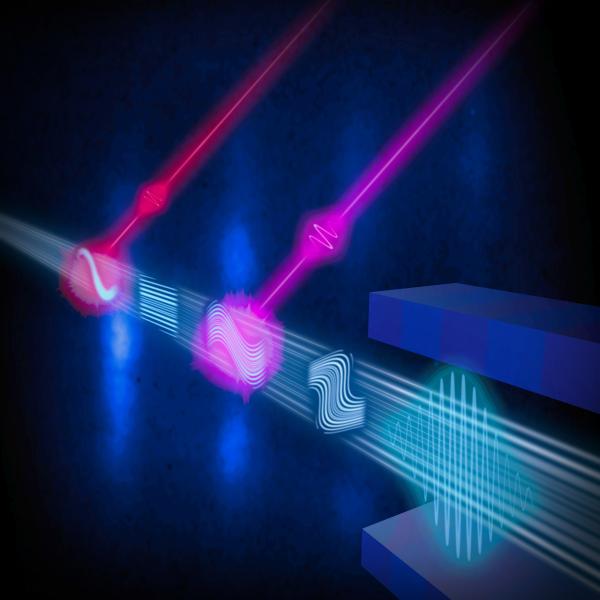
Manipulating electron beams of X-ray lasers with regular laser light could potentially open up new scientific avenues.

Beam of electrons illustration.
News Release

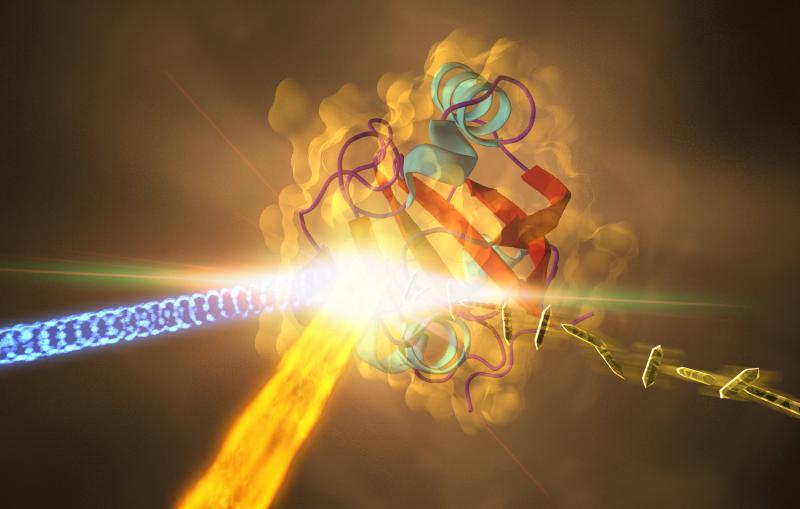
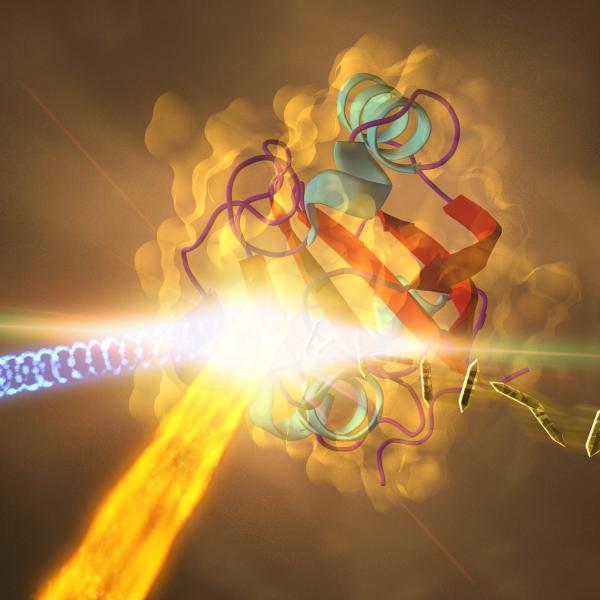
High-speed X-ray camera reveals ultrafast atomic motions at the root of organisms’ ability to turn light into biological function.

a protein from photosynthetic bacteria