
Catalysts are the unsung heroes of chemistry, accelerating reactions used to make fertilizers, fuels and consumer products. SUNCAT’s focus is on improving catalysts for making chemicals and fuels with renewable energy.
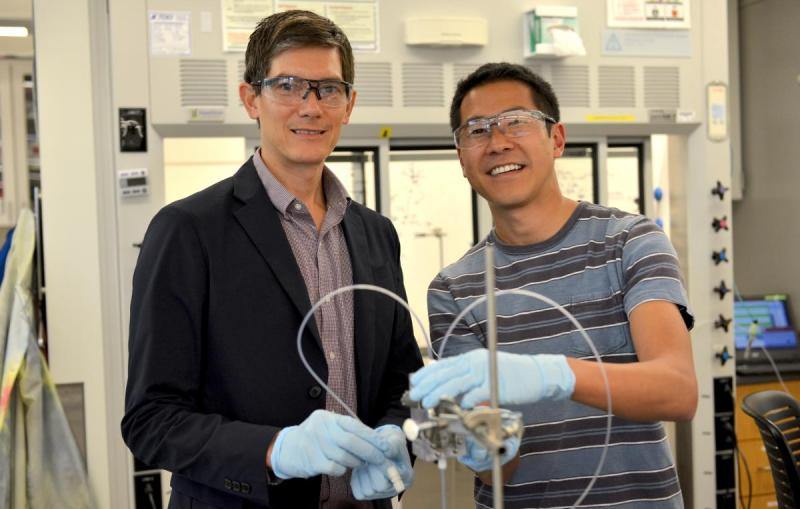
Stanford and SLAC researchers are leading a multi-year effort to produce nitrogen-based fertilizers in a sustainable way, by inventing a solar-powered chemistry technology that...
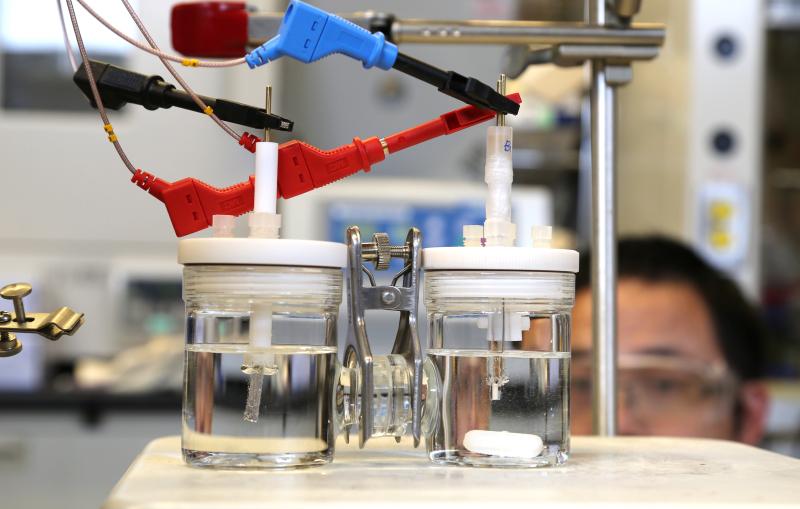
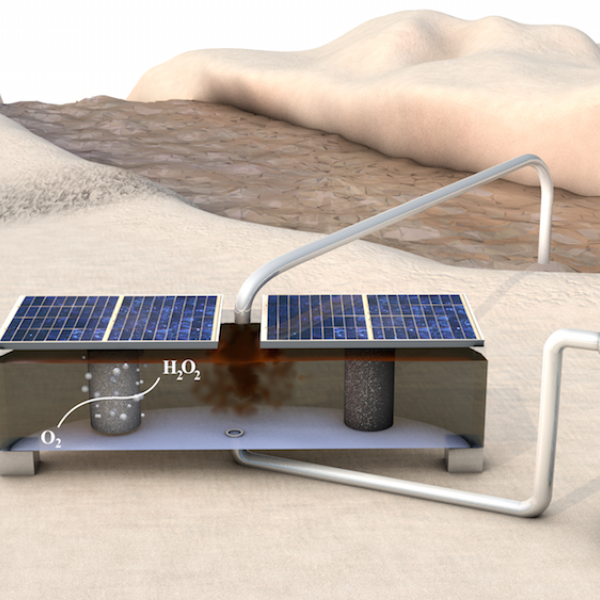
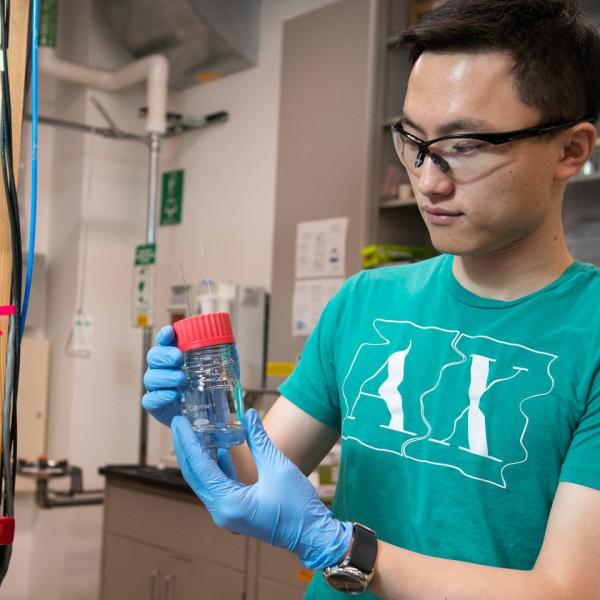
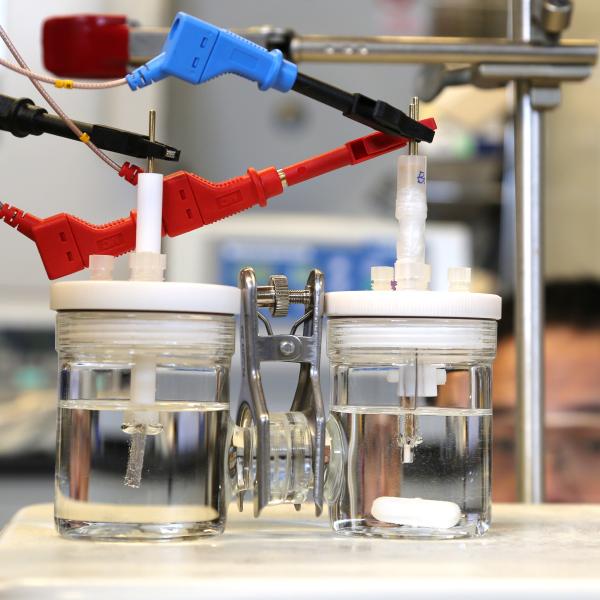
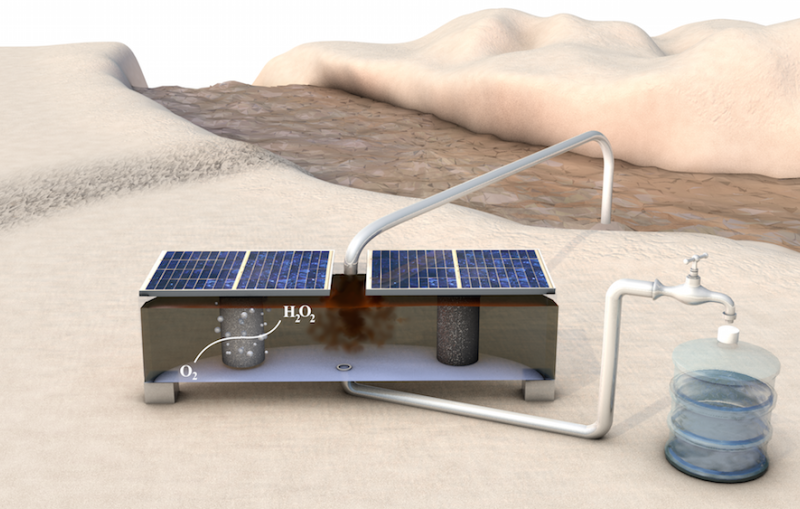
Scientists at SLAC and Stanford have identified active carbon catalysts and developed an electrochemical cell designed to purify water in small villages.
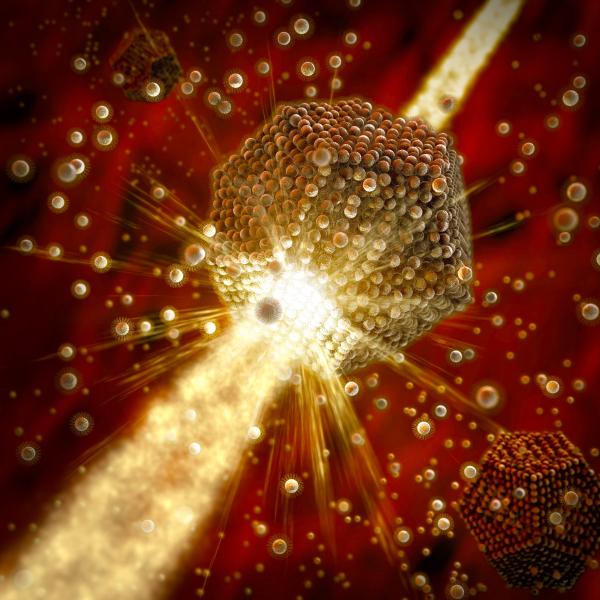
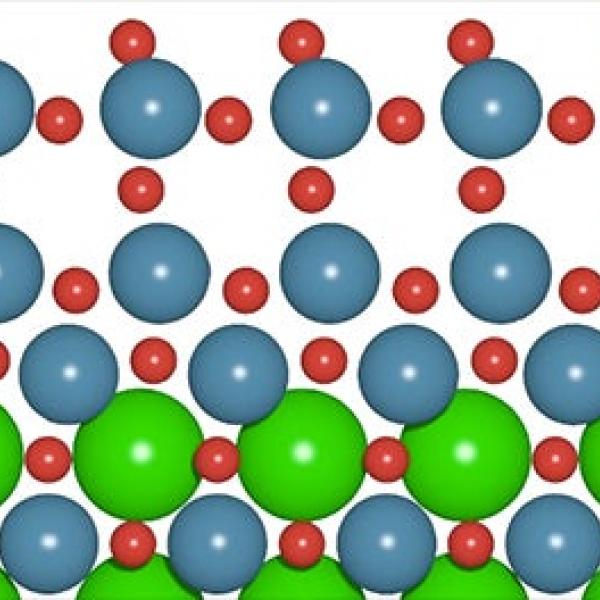
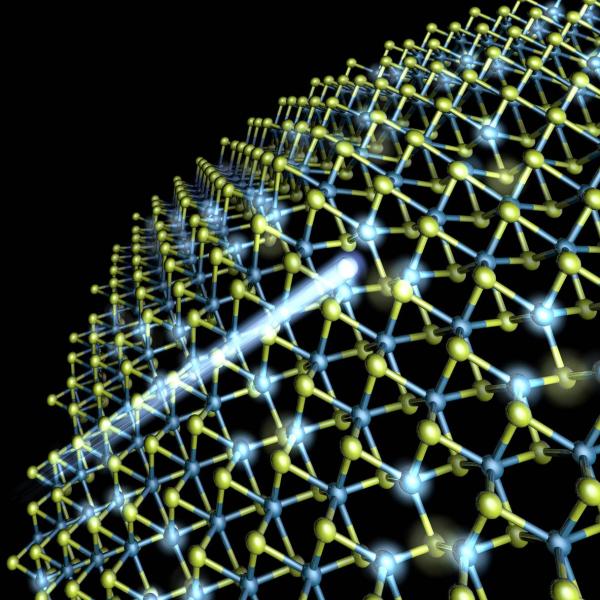
SLAC, Stanford scientists discover that bombarding and stretching a catalyst opens holes on its surface and makes it much more reactive. Potential applications include...
SUNCAT and SIMES researchers have received funding from Stanford's Global Climate and Energy Project to support research related to generating renewable fuels.
SLAC and the SUNCAT Center for Interface Science and Catalysis supported creation of a new carbon material that significantly improves the performance of batteries...
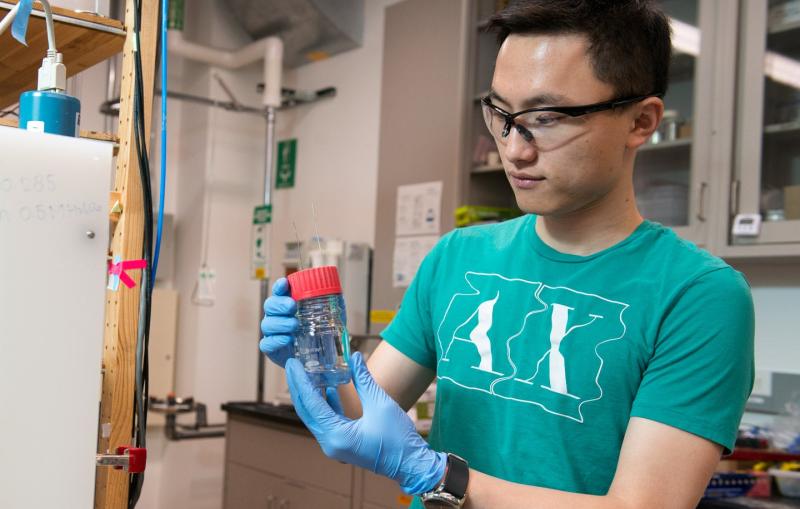
Stanford and SLAC researchers are leading a multi-year effort to produce nitrogen-based fertilizers in a sustainable way, by inventing a solar-powered chemistry technology that can make it right on the farm and apply it directly to crops, drip-irrigation style.
Scientists at SLAC and Stanford have identified active carbon catalysts and developed an electrochemical cell designed to purify water in small villages.
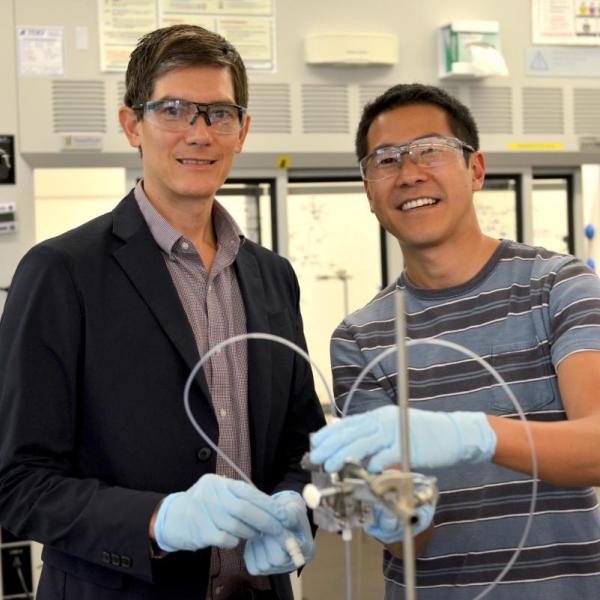
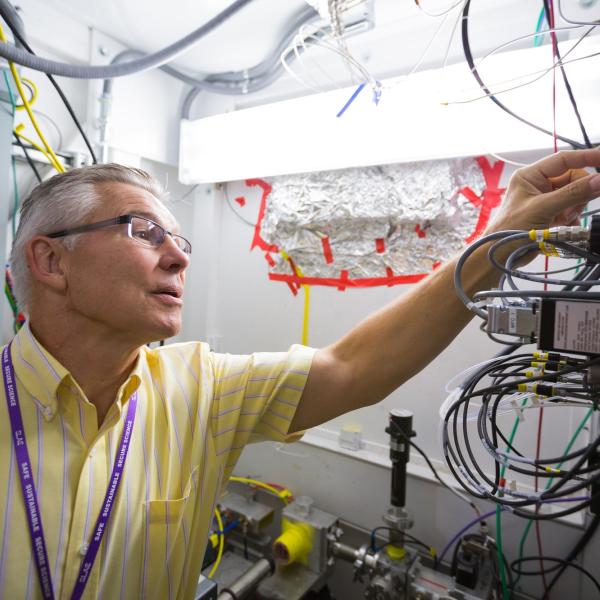
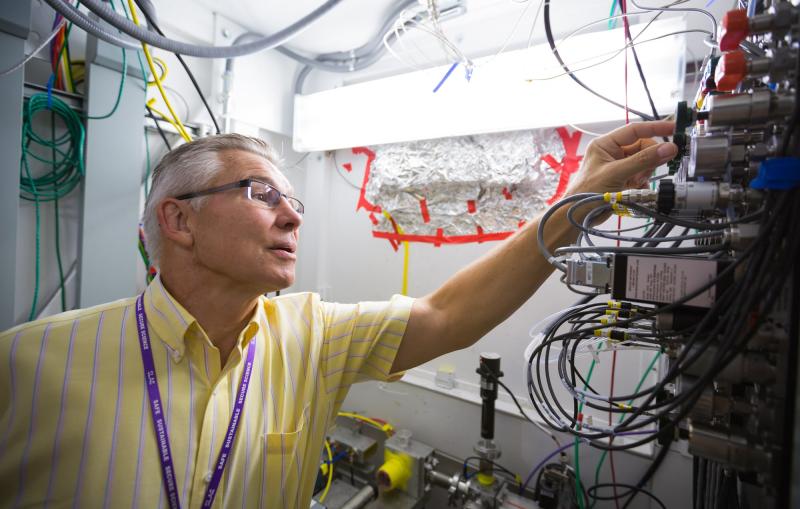
After 30 years in industry, he is leading a new focus at the lab’s SSRL X-ray light source and looking for ways to build on research strengths at SLAC and Stanford.
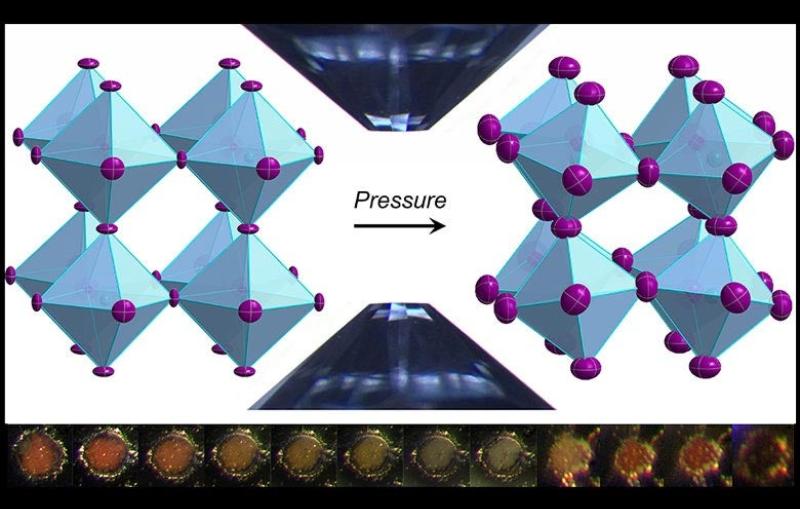
Squeezing a platinum catalyst a fraction of a nanometer nearly doubles its catalytic activity, a finding that could lead to better fuel cells and other clean energy technologies.
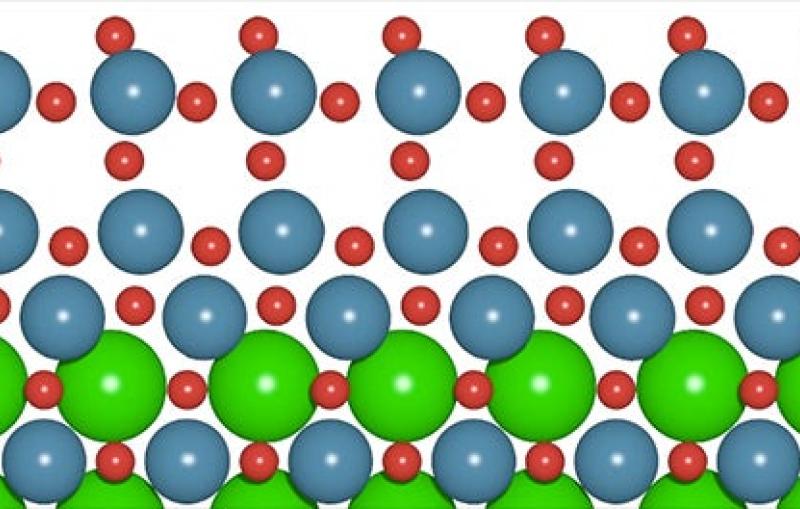
SLAC, Stanford scientists discover that bombarding and stretching a catalyst opens holes on its surface and makes it much more reactive. Potential applications include making hydrogen fuel.
SUNCAT and SIMES researchers have received funding from Stanford's Global Climate and Energy Project to support research related to generating renewable fuels.
SLAC and the SUNCAT Center for Interface Science and Catalysis supported creation of a new carbon material that significantly improves the performance of batteries and supercapacitors.
Scientists have used an X-ray laser at SLAC to get the first glimpse of the transition state where two atoms begin to form a weak bond on the way to becoming a molecule.