SLAC topics

Stanford University RSS feed

See content related to Stanford University here below.

Early morning in the quad, Stanford University
Feature

William Madia, Stanford vice president for SLAC since 2008, plans to retire at the end of September.

Portrait of William Madia
Feature

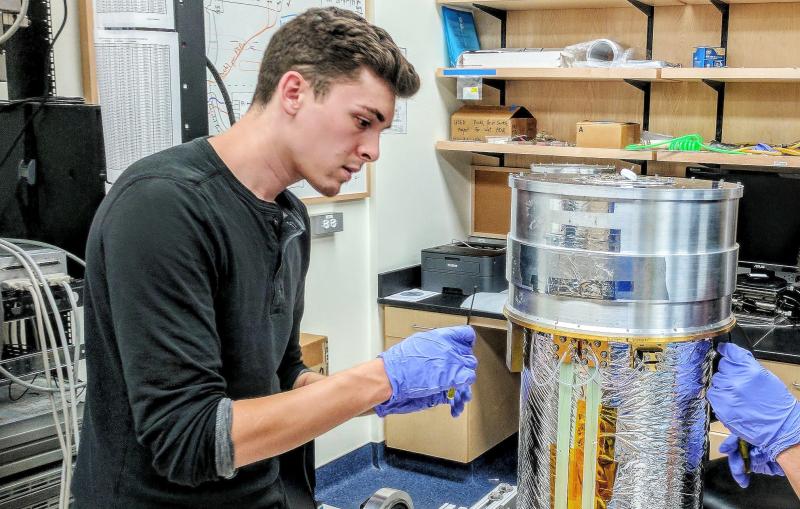
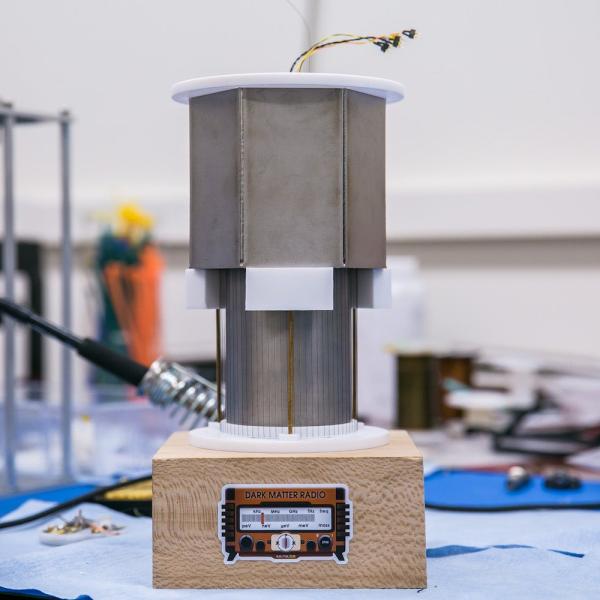
Two projects will look for ways to link individual quantum devices into networks for quantum computing and ultrasensitive detectors.

QIS microantenna
Feature

SLAC/Stanford scientists and their colleagues find a new way to efficiently convert CO2 into the building block for sustainable liquid fuels.

Graves-Bajdich-Machalo
Feature

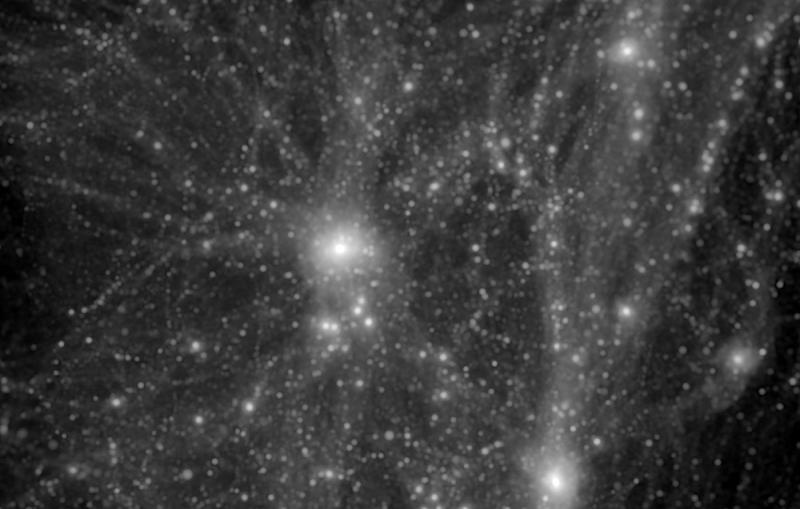
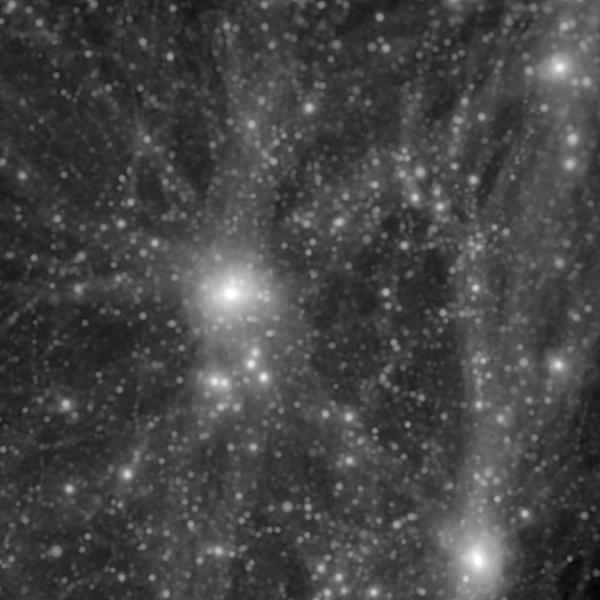
A SLAC/Stanford study of the population of satellite galaxies orbiting the Milky Way provides new clues about the particle nature of dark matter.

Dark matter simulation
Feature

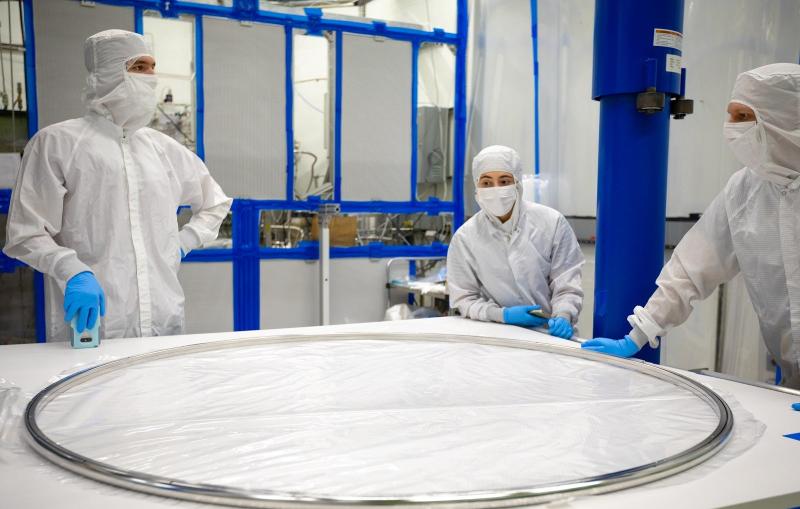
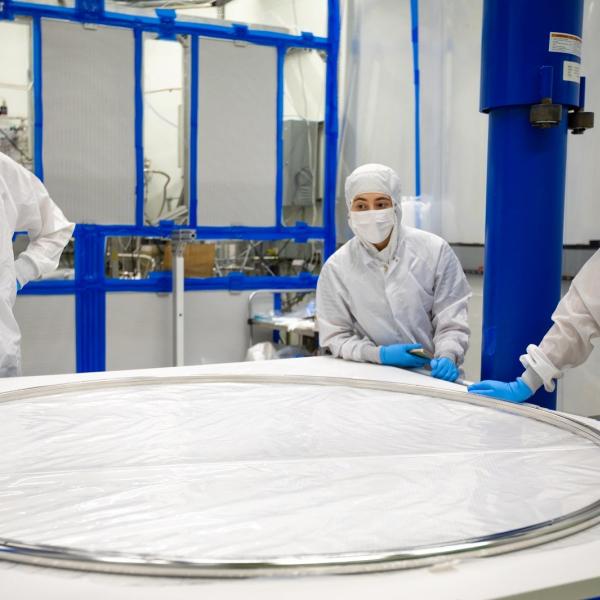
Four large meshes made from 2 miles of metal wire will extract potential signals of dark matter particles.

LZ Grids Weaving
Feature

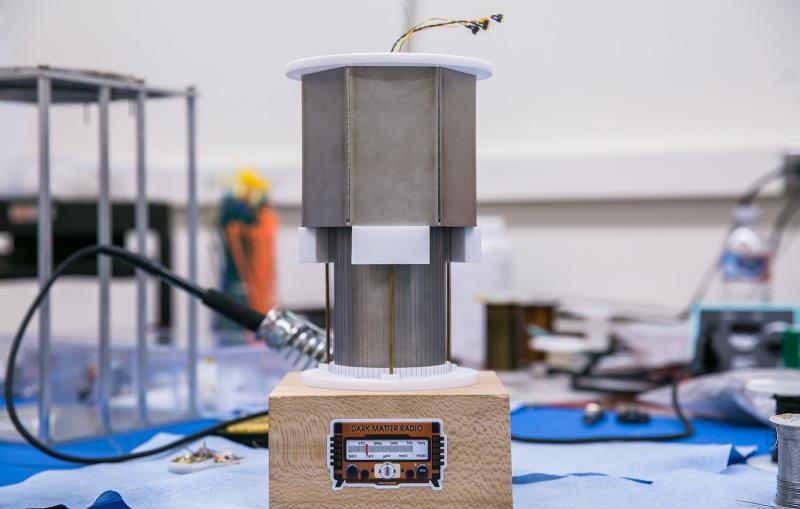
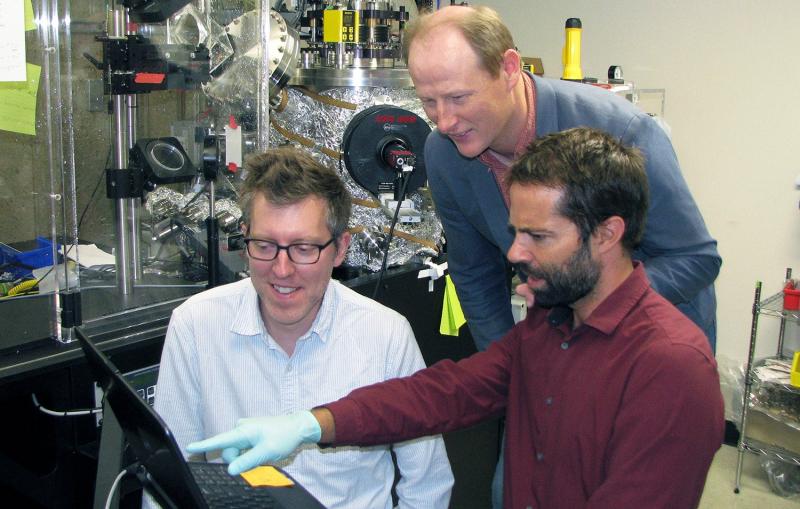
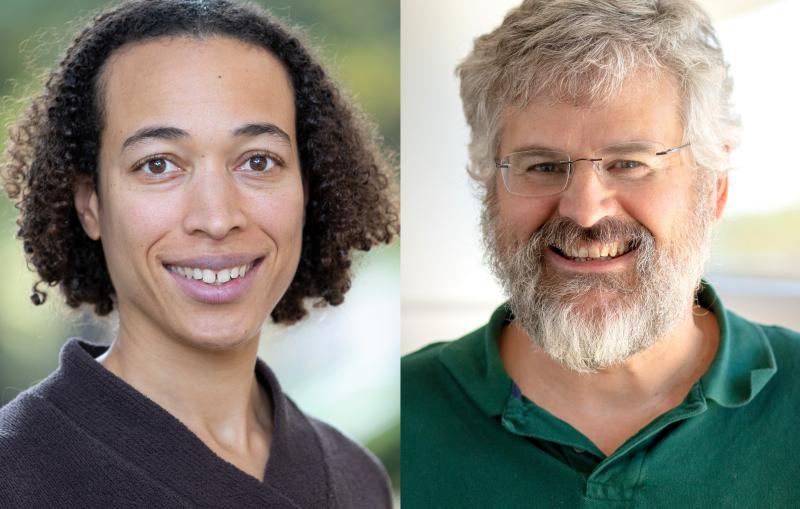
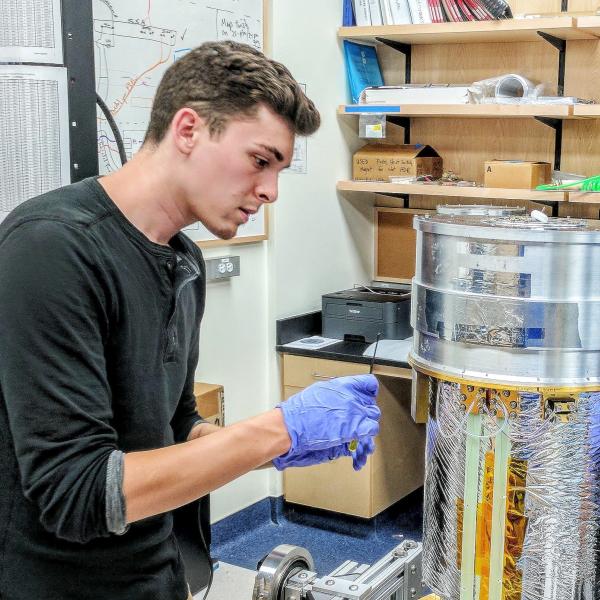
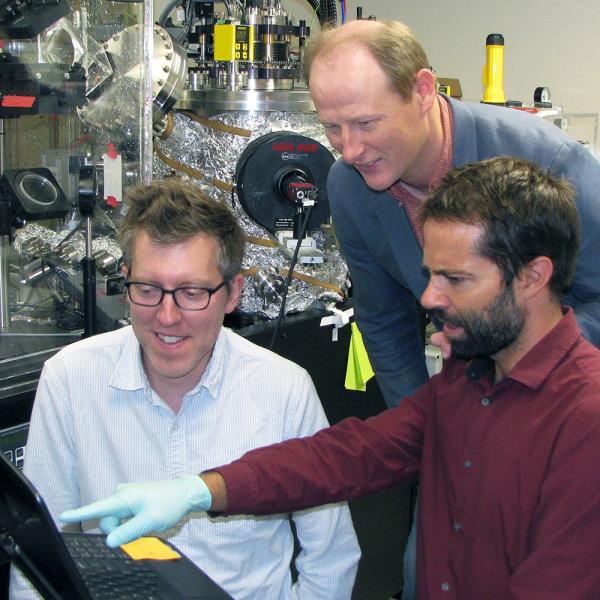
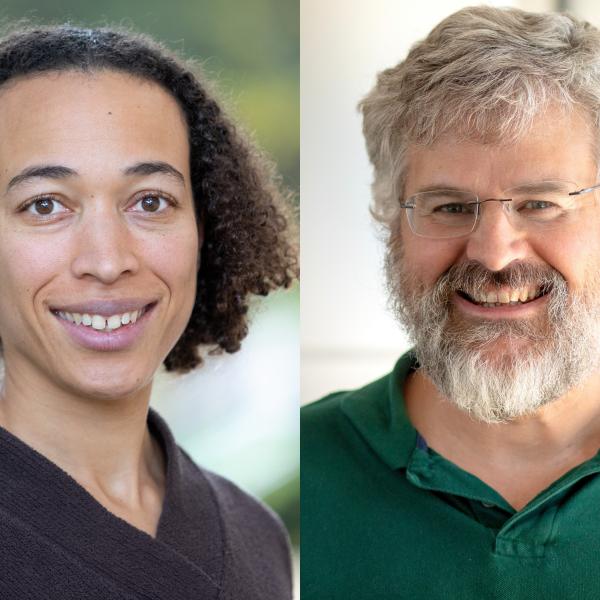
Monika Schleier-Smith and Kent Irwin explain how their projects in quantum information science could help us better understand black holes and dark matter.

QIS-Schleier-Smith-Irwin
News Release

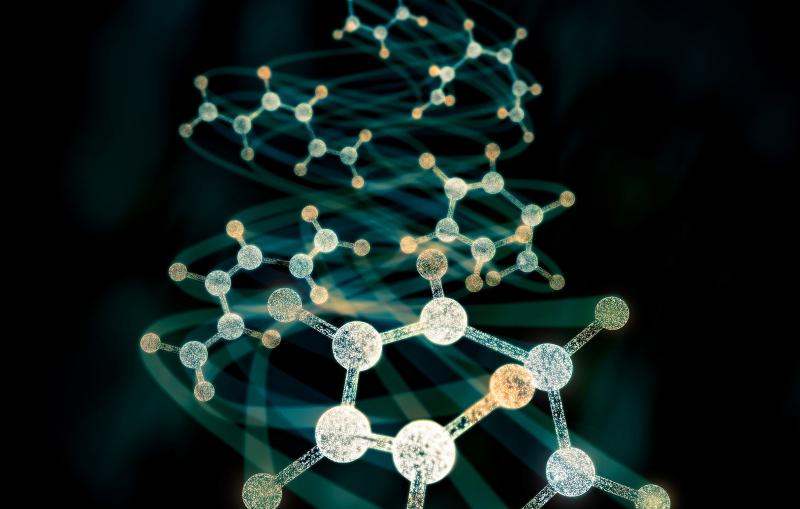
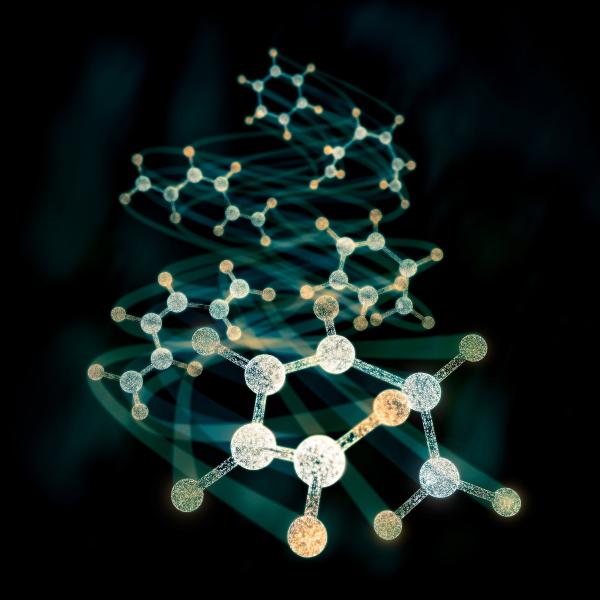
First direct look at how atoms move when a ring-shaped molecule breaks apart could boost our understanding of fundamental processes of life.

Molecular Movie in HD Art
Feature

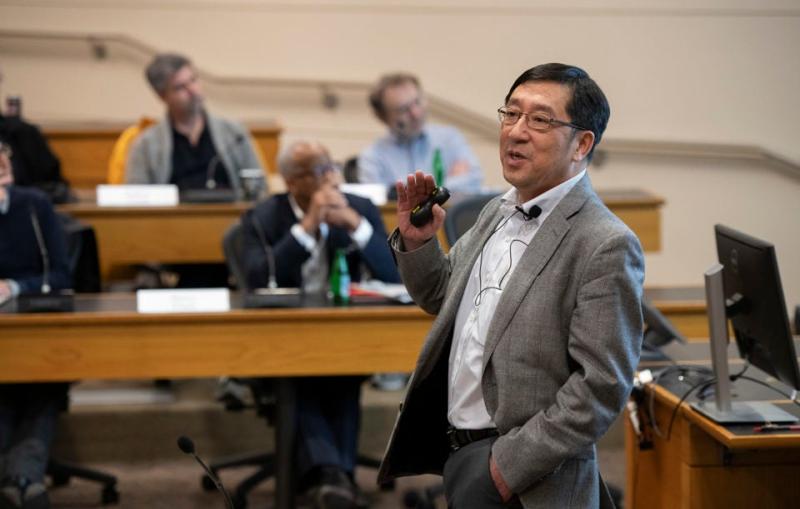
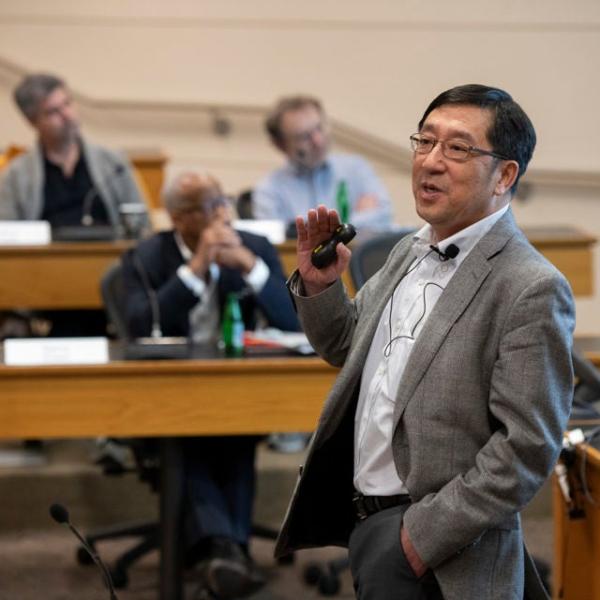
SLAC Director Chi-Chang Kao spoke to the Stanford University Faculty Senate at its Feb. 21 meeting.

Chi-Chang Kao at Stanford Faculty Senate meeting
Feature

“The Worlds Within” and “Fabrication of the Accelerator Structure,” now available digitally in high fidelity, tell the story of Stanford Linear Accelerator Center’s inception...

see description
Feature

Ultrafast manipulation of material properties with light could stimulate the development of novel electronics, including quantum computers.

Topological Switch Lead Art
Feature

The SIMES researcher was a rare theorist who concerned himself with the implications of his abstract ideas about new quantum states of matter on...

Shoucheng Zhang
News Release

SLAC and Stanford researchers secure support for two projects that share one goal: to reduce the side effects of radiation therapy by vastly shrinking...

Researchers at SLAC and Stanford are developing new accelerator-based technology that aims to speed up cancer radiation therapy.