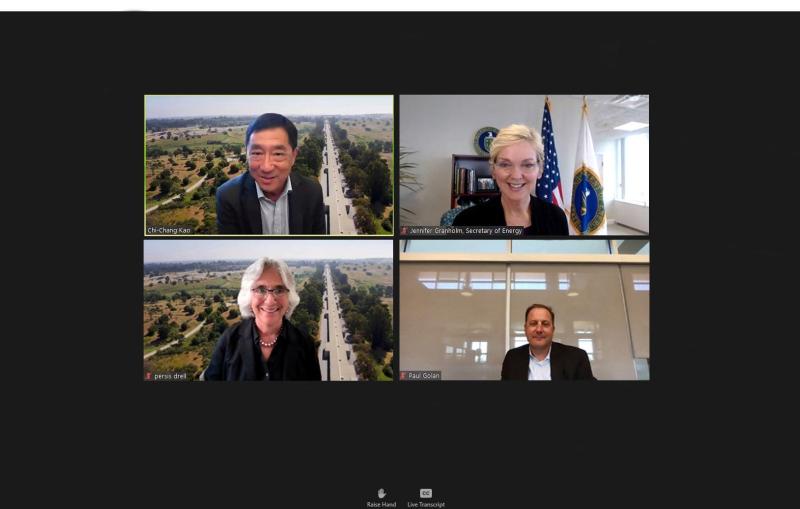
She toured the lab’s powerful X-ray laser, looked at the construction of the world’s largest digital camera, and discussed climate research, industries of the...
Q-NEXT will tackle next-generation quantum science challenges through a public-private partnership, ensuring U.S. leadership in an economically crucial arena.
Blandford’s major contributions range from energetic jets ripping forth from colossal black holes to cosmic “magnifying” glasses to gravitational waves.
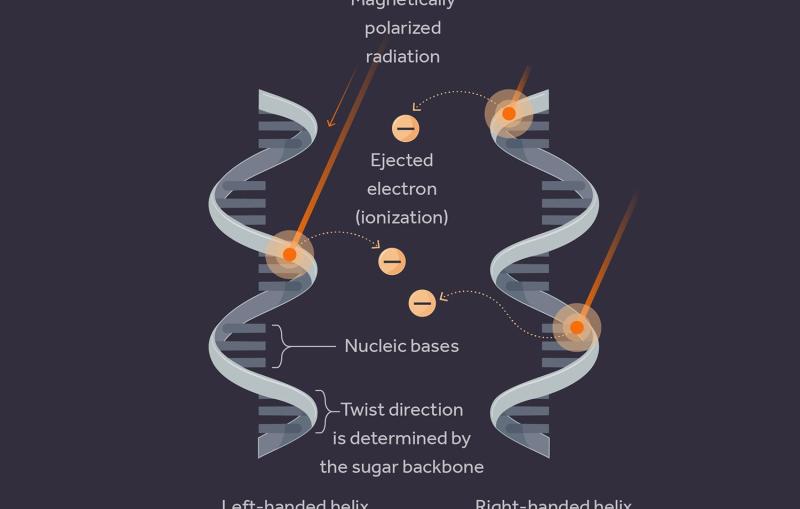
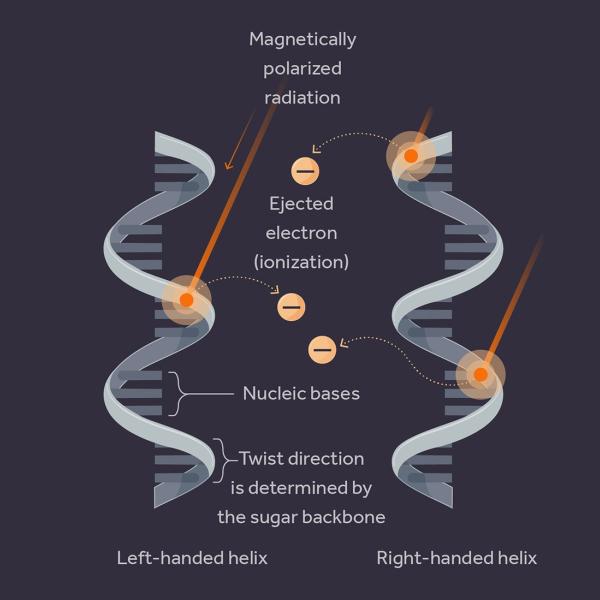
Physicists at SLAC and Stanford propose that the influence of cosmic rays on early life may explain nature’s preference for a uniform “handedness” among...
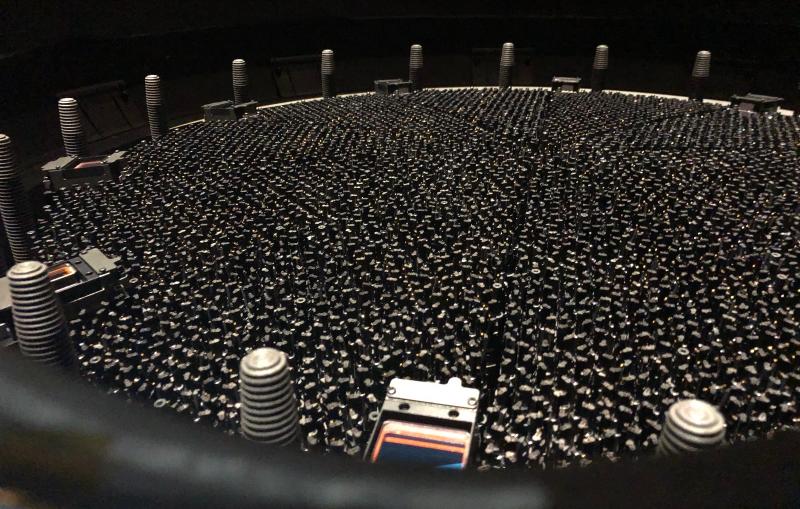
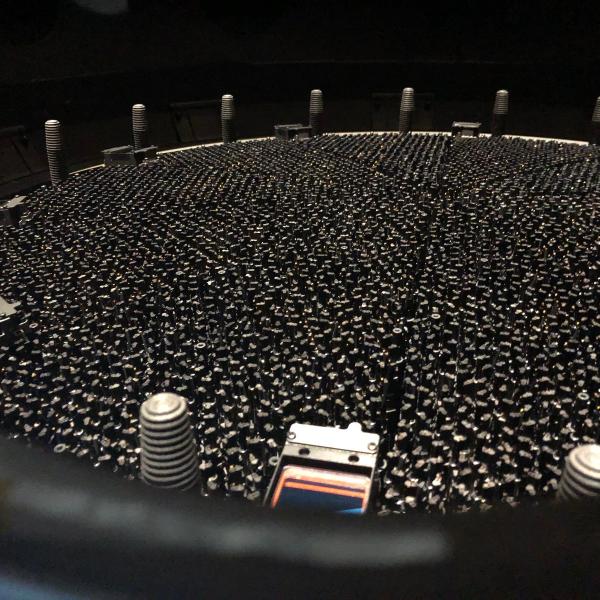
The Dark Energy Spectroscopic Instrument begins final testing, setting the stage for a 5-year survey that will analyze the light of 35 million galaxies.
She toured the lab’s powerful X-ray laser, looked at the construction of the world’s largest digital camera, and discussed climate research, industries of the future, and diversity, equity and inclusion in the sciences.
Q-NEXT will tackle next-generation quantum science challenges through a public-private partnership, ensuring U.S. leadership in an economically crucial arena.
Blandford’s major contributions range from energetic jets ripping forth from colossal black holes to cosmic “magnifying” glasses to gravitational waves.
Physicists at SLAC and Stanford propose that the influence of cosmic rays on early life may explain nature’s preference for a uniform “handedness” among biology’s critical molecules.
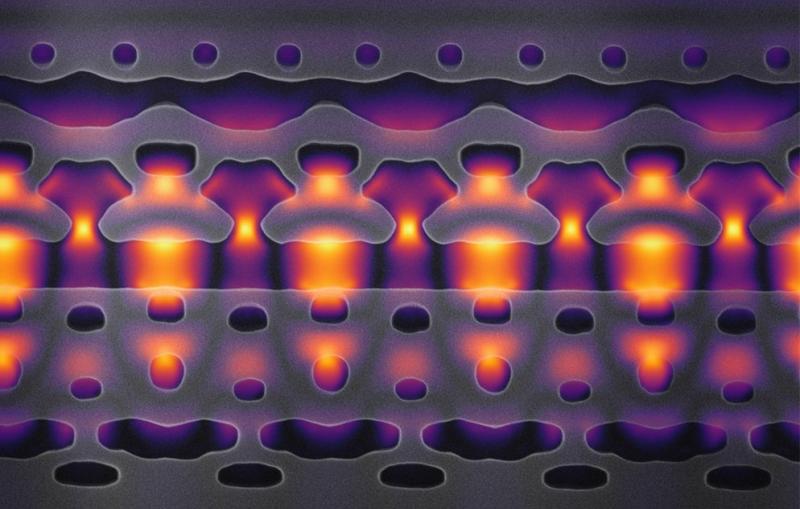
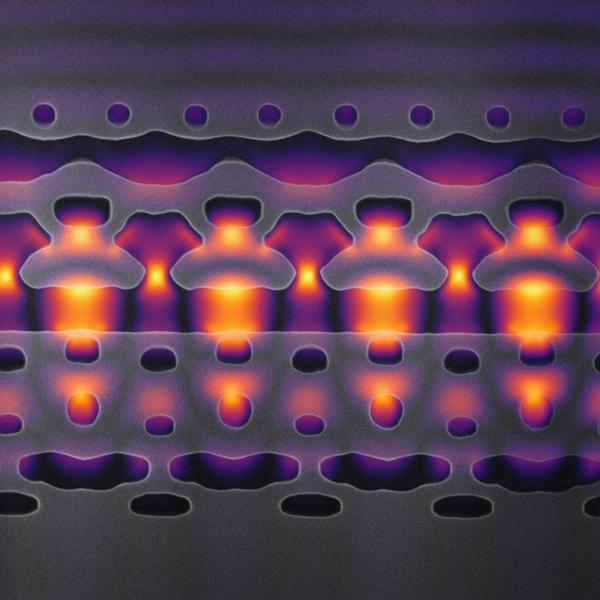
Just as engineers once compressed some of the power of room-sized mainframes into desktop PCs, so too have the researchers shown how to pack some of the punch delivered by today’s ginormous particle accelerators onto a tiny silicon chip.
The Dark Energy Spectroscopic Instrument begins final testing, setting the stage for a 5-year survey that will analyze the light of 35 million galaxies.
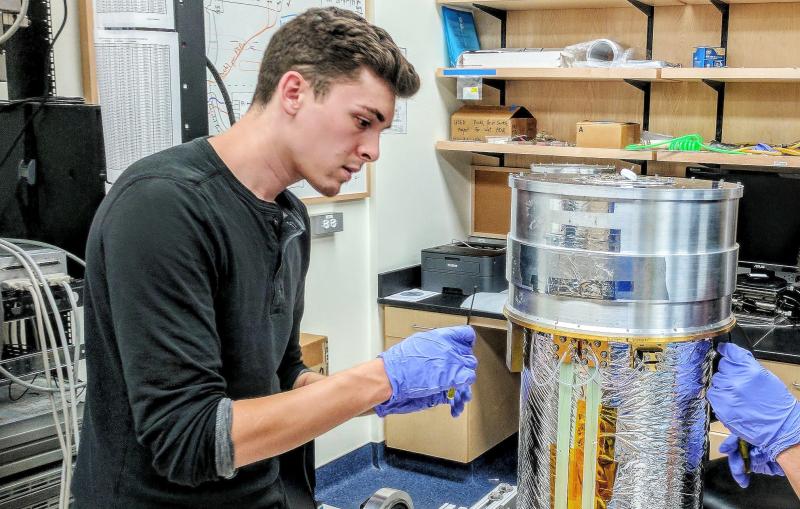
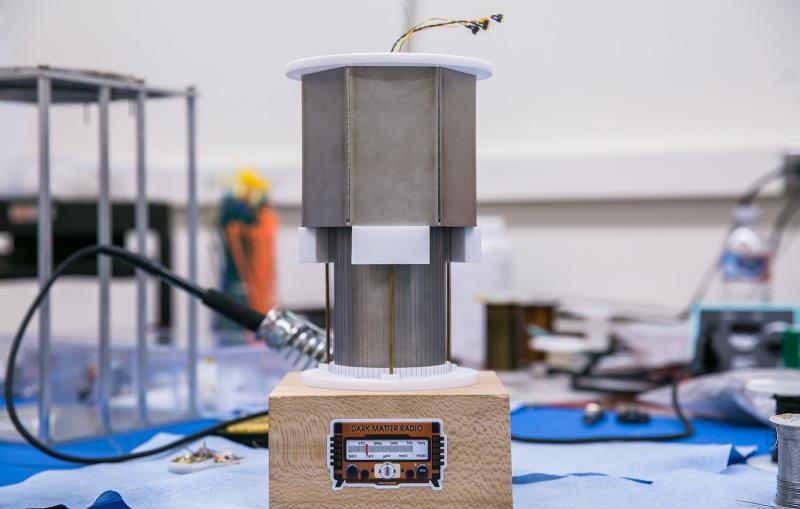
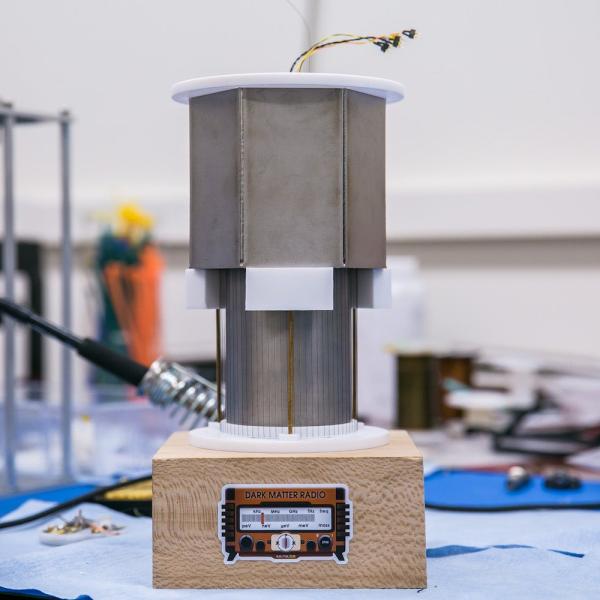
An “out there” theory inspired the development of the Dark Matter Radio, a device that could explain the mysterious matter that makes up 85 percent of the mass of our universe.