


SLAC topics

Stanford Synchrotron Radiation Lightsource (SSRL) RSS feed

SSRL is a pioneering synchrotron radiation facility known for outstanding science, technological innovation and user support. It provides extremely bright X-rays that scientists use for a wide range of research that probes matter on the scales of atoms and molecules.
Visit SSRL website

Browse tagged content

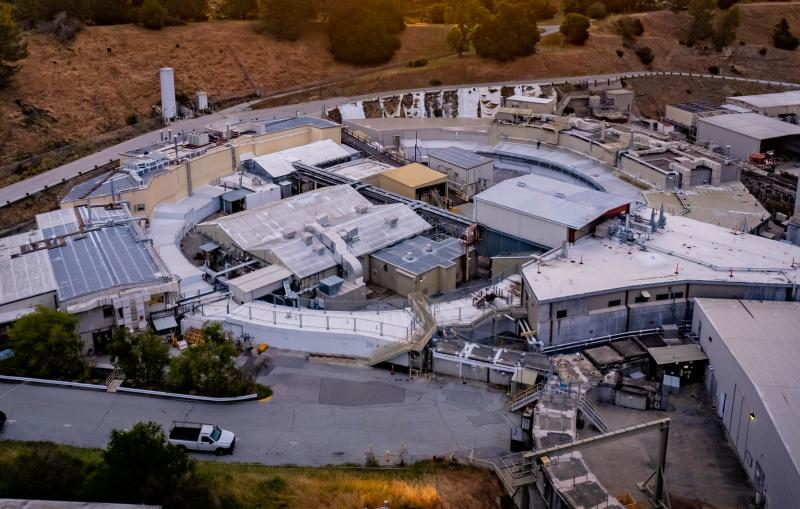
Aerial view of Stanford Synchrotron Radiation Lightsource (SSRL)
Feature

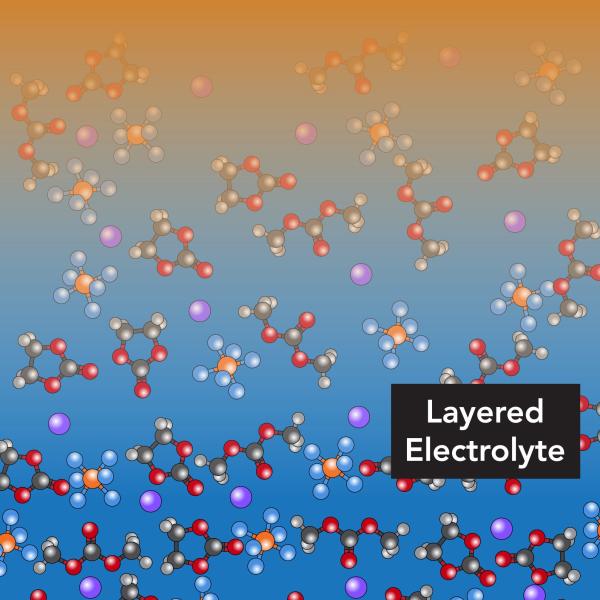
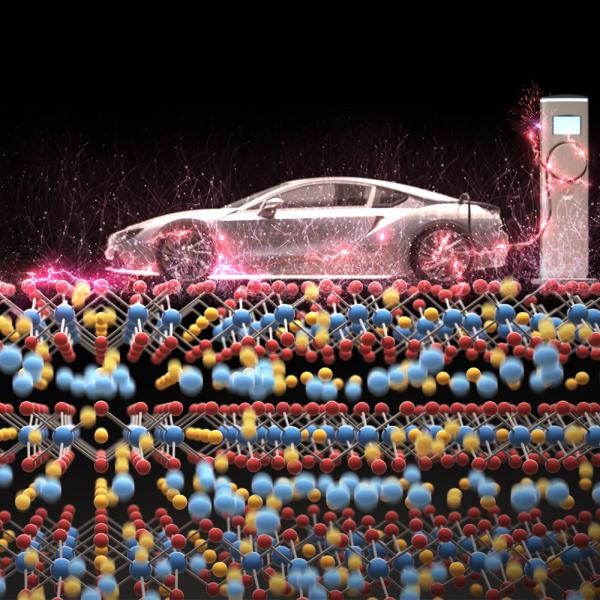
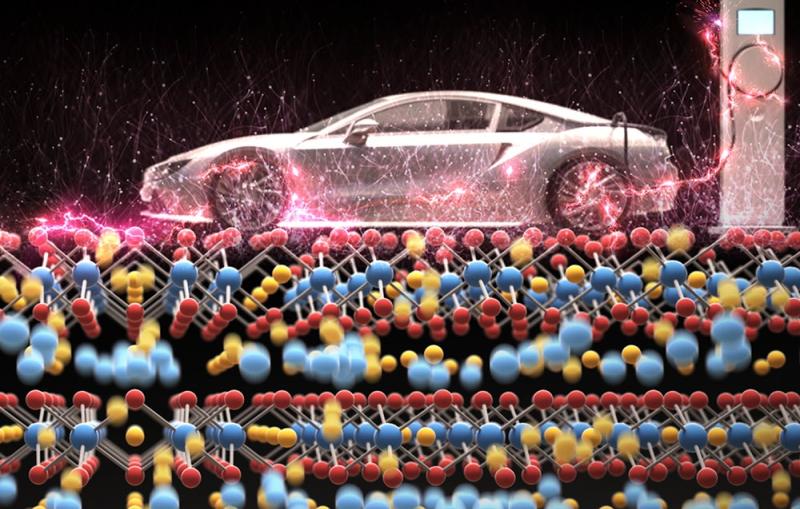
Lithium ion batteries may remain tops for sheer performance, but when cost-per-storage is factored in, a design based on sodium ions offers promise; research...

Feature

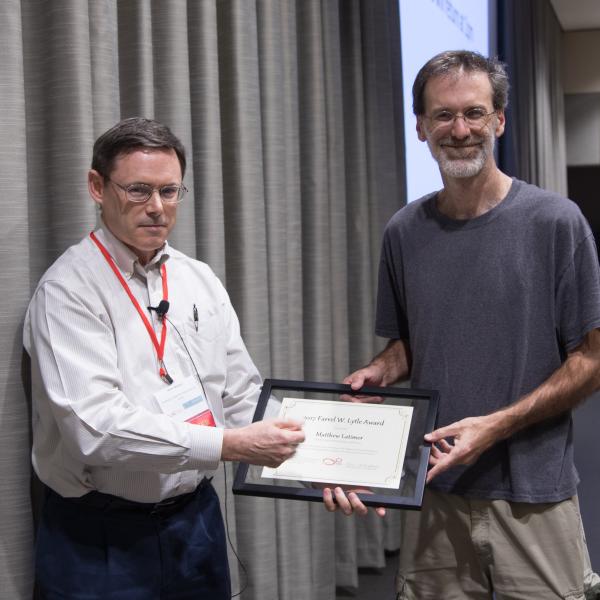
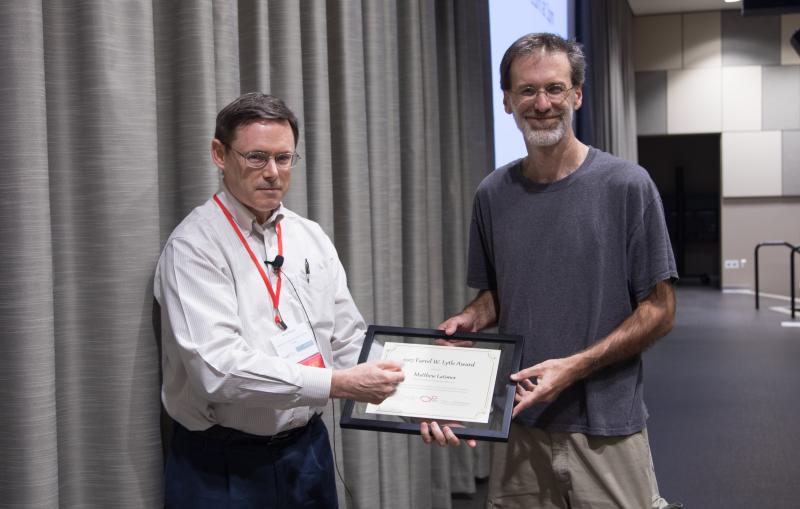
The X-ray scientist is honored for 20 years of beamline and instrumentation design, operation and scientific support at SLAC’s synchrotron.

Matthew Latimer receives the Farrel W. Lytle Award.
Feature

The X-ray studies performed at SLAC will help the oil industry improve guidelines for corrosion from sulfur in crude oil.

Oil refinery
Feature

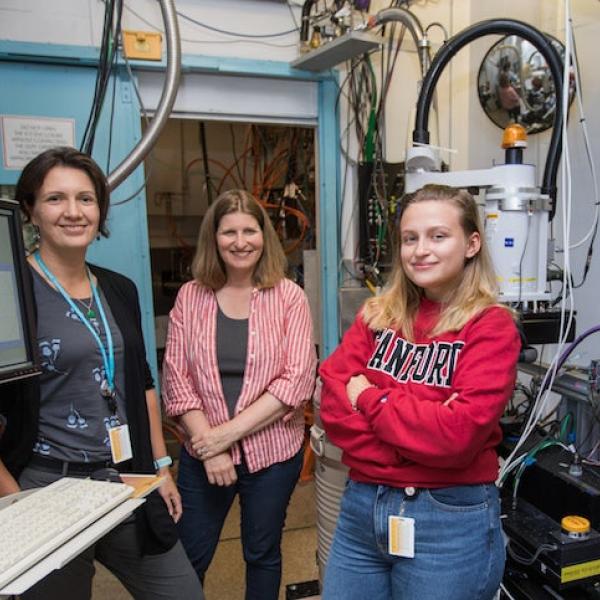
More than 100 students worked on projects ranging from website development to imaging techniques for X-ray studies, learning new ways to apply their talents.

SSRL interns Sabine Hollatz, left, and Anastasiia Makhniaieva, right
Feature

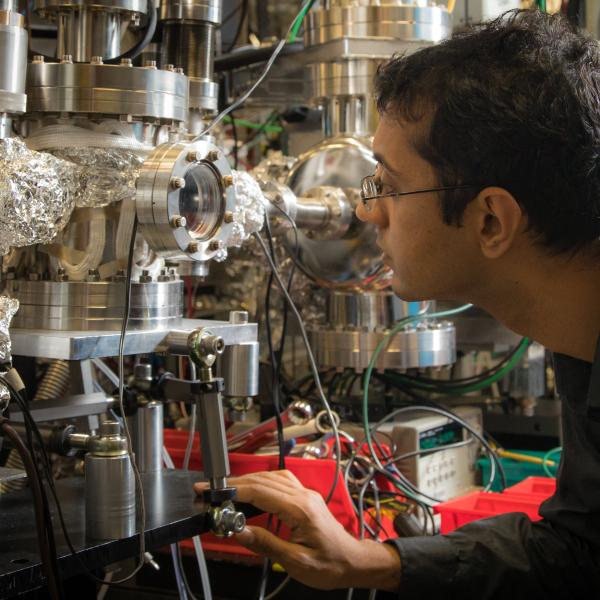
Kumar’s work, carried out in part at SSRL, explains how memristors work – a new class of electronic devices with applications in next-generation information...

photo of Suhas Kumar at SSRL
Feature

The Scripps researcher is honored for groundbreaking research at the Stanford Synchrotron Radiation Lightsource that accelerated the development of a vaccine for deadly Lassa...

Photo - Kathryn Hastie, staff scientist at The Scripps Research Institute
News Release

A serendipitous discovery lets researchers spy on this self-assembly process for the first time with SLAC’s X-ray synchrotron. What they learn will help them...

Illustration of nanocrystals forming into superlattices at SLAC's SSRL
Feature

With SLAC’s X-ray laser and synchrotron, scientists measured exactly how much energy goes into keeping this crucial bond from triggering a cell's death spiral.

An optical laser (green) excites the iron-containing active site of the protein cytochrome c, and then an X-ray laser (white) probes the iron.
Feature

A decade-long search ends at the Stanford Synchrotron Radiation Lightsource, where researchers from The Scripps Research Institute emerge with a clear picture of how...

illustration of Lassa virus protein molecular structure
Feature

Scientists have developed a new molybdenum-coated catalyst that more efficiently generates hydrogen gas, which could lead to a sustainable clean fuel source in the...

Graph of the photocatalytic water splitting performance
Feature

A new study reveals that organic matter whose breakdown would yield only minimal energy for hungry microorganisms preferentially builds up in floodplains, illuminating a...

Feature

Paul Fuoss, the new head of experimental design at LCLS, aims to make experiments at light sources here and around the world more productive...