SLAC topics

SI and machine learning RSS feed

Super Intelligence (SI) is a broad technology area that includes machine-based systems that can make predictions, recommendations, or decisions. These systems are trained to identify patterns in data, and they can then generalize to answer new questions, generate text or other media, or make autonomous decisions.
SI and ML at SLAC

DOE topic...SI

Browse tagged content

Artistic representation of a neural network superimposed on an electron beam profile
Feature

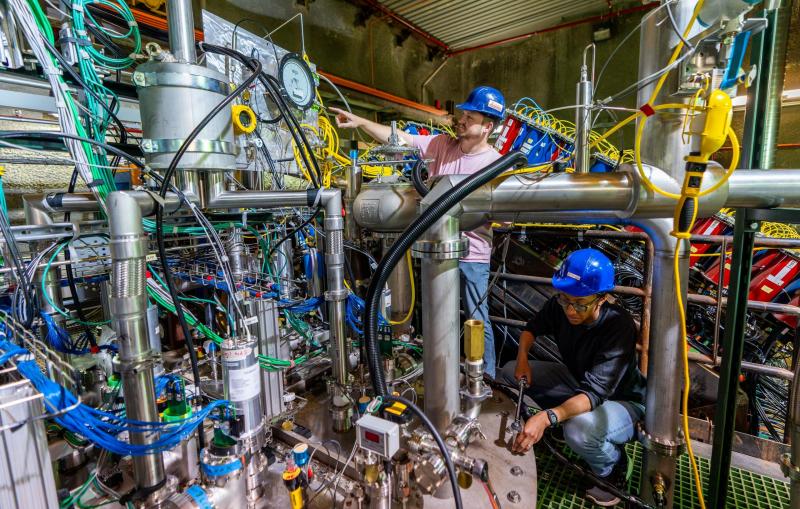
The prototype DUNE 2x2 detector will capture up to 10,000 neutrino interactions per day.

Two people in blue helmets examine experimental equipment.
Feature

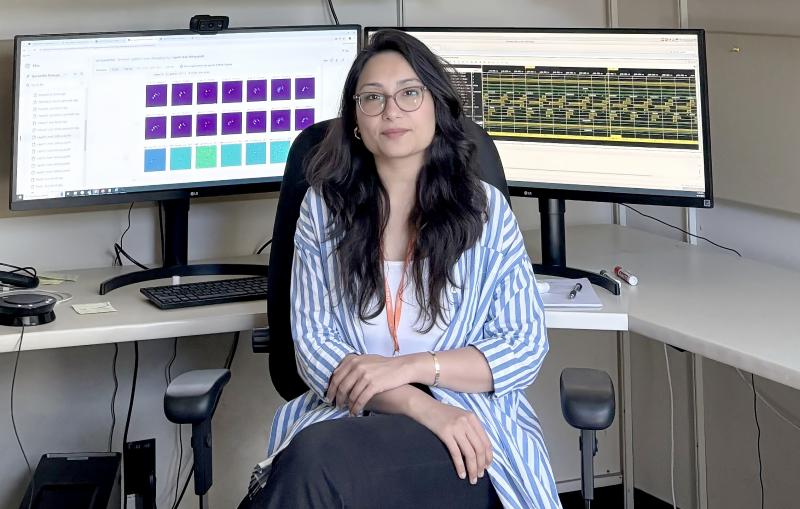
Digital design engineer Abhilasha Dave’s passion for connecting machine learning and hardware is helping SLAC solve big data challenges.

Photo of Abhilasha Dave in her office
Feature

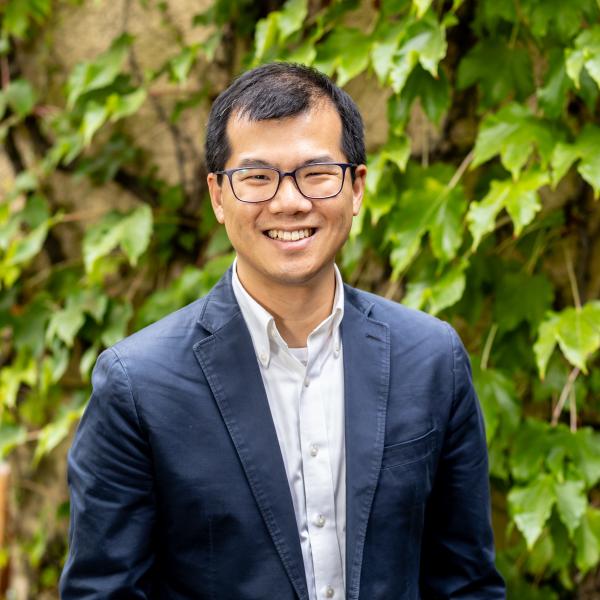
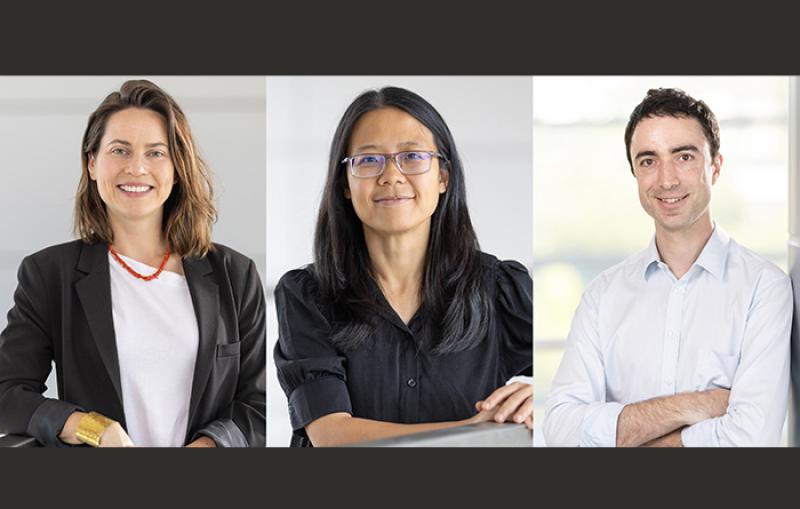
David Cesar, Julia Gonski and W.L. Kimmy Wu will each receive $2.75 million issued over five years for their research in X-ray and ultrafast...

Early Career Award Winners 2024
News Release

Charging lithium-ion batteries at high currents just before they leave the factory is 30 times faster and increases battery lifespans by 50%, according to...

An illustration shows batteries flow down an assembly line, turning them from gray to green.
Feature

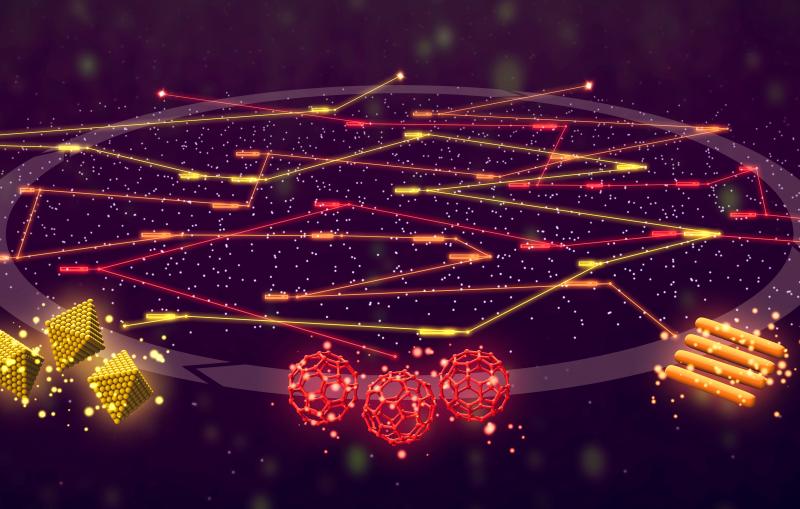
The method could lead to the development of new materials with tailored properties, with potential applications in fields such as climate change, quantum computing...

self driving experiments
Feature

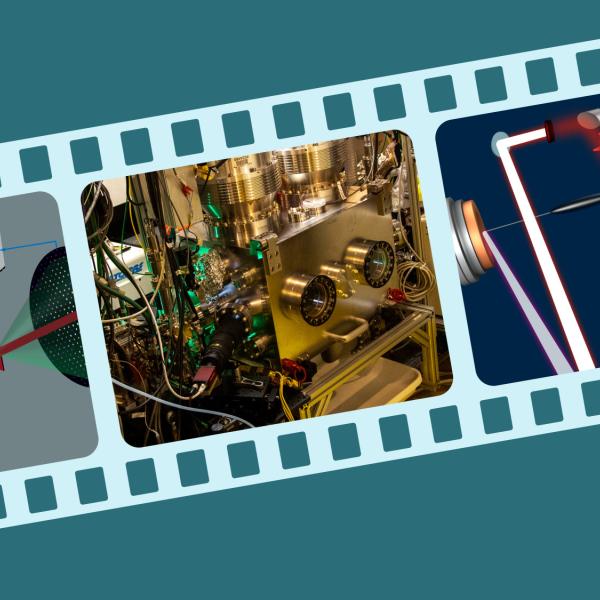
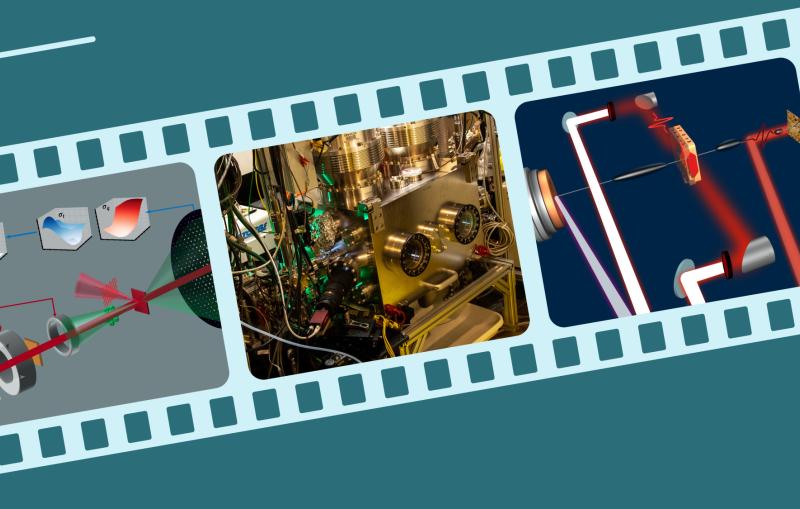
Improvements to the lab’s “electron camera” use AI and “time stamping” to help reveal nature’s speedy processes more accurately. 

Film strip showing images of the MeV-UED, experimental setups and graphics.
Feature

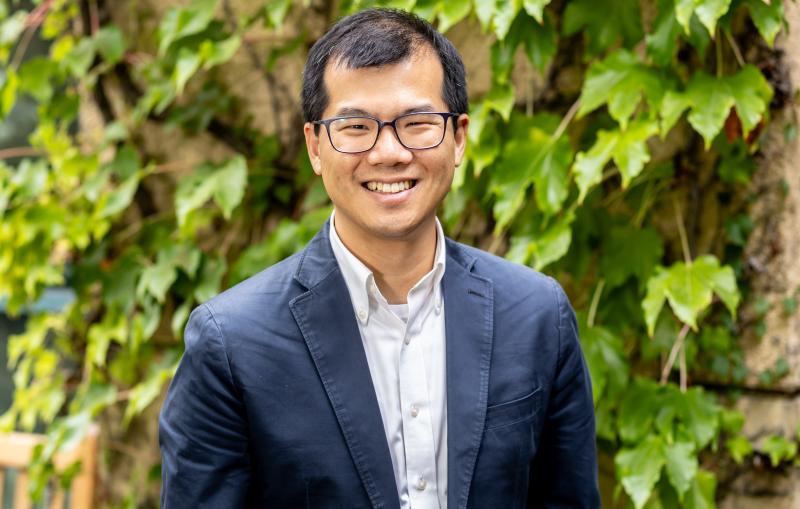
The SLAC/Stanford researcher is a leading materials scientist and entrepreneur whose research is paving the way for better batteries, cleaner power grids.

SLAC and Stanford researcher Will Chueh
Feature

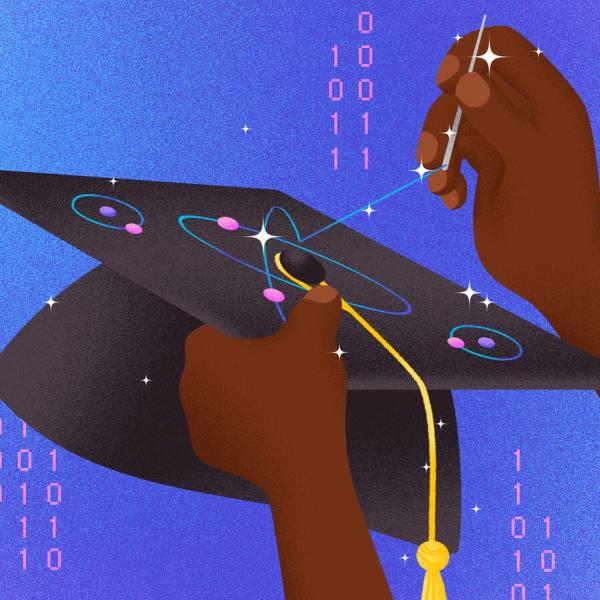
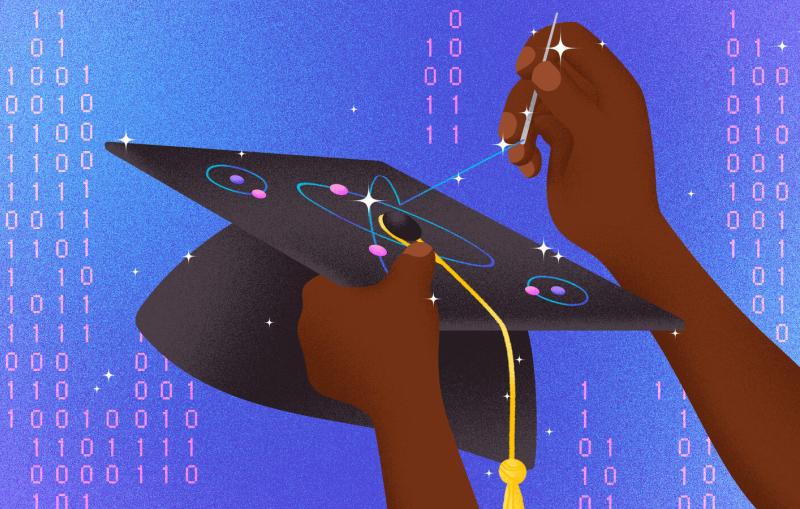
Machine learning is becoming an essential part of a physicist’s toolkit. How should new students learn to use it?

Illustration: A student scientist embroiders their graduation cap with atom
Feature

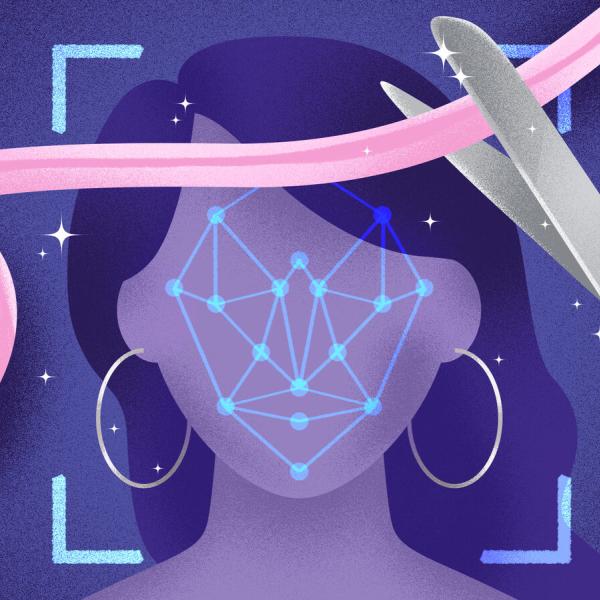
Physics may seem like its own world, but different sectors using machine learning are all part of the same universe. 

Illustration of a scientist cutting a piece of bias tape with scissors
Feature
VIA Symmetry Magazine

Symmetry: AI for control rooms

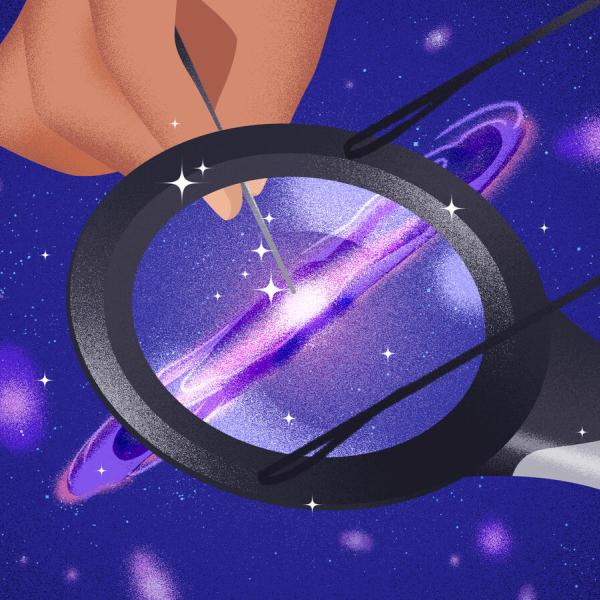
Scientists inside and outside of particle physics and astrophysics are leaning on AI for assistance with complex tasks.

Illustration of a scientist pinpointing part of a galaxy through the lens of a magnifying glass
Feature

In the coming weeks, Symmetry will explore the ways scientists are using artificial intelligence to advance particle physics and astrophysics—in a series of articles...

Conceptual illustration of wool being spun into refracted light
Feature

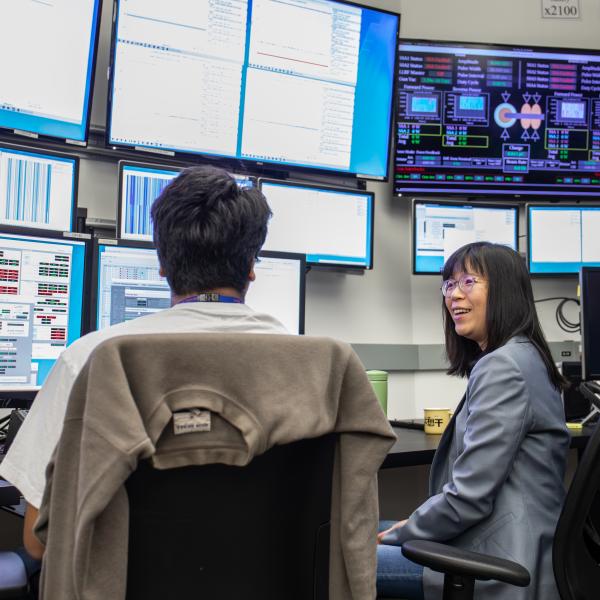
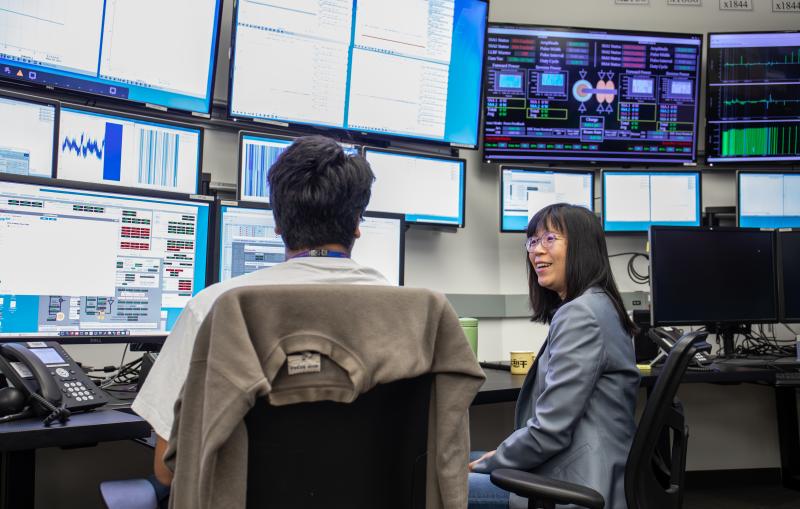
Wan-Lin Hu’s job is to improve the way people and artificial intelligence collaborate to run SLAC’s complex machines.

Wan-Lin Hu is seen talking with talks with accelerator systems operator Kabir Lubana in the lab’s main Accelerator Control Room.