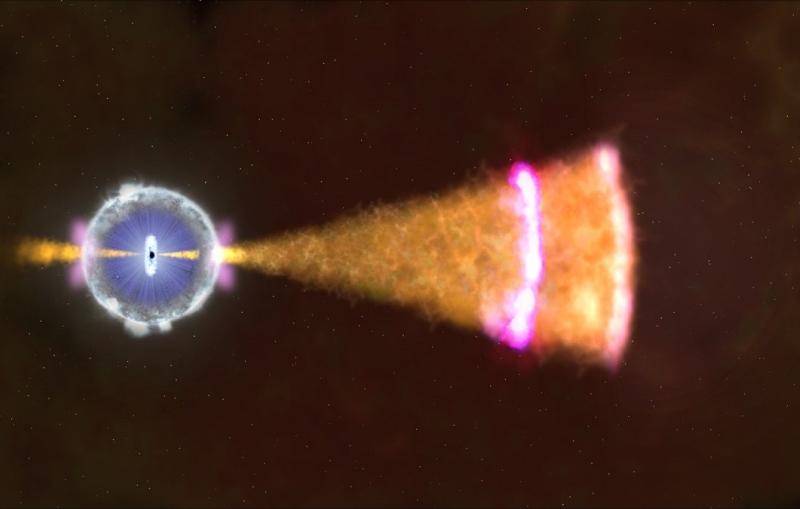
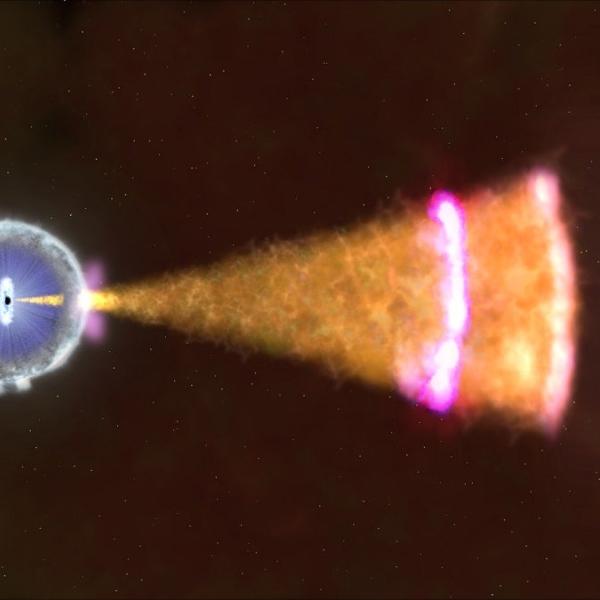
SLAC and Stanford physicists played a key role in monitoring and analyzing the brightest gamma ray burst ever measured, and suggest that its never-before-seen...
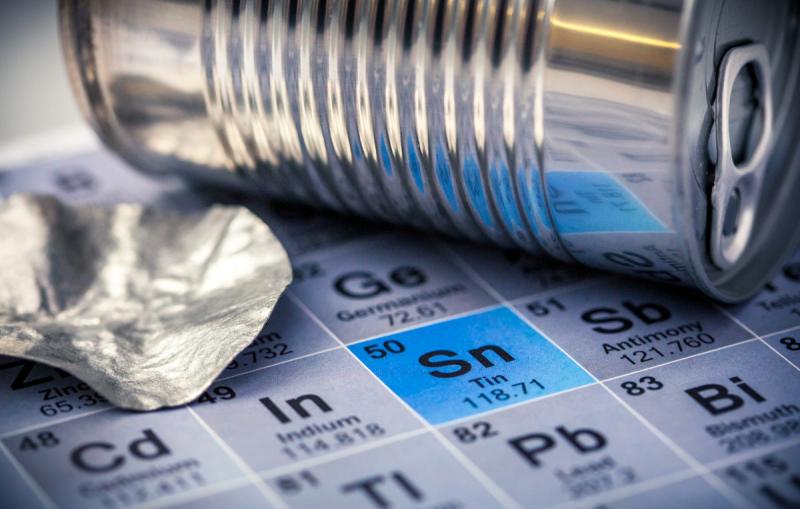
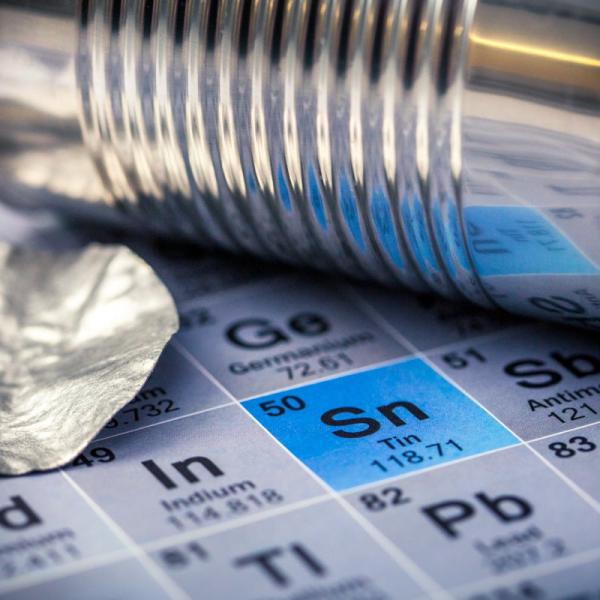
A single layer of tin atoms could be the world’s first material to conduct electricity with 100 percent efficiency at the temperatures that computer...
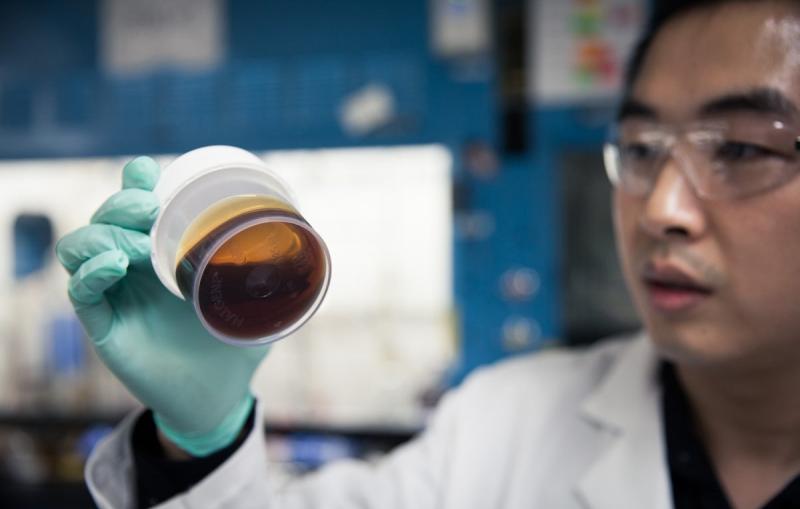
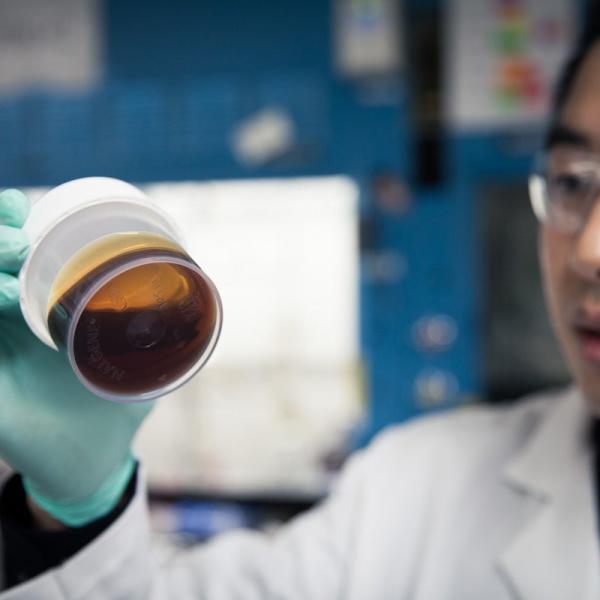
Researchers have made the first battery electrode that heals itself, opening a new and potentially commercially viable path for making the next generation of...
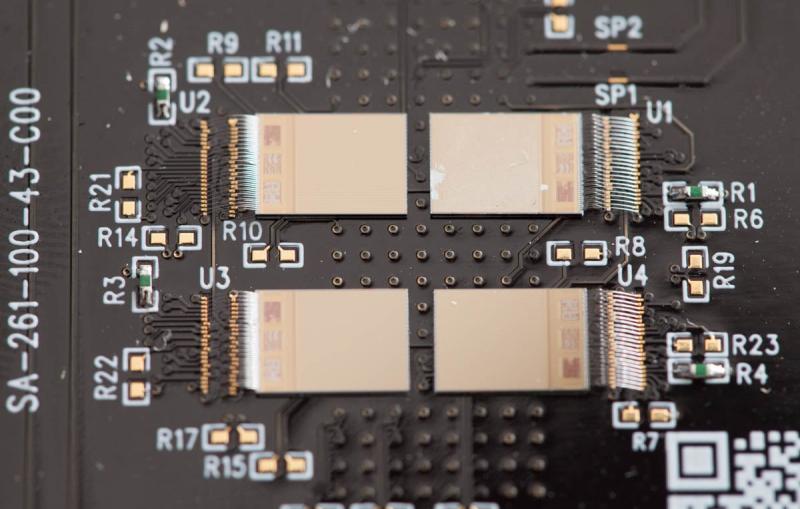
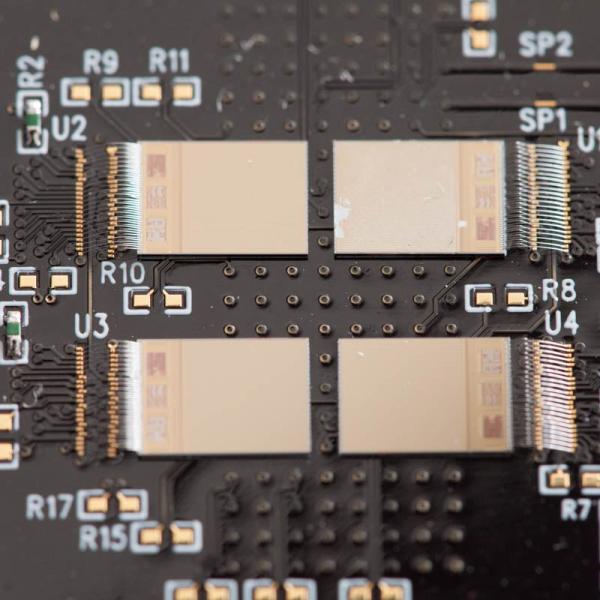
Scientists in SLAC's Integrated Circuits Department reach a new frontier in ultrafast X-ray science with intricately designed signal-processing chips that translate particles of light...
Scientists working at SLAC, Stanford, Oxford, Berkeley Lab and in Tokyo have discovered a new type of quantum material whose lopsided behavior may lend...
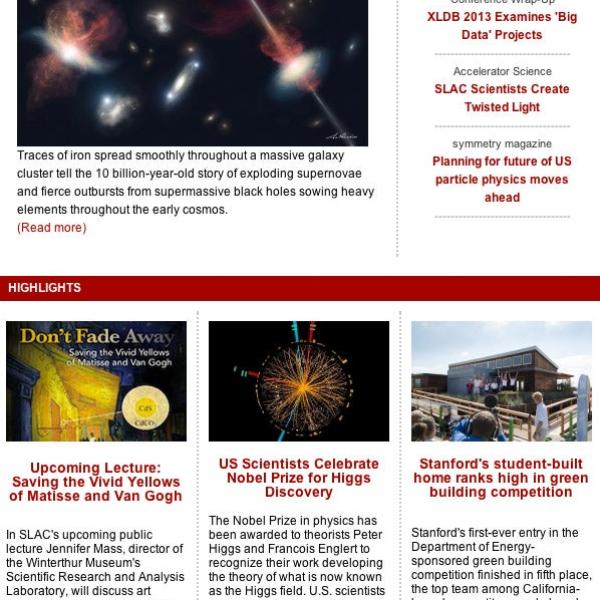
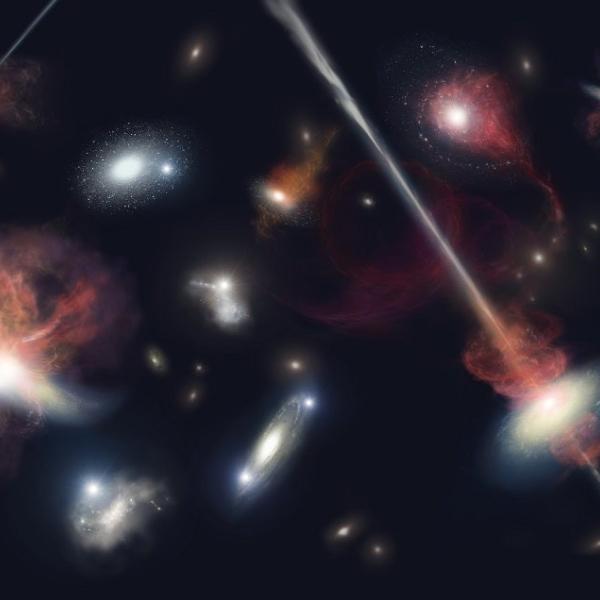
Traces of iron spread smoothly throughout a massive galaxy cluster tell the 10 billion-year-old story of exploding supernovae and fierce outbursts from supermassive black...
Scientists used the powerful X-ray laser at the U.S. Department of Energy's SLAC National Accelerator Laboratory to create movies detailing trillionths-of-a-second changes in the...
Working with a metal oxide that shows promise for future generations of electronic devices, IBM and SLAC scientists have shown they can precisely control...
SLAC particle theorist Lance Dixon has been named co-winner of the 2014 J.J. Sakurai Prize for Theoretical Particle Physics, awarded each year by the...
SLAC and Stanford physicists played a key role in monitoring and analyzing the brightest gamma ray burst ever measured, and suggest that its never-before-seen features could call for a rewrite of current theories.
A single layer of tin atoms could be the world’s first material to conduct electricity with 100 percent efficiency at the temperatures that computer chips operate.
Researchers have made the first battery electrode that heals itself, opening a new and potentially commercially viable path for making the next generation of lithium ion batteries for electric cars, cell phones and other devices. National
Scientists in SLAC's Integrated Circuits Department reach a new frontier in ultrafast X-ray science with intricately designed signal-processing chips that translate particles of light into bits of data.
Every day at SLAC, scientists from all over the world focus their minds – and some of the most advanced scientific technologies – on the biggest challenges of our day. We’re excited to introduce new ways for you to keep...
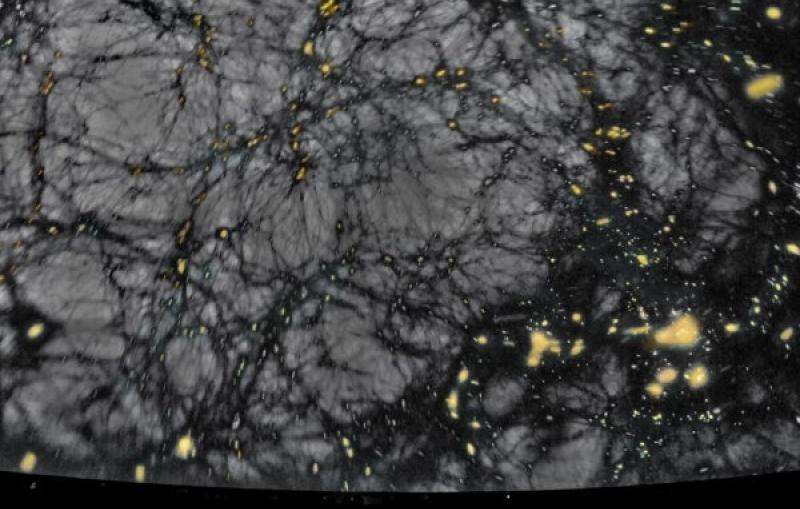
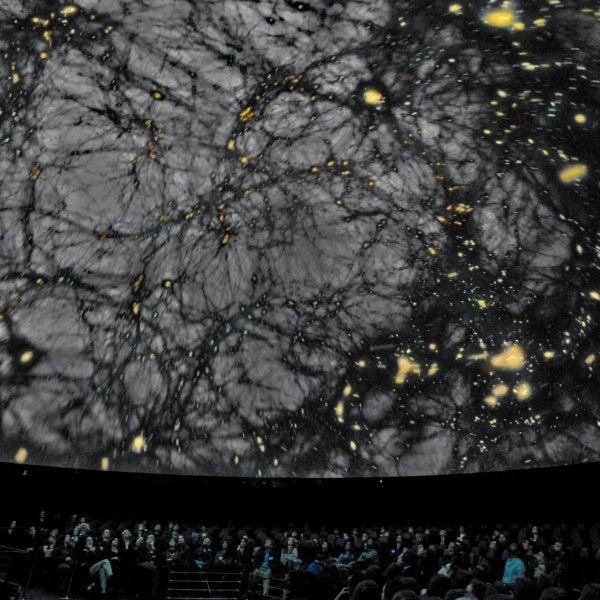
Particle astrophysicists are helping illuminate the dark side of the universe for a new show at the American Museum of Natural History in New York City.
Scientists working at SLAC, Stanford, Oxford, Berkeley Lab and in Tokyo have discovered a new type of quantum material whose lopsided behavior may lend itself to creating novel electronics.
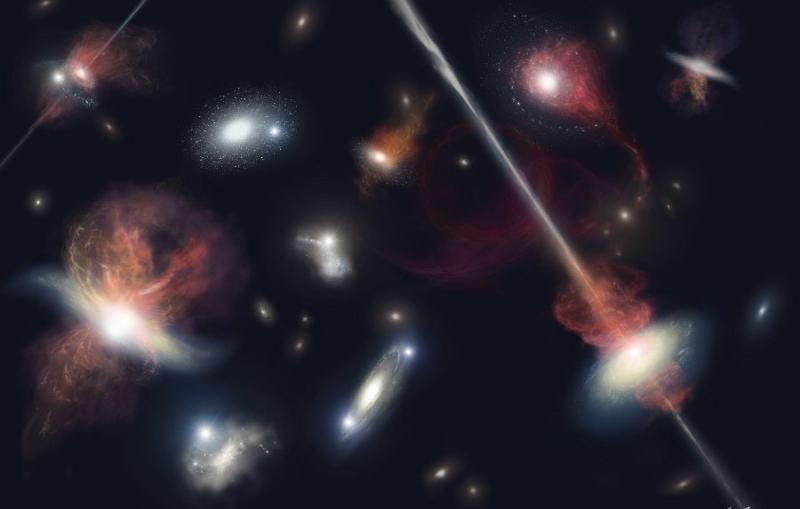
Traces of iron spread smoothly throughout a massive galaxy cluster tell the 10 billion-year-old story of exploding supernovae and fierce outbursts from supermassive black holes sowing heavy elements throughout the early cosmos.
Scientists used the powerful X-ray laser at the U.S. Department of Energy's SLAC National Accelerator Laboratory to create movies detailing trillionths-of-a-second changes in the arrangement of copper atoms after an extreme shock.
Sean Brennan's decades of X-ray expertise keep pulling him back to SLAC even though he formally retired in 2008. During a recent visit to the lab, he accepted the Farrel W. Lytle Award for his extensive contributions to SLAC's Stanford...
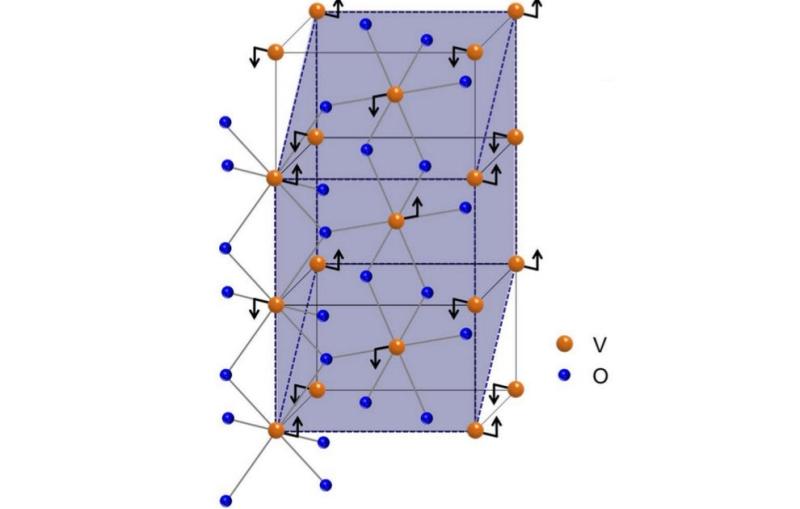
Working with a metal oxide that shows promise for future generations of electronic devices, IBM and SLAC scientists have shown they can precisely control the temperature at which it flips from being an electrical conductor to an insulator – and...
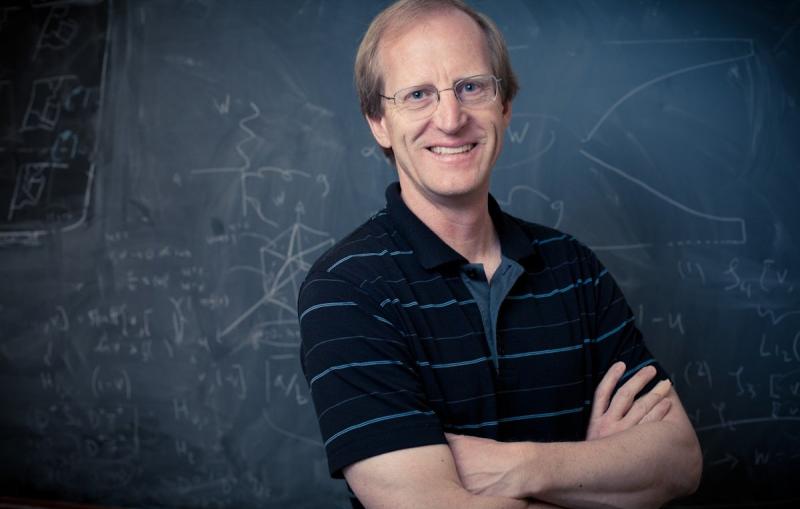
SLAC particle theorist Lance Dixon has been named co-winner of the 2014 J.J. Sakurai Prize for Theoretical Particle Physics, awarded each year by the American Physical Society.