SLAC topics

Science news RSS feed

The latest news about SLAC research, science programs, facilities and people. 

More on our News Center and Media Resources pages

Browse tagged content

Scientists create artificial catalysts inspired by living enzymes
Feature
VIA Symmetry Magazine

The Milky Way’s Hot Spot

The center of our galaxy is a busy place. But it might be one of the best sites to hunt for dark matter.

Feature

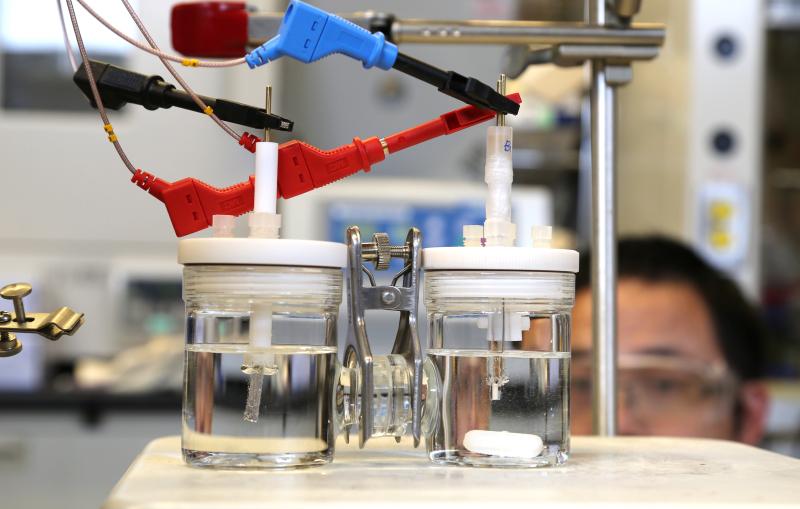
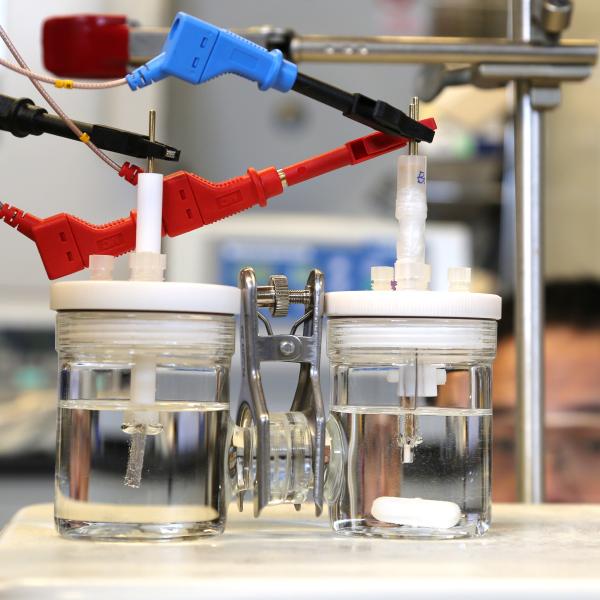
Their results suggest a more efficient way to store energy from solar and wind power by converting it into renewable fuels.

A water-splitting device at the University of Toronto
Feature

CERN physicist Edda Gschwendtner explains why we need big machines to study tiny particles.

Feature
VIA Symmetry Magazine

Bump Watch 2016

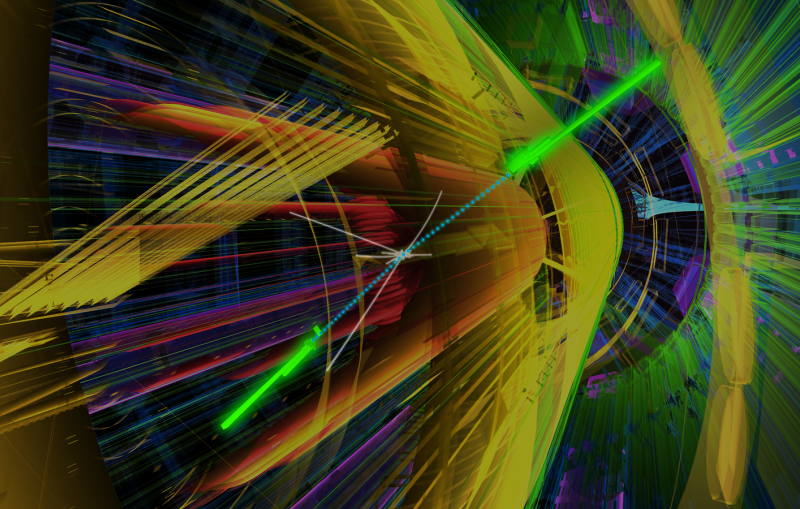
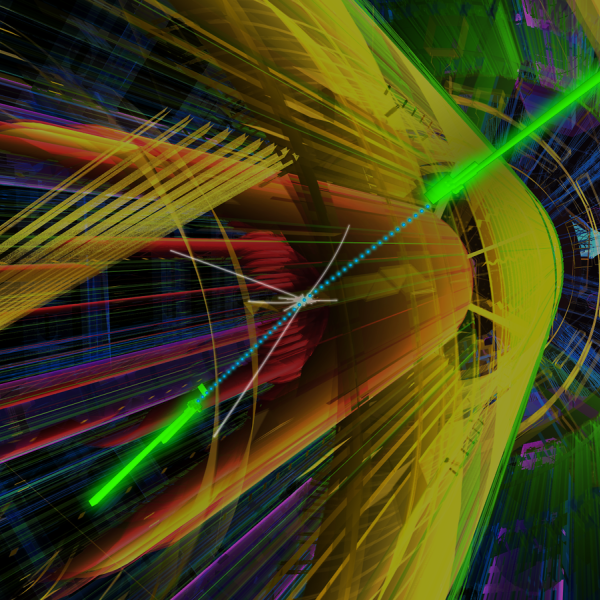
A bump in the LHC data has physicists electrified…but what does it mean?

Feature

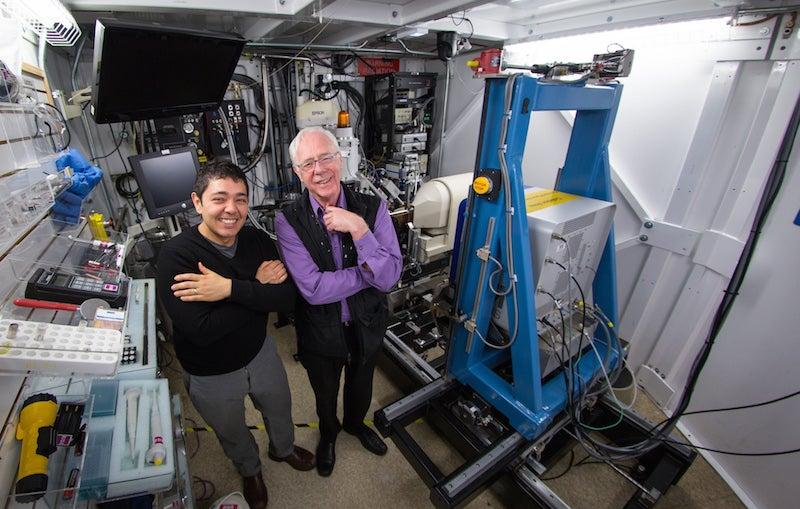
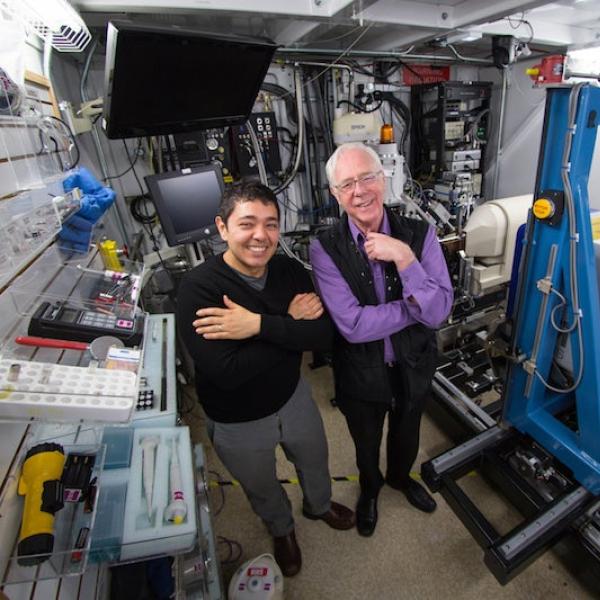
Scientists have determined in atomic detail how a potential drug molecule fits into and blocks a channel in cell membranes that Ebola and related...

Alex Kintzer and Robert Stroud at SLAC's Stanford Synchrotron Radiation Light Source.
Feature

Toward next-generation electronics, better medications and green energy solutions: "The First Five Years" point to a bright future of high-impact discovery at LCLS.

Feature
VIA Symmetry Magazine

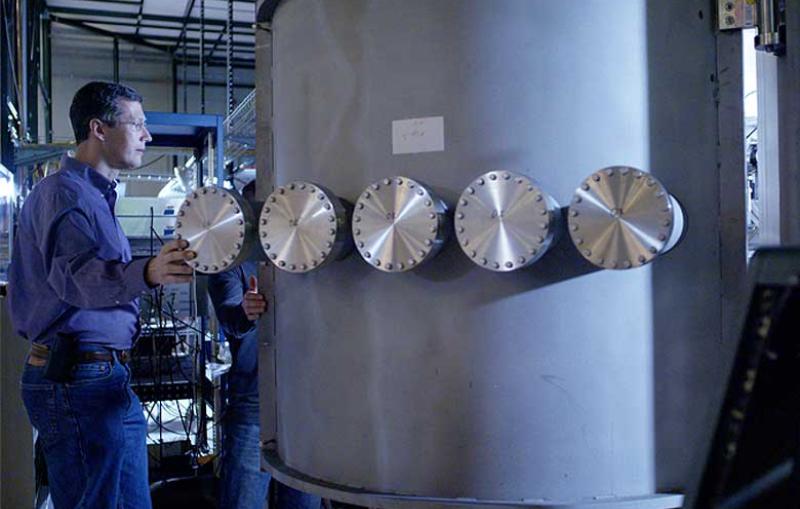
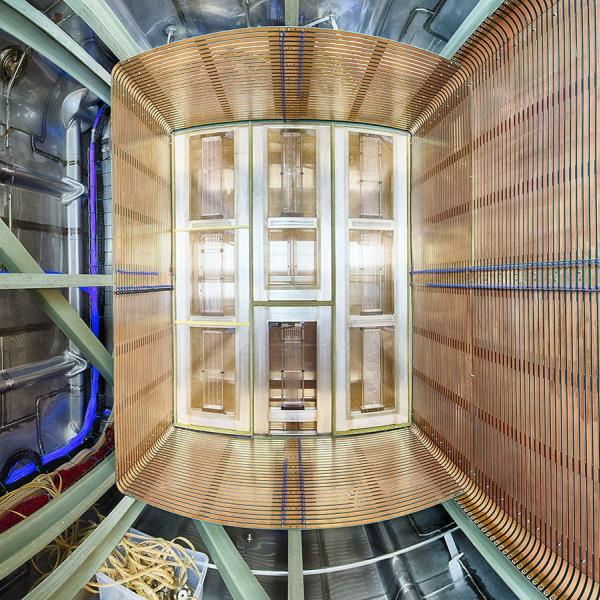
Test of DUNE Tech Begins

On the road to the world’s largest neutrino detector, take the “DUNE Buggy.”

Feature
VIA Symmetry Magazine

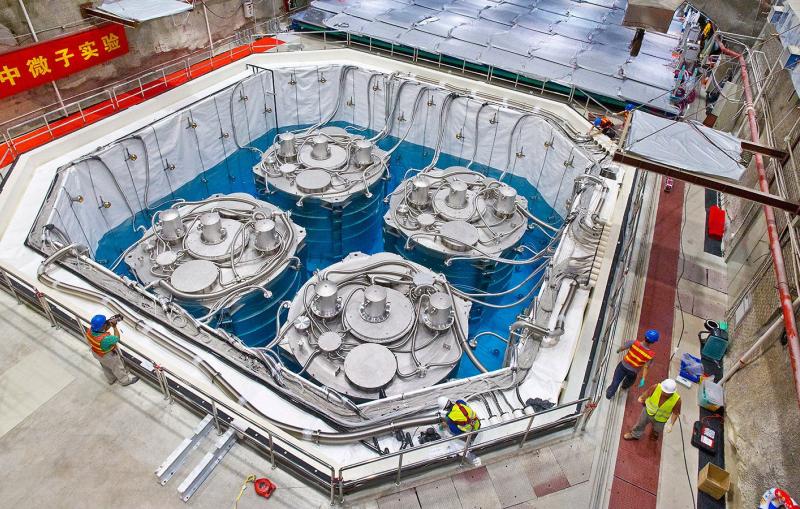
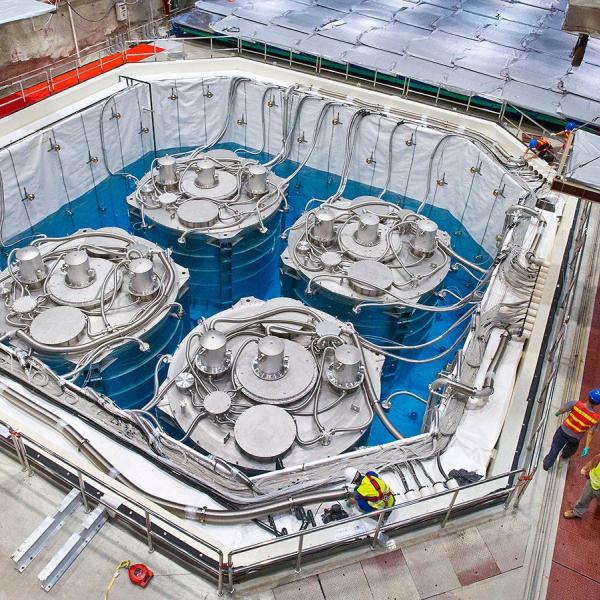
Daya Bay Discovers a Mismatch

The latest measurements from the Daya Bay neutrino experiment in China don’t align with predictions from nuclear theory.

Feature

Contributions to LIGO have come from many Stanford teams, including SLAC, Applied Physics, Mechanical Engineering, Aeronautics and Astronautics and the School of Earth, Energy...

Feature

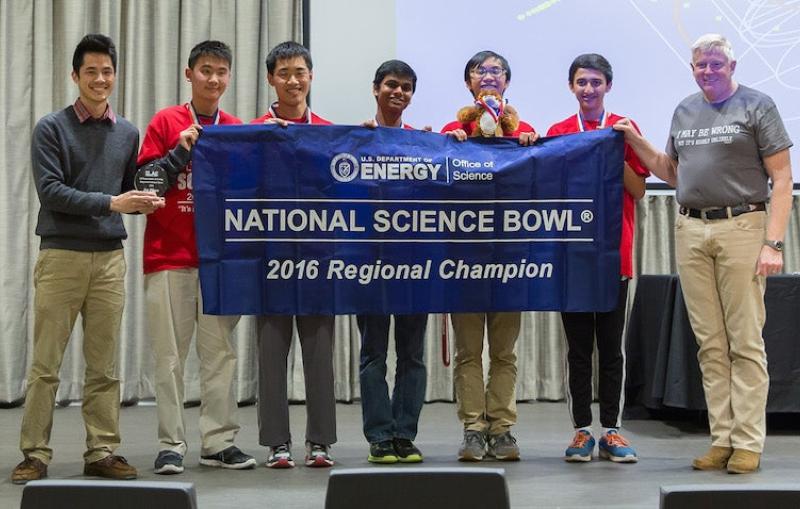
At SLAC's Regional DOE Science Bowl on Saturday, Lynbrook High School pulled off a repeat performance of their 2015 win.

Feature
VIA Symmetry Magazine

This Radioactive Life

Radiation is everywhere. The question is: How much?

News Release

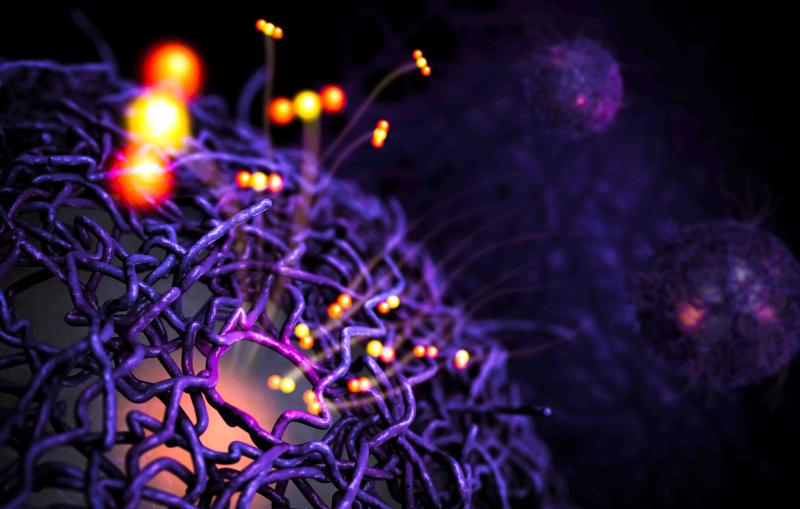
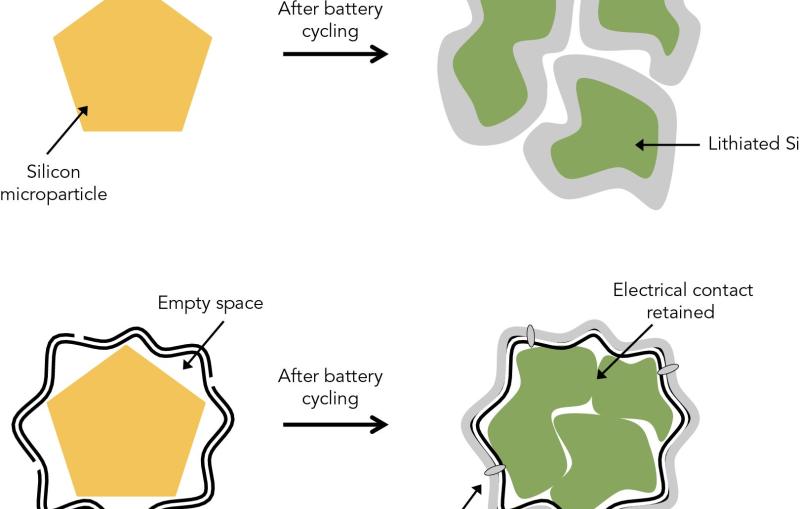
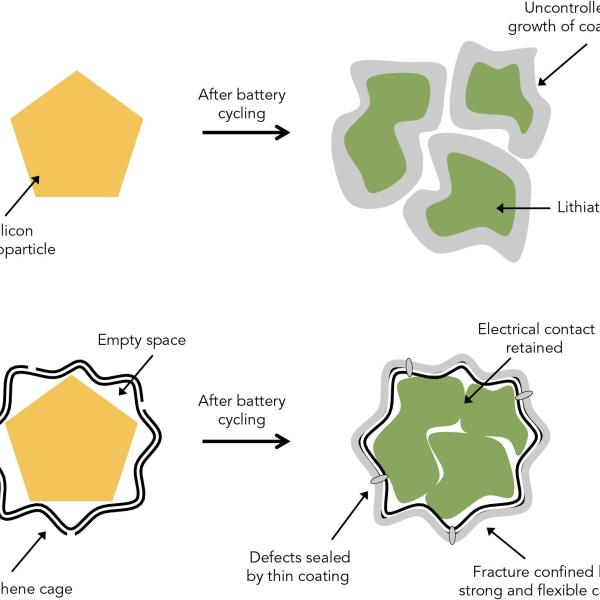
Wrapping silicon anode particles in custom-fit graphene cages could solve two major obstacles to using silicon in high-capacity lithium ion batteries.

Illustration of silicon particles with and without graphene cages