
SLAC Topics

Rubin Observatory/LSSTCam RSS feed

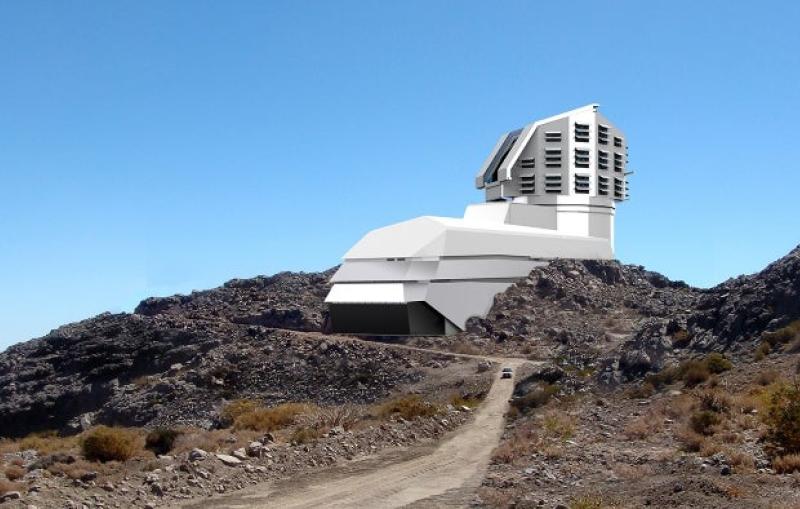
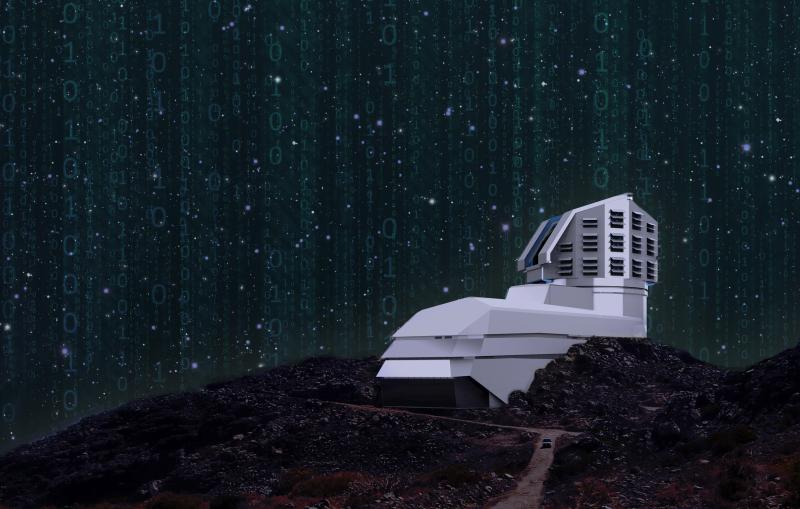
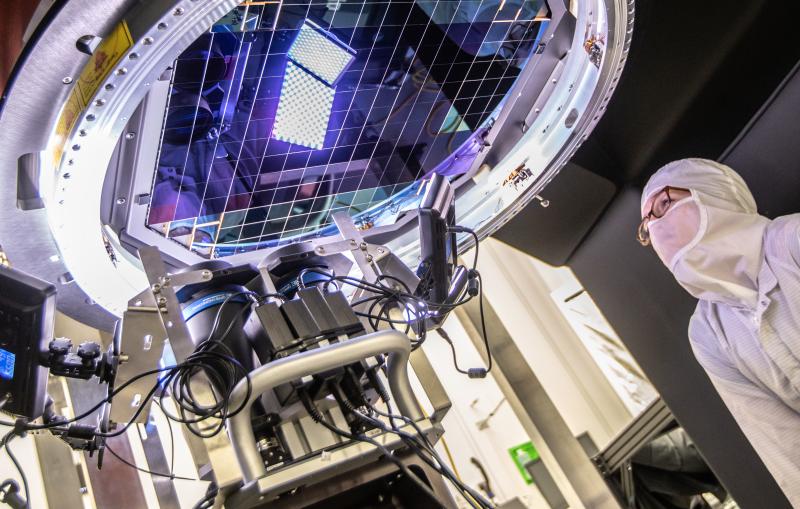
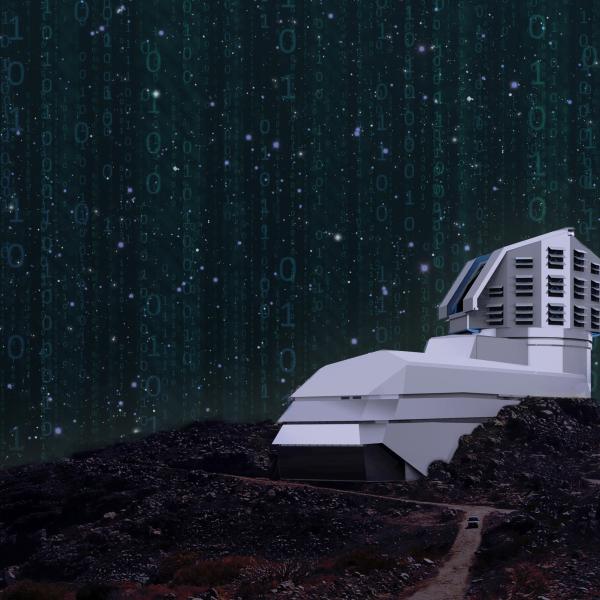
The NSF-DOE Vera C. Rubin Observatory and the SLAC-built LSST Camera image the visible southern sky over and over for a decade, creating a vast archive of data that will advance our knowledge of dark energy and dark matter.

Related Link: 
LSST Camera: World’s largest camera for astrophysics

Browse tagged content

Vera C. Rubin Observatory LSST Camera Focal Plane Build 158
Feature

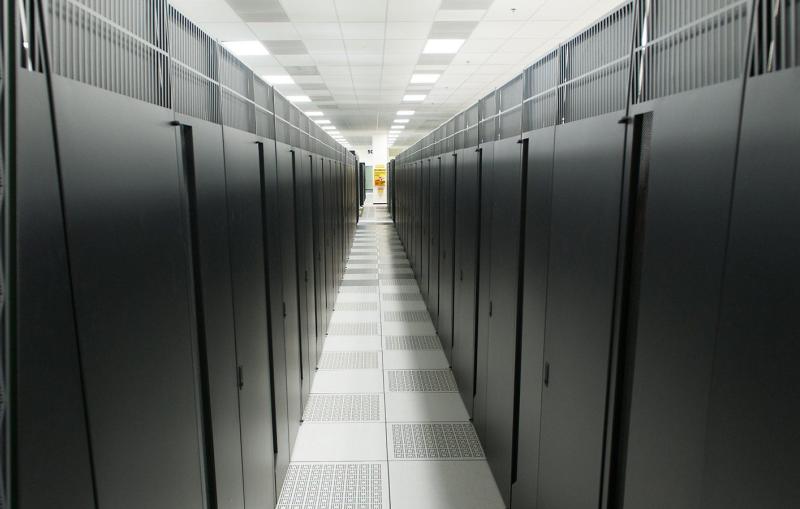
Next-generation telescopic surveys will work hand-in-hand with supercomputers to study the nature of dark energy.

Feature

A recent uptick in the discovery of the smallest, oldest galaxies benefits studies of dark matter, galaxy formation and the evolution of the unive

Feature

When the Large Synoptic Survey Telescope (LSST) begins in 2022 to take images of the entire southern night sky over and over again for...

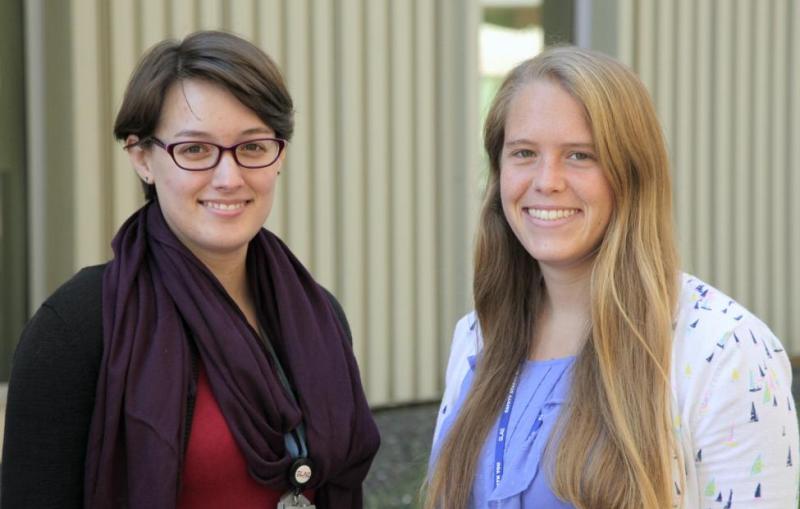
photo - two scientists in front of a building - see caption
Feature
VIA Symmetry Magazine

Cleanroom is a Verb

It’s not easy being clean.

News Release

The Large Synoptic Survey Telescope’s ‘Eye’ Will be Built at SLAC.

Animation

The LSST’s camera will include a filter-changing mechanism and shutter. This animation shows that mechanism at work, which allows the camera to view different...
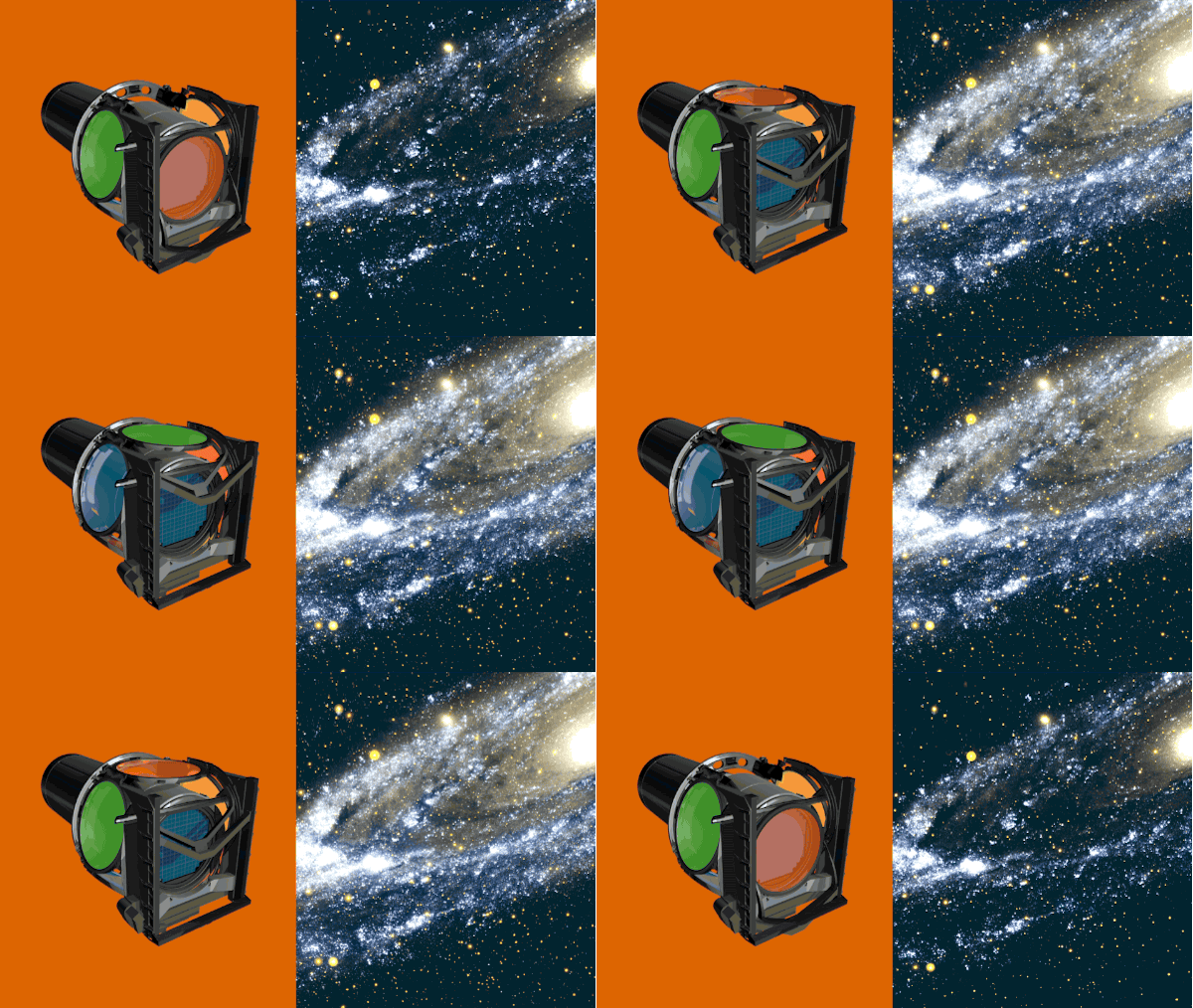

This animation shows that mechanism at work, which allows the camera to view different wavelengths
Feature
VIA Symmetry Magazine

All About Supernovae

Exploding stars have an immense capacity to destroy—and create.

Feature

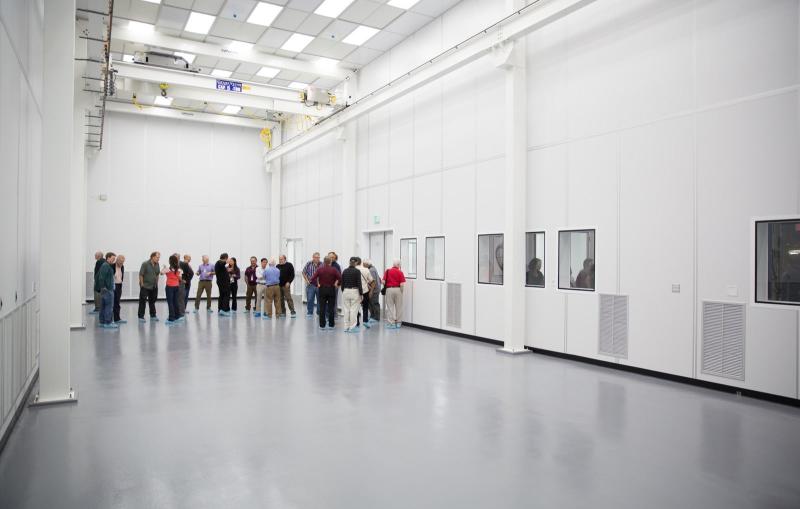
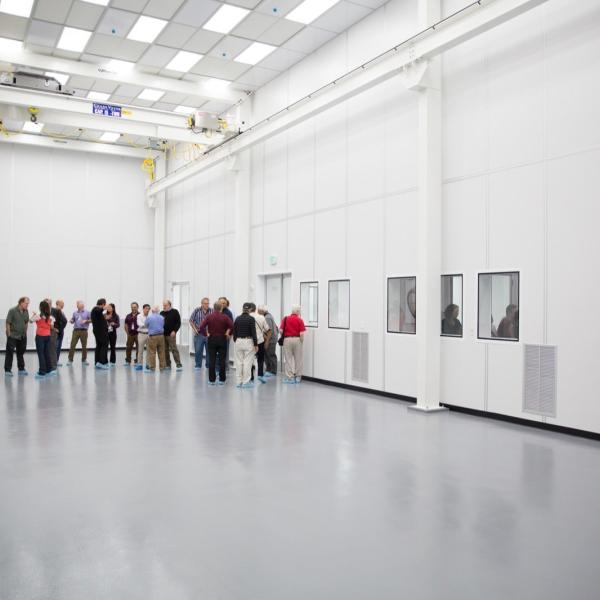
SLAC scientists and engineers celebrated the completion of a new clean room, where the lab will assemble the camera of the future Large Synoptic...

LSST Clean room
Feature
VIA Symmetry Magazine

LSST Construction Begins

The Large Synoptic Survey Telescope will take the most thorough survey ever of the Southern sky.

Feature

Two recent meetings at SLAC brought together experts working on computer hardware and software for LSST – a future telescope that will provide unprecedented...

Feature

The LSST system will alert scientists to changes in space in near-real time.

Feature
via <em>Symmetry Magazine</em>

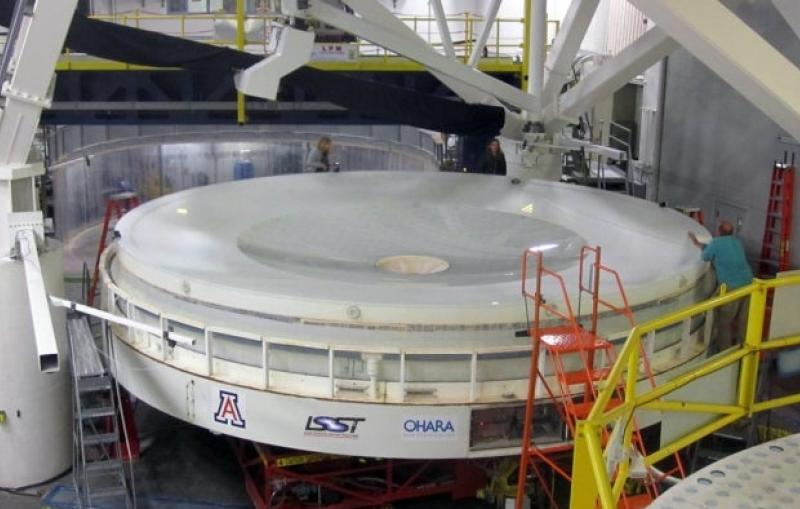
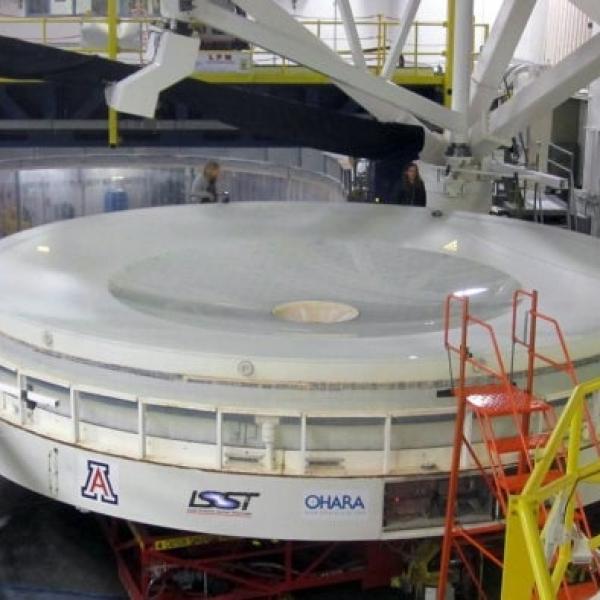
Mirror, Mirror

After more than six years of grinding and polishing, the first-ever dual-surface mirror for a major telescope is complete.