

SLAC Topics

Rubin Observatory/LSSTCam RSS feed

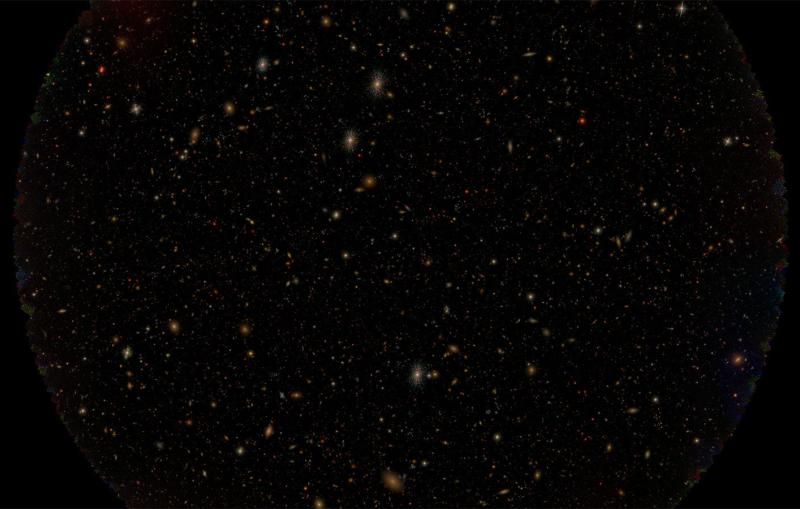
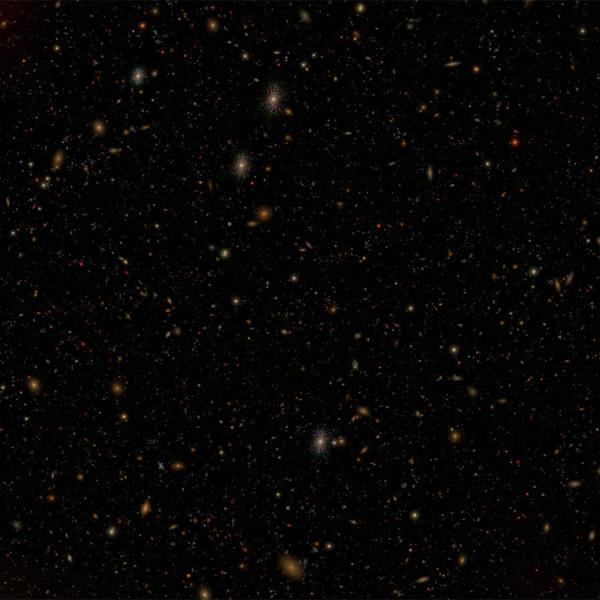
The NSF-DOE Vera C. Rubin Observatory and the SLAC-built LSST Camera image the visible southern sky over and over for a decade, creating a vast archive of data that will advance our knowledge of dark energy and dark matter.

Related Link: 
LSST Camera: World’s largest camera for astrophysics

Browse tagged content

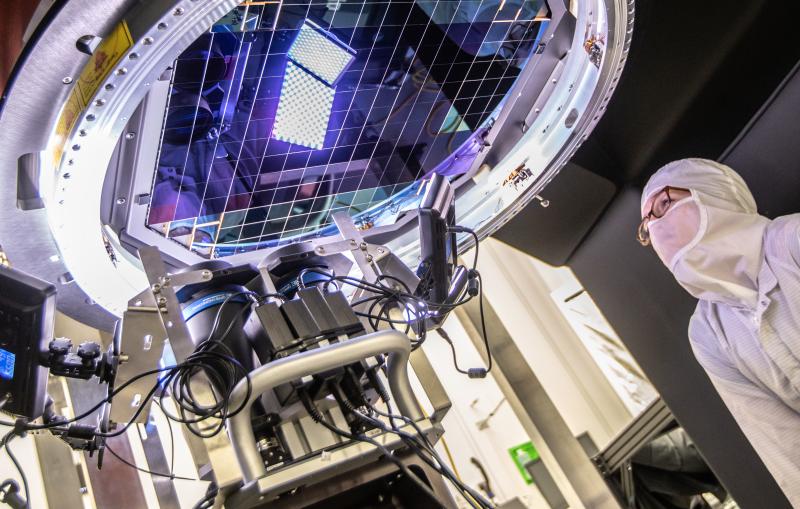
Vera C. Rubin Observatory LSST Camera Focal Plane Build 158
Feature

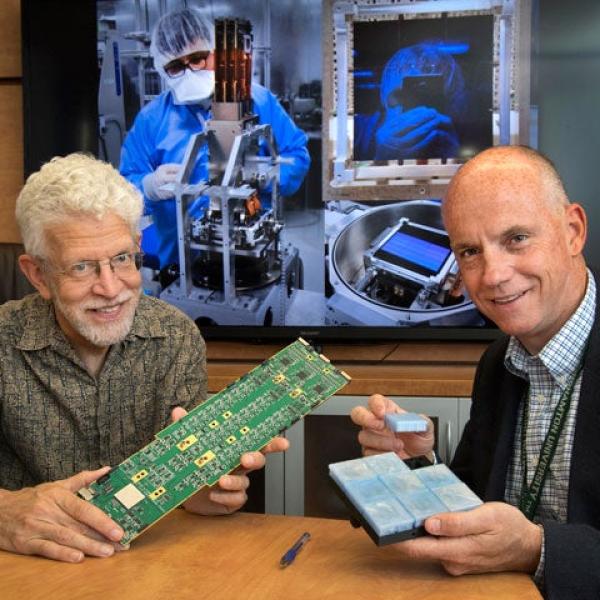
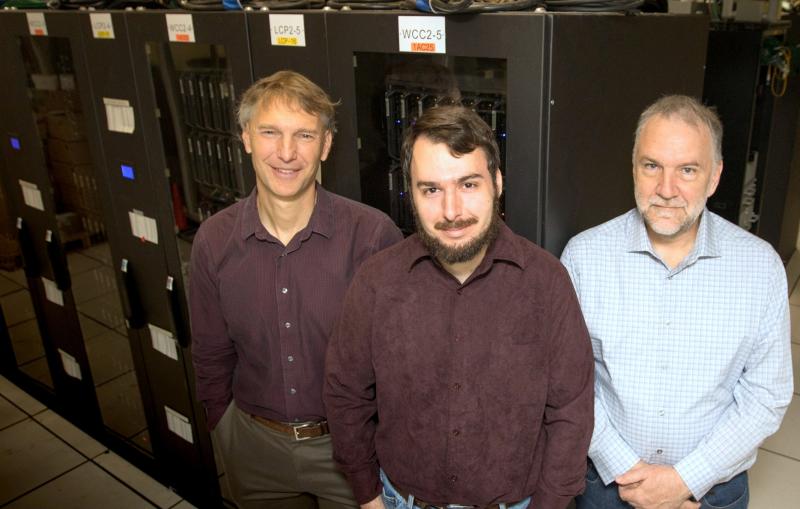
As members of the lab’s Computer Science Division, they develop the tools needed to handle ginormous data volumes produced by the next generation of...

SLAC Computer Science Team
Feature

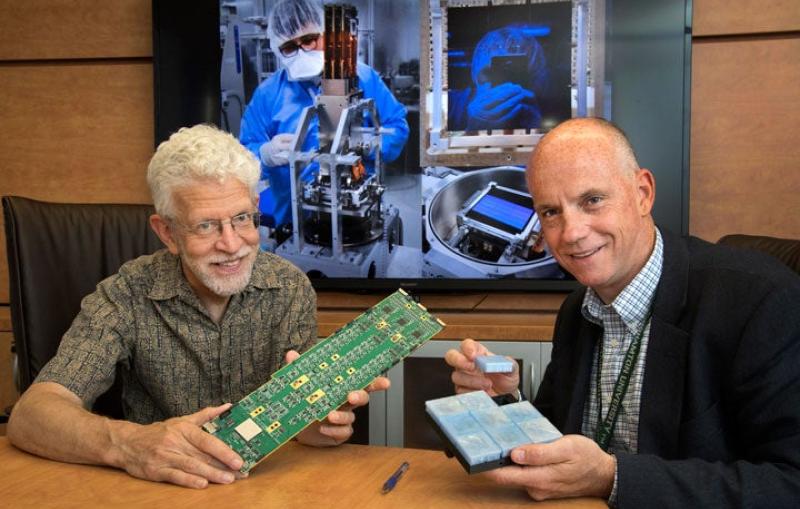
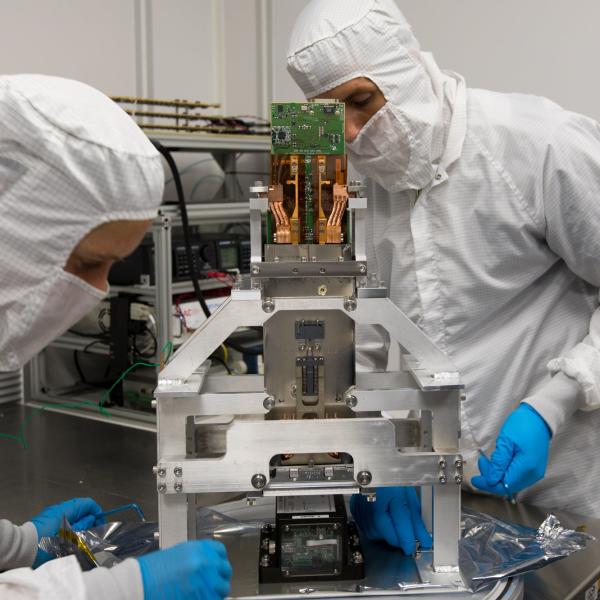
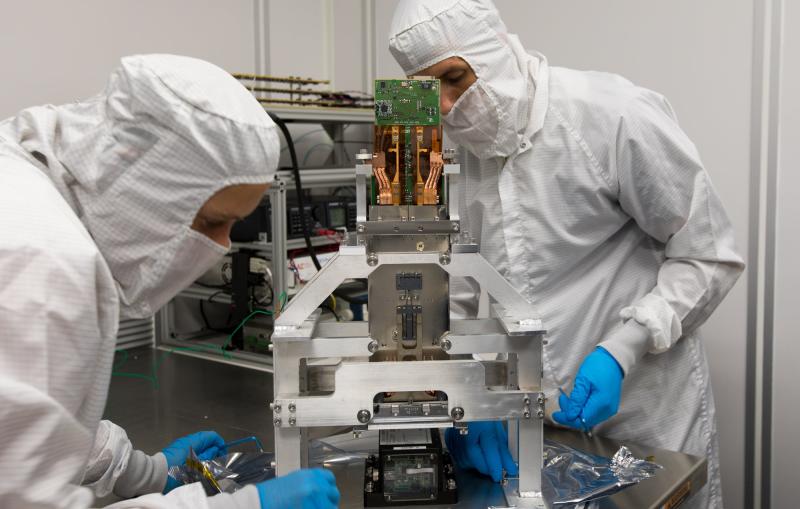
21 of these "science rafts" will go into the world's largest digital camera for astronomy, which is being assembled and tested at SLAC.

First LSST Science Raft
Feature

Around the world, scientists and non-scientists alike celebrated the first international Dark Matter Day.

Feature

The astrophysicist is recognized for her leadership, mentorship and innovative work in understanding how galaxies form.

News Release

SLAC and Stanford researchers demonstrate that brain-mimicking ‘neural networks’ can revolutionize the way astrophysicists analyze their most complex data, including extreme distortions in spacetime...

Neural Nets and Gravitational Lenses
Illustration

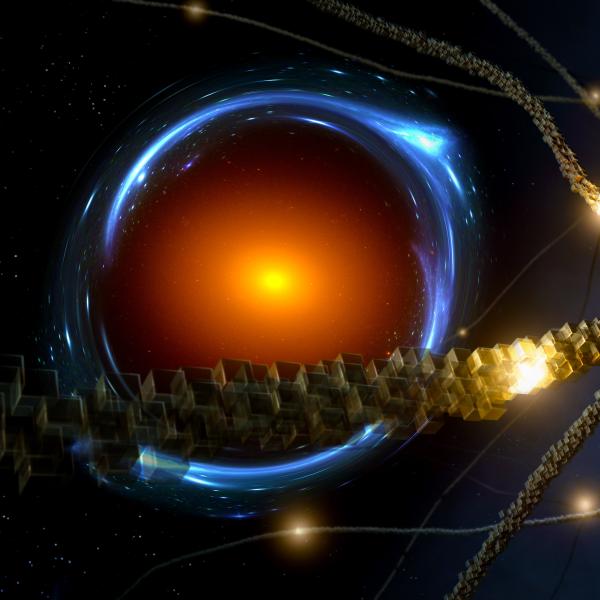
KIPAC scientists have for the first time used artificial neural networks to analyze complex distortions in spacetime, called gravitational lenses, demonstrating that the method...
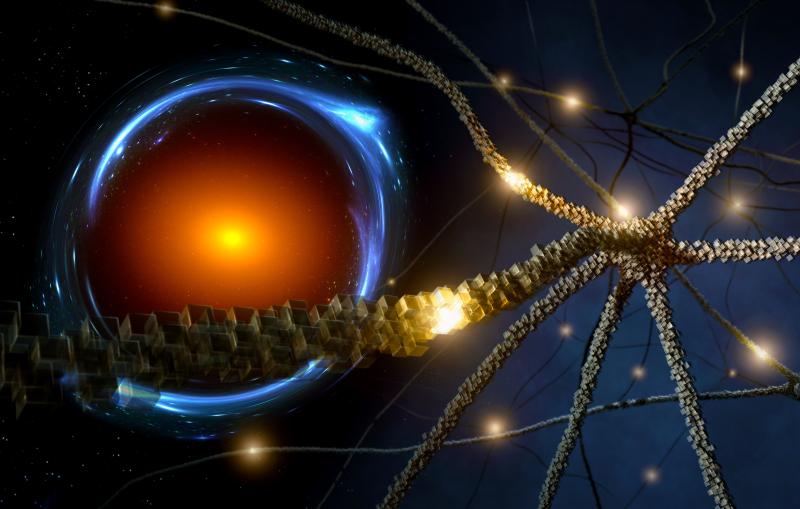
Neural Nets and Gravitational Lenses
News Release

SLAC and Stanford astrophysicists made crucial contributions to the galaxy survey, showing that the universe clumps and expands as predicted by our best cosmological...

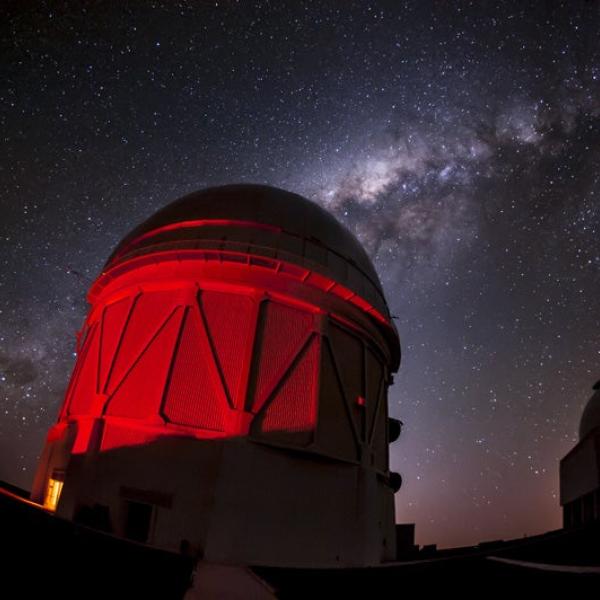
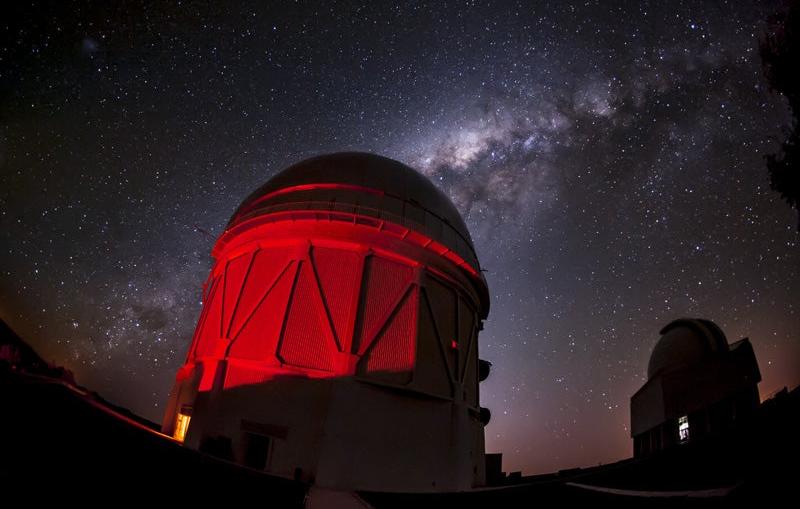
Blanco Telescope
Feature

The raft is part of the sensor array that will make up the crucial camera segment of the telescope.

Feature

Two astrophysicists and a theoretical physicist discuss how the Large Synoptic Survey Telescope will probe the nature of dark matter and dark energy by...
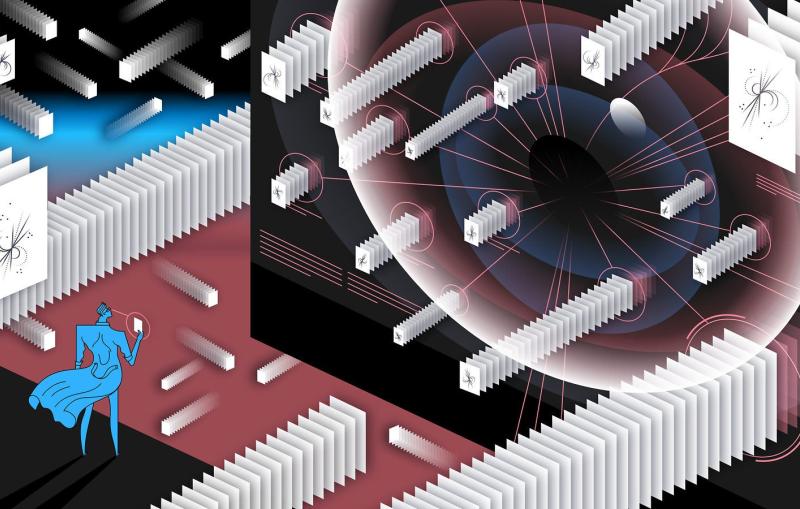
Feature

Using Twinkles, the new simulation of images of our night sky, scientists get ready for a gigantic cosmological survey unlike any before.

Feature
VIA Symmetry Magazine

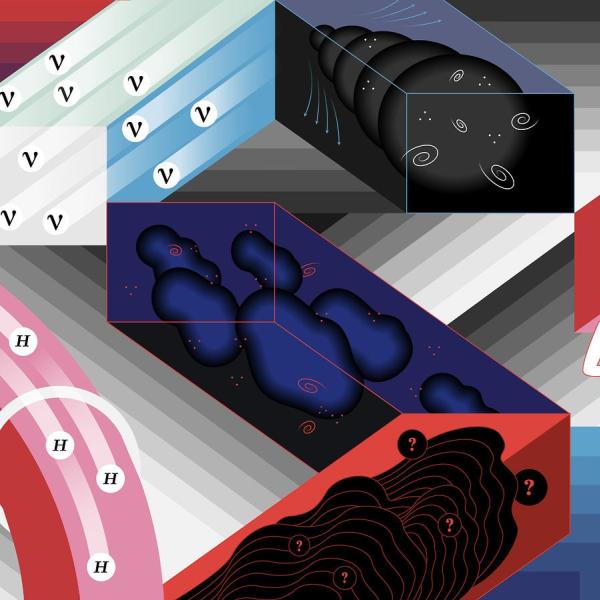
2016 year in particle physics

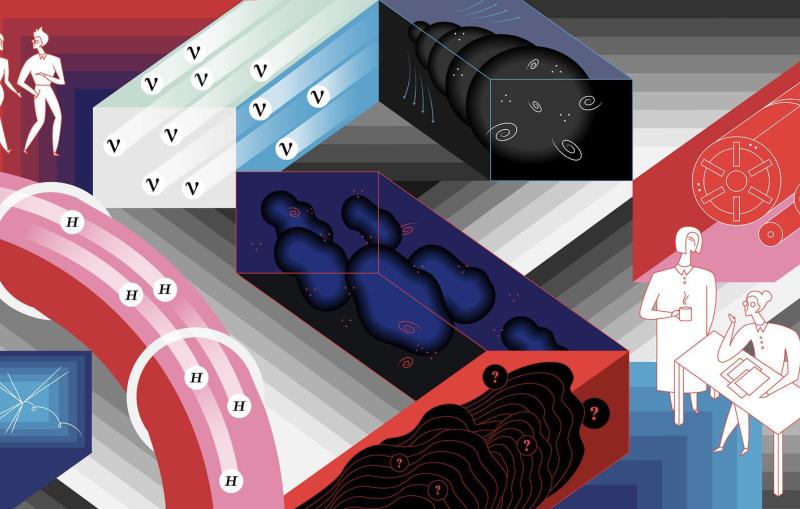
Scientists furthered studies of the Higgs boson, neutrinos, dark matter, dark energy and cosmic inflation and continued the search for undiscovere

Feature
VIA Symmetry Magazine

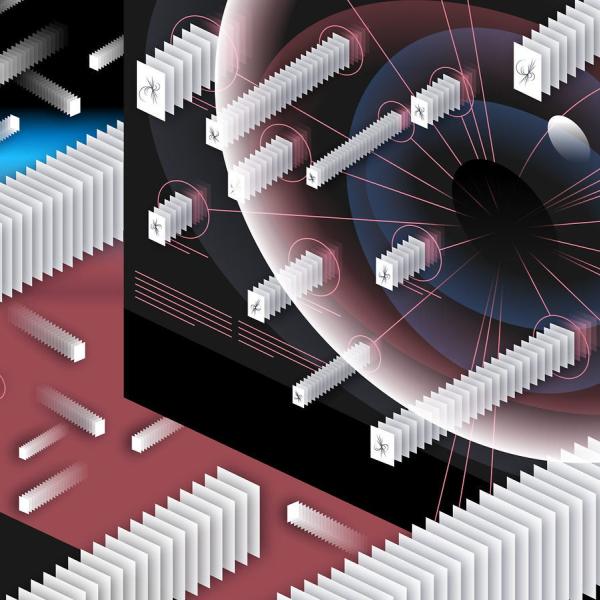
Deep Learning Takes on Physics

Can the same type of technology Facebook uses to recognize faces also recognize particles?