



SLAC topics

Quantum information science (QIS) RSS feed

The coming quantum technology revolution will profoundly change our understanding of the world and the way we live. SLAC research, including quantum materials for unprecedented computing and ultrasensitive sensors for detecting dark matter, will expedite that transition and help build the quantum workforce of the future.

Related link: New technologies

Browse tagged content below

QIS public-private partnership.
Feature
VIA Symmetry Magazine

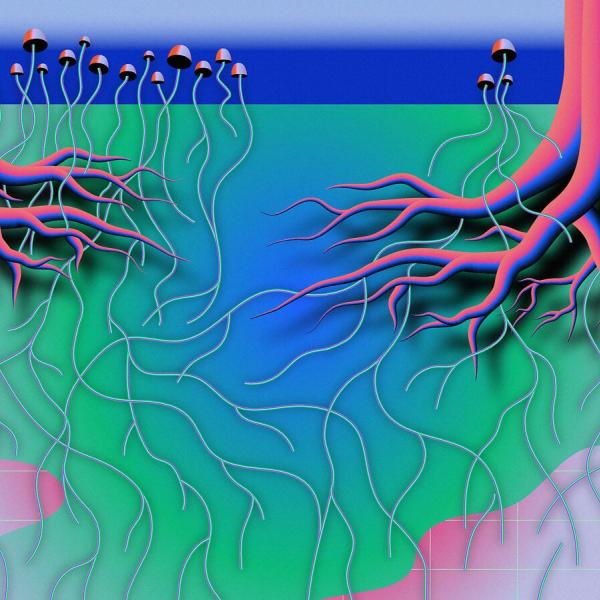
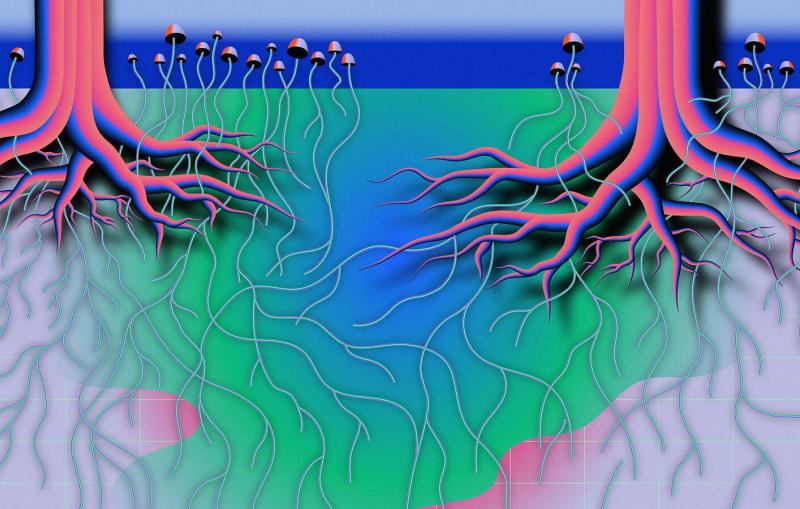
What is a quantum network?

As we step into the quantum age, here are four things to know about quantum networks.

Illustration of tree roots and mushrooms
Feature
VIA Symmetry Magazine

The quantum squeeze

A technique from the newest generation of quantum sensors is helping scientists to use the limitations of the Heisenberg uncertainty principle to their advantage.

Illustration of a squid
Feature

This month, Symmetry presents a series of articles on the past, present and future of quantum research—and its many connections to particle physics, astrophysics...

Illustration of a hummingbird
Feature

Q-NEXT will tackle next-generation quantum science challenges through a public-private partnership, ensuring U.S. leadership in an economically crucial arena.

QIS public-private partnership.
Feature

Two projects will look for ways to link individual quantum devices into networks for quantum computing and ultrasensitive detectors.

QIS microantenna
Feature

Monika Schleier-Smith and Kent Irwin explain how their projects in quantum information science could help us better understand black holes and dark matter.

QIS-Schleier-Smith-Irwin
Feature

The newly launched Quantum Fundamentals, ARchitecture and Machines initiative will build upon existing strengths in theoretical and experimental quantum science and engineering at Stanford...

Feature

SLAC receives three awards for the development of quantum technology for dark matter searches and quantum computing

Quantum Information Science