SLAC topics

Quantum information science (QIS) RSS feed

The coming quantum technology revolution will profoundly change our understanding of the world and the way we live. SLAC research, including quantum materials for unprecedented computing and ultrasensitive sensors for detecting dark matter, will expedite that transition and help build the quantum workforce of the future.

Related link: New technologies

Browse tagged content below

QIS public-private partnership.
News Release

SLAC and Stanford partner with Argonne National Laboratory and others toward a quantum-interconnected world.

A person in a bunny suit examines a wafer
SLAC Science Explained

Quantum networking is the framework that uses the strange properties of quantum mechanics to transmit quantum information, encoded in qubits, from one quantum device...

illustration of ballet dancers
SLAC Science Explained

Quantum materials behave in unexpected ways compared to the classical materials we are used to. 

illustration of a layered wedding cake and ingredients
SLAC Science Explained

Quantum sensing uses quantum phenomena to detect extremely subtle signals or changes that are beyond the reach of many traditional sensors.

Graphic with an astronaut on the moon with signal moving
SLAC Science Explained

Superconducting quantum bits, or qubits, are at the heart of many quantum computers, acting like supercharged versions of the traditional bits found in classical...

illustration of a gyroscope
Multimedia

His visit highlighted the breadth of our world-class research and the people and collaborations that make it possible. A key theme of the day...

U.S. Deputy Secretary of Energy Danly watches a simulation of dark matter.

Check out our quantum explainers to learn more about the funky quantum realm and how SLAC researchers are advancing this field.

illustration of two hands flipping coins
News Brief

A SLAC study shows a process called atomic relaxation offers a new way to explore quantum states in these puzzling materials.

Light blue wavy lines on a maroon red background.
Illustration
Scientists have developed an AI-based method that helps gather data more efficiently in the search for new materials, allowing researchers...
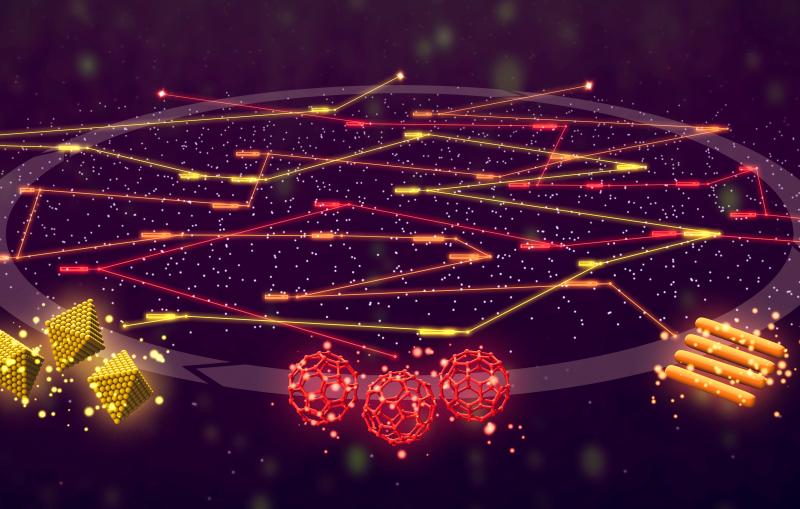
self driving experiments
Feature

The method could lead to the development of new materials with tailored properties, with potential applications in fields such as climate change, quantum computing...

self driving experiments
Feature

During her fellowship she will continue research that aims to deepen our understanding of quantum materials.

Headshot of Judy Ji
News Release

With up to a million X-ray flashes per second, 8,000 times more than its predecessor, it transforms the ability of scientists to explore atomic-scale...

LCLS-II first light