





SLAC topics

Particle physics RSS feed

Working at the forefront of particle physics, SLAC scientists use powerful particle accelerators to create and study nature’s fundamental building blocks and forces, build sensitive detectors to search for new particles and develop theories that explain and guide experiments. SLAC's particle physicists want to understand our universe – from its smallest constituents to its largest structures.

Related links:
Physics of the universe
Elementary particle physics
Browse tagged content below

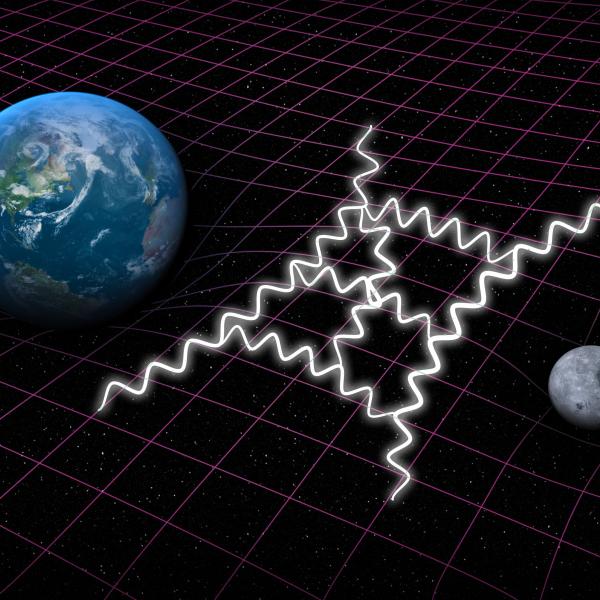
Particles collide in this illustration
Feature

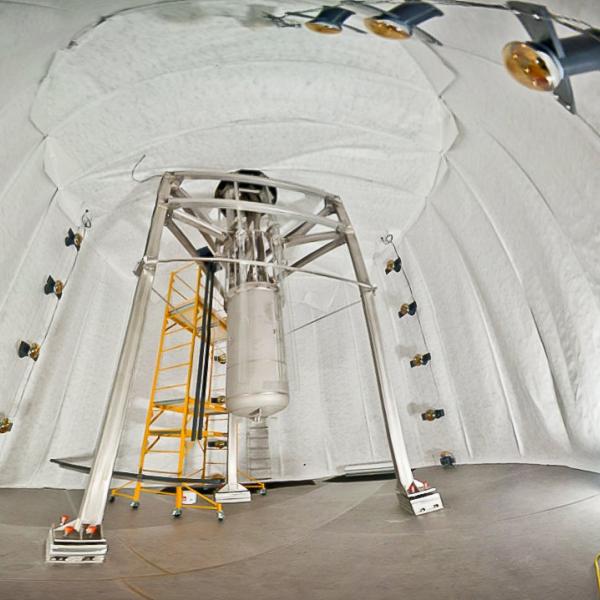
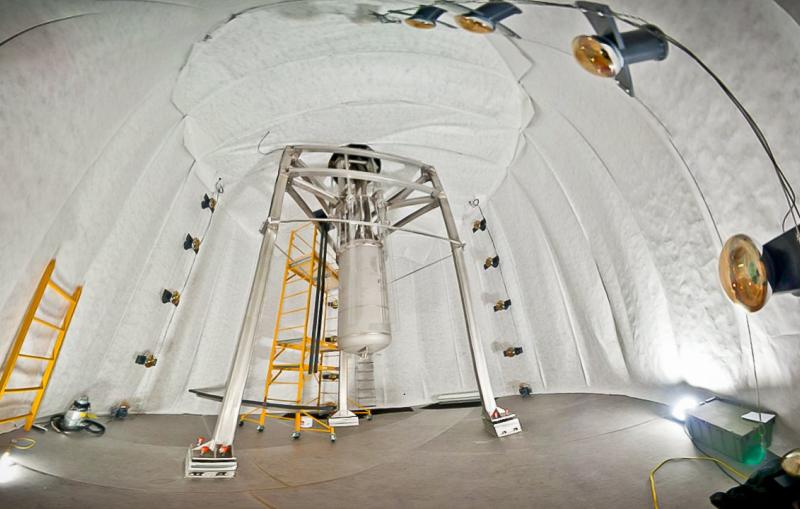
Dark matter hunters of the LUX collaboration have ruled out a larger-than-ever range of properties that hypothetical dark matter particles might have had.

Feature
VIA Symmetry Magazine

Save the Particles

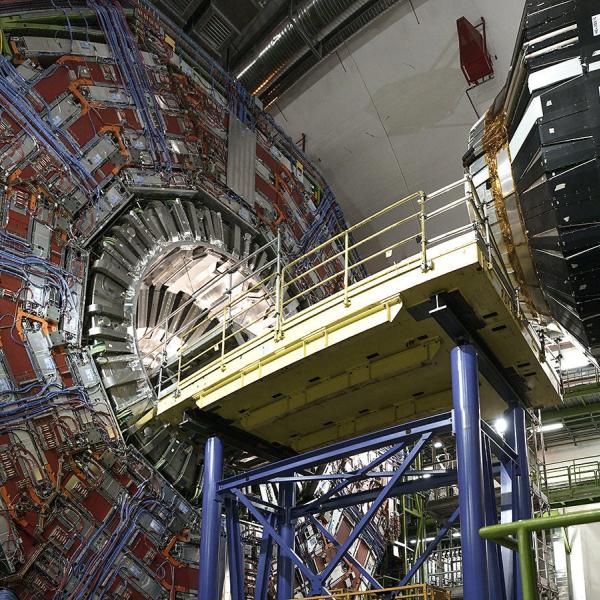
To learn more about the particles they collide, physicists turn their attention to a less destructive type of collision in the LHC.

Feature
VIA Symmetry Magazine

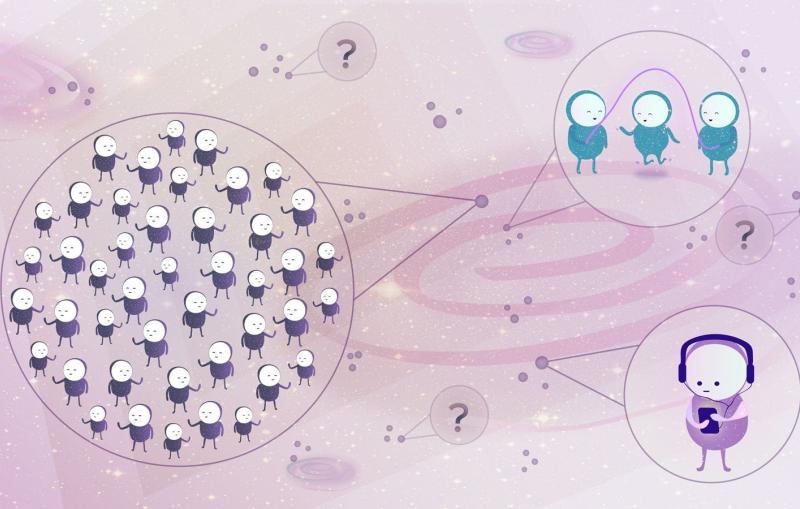
What Could Dark Matter Be?

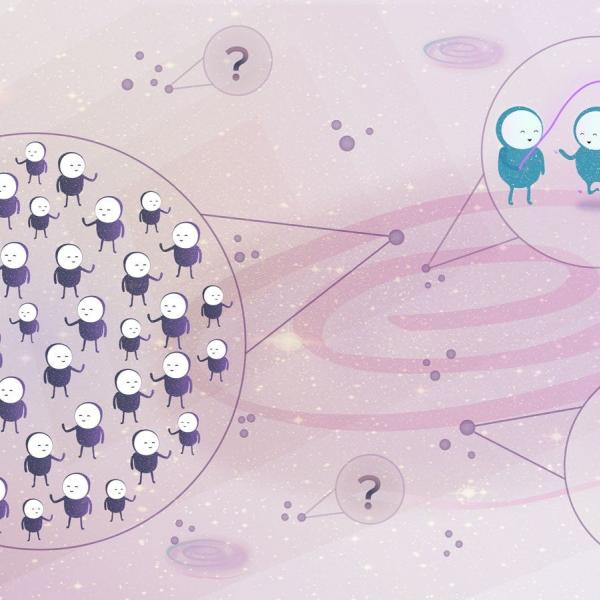
Scientists don’t yet know what dark matter is made of, but they are full of ideas.

Feature
VIA Symmetry Magazine

Charge-Parity Violation

Matter and antimatter behave differently. Scientists hope that investigating how might someday explain why we exist.

Photo of closed rose. In mirror it is open.
News Release

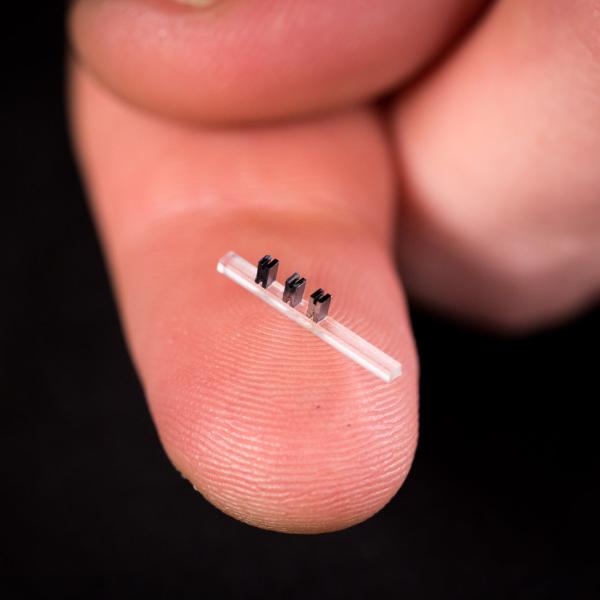
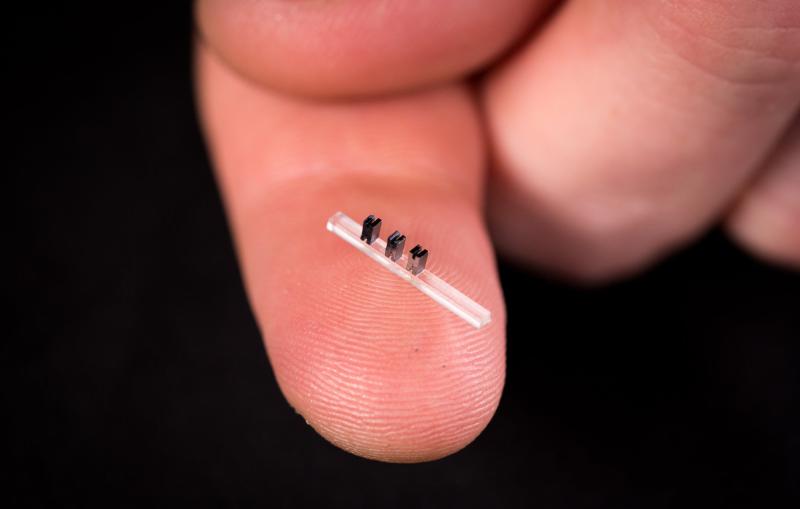
The Gordon and Betty Moore Foundation has awarded $13.5 million for an international effort to build a working particle accelerator the size of a...

Three accelerator chips on a finger
Feature

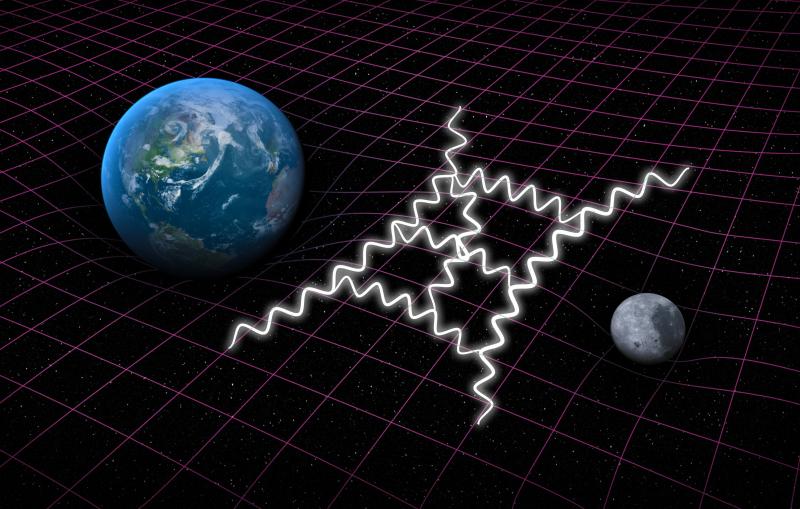
Researchers are searching for a quantum theory of gravity that could help answer fundamental questions about the universe, from the very first moments after...

Feature

The medal, which recognizes distinguished physicists for outstanding statesmanship in science, honors Quinn for her work in science education.

SLAC Professor Emerita Helen Quinn
Feature
VIA Symmetry Magazine

Cleanroom is a Verb

It’s not easy being clean.

Feature
VIA Symmetry Magazine

The Particle Physics of You

Not only are we made of fundamental particles, we also produce them and are constantly bombarded by them throughout the day.

Feature

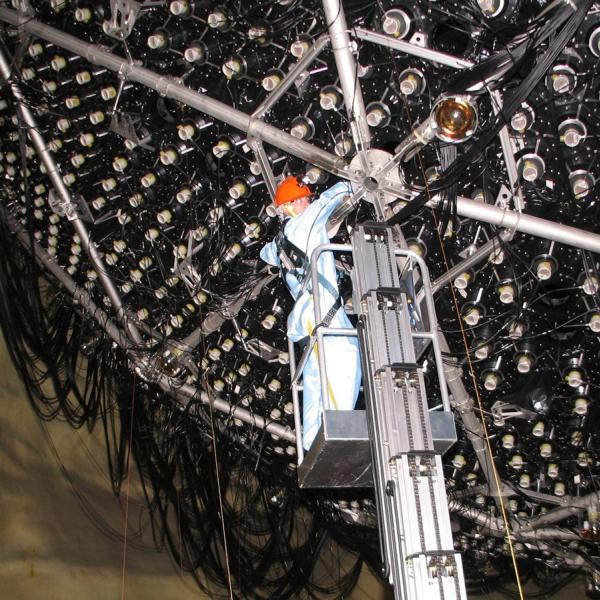
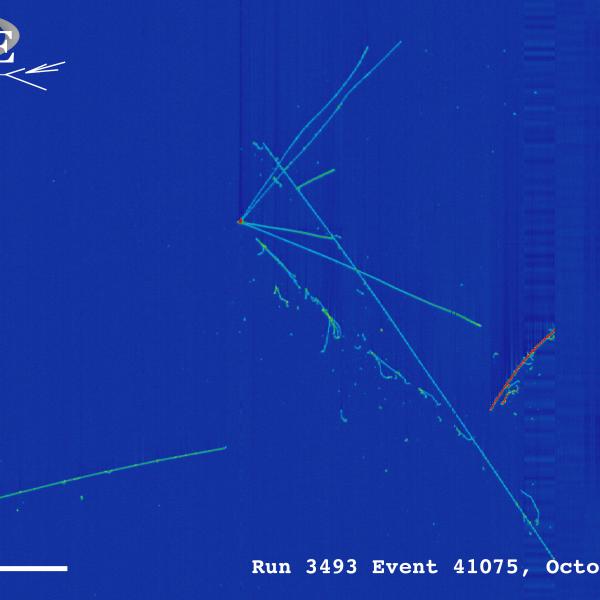
Researchers hope that the new experiment will shine light on how elementary neutrinos morph from one type into another.

Feature

What topic in particle physics are you destined to study? Take the quiz to find out!

Feature

These physics-themed jack-o’-lanterns come with extra brains.

jack o' lanterns