






SLAC topics

Particle physics RSS feed

Working at the forefront of particle physics, SLAC scientists use powerful particle accelerators to create and study nature’s fundamental building blocks and forces, build sensitive detectors to search for new particles and develop theories that explain and guide experiments. SLAC's particle physicists want to understand our universe – from its smallest constituents to its largest structures.

Related links:
Physics of the universe
Elementary particle physics
Browse tagged content below

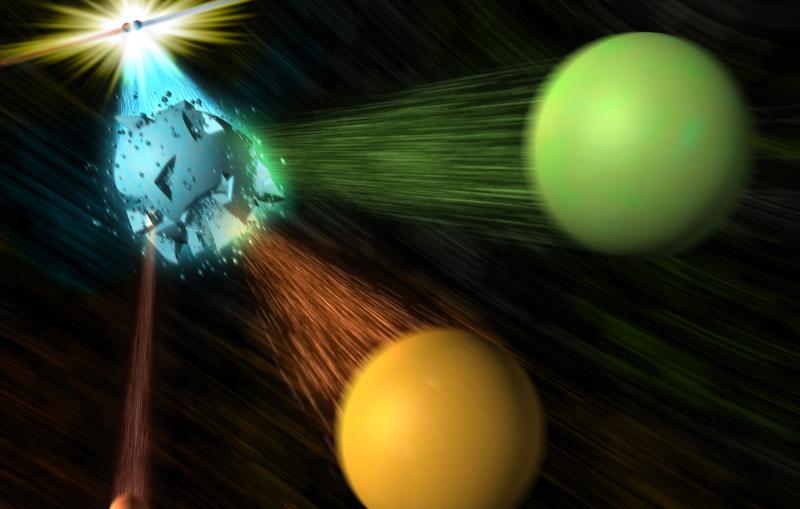
Particles collide in this illustration
Feature

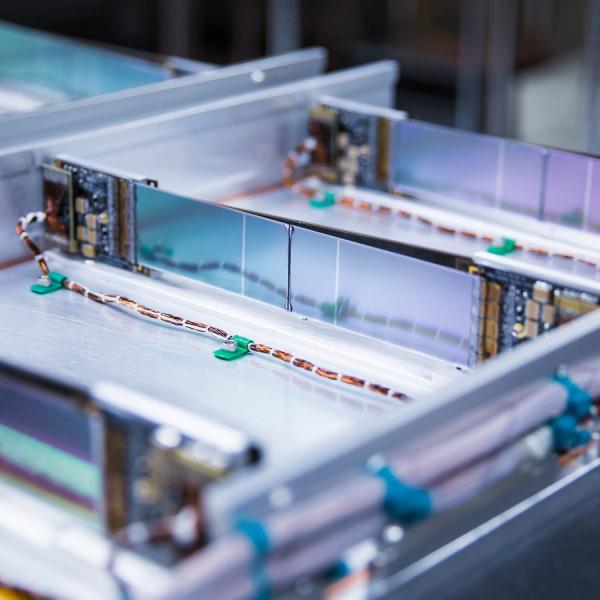
The Heavy Photon Search at Jefferson Lab is looking for a hypothetical particle from a hidden “dark sector.”

Heavy Photon Search.
Feature
VIA Symmetry Magazine

LHC Swings Back into Action

Protons are colliding once again in the Large Hadron Collider.

Feature

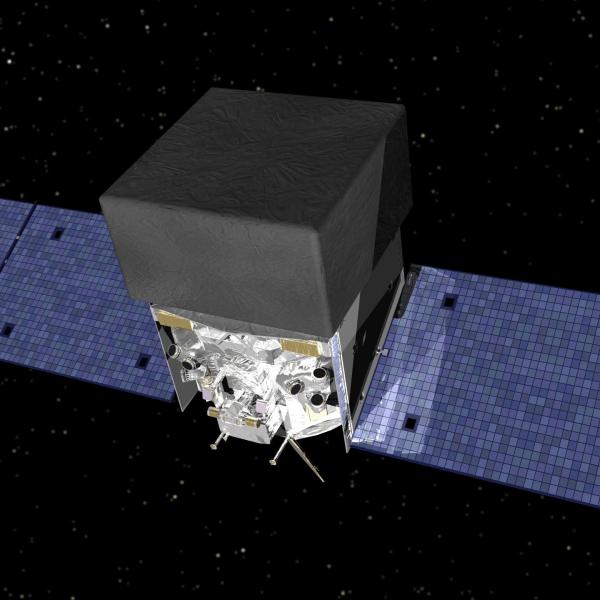
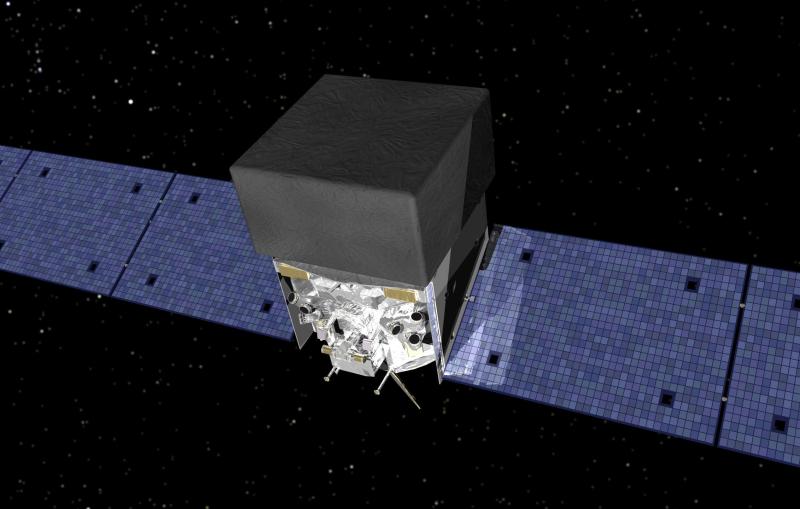
Sensitive gamma-ray “eye” on NASA’s Fermi space telescope continues to provide unprecedented views of violent phenomena in the cosmos.

Fermi in Space.
Feature

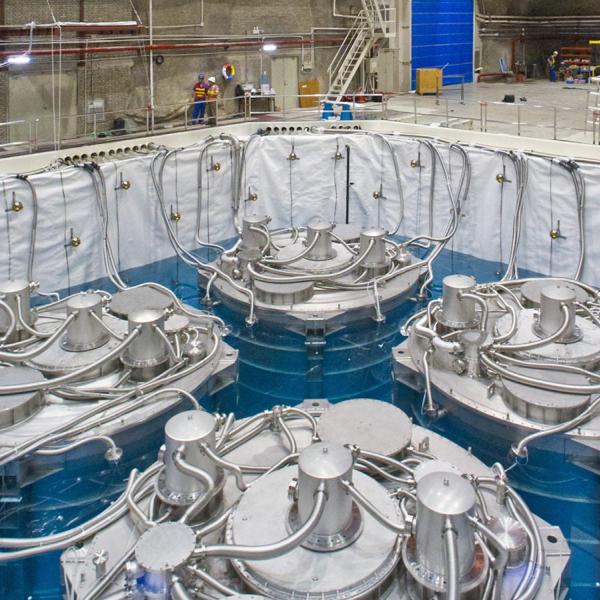
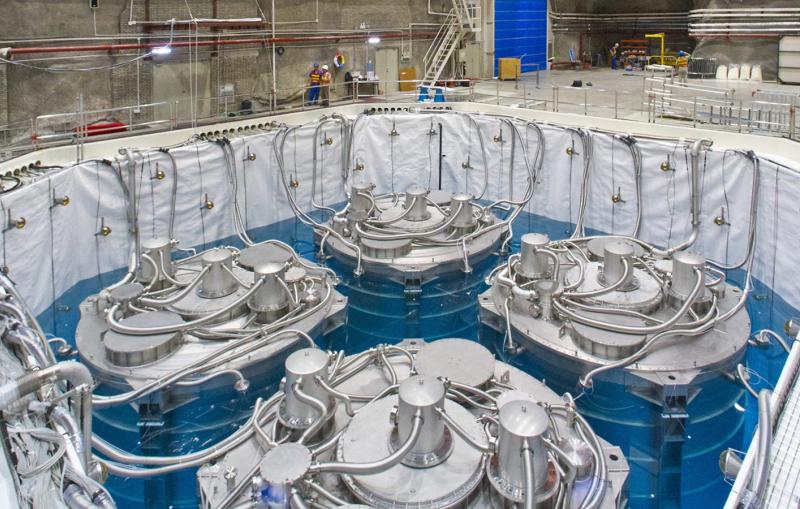
A new result from the Daya Bay collaboration reveals both limitations and strengths of experiments studying antineutrinos at nuclear reactors.

Feature
VIA Symmetry Magazine

Did You See it?

Boston University physicist Tulika Bose explains why there's more than one large, general-purpose particle detector at the Large Hadron Collider.

Feature

Explore the fourth dimension, from processes that occur in billions of years down to tiny slivers of a second.

Feature
VIA Symmetry Magazine

Wizardly Neutrinos

Why can a neutrino pass through solid objects?

Feature
VIA Symmetry Magazine

Physics Love Poems

Advance your romance with science.

Feature

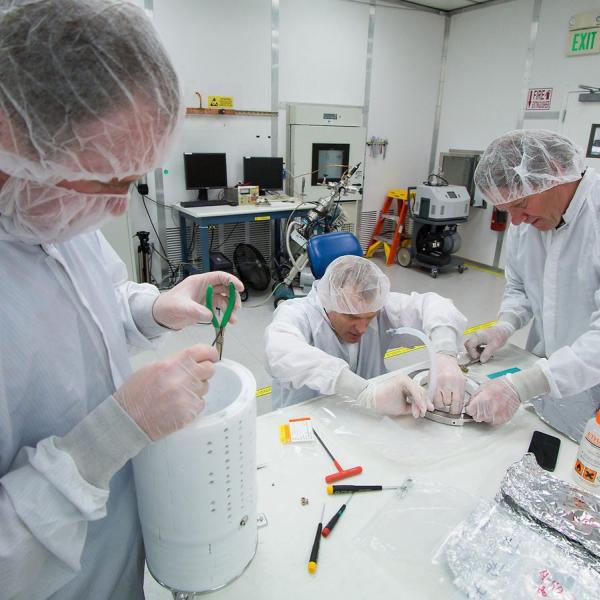
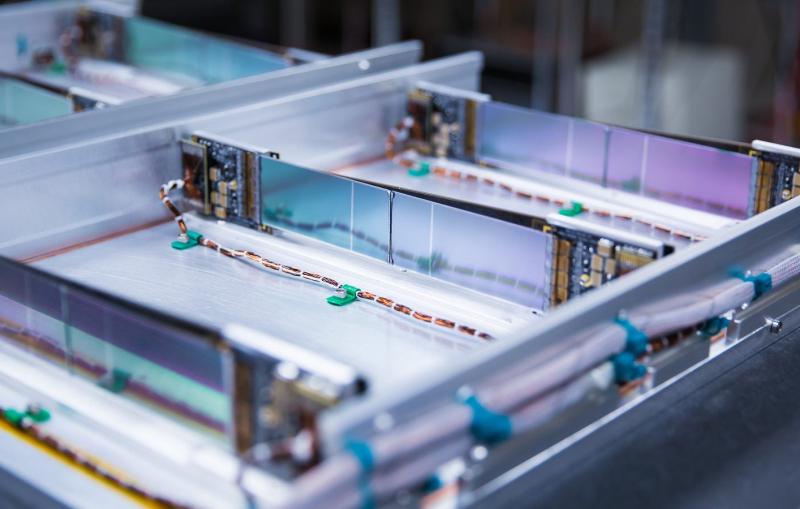
Construction has officially launched for the LZ next-generation dark matter experiment.

Feature
VIA Symmetry Magazine

Physics Love Poem Challenge

Think you can do better than the Symmetry staff? Send us your poems!

Feature

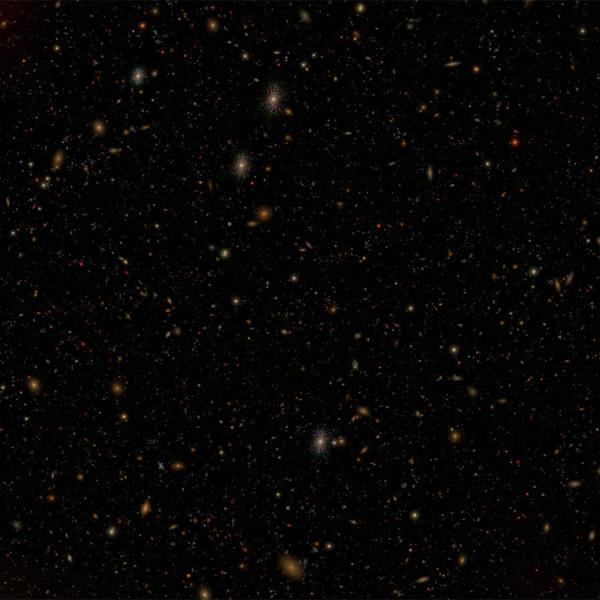
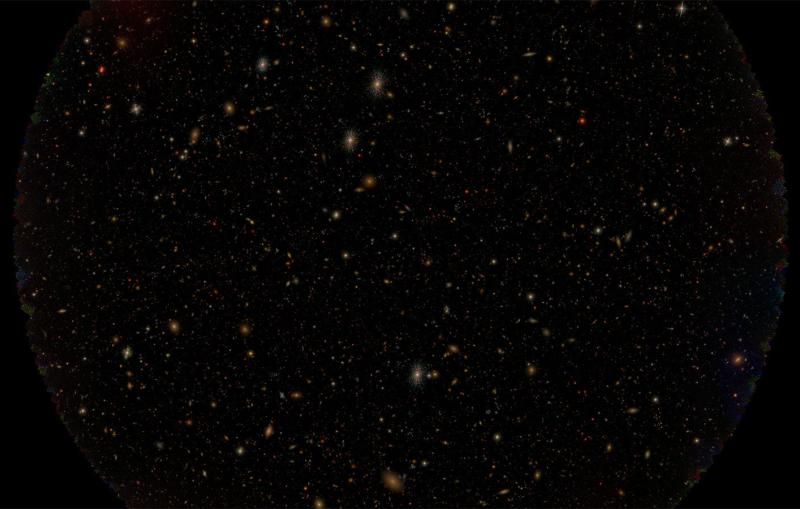
Using Twinkles, the new simulation of images of our night sky, scientists get ready for a gigantic cosmological survey unlike any before.

Feature
VIA Symmetry Magazine

How Heavy is a Neutrino?

The question is more complicated than it seems.