SLAC topics

Particle Astrophysics & Cosmology (PAC) RSS feed

To explore the birth of the universe, star and galaxy formation and the structure of space and time, SLAC researchers help develop cutting-edge technologies for a range of sensitive experiments.

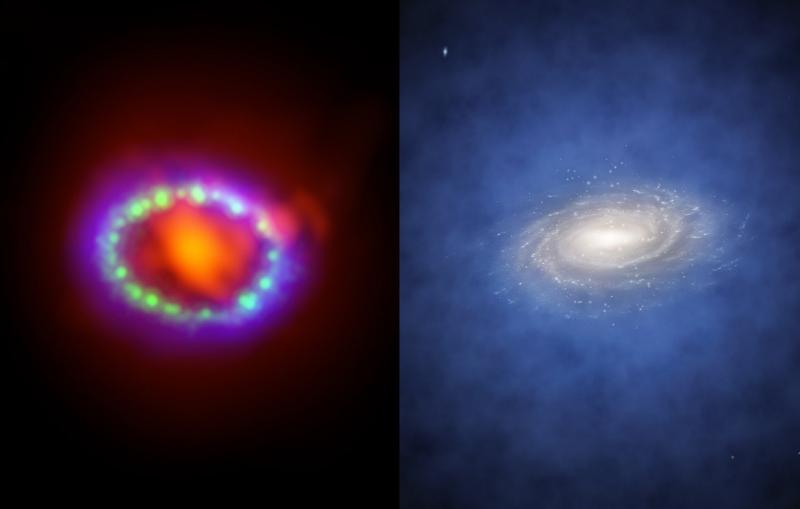
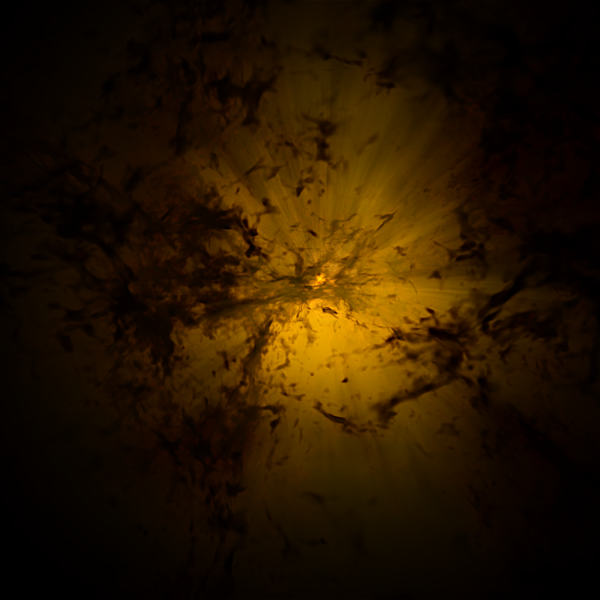
Speed of hydrogen gas in a rotating galaxy.
Feature
VIA Symmetry Magazine

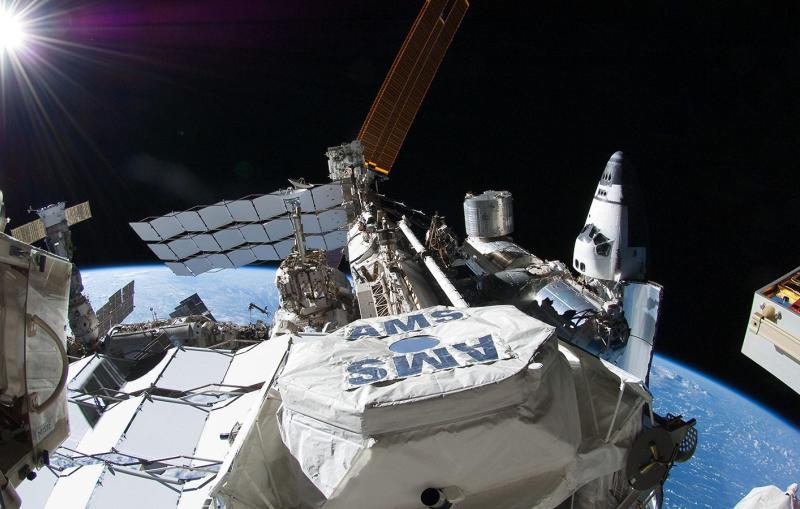
A Syllabus in Cosmic Rays

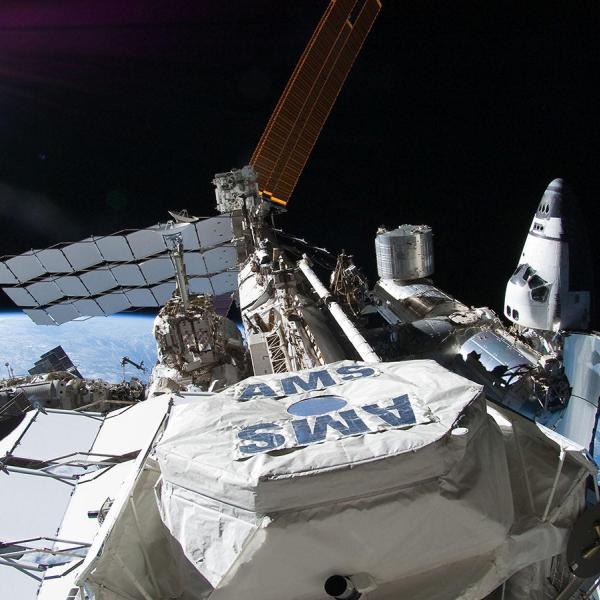
What have scientists learned in five years of studying cosmic rays with the Alpha Magnetic Spectrometer experiment?

Feature
VIA Symmetry Magazine

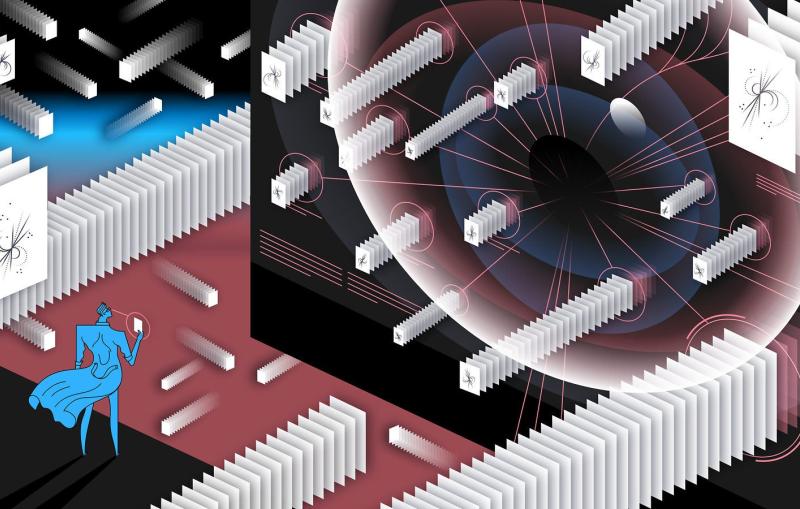
Deep Learning Takes on Physics

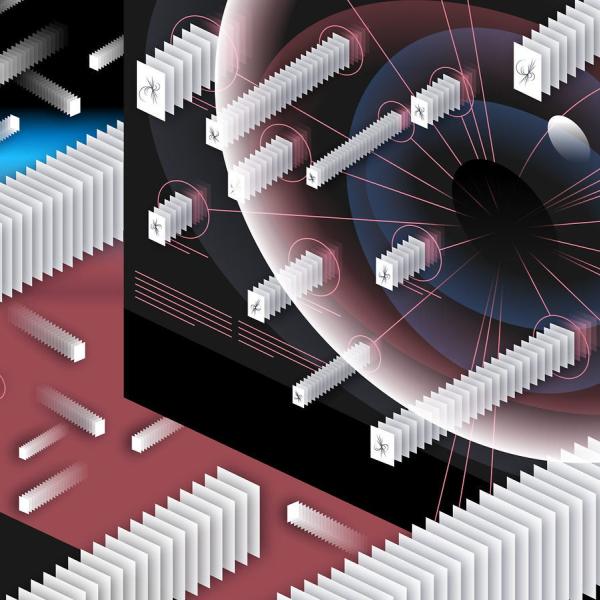
Can the same type of technology Facebook uses to recognize faces also recognize particles?

Feature

What are parallel universes, and why do we think they might exist?

Feature

KIPAC’s Ralf Kaehler and Tom Abel contributed two scenes to the science documentary narrated by Brad Pitt and Cate Blanchett.

Feature

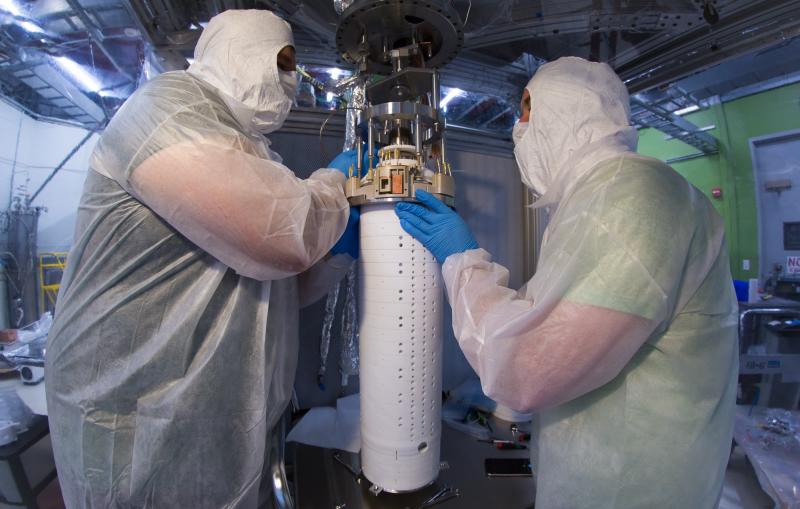
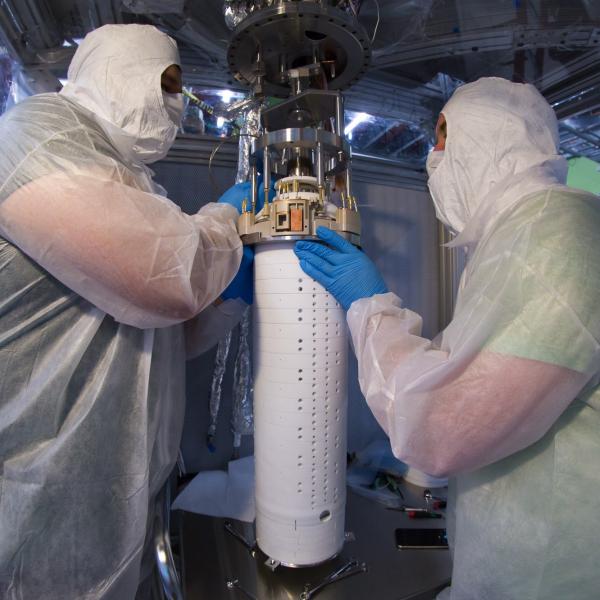
Underground experiment passes critical DOE review and prepares for startup in 2020.

Feature

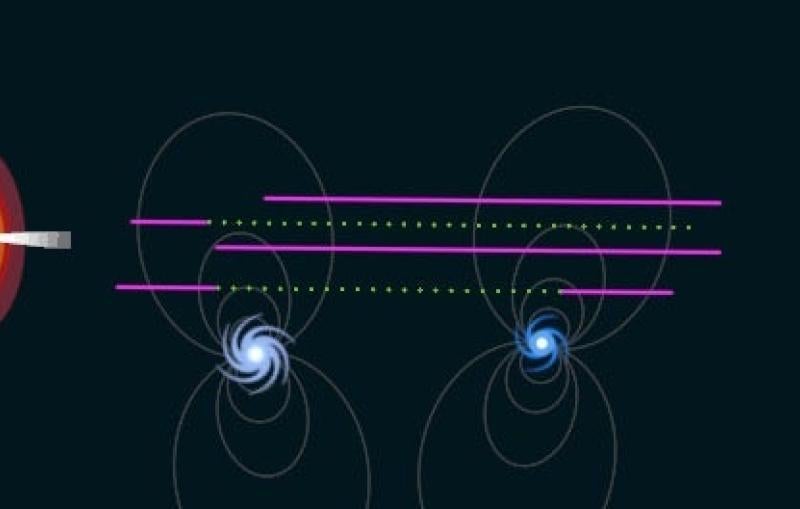
Three recent studies using data from the Fermi Gamma-ray Space Telescope have expanded the hunt for unexplained signals coming from beyond our galaxy.

Feature

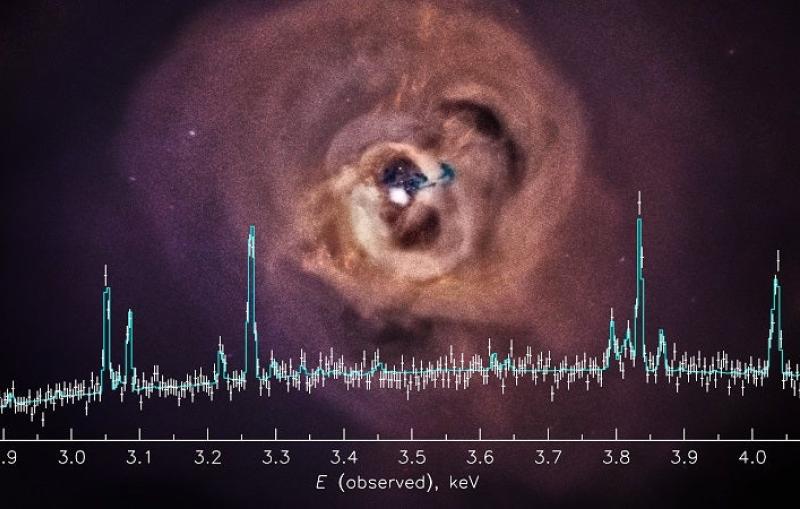
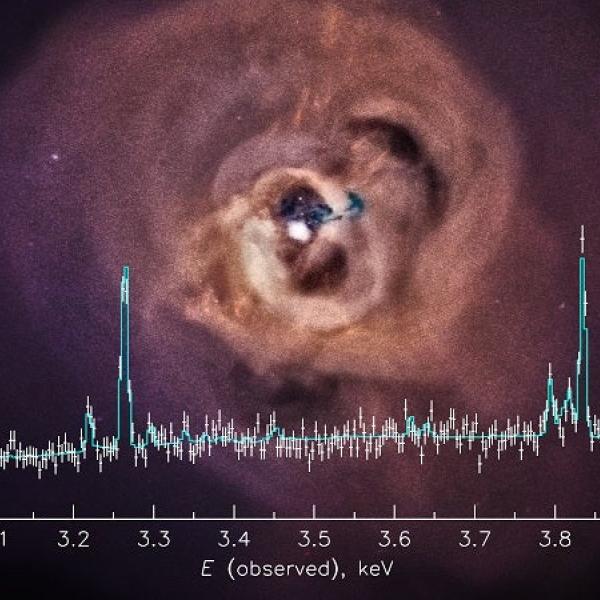
A previously detected, anomalously large X-ray signal is absent in new Hitomi satellite data, setting tighter limits for a dark matter interpretation.

Feature
VIA Symmetry Magazine

The Contents of the Universe

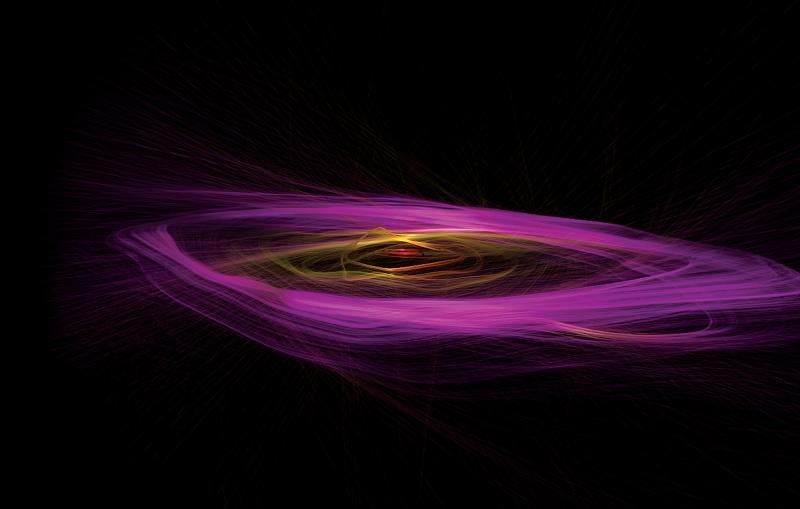
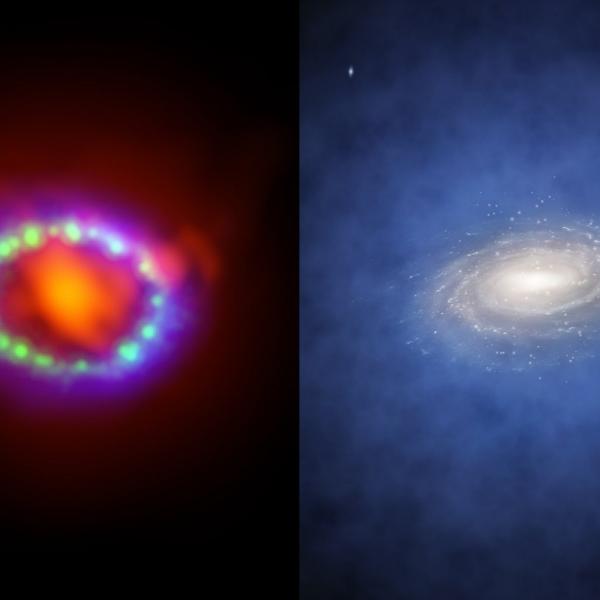
How do scientists know what percentages of the universe are made up of dark matter and dark energy?

Feature

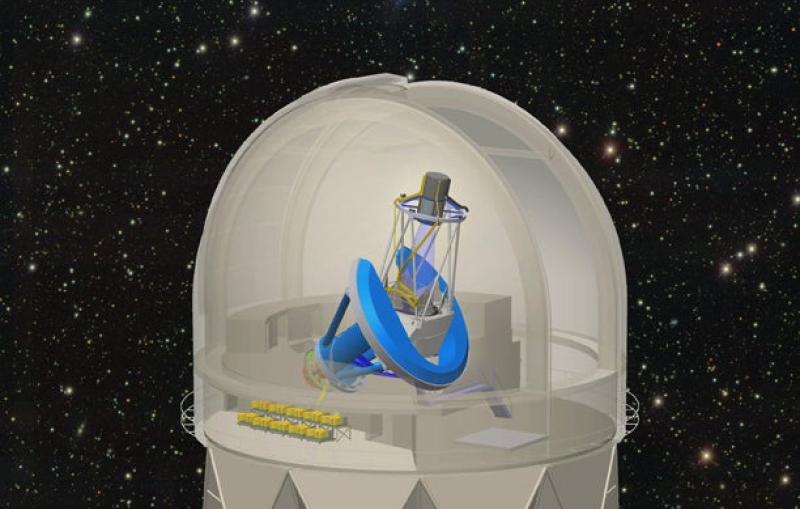
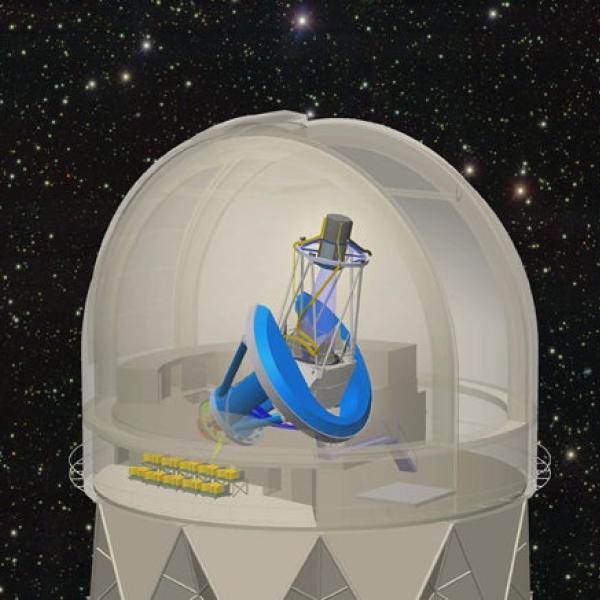
The Dark Energy Spectroscopic Instrument will measure light from 35 million cosmic objects for new insights into what causes the universe to expand faster...

Feature

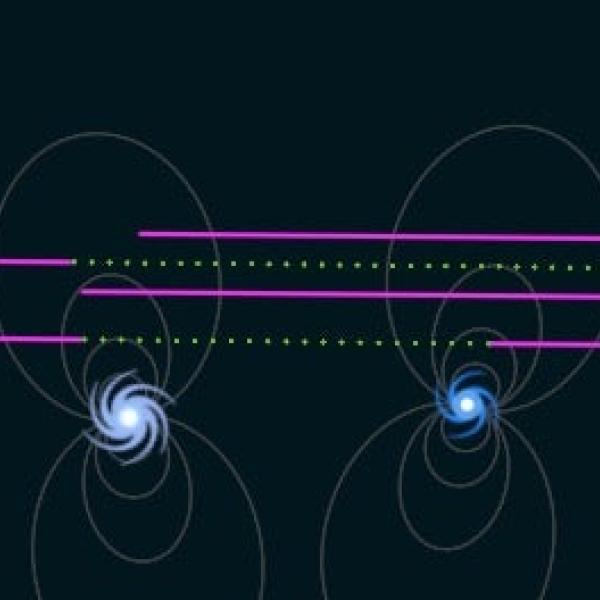
The scientists develop methods to study neutrinos from star explosions and search for unknown particles and forces with possible ties to dark matter.

Feature

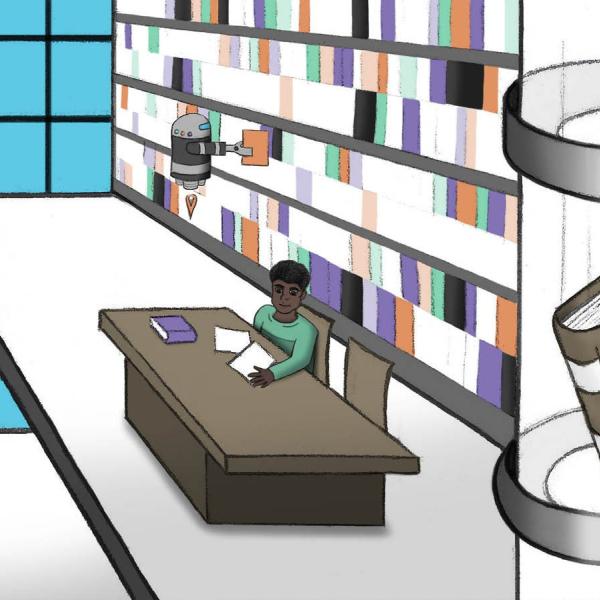
The first website to be hosted in the US has grown to be an invaluable hub for open science.

Feature

In its final run, the LUX experiment increased its sensitivity four-fold, but dark matter remains elusive.