To explore the birth of the universe, star and galaxy formation and the structure of space and time, SLAC researchers help develop cutting-edge technologies for a range of sensitive experiments.
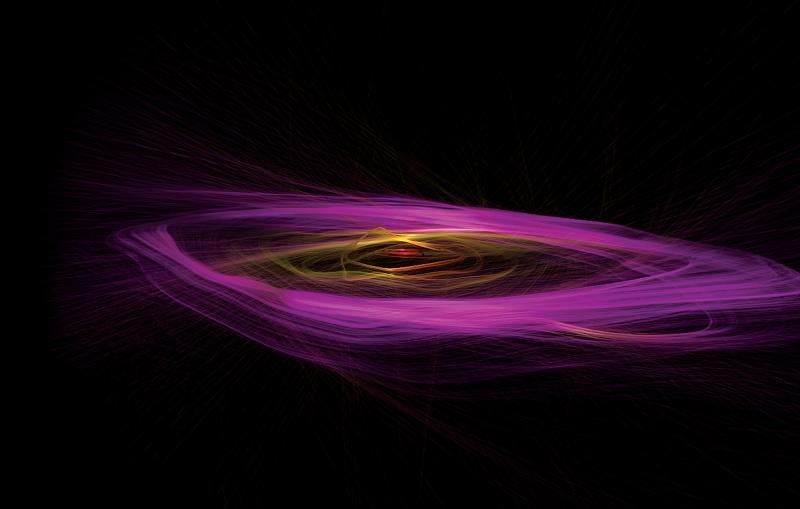
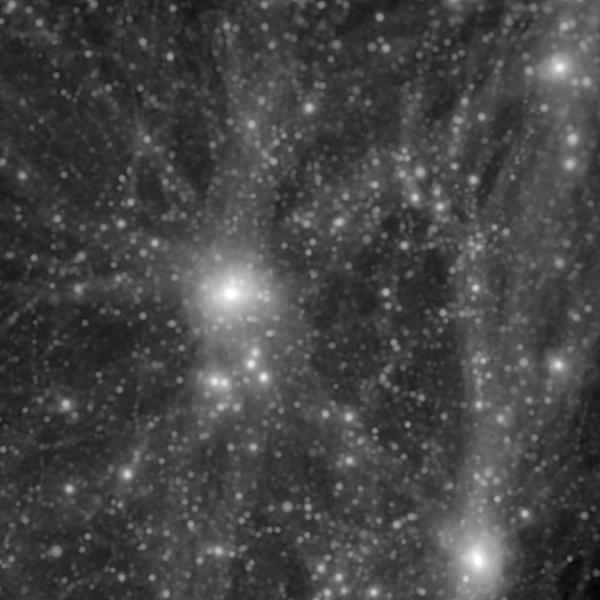
A visualization of the speed of hydrogen gas in a rotating galaxy from the early universe.
(Simulation by Ji-hoon Kim and Tom Abel, image by Ralf Kaehler/KIPAC)
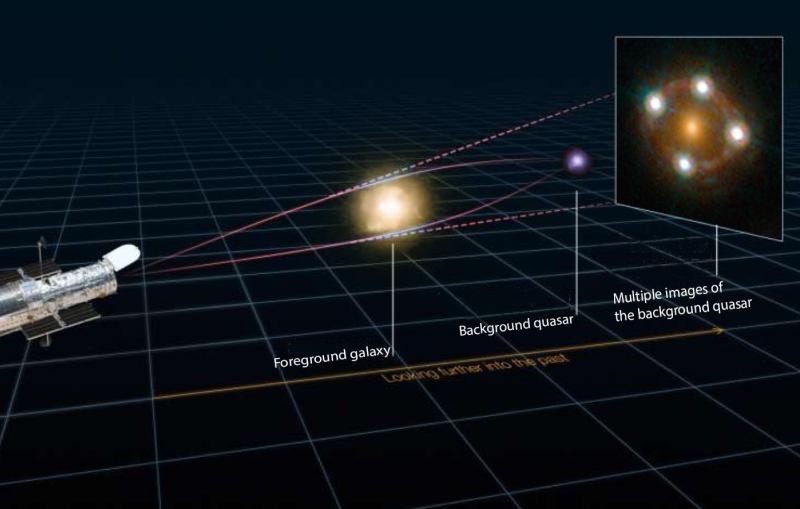
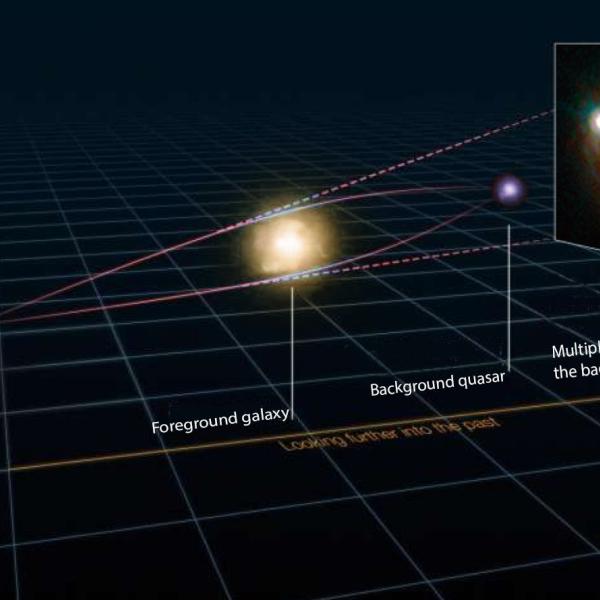
SLAC cosmologists are using multiple images of the same quasars, produced by massive galaxies’ gravitational pull, to calibrate cosmic distances. Their work may help...
Daniel Ratner, head of SLAC’s machine learning initiative, explains the lab’s unique opportunities to advance scientific discovery through machine learning.
Blandford’s major contributions range from energetic jets ripping forth from colossal black holes to cosmic “magnifying” glasses to gravitational waves.
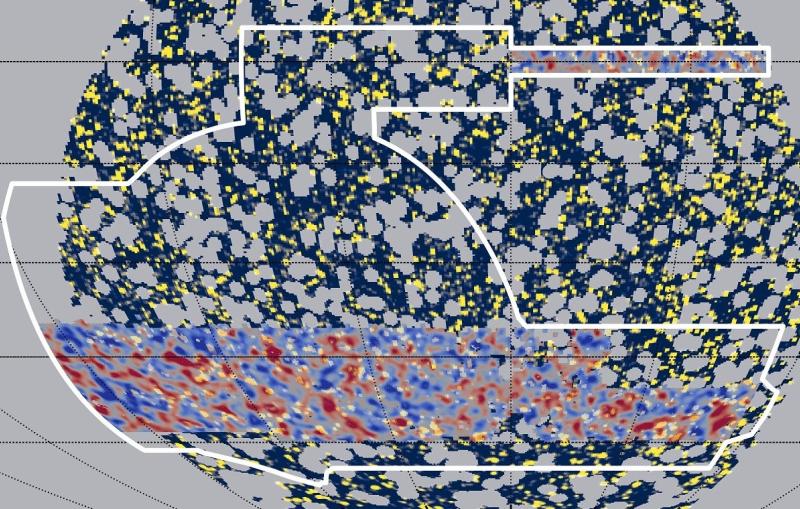
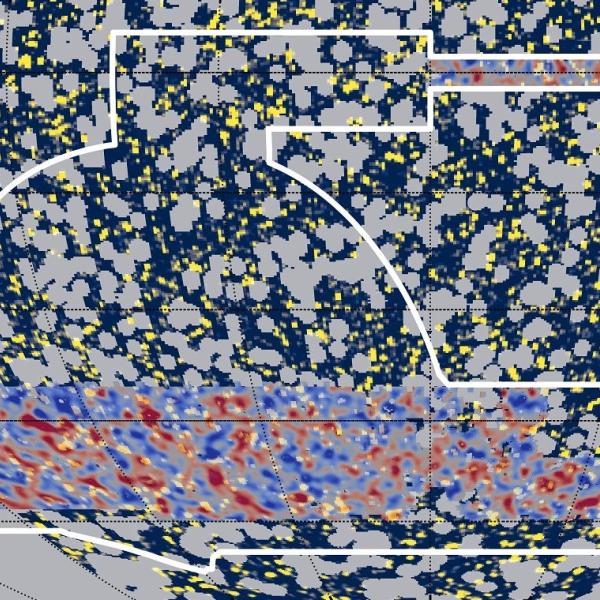
Matching up maps of matter and light from the Dark Energy Survey and Fermi Gamma-ray Space Telescope may help astrophysicists understand what causes a...
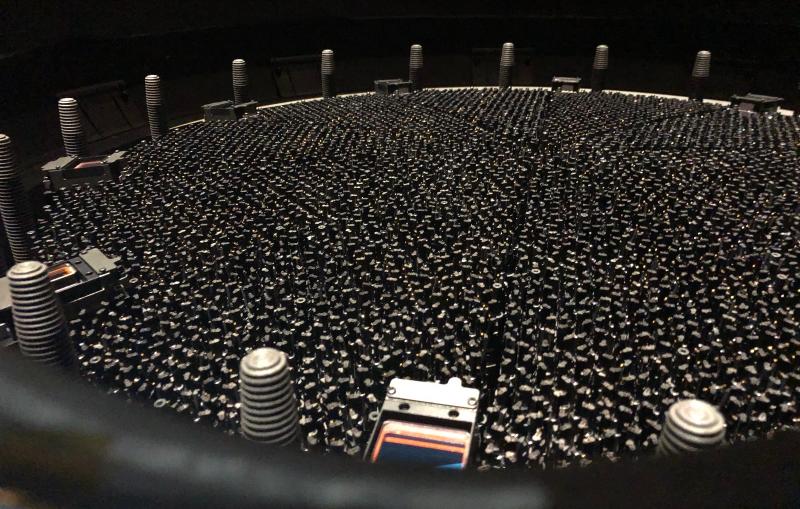
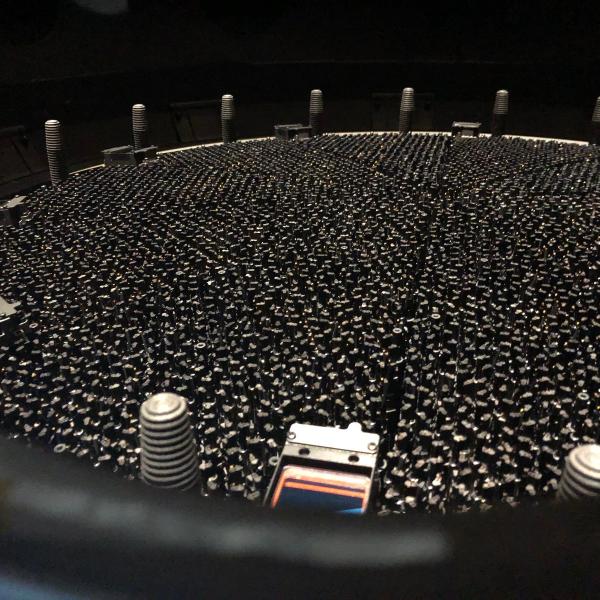
The Dark Energy Spectroscopic Instrument begins final testing, setting the stage for a 5-year survey that will analyze the light of 35 million galaxies.
SLAC cosmologists are using multiple images of the same quasars, produced by massive galaxies’ gravitational pull, to calibrate cosmic distances. Their work may help resolve long-standing debates about how quickly the universe is expanding.
Daniel Ratner, head of SLAC’s machine learning initiative, explains the lab’s unique opportunities to advance scientific discovery through machine learning.
Blandford’s major contributions range from energetic jets ripping forth from colossal black holes to cosmic “magnifying” glasses to gravitational waves.
Matching up maps of matter and light from the Dark Energy Survey and Fermi Gamma-ray Space Telescope may help astrophysicists understand what causes a faint cosmic gamma-ray glow.
The Dark Energy Spectroscopic Instrument begins final testing, setting the stage for a 5-year survey that will analyze the light of 35 million galaxies.
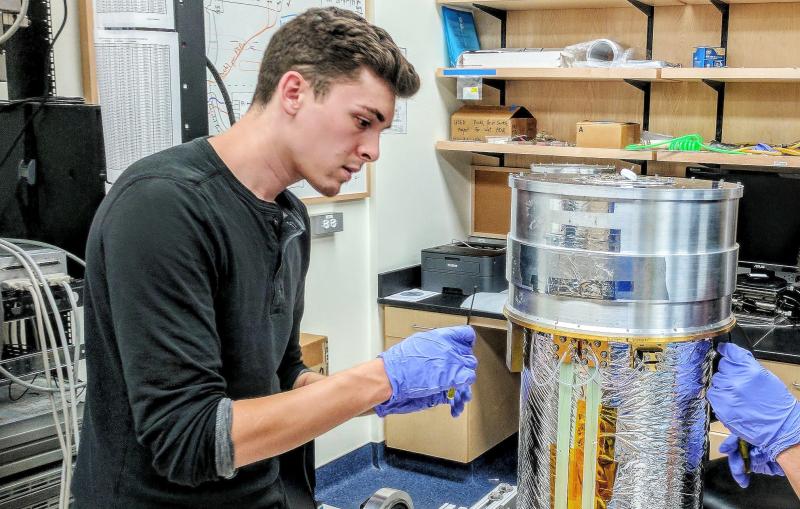
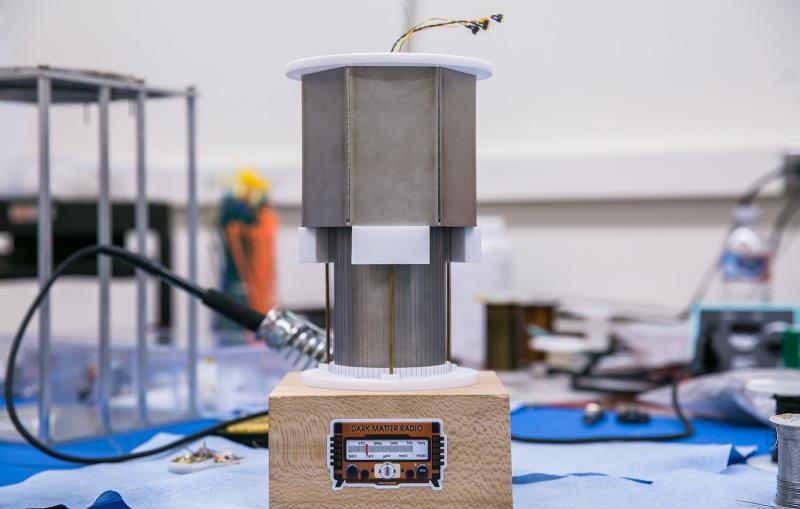
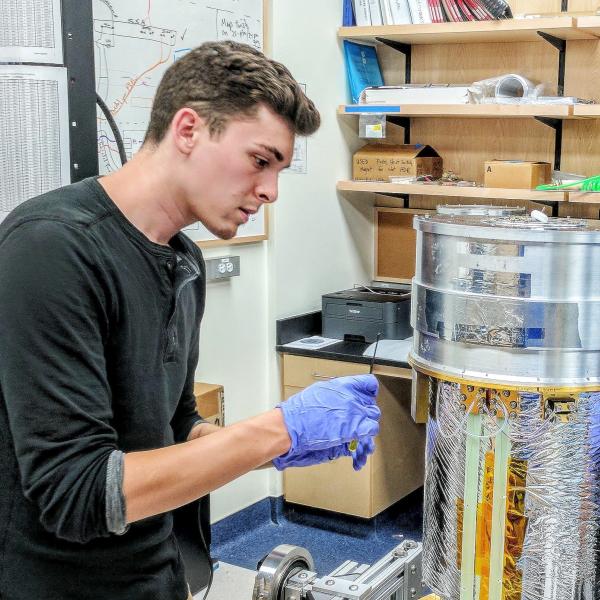
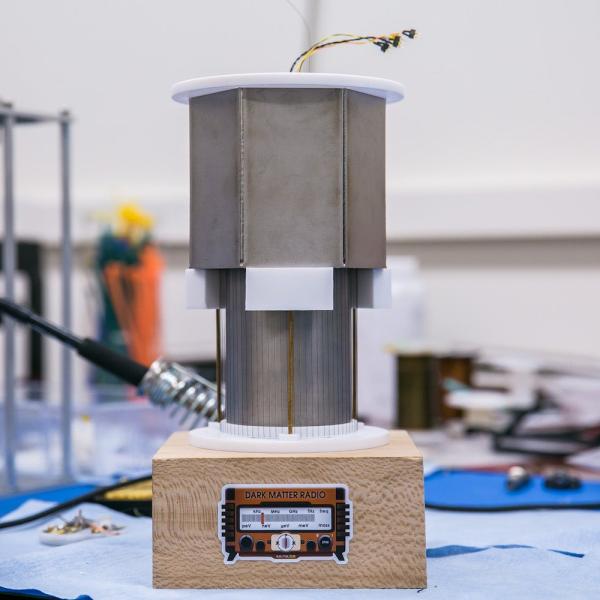
An “out there” theory inspired the development of the Dark Matter Radio, a device that could explain the mysterious matter that makes up 85 percent of the mass of our universe.