





SLAC develops materials to improve the performance of batteries, fuel cells and other energy technologies and set the stage for technologies of the future.
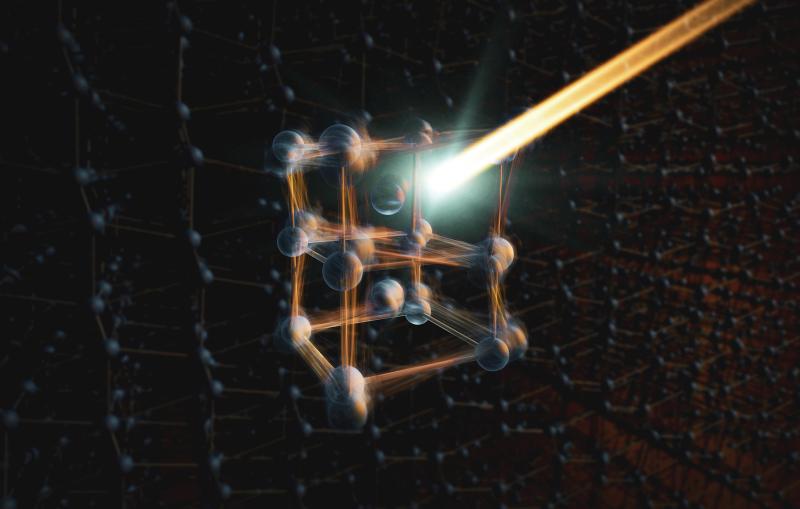
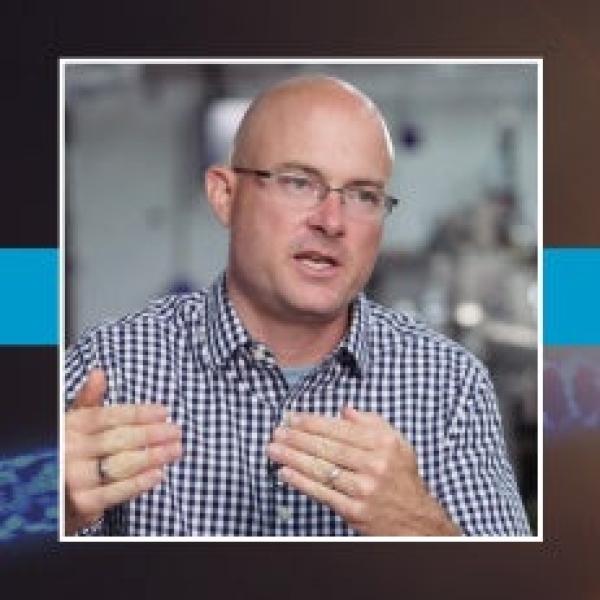
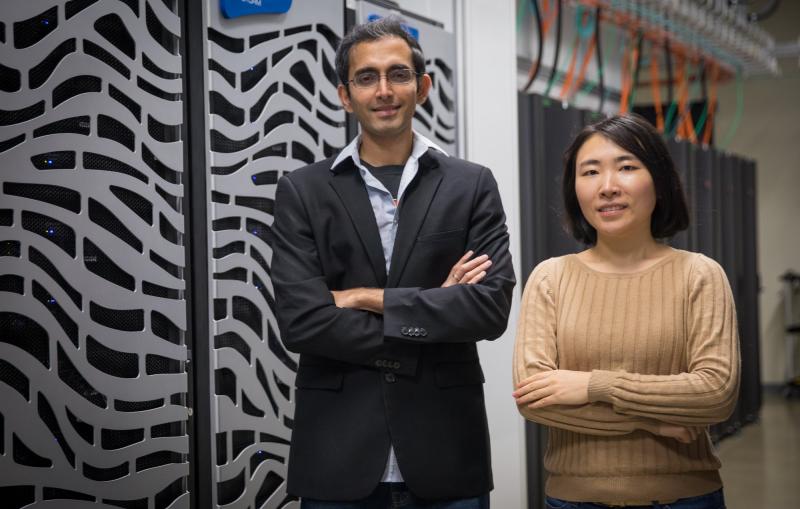
Aaron Lindenberg, associate professor at Stanford and SLAC, talks about how he combines X-ray and electron techniques to understand and engineer novel materials.
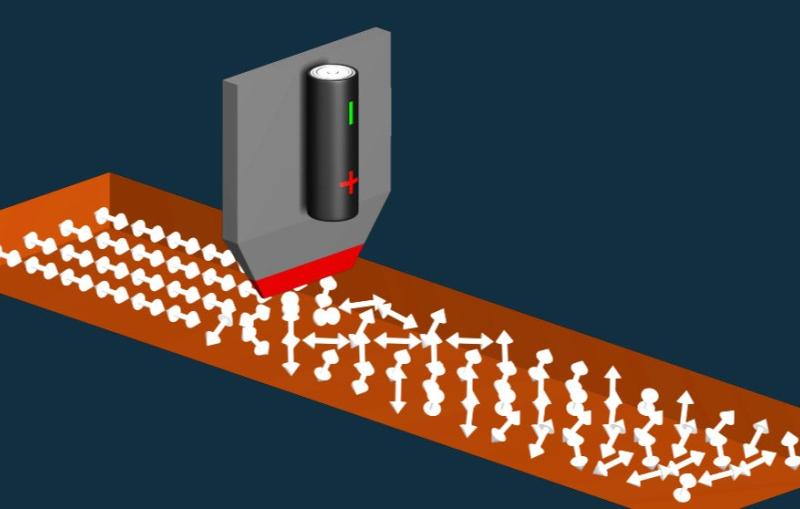
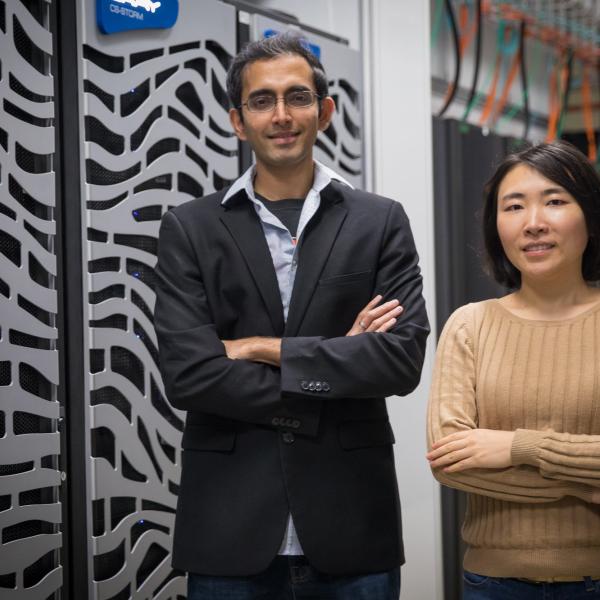
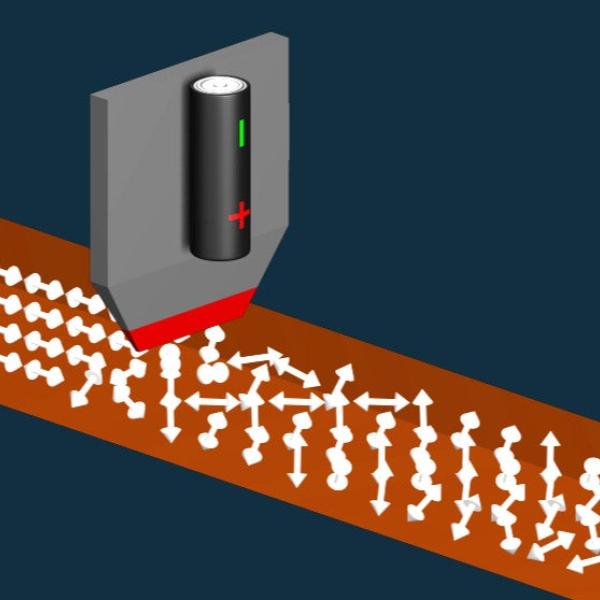
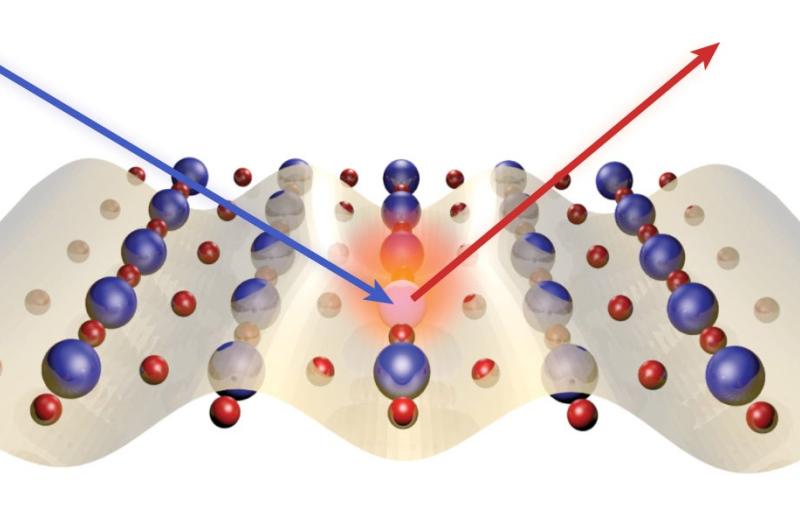
Computer simulations by SLAC physicists show how light pulses can create channels that conduct electricity with no resistance in some atomically thin semiconductors.
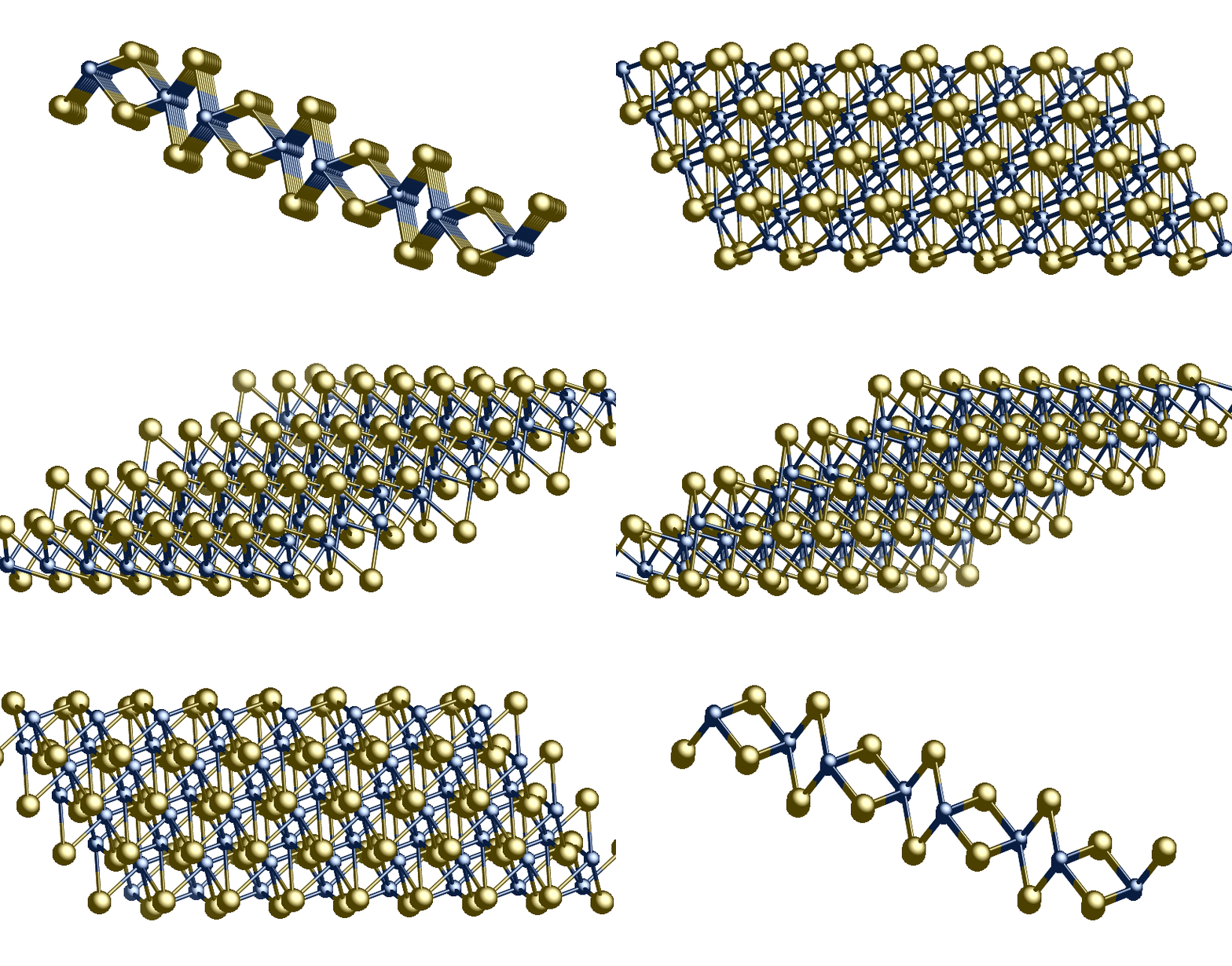
Scientists at Stanford and SLAC use diamondoids – the smallest possible bits of diamond – to assemble atoms into the thinnest possible electrical wires.
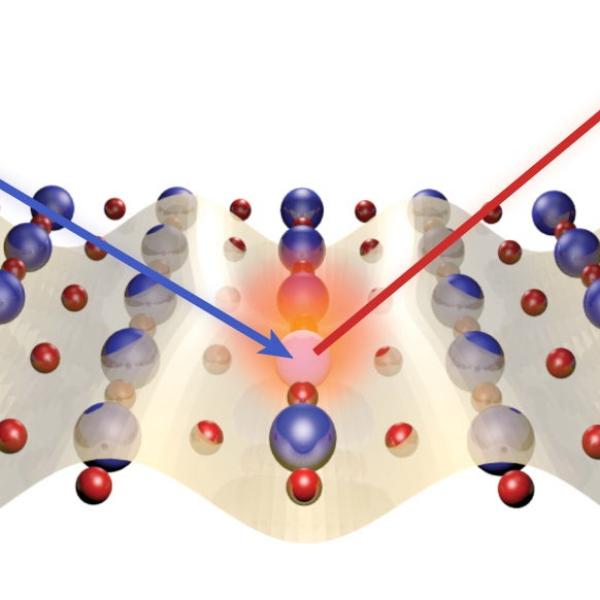
SLAC experiments demonstrate a new way to access valence electrons, which are important in forming chemical bonds and determine many of a material’s properties.
Aaron Lindenberg, associate professor at Stanford and SLAC, talks about how he combines X-ray and electron techniques to understand and engineer novel materials.
Computer simulations by SLAC physicists show how light pulses can create channels that conduct electricity with no resistance in some atomically thin semiconductors.
Scientists at Stanford and SLAC use diamondoids – the smallest possible bits of diamond – to assemble atoms into the thinnest possible electrical wires.
SLAC experiments demonstrate a new way to access valence electrons, which are important in forming chemical bonds and determine many of a material’s properties.