SLAC topics

LCLS-II RSS feed

LCLS-II is a transformative upgrade for energy science, qualitatively changing the way that X-ray imaging, scattering and spectroscopy can be used to study how natural and artificial systems function. The upgrade empowers LCLS to produce X-ray pulses that are 10,000 times brighter than before and that arrive up to a million times per second.

Related Link:
LCLS-II

Illustration of SLAC's cryoplant refrigerator.
Feature

The lab’s signature particle highway prepares to enter another era of transformative science as the home of the LCLS-II X-ray laser.

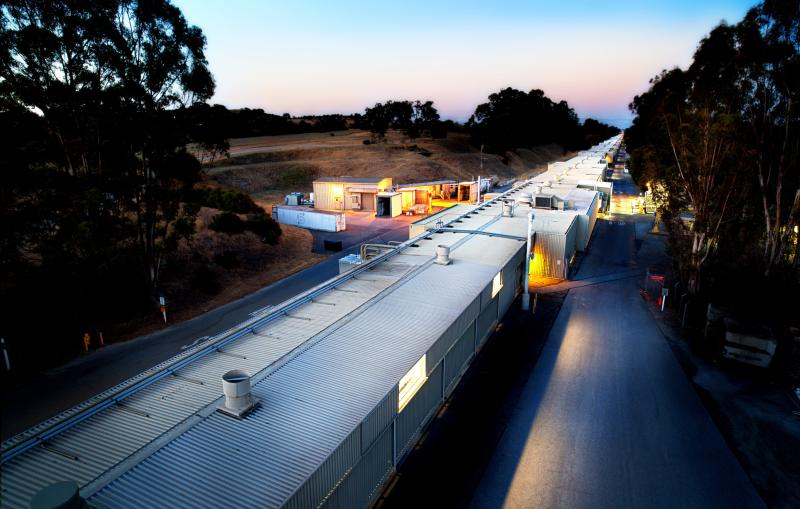
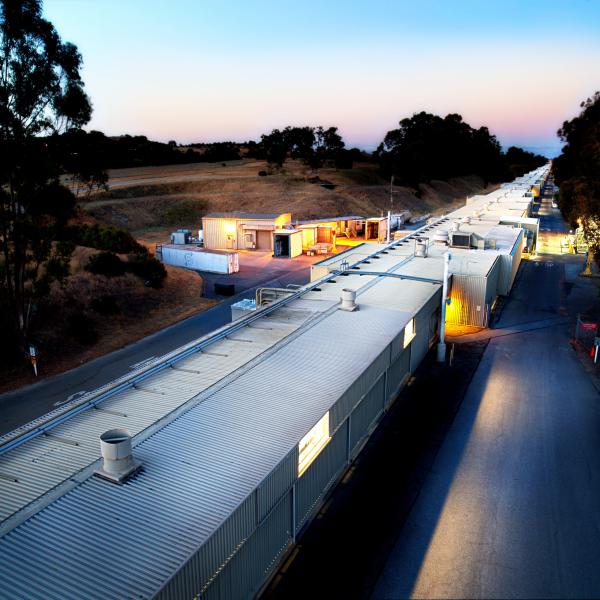
SLAC linear accelerator building at sunset
Feature

Using data from the world’s most powerful X-ray laser at the Department of Energy's SLAC National Accelerator Laboratory, an international team of scientists has...

News Release

Upgrade will sharpen our view of nature’s atomic processes at work, aiding the development of a number of transformative technologies.

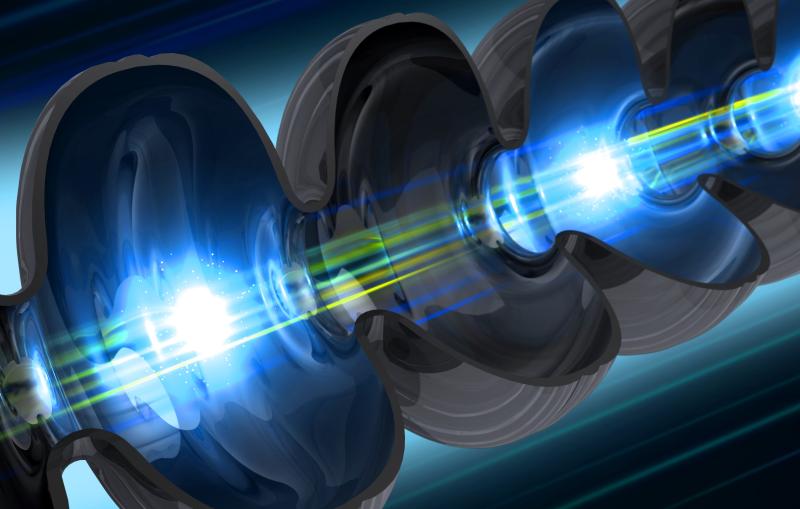
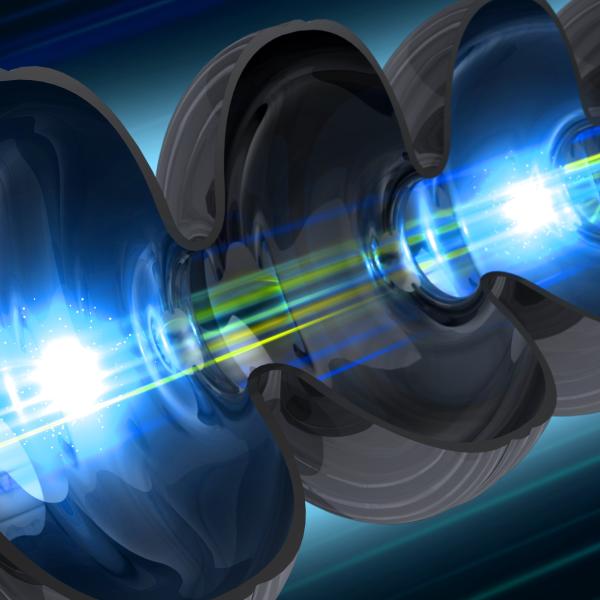
Illustration of an electron beam traveling through a niobium cavity.
Feature

President Obama honored a SLAC and UCLA scientist for work that paved the way for the brightest sources of X-ray light on the planet.

Image - Claudio Pellegrini, right, talks with President Obama in the Oval Office on Tuesday. (Pete Souza/Official White House Photo)
Feature

The fellowship will support their research on new capabilities for the lab's X-ray free-electron lasers and new telescope technology to look for signs of...

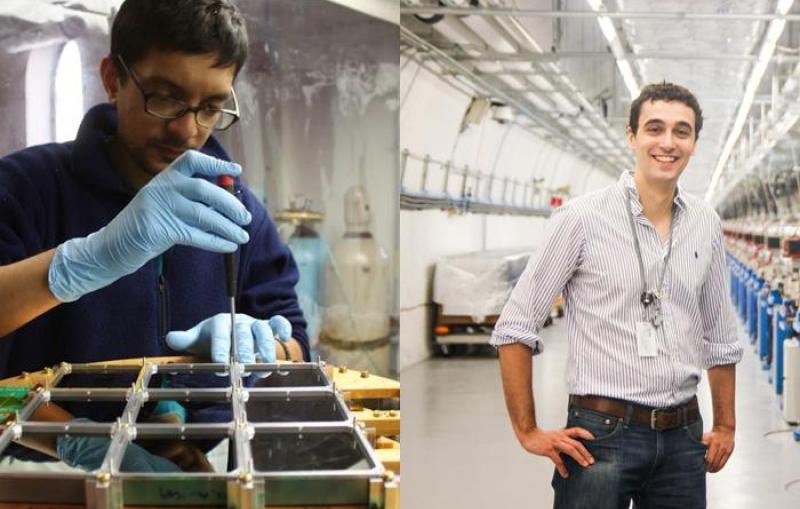
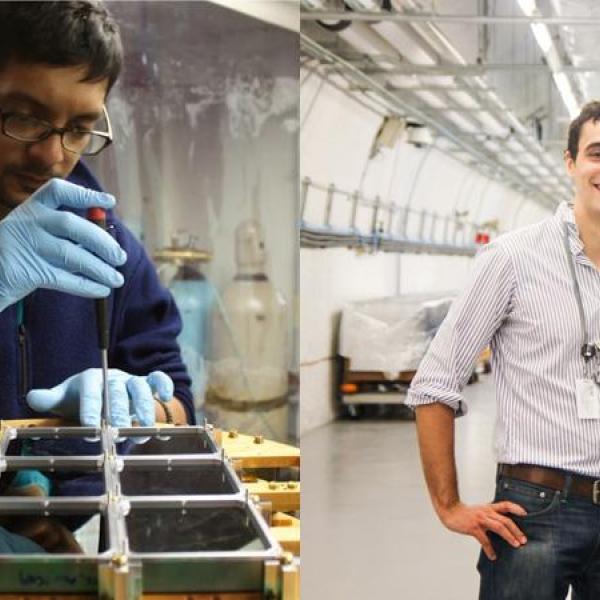
Zeeshan Ahmed and Agostino Marinelli, SLAC's 2015 Panofsky Fellows
Feature

SLAC visiting scientist and consulting professor Claudio Pellegrini is honored for contributions to free-electron laser science.

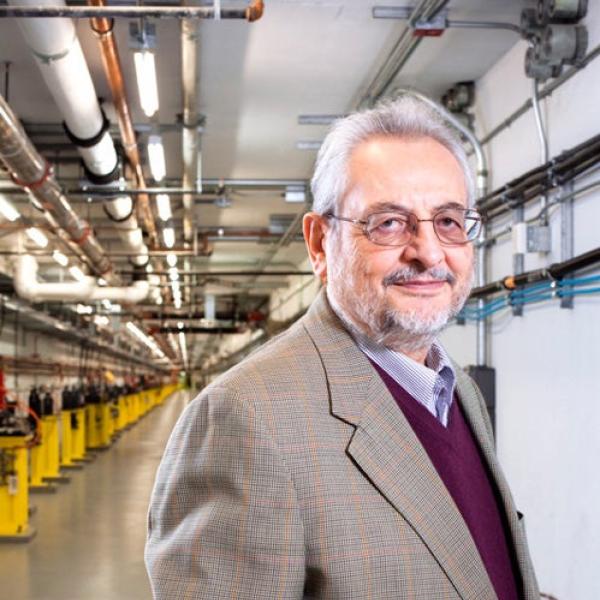
Image - Claudio Pellegrini stands in the Linac Coherent Light Source Beam Transport Hall. The accelerated electron beam passes through here to the Undulator Hall, where electron bunches generate X-rays. (Michelle McCarron)
Feature

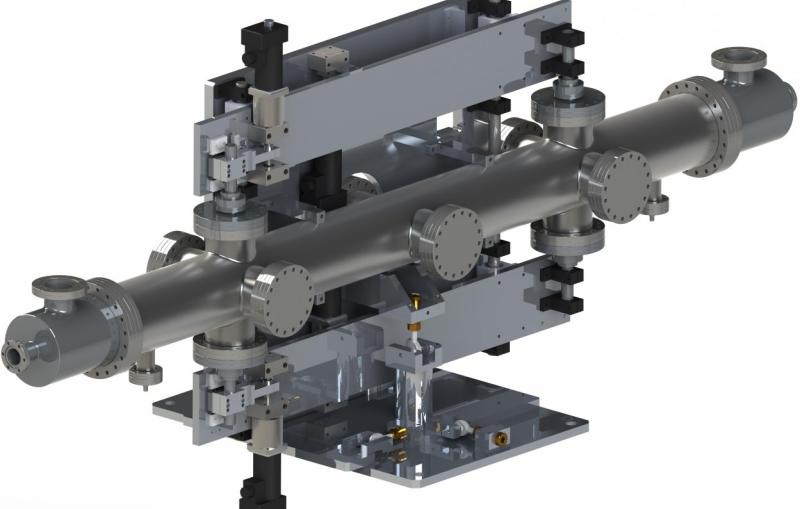
SLAC and RadiaBeam Systems have teamed up to construct a “dechirper” that will allow scientists to adjust the “color spectrum” of X-ray pulses in...

Feature

DOE-funded Program Benefits Companies, the Lab and Society

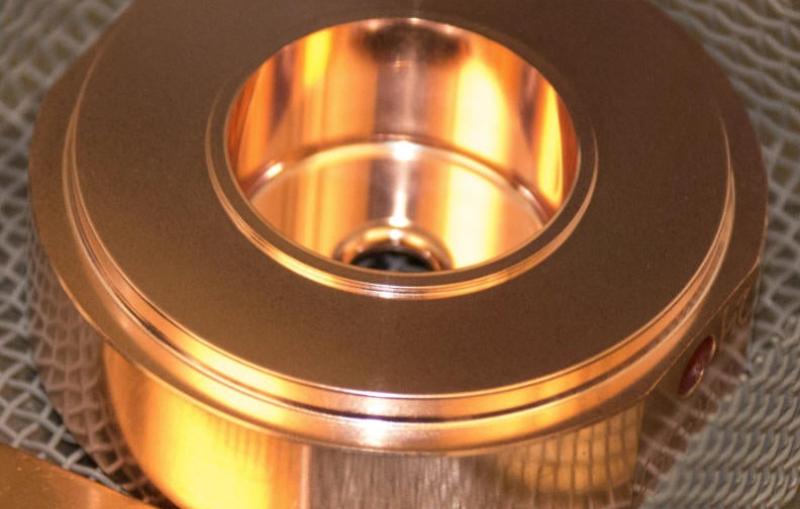
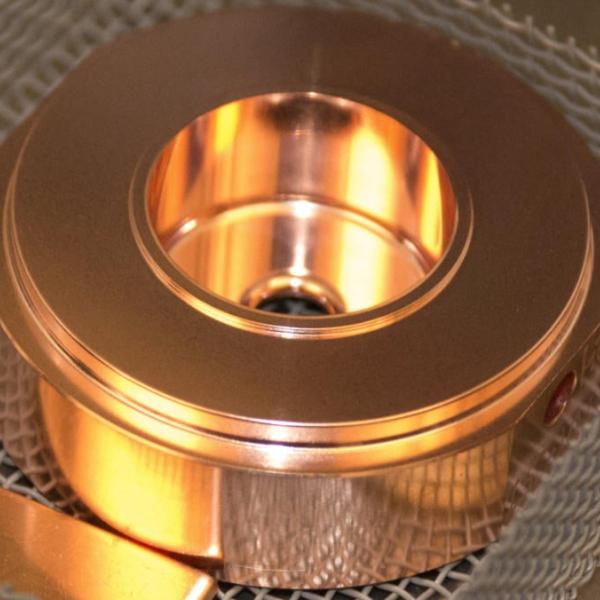
A copper acceleration cavity with an extremely thin coating of tungsten.
Feature

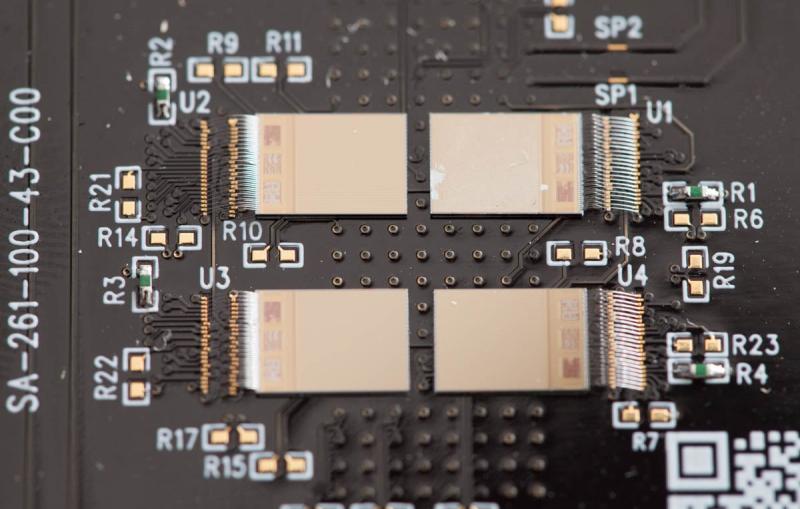
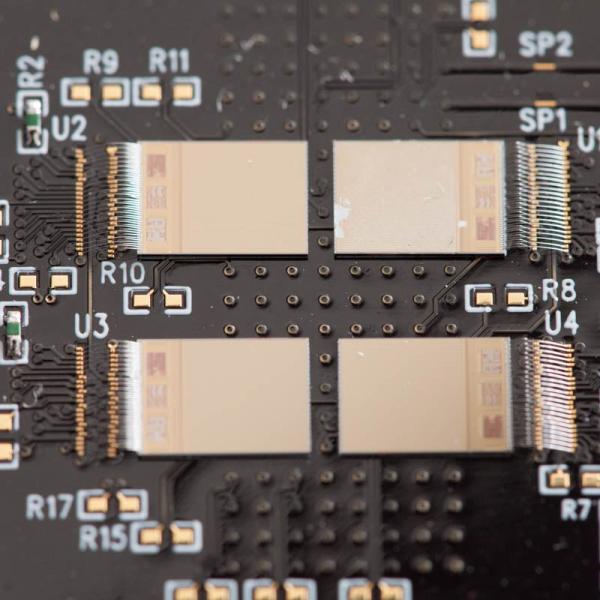
Scientists in SLAC's Integrated Circuits Department reach a new frontier in ultrafast X-ray science with intricately designed signal-processing chips that translate particles of light...

Four ePix100 prototype chips bonded in a test setup. (Brad Plummer/SLAC)
Feature

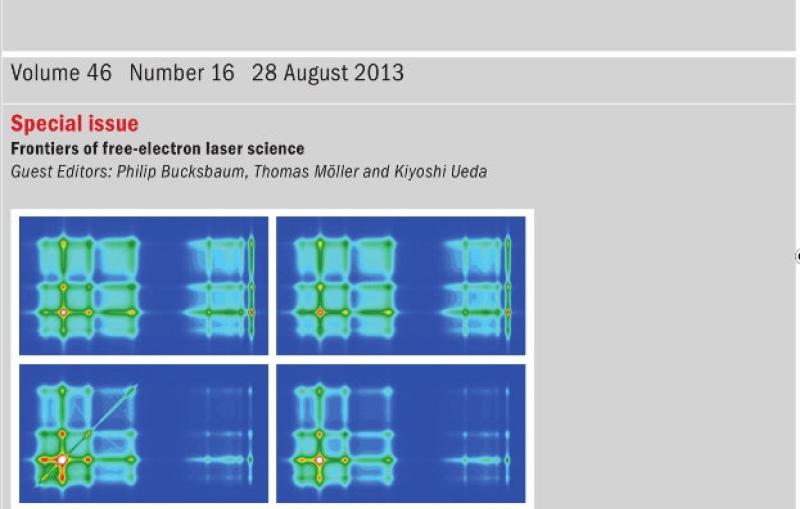
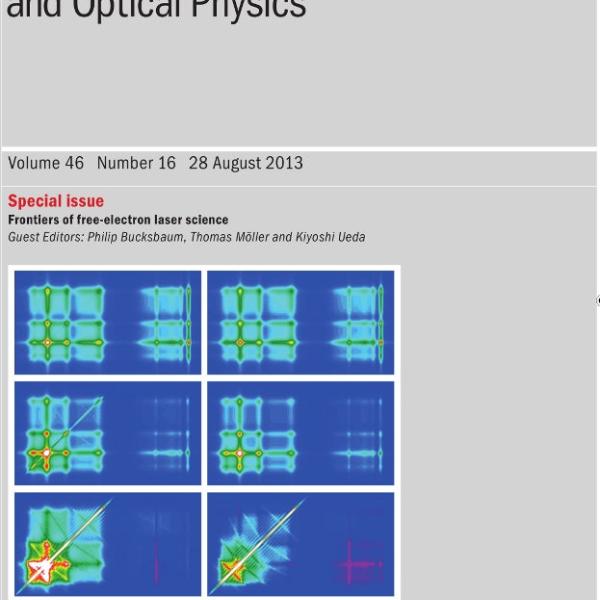
A special issue of a physics publication highlights the contributions of SLAC's X-ray laser and the few similar lasers around the globe in probing...

Cover art for "Frontiers of free-electron laser scien...
Feature

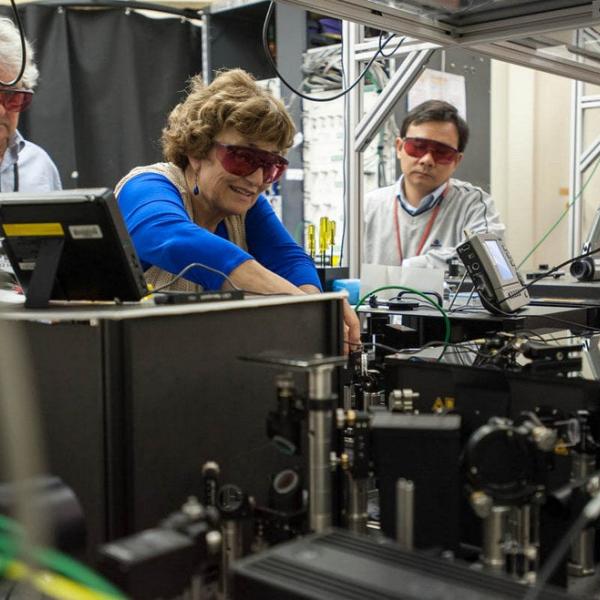
It all comes down to one tiny spot on a diamond-cut, highly pure copper plate.

Photo - SLAC's Sasha Gilevich, middle, works on laser...
Feature

It's no surprise that the data systems for SLAC's Linac Coherent Light Source X-ray laser have drawn heavily on the expertise of the particle...

Photo - Amedeo Perazzo.