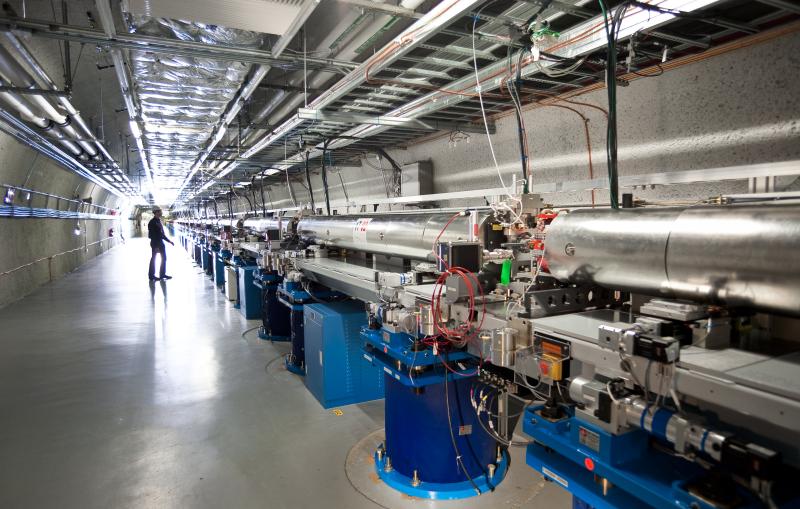
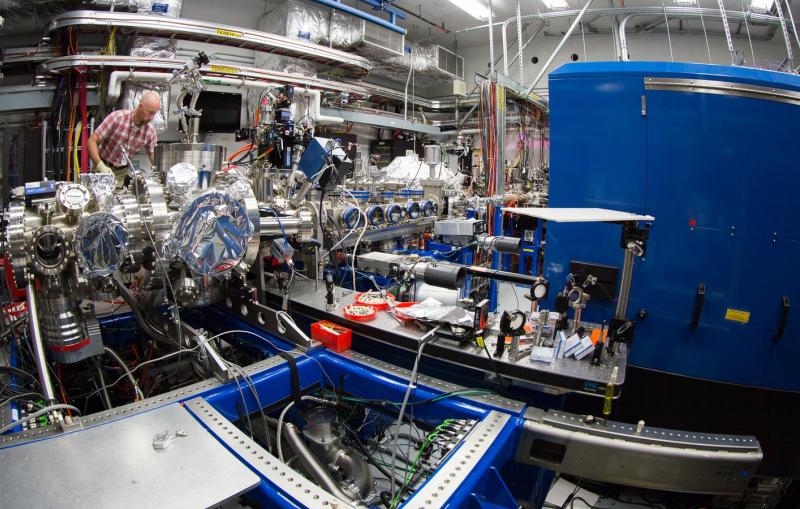
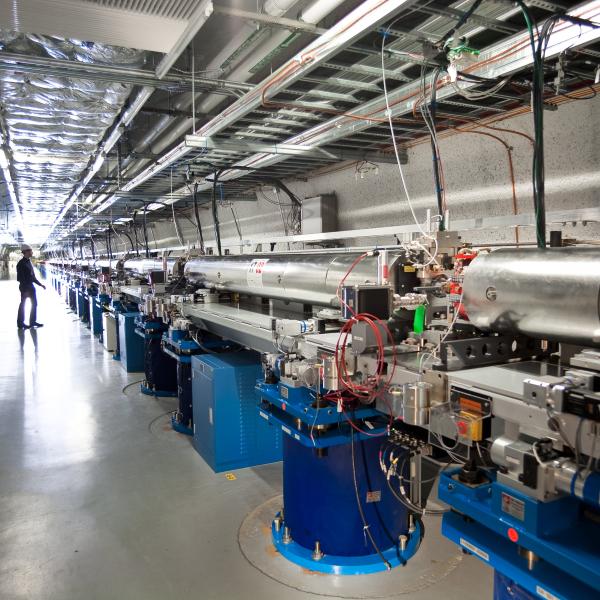
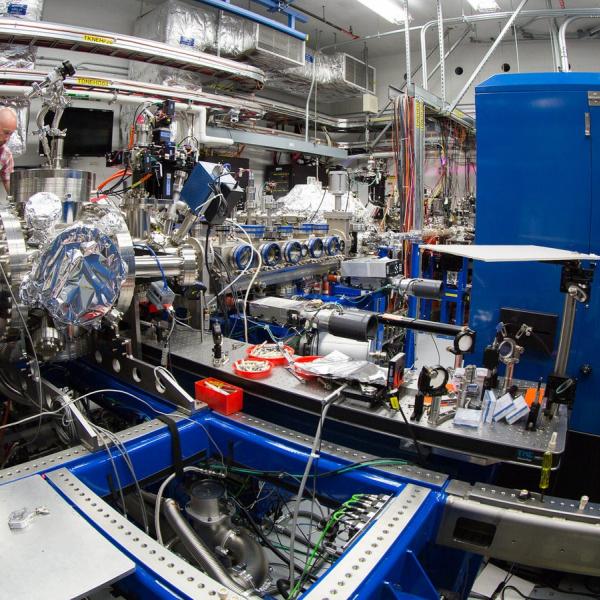
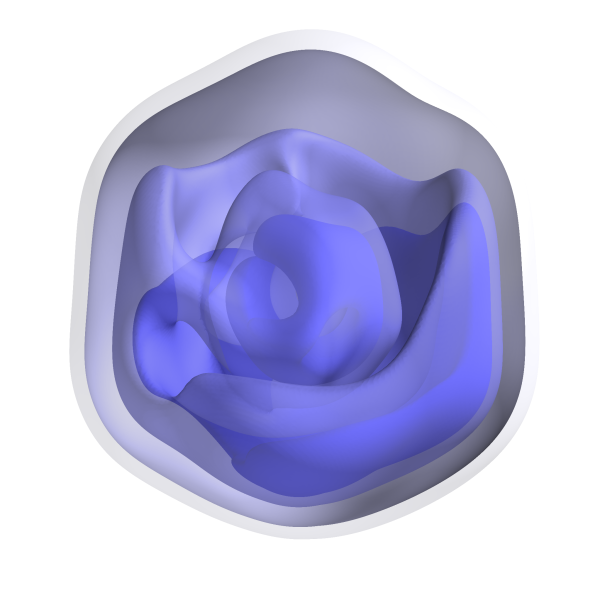
The Atomic, Molecular & Optical Science instrument was situated on one of the soft X-ray branches of the LCLS that delivers intense ultra short pulses of X-rays.
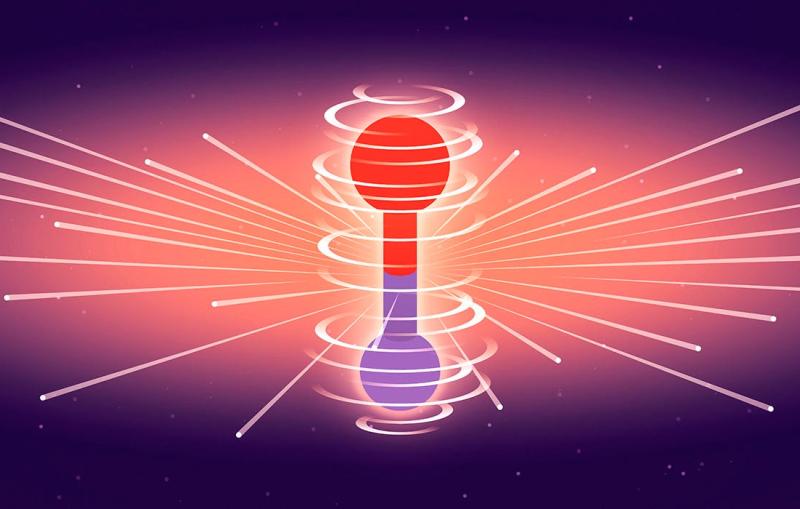
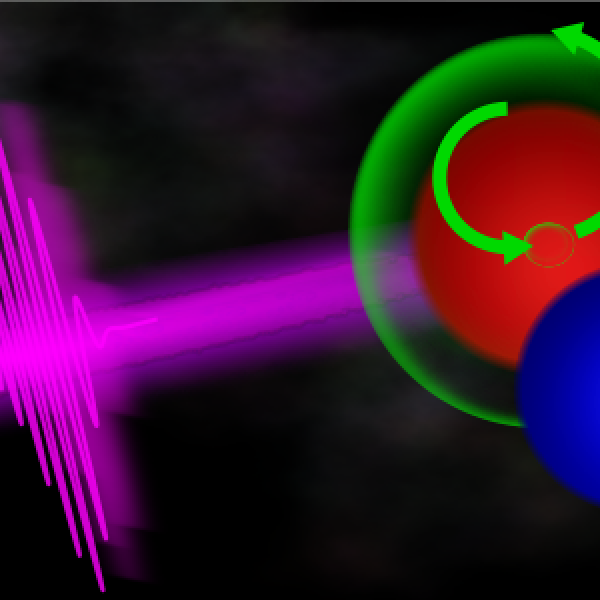
At SLAC’s Linac Coherent Light Source (LCLS), a team of researchers used attosecond pulses, lasting just billionths of a billionth of a second, to track electron motion in an excited quantum state of matter.
( Greg Stewart/SLAC National Accelerator Laboratory)
The high-energy upgrade will keep the U.S. at the forefront of X-ray science and technology, allowing researchers to advance fields such as sustainability, human...
With up to a million X-ray flashes per second, 8,000 times more than its predecessor, it transforms the ability of scientists to explore atomic-scale...
Researchers demonstrate a new ability to drive and track electronic motion, which is crucial to understanding the role of electrons in chemical processes and...
A major international effort at SLAC is focused on improving our views of intact viruses, living bacteria and other tiny samples using the brightest...
In this lecture, SLAC’s Ryan Coffee explains how researchers are beginning to use pattern recognition and machine learning to study chemical reactions at the...
News Brief · Via Max Planck Institute for Nuclear Physics
The high-energy upgrade will keep the U.S. at the forefront of X-ray science and technology, allowing researchers to advance fields such as sustainability, human health and quantum information.
With up to a million X-ray flashes per second, 8,000 times more than its predecessor, it transforms the ability of scientists to explore atomic-scale, ultrafast phenomena that are key to a broad range of applications, from quantum materials to clean...
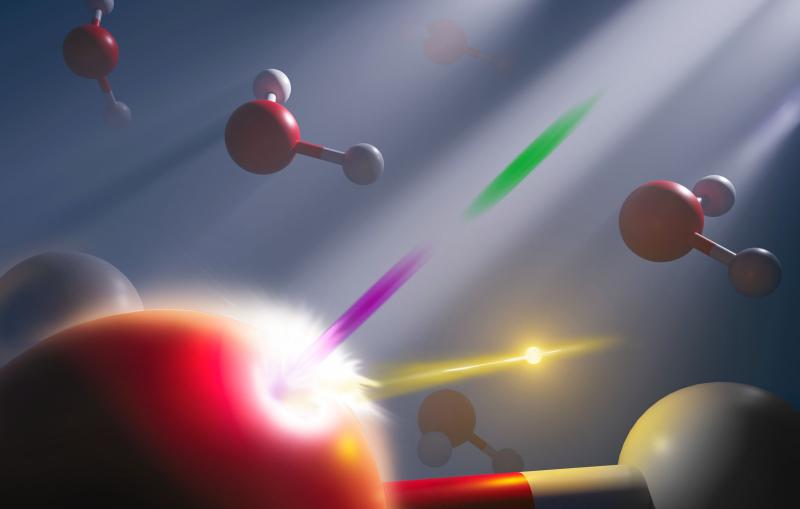
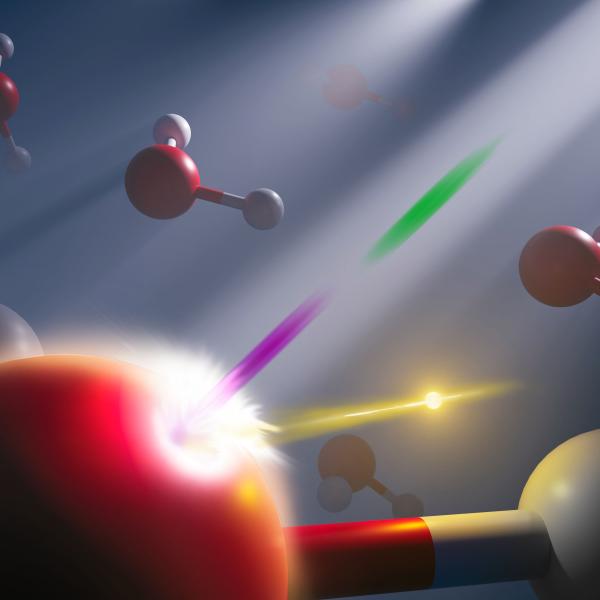
Less than a millionth of a billionth of a second long, attosecond X-ray pulses allow researchers to peer deep inside molecules and follow electrons as they zip around and ultimately initiate chemical reactions.
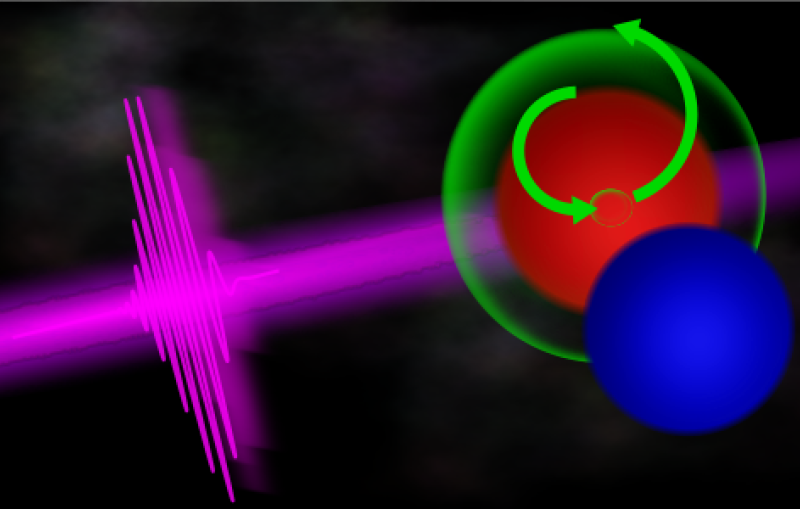
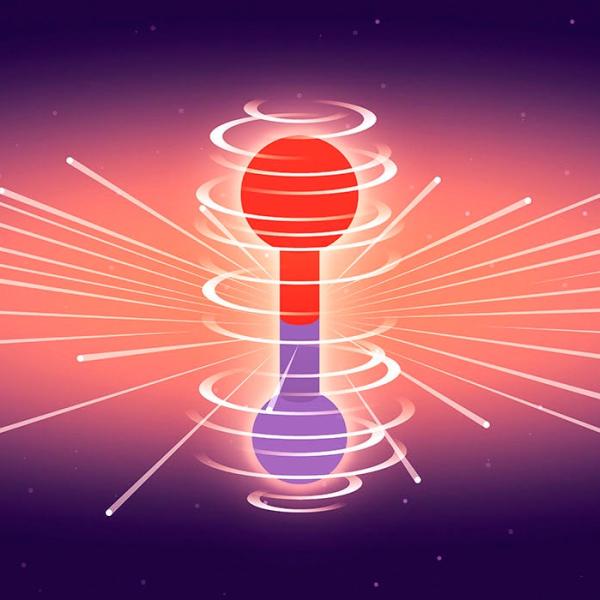
Researchers demonstrate a new ability to drive and track electronic motion, which is crucial to understanding the role of electrons in chemical processes and how quantum coherence evolves on the shortest timescales.
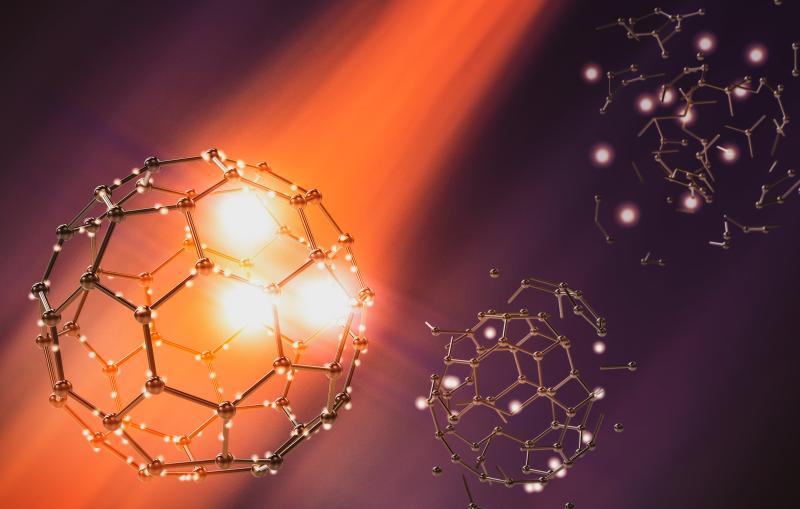
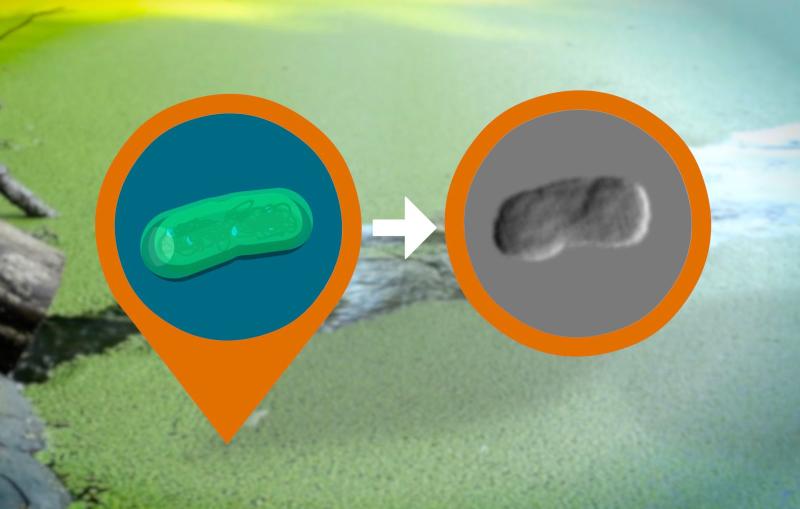
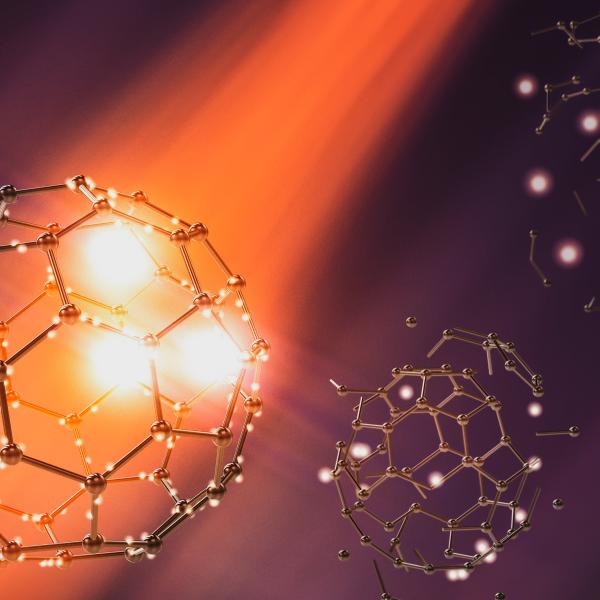
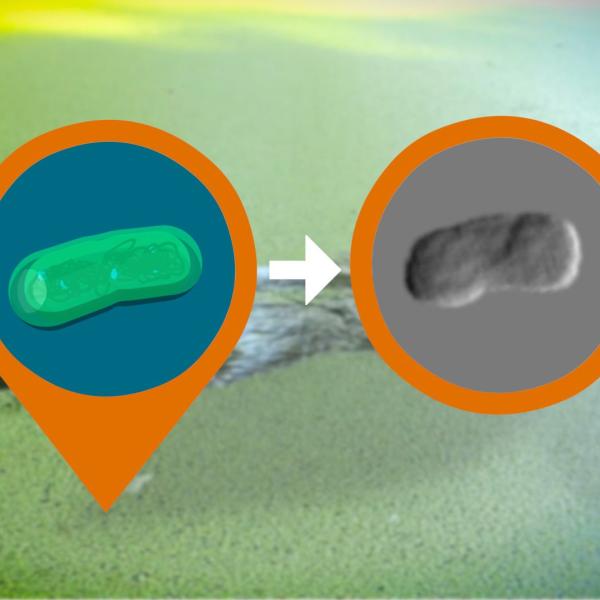
A major international effort at SLAC is focused on improving our views of intact viruses, living bacteria and other tiny samples using the brightest X-ray light on Earth.
In this lecture, SLAC’s Ryan Coffee explains how researchers are beginning to use pattern recognition and machine learning to study chemical reactions at the level of atoms and molecules with the LCLS X-ray laser.