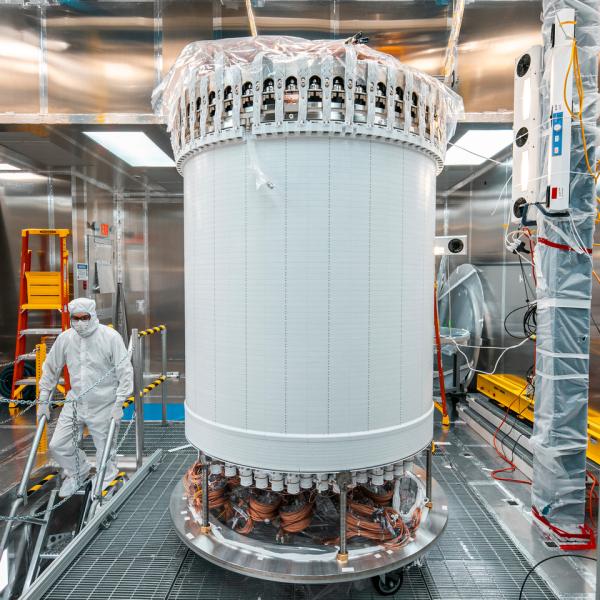
New results from the world’s most sensitive dark matter detector put the best-ever limits on particles called WIMPs, a leading candidate for what makes...
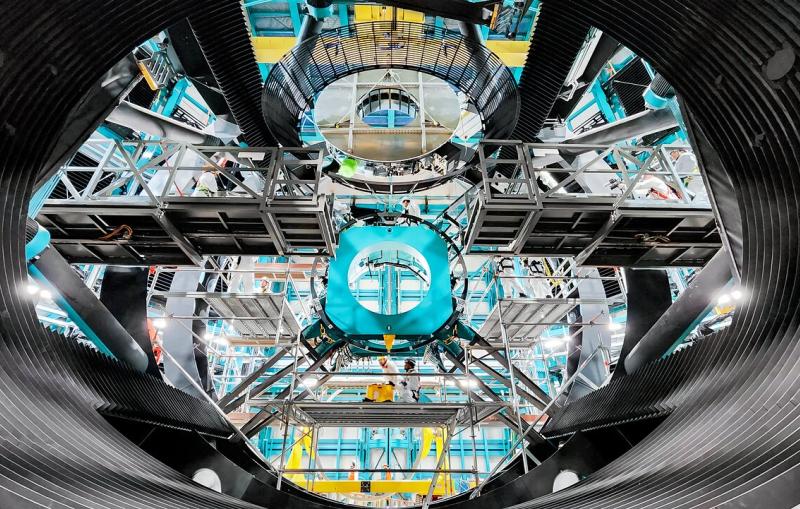
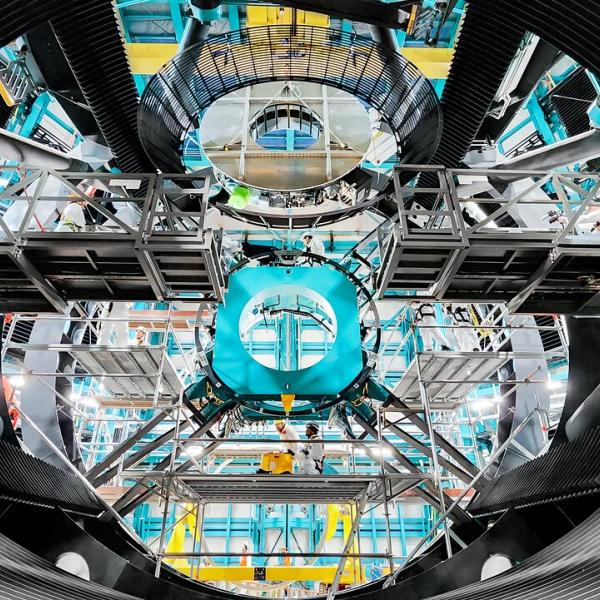
The 3.5-meter glass mirror is the first permanent component of the Simonyi Survey Telescope's state-of-the-art, wide-field optical system to be installed and will soon...
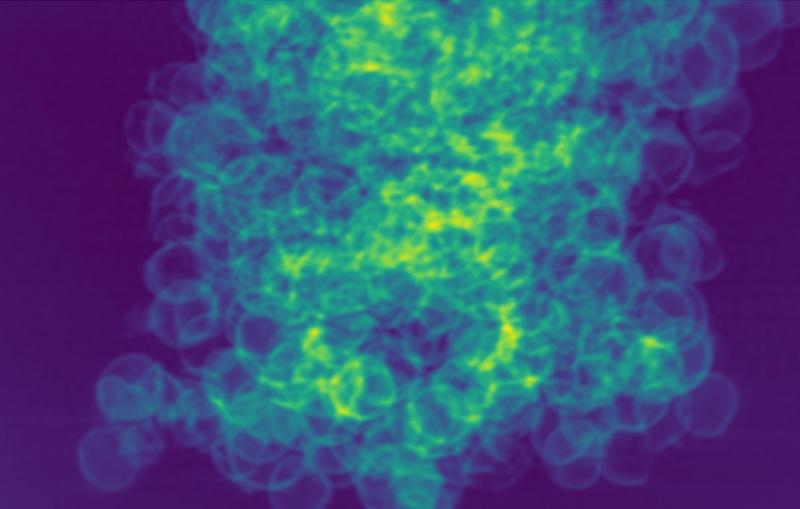
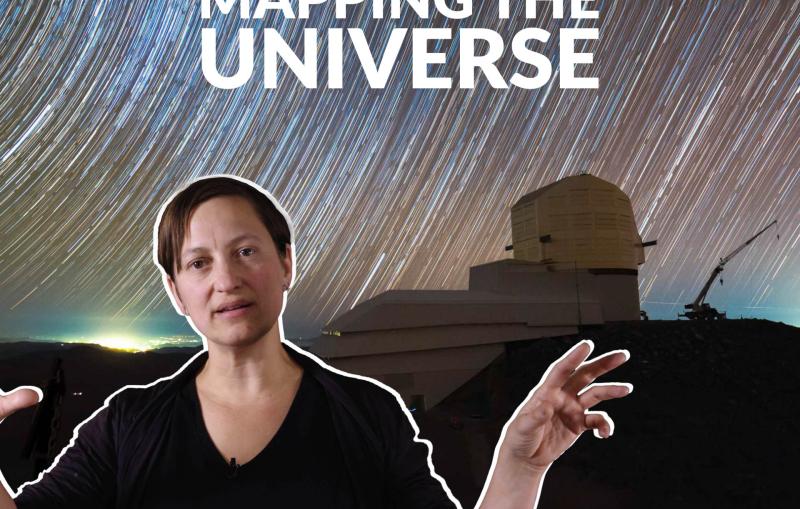
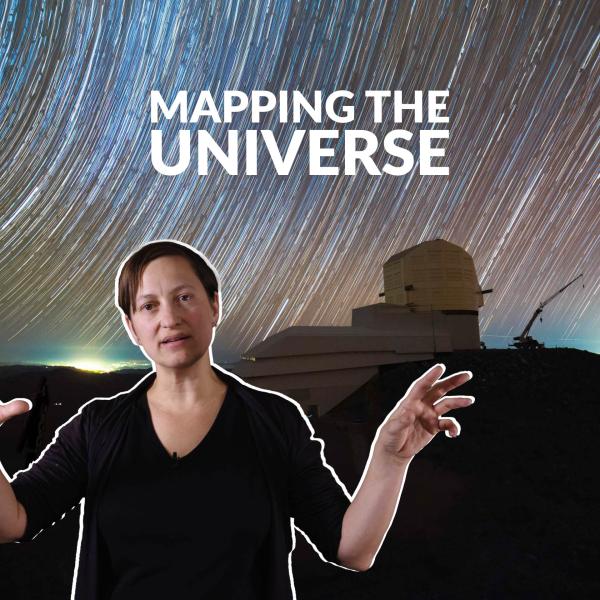
Risa Wechsler, astrophysicist explains: 85% of the matter in the universe is dark matter, a substance that interacts through gravity but doesn't emit light.
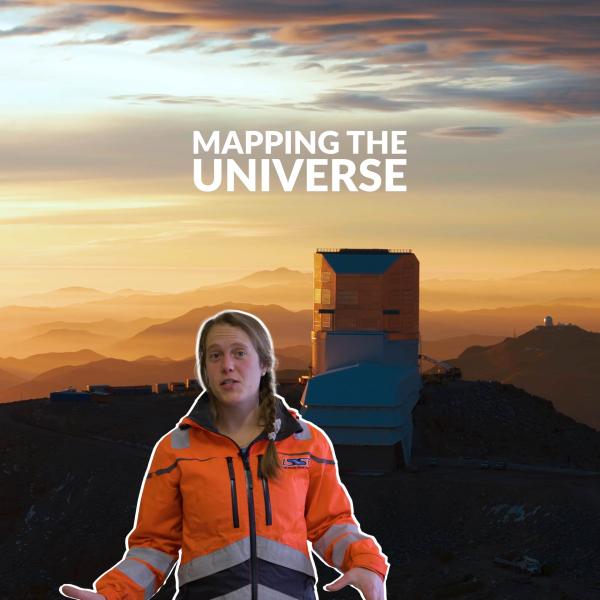
Margaux Lopez is the logistics lead for shipping the LSST Camera to Chile. The world's largest digital camera, crafted at SLAC National Accelerator Laboratory...
David Cesar, Julia Gonski and W.L. Kimmy Wu will each receive $2.75 million issued over five years for their research in X-ray and ultrafast science, new physics and primordial gravitational waves.
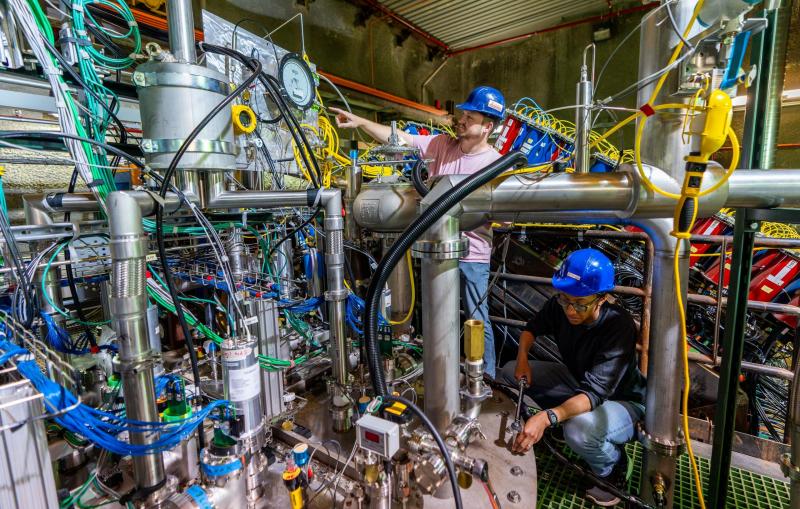
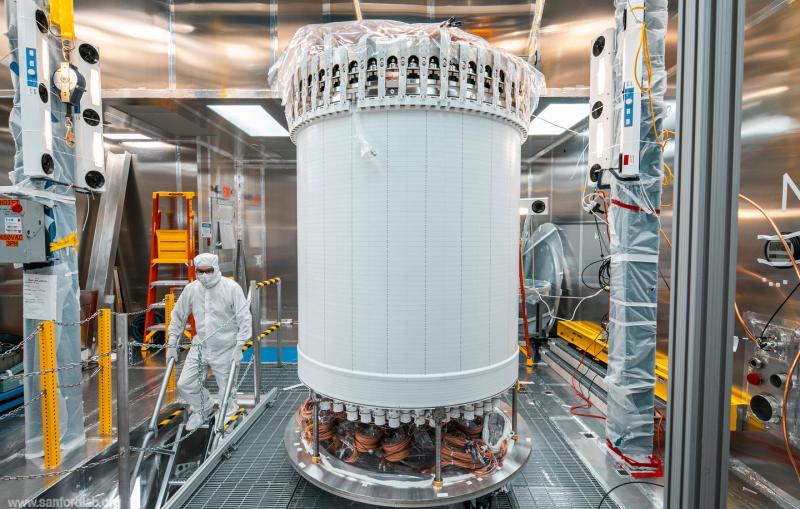
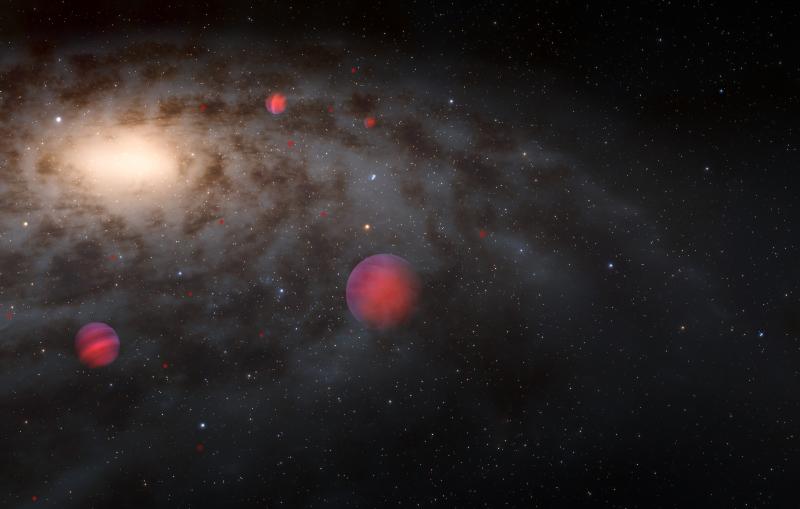
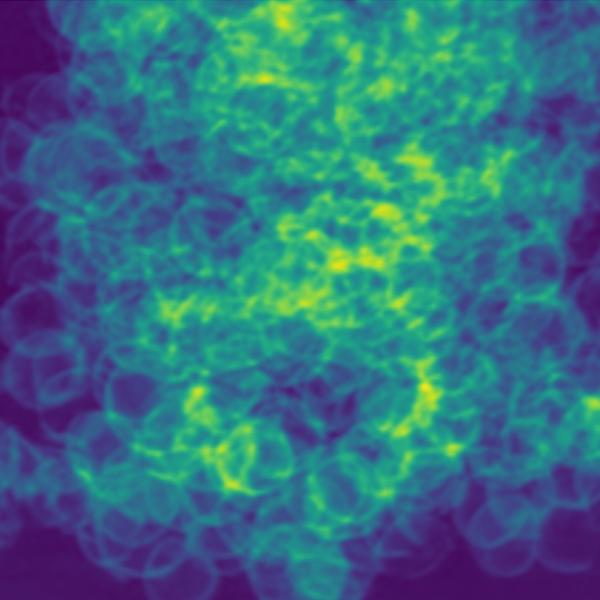
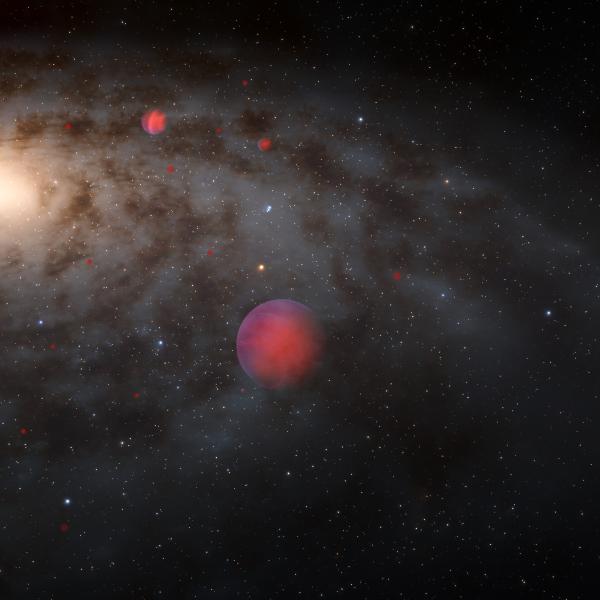
New results from the world’s most sensitive dark matter detector put the best-ever limits on particles called WIMPs, a leading candidate for what makes up our universe’s invisible mass.
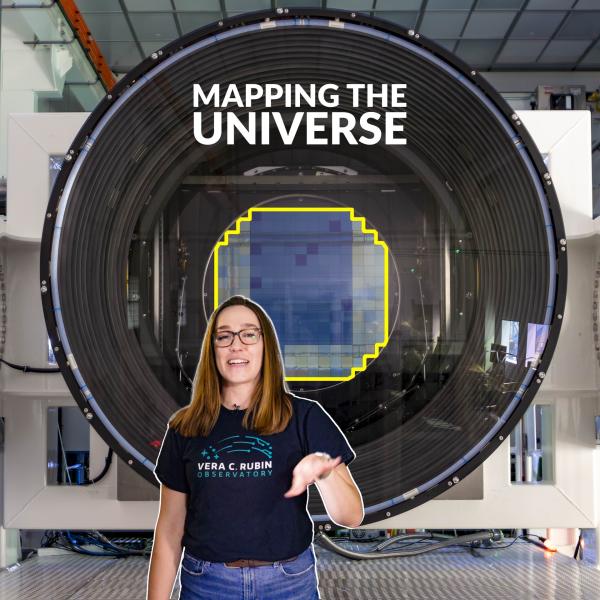
Discovering millions of galaxies and unraveling the mysteries of dark matter and dark energy is far out! Join us at the Dutch Goose for SLAC on Tap on August 22 at 5 pm, when SLAC engineer Hannah Pollek will talk...
The 3.5-meter glass mirror is the first permanent component of the Simonyi Survey Telescope's state-of-the-art, wide-field optical system to be installed and will soon contribute to a better understanding of our Universe.
Risa Wechsler, astrophysicist explains: 85% of the matter in the universe is dark matter, a substance that interacts through gravity but doesn't emit light.
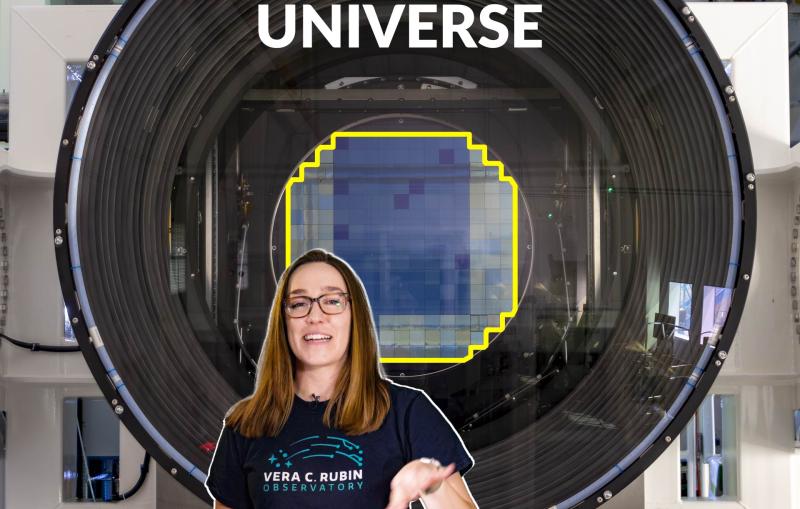
Hannah Pollek, a SLAC mechanical engineer, gives us an inside look at how the LSST camera will photograph the southern night sky once it gets installed at Rubin Observatory.
Margaux Lopez is the logistics lead for shipping the LSST Camera to Chile. The world's largest digital camera, crafted at SLAC National Accelerator Laboratory in California, has arrived at Rubin Observatory in Chile after an intricate journey along the west...