

SLAC topics

Dark matter RSS feed

One of modern science’s biggest mysteries is dark matter, an invisible form of matter that shapes galaxy rotation and bends rays of light. No one knows what dark matter is, but scientists are carrying out a number of experiments to learn more.

Related links:
Physics of the universe
Astrophysics and cosmology

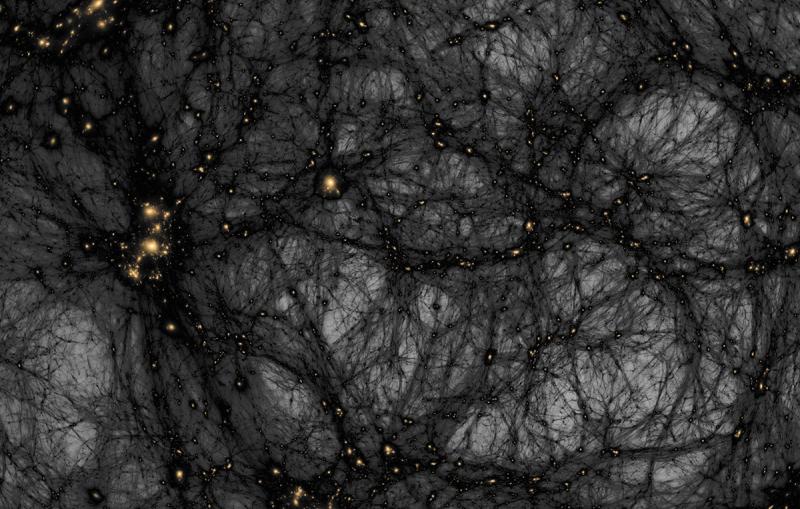
Formation of dark matter structures.
Feature

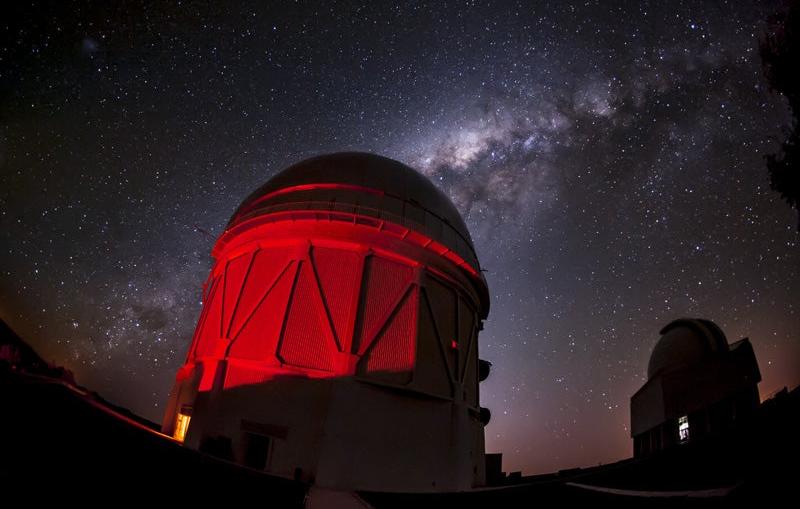
Two astrophysicists and a theoretical physicist discuss how the Large Synoptic Survey Telescope will probe the nature of dark matter and dark energy by...

Feature
VIA Symmetry Magazine

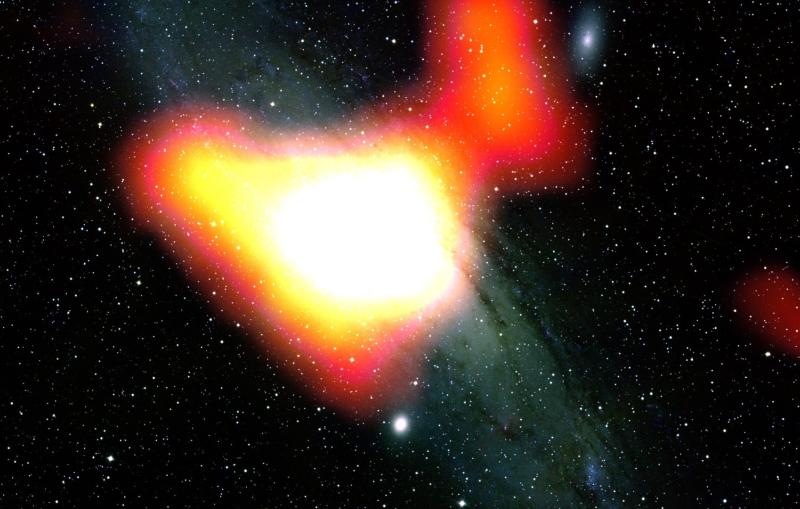
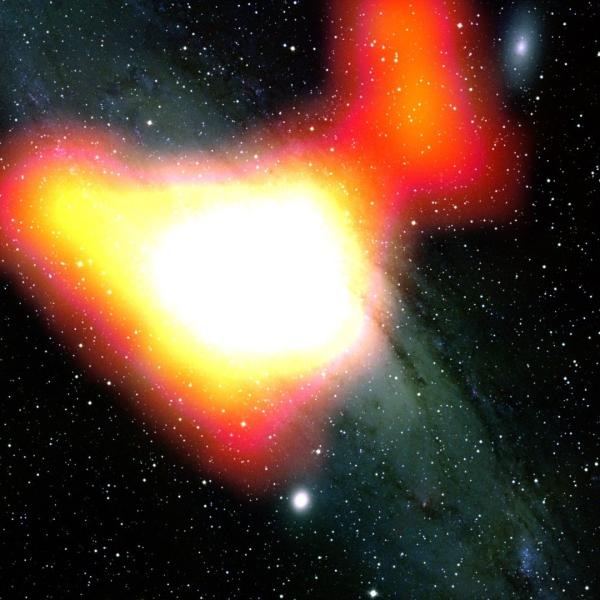
Q&A: Dark Matter Next Door?

Astrophysicists Eric Charles and Mattia Di Mauro discuss the surprising glow of our neighbor galaxy.

Feature

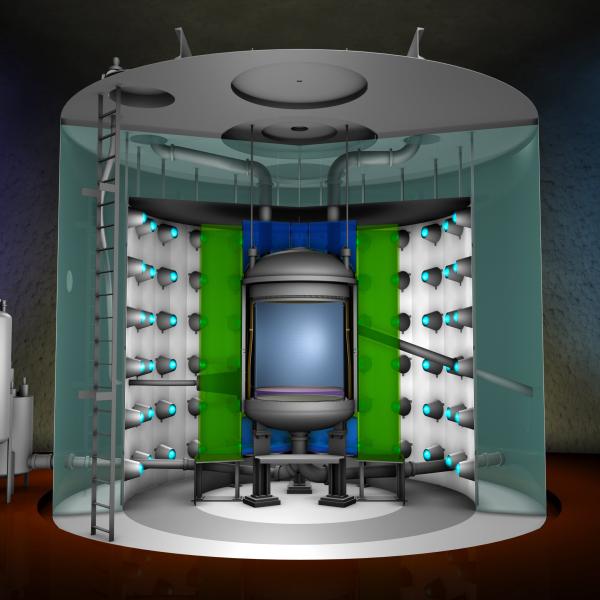
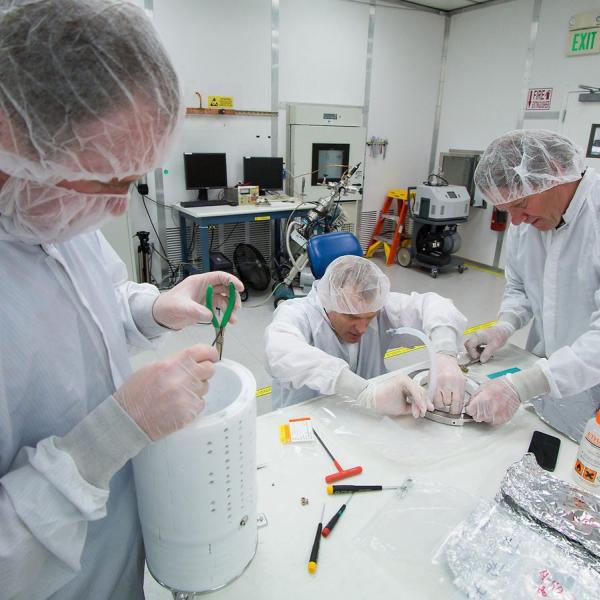
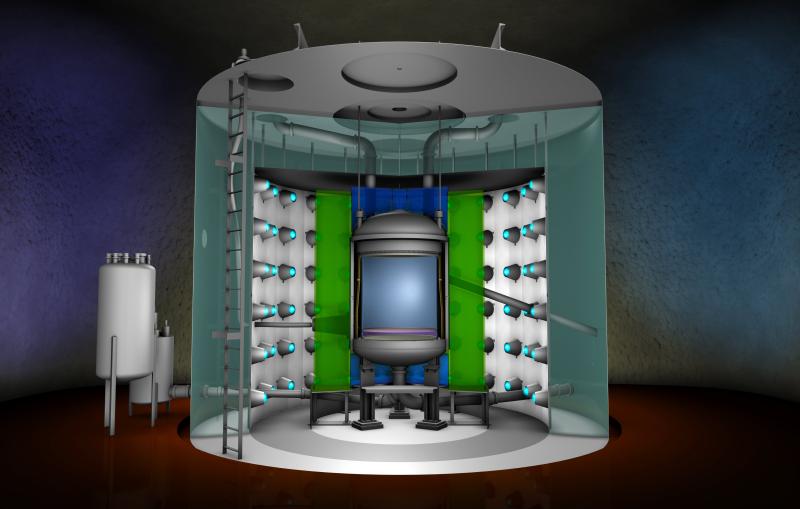
Construction has officially launched for the LZ next-generation dark matter experiment.

Feature

Most experiments searching for mysterious dark matter require massive colliders, but Stanford physicist and SLAC collaborator Peter Graham advocates a different, less costly approach.

Feature

Using Twinkles, the new simulation of images of our night sky, scientists get ready for a gigantic cosmological survey unlike any before.

Feature
VIA Symmetry Magazine

2016 year in particle physics

Scientists furthered studies of the Higgs boson, neutrinos, dark matter, dark energy and cosmic inflation and continued the search for undiscovere

Feature
VIA Symmetry Magazine

Science with Sprinkles

Holiday guests will gravitate toward these physics cookies.

Feature
VIA Symmetry Magazine

A Syllabus in Cosmic Rays

What have scientists learned in five years of studying cosmic rays with the Alpha Magnetic Spectrometer experiment?

Feature

KIPAC’s Ralf Kaehler and Tom Abel contributed two scenes to the science documentary narrated by Brad Pitt and Cate Blanchett.

Feature

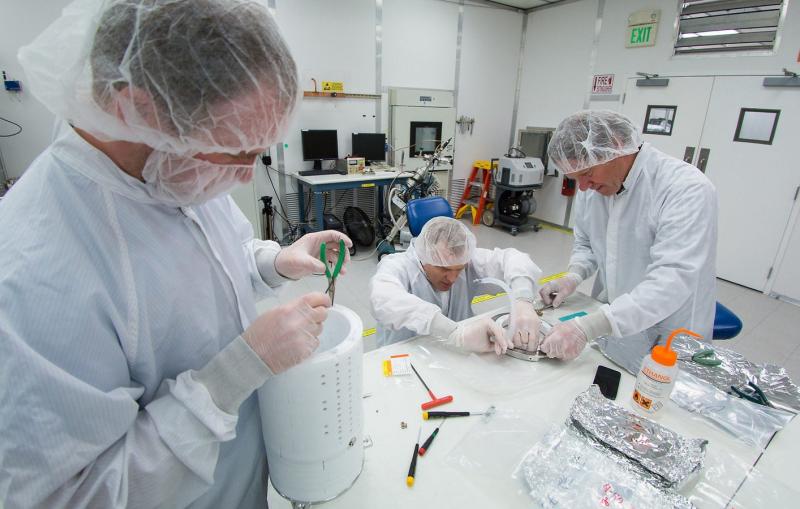
Underground experiment passes critical DOE review and prepares for startup in 2020.

Feature
VIA Symmetry Magazine

Our Galactic Neighborhood

What can our cosmic neighbors tell us about dark matter and the early universe?

Feature

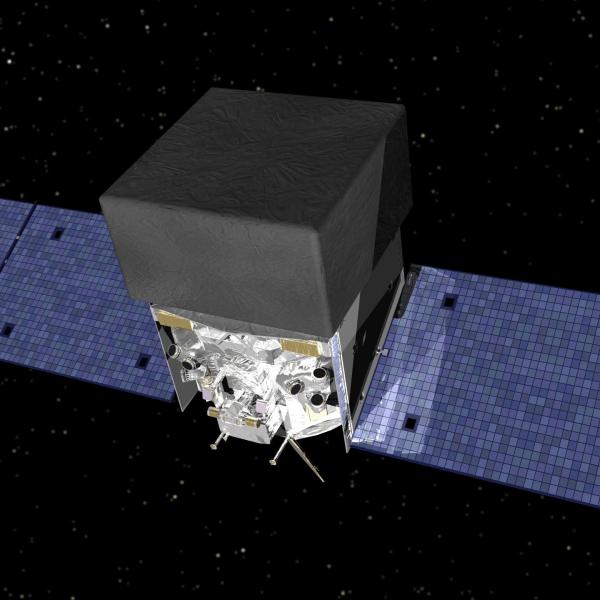
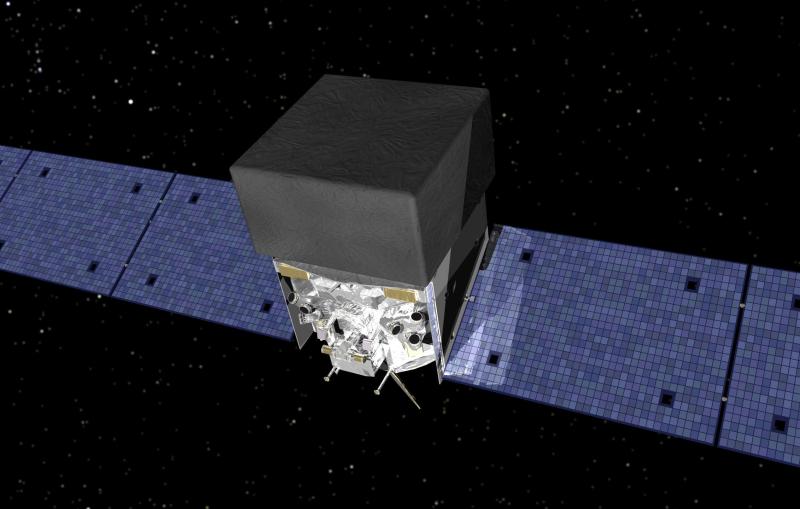
Three recent studies using data from the Fermi Gamma-ray Space Telescope have expanded the hunt for unexplained signals coming from beyond our galaxy.