



SLAC topics

Dark matter RSS feed

One of modern science’s biggest mysteries is dark matter, an invisible form of matter that shapes galaxy rotation and bends rays of light. No one knows what dark matter is, but scientists are carrying out a number of experiments to learn more.

Related links:
Physics of the universe
Astrophysics and cosmology
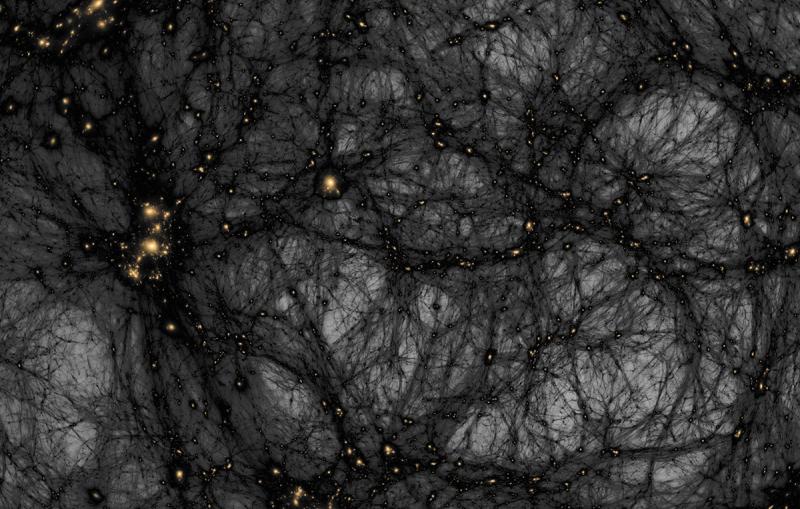
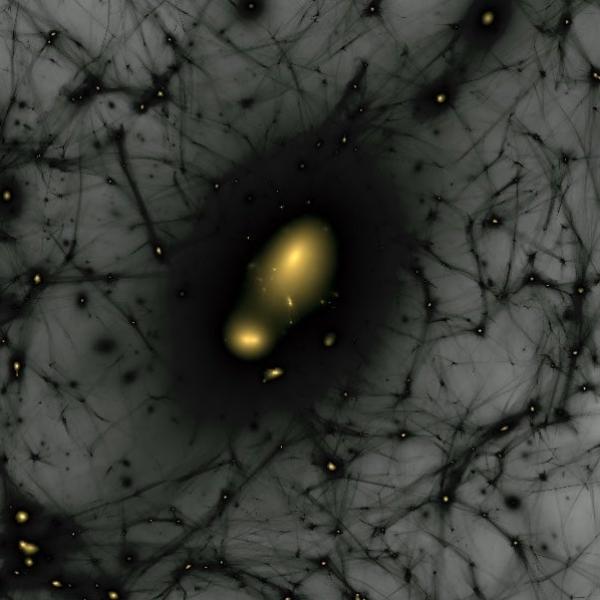
Formation of dark matter structures.
Feature

Just like we orbit the sun and the moon orbits us, the Milky Way has satellite galaxies with their own satellites. Drawing from data...

Dark matter forms into clumps, where galaxies and satellite galaxies form.
Feature

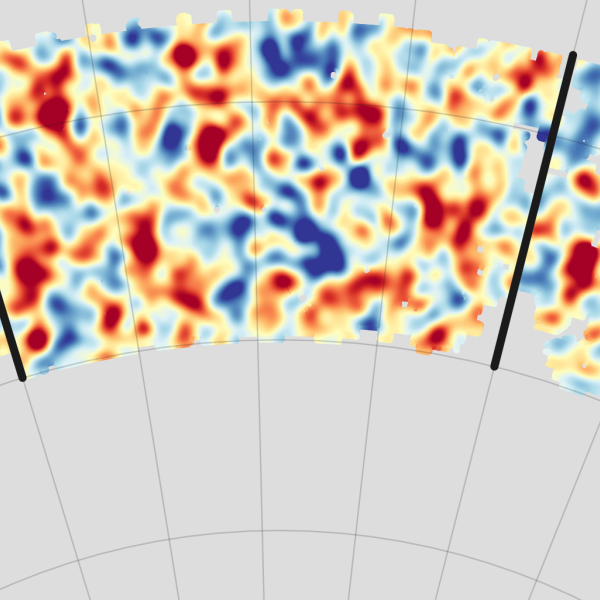
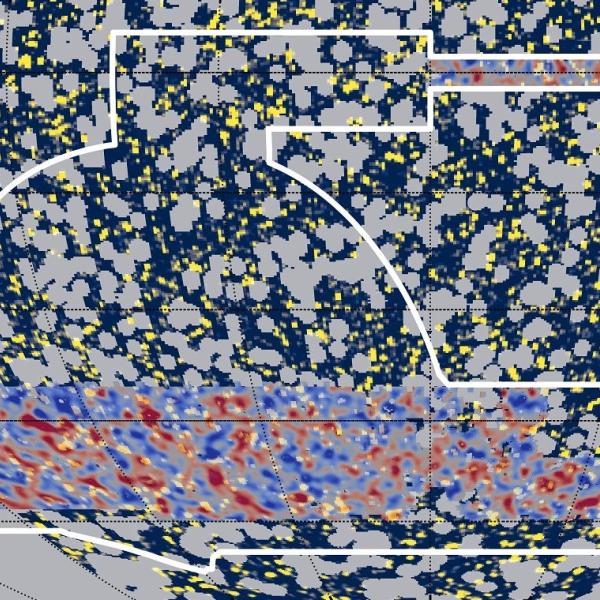
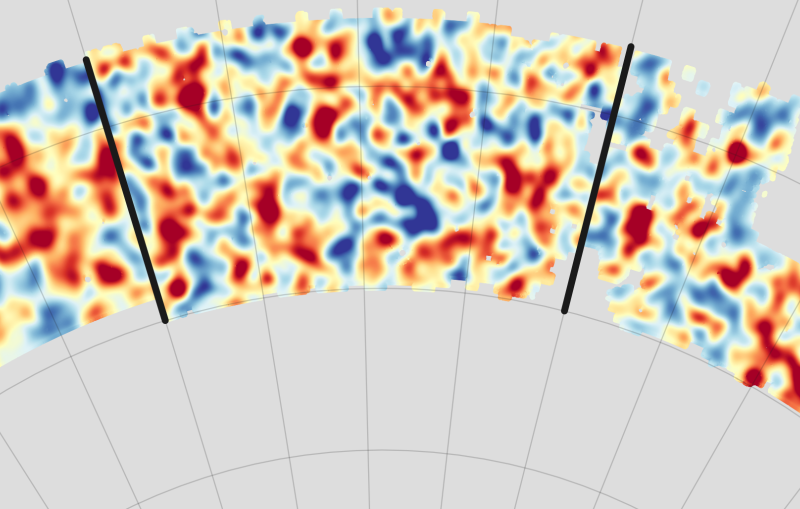
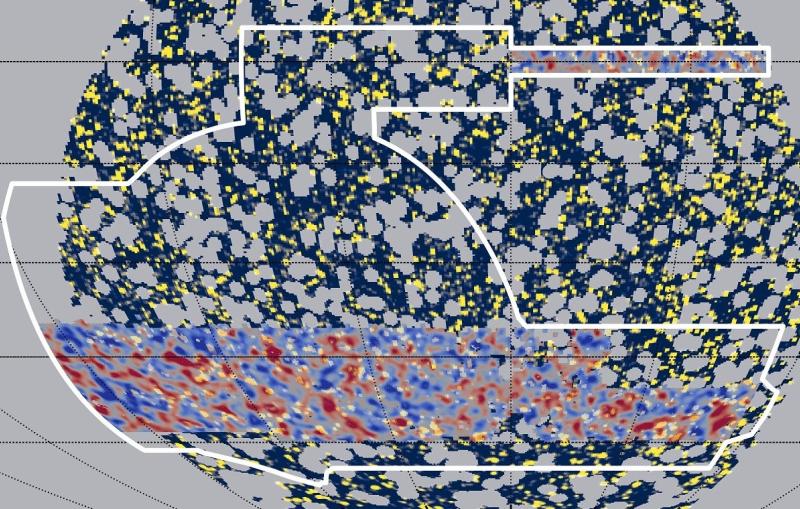
Matching up maps of matter and light from the Dark Energy Survey and Fermi Gamma-ray Space Telescope may help astrophysicists understand what causes a...

DES-Fermi
Feature
VIA Symmetry Magazine

Vera Rubin, giant of astronomy

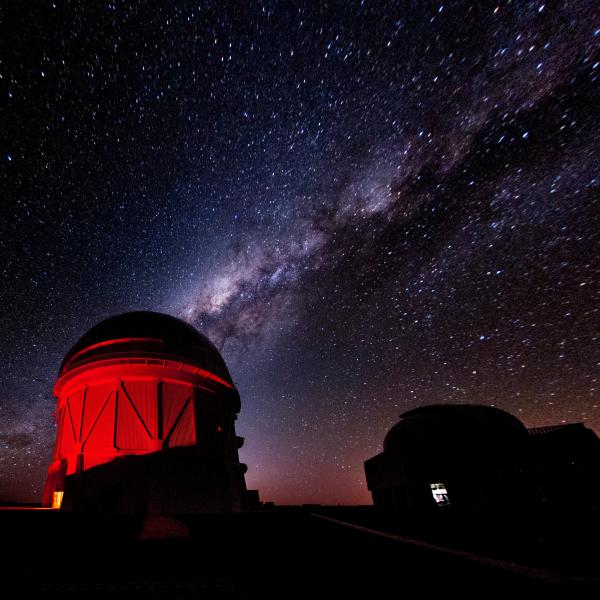
The Large Synoptic Survey Telescope will be named for an influential astronomer who left the field better than she found it.

Vera Rubin
Feature

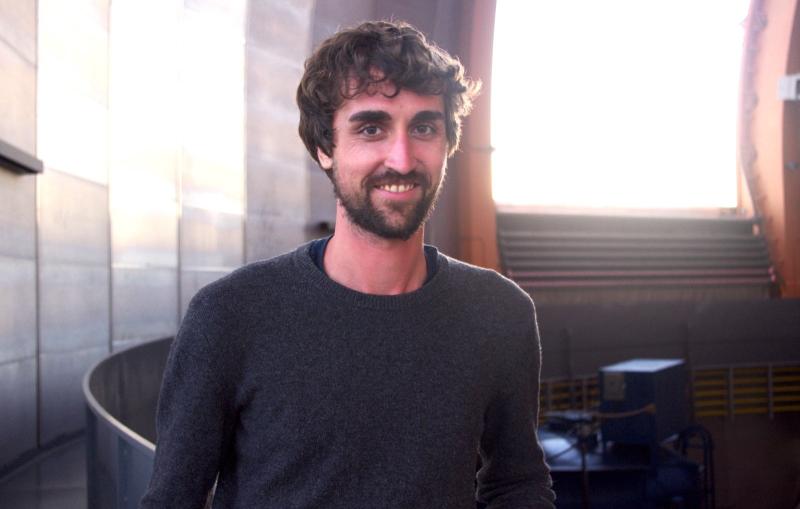
His work aims to deepen our understanding of dark matter, dark energy and other secrets of the universe.

Photo of Panofsky fellow Daniel Gruen
Feature

Early-career physicist Jonathan LeyVa helps build one of the world’s most sensitive dark matter detectors.

Jonathan LeyVa/SuperCDMS
Feature

An “out there” theory inspired the development of the Dark Matter Radio, a device that could explain the mysterious matter that makes up 85...

Dark Matter Radio
Feature

Maria Elena Monzani prepares an international team to search for clues to one of the biggest scientific mysteries.

Maria Elena Monzani at the LZ test facility
Feature

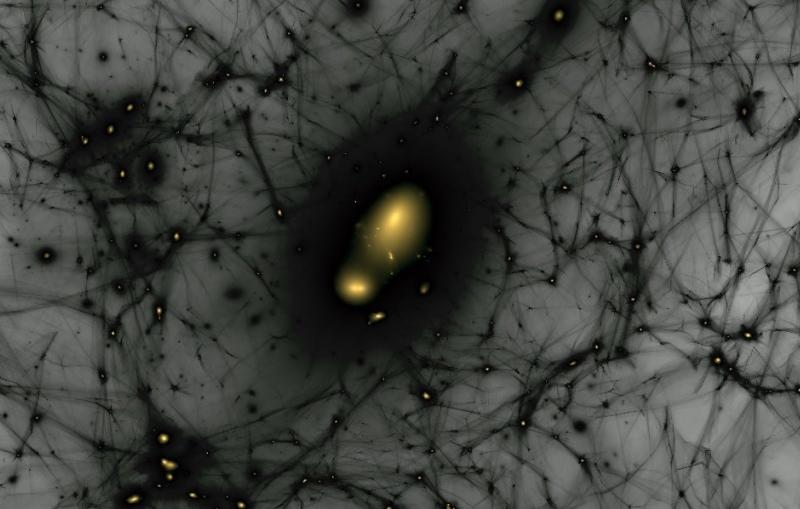
A SLAC/Stanford study of the population of satellite galaxies orbiting the Milky Way provides new clues about the particle nature of dark matter.

Dark matter simulation
Feature

Four large meshes made from 2 miles of metal wire will extract potential signals of dark matter particles.

LZ Grids Weaving
Feature

SLAC completed its work on ComCam, a commissioning device to be installed in Chile later this year.

LSST-ComCam
Feature

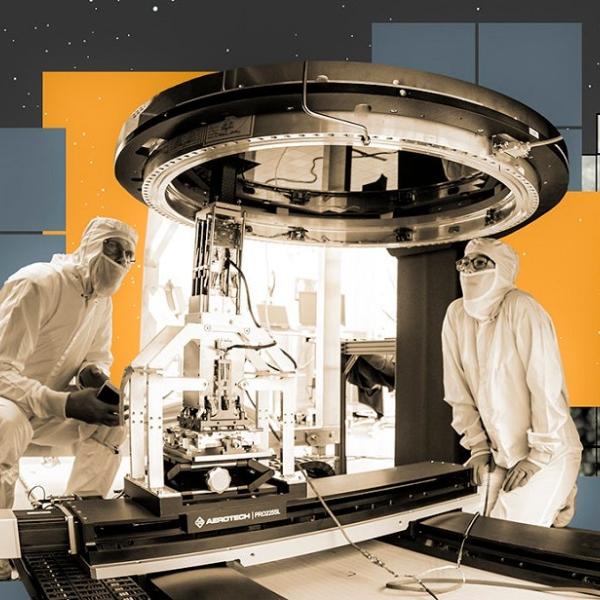
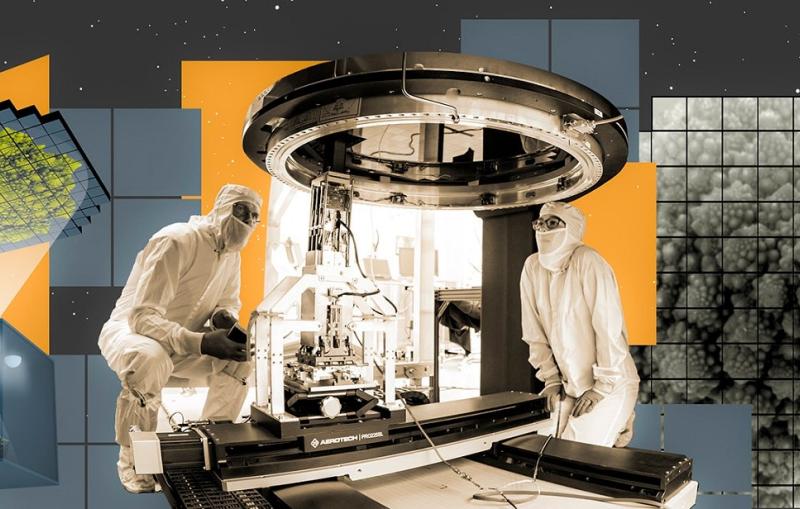
Building the Large Synoptic Survey Telescope also means solving extraordinary technological challenges.

LSST camera engineering
Feature

Monika Schleier-Smith and Kent Irwin explain how their projects in quantum information science could help us better understand black holes and dark matter.

QIS-Schleier-Smith-Irwin