
SLAC topics

Dark energy RSS feed

Scientists study the force that drives that acceleration, dubbed “dark energy,” with deep astronomical surveys that look at how the distribution of galaxies has changed over billions of years.

Related links:
Physics of the universe
Astrophysics and cosmology
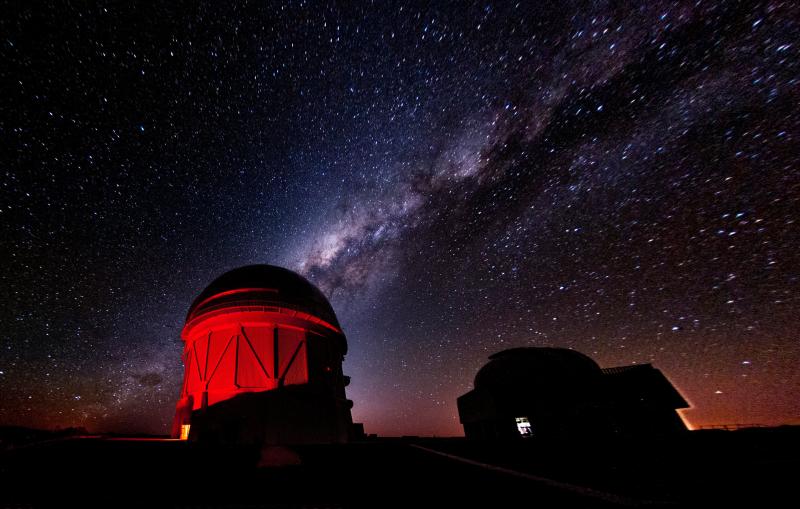
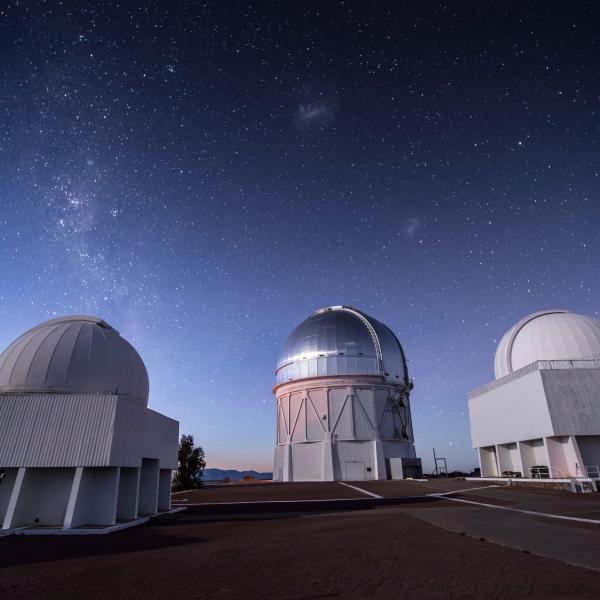
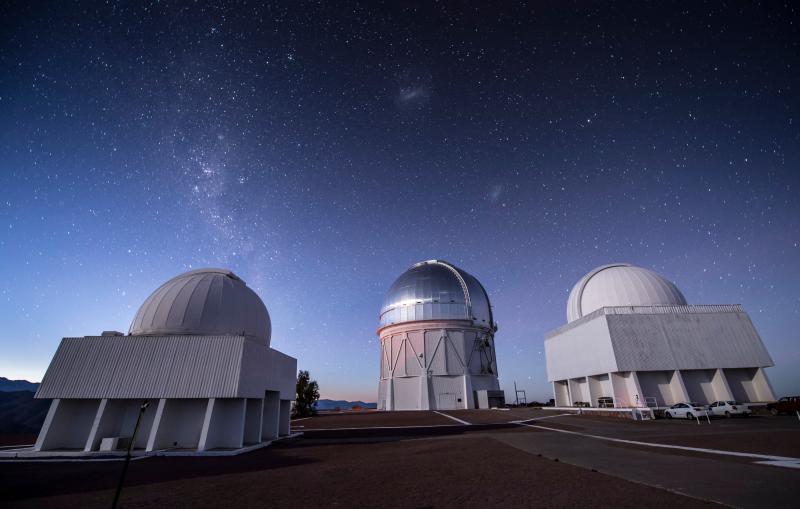
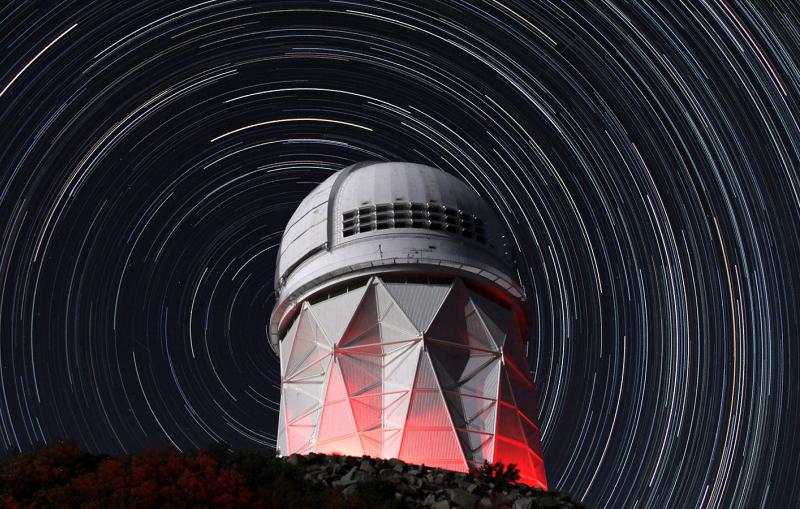
An observatory bathed in red light against a starry night sky
Feature

Scientists, including researchers at SLAC, have only just begun to study the remarkably detailed map they created of a portion of the sky.

DES End of Observations
Feature
VIA Symmetry Magazine

Gravitational lenses

Predicted by Einstein and discovered in 1979, gravitational lensing helps astrophysicists understand the evolving shape of the universe.

Feature
VIA Symmetry Magazine

The building boom

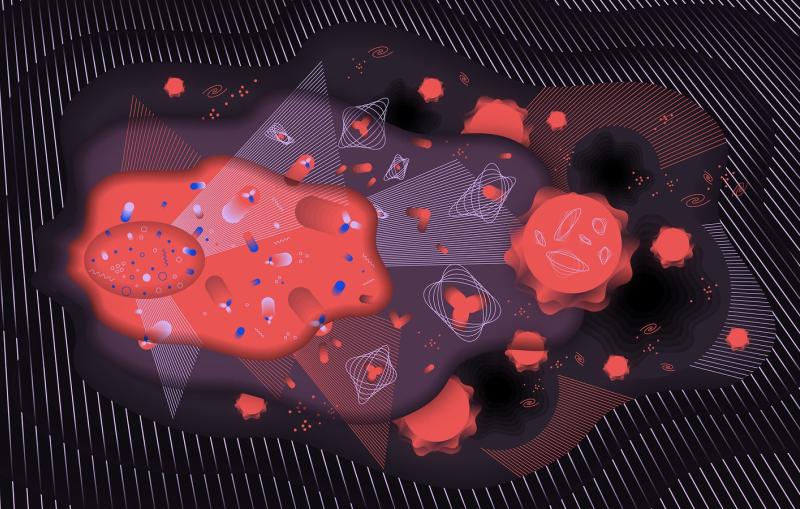
These projects, selected during the process to plan the future of US particle physics, are all set to come online within the next 10...

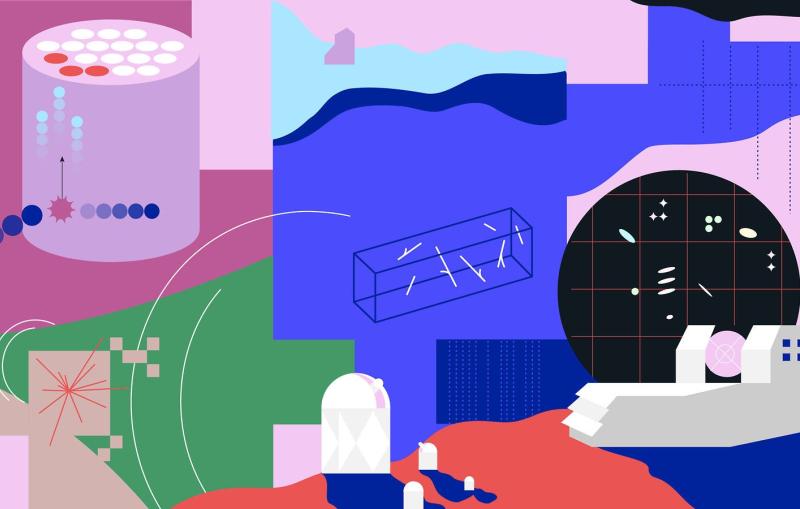
Illustration of various science experiments
Feature

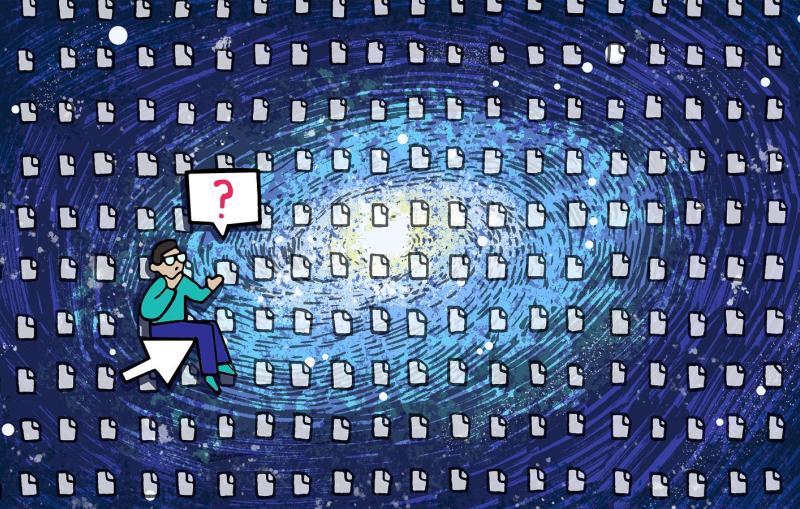
To keep up with an impending astronomical increase in data about our universe, astrophysicists turn to machine learning.

Feature

The Large Synoptic Survey Telescope will track billions of objects for 10 years, creating unprecedented opportunities for studies of cosmic mysteries.

LSST
Feature

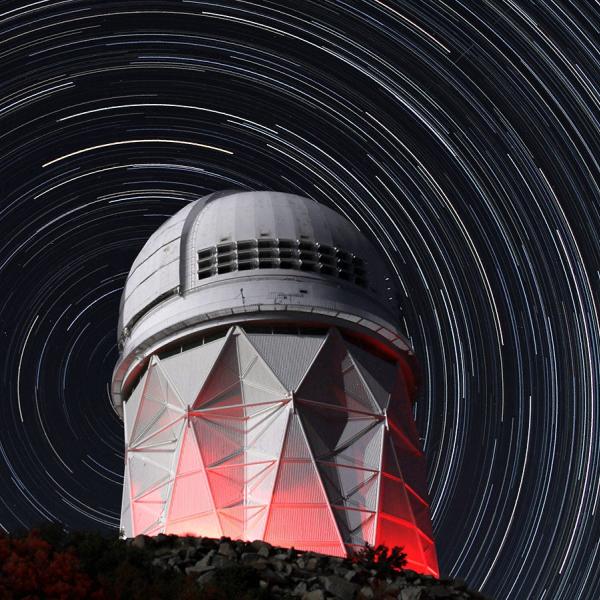
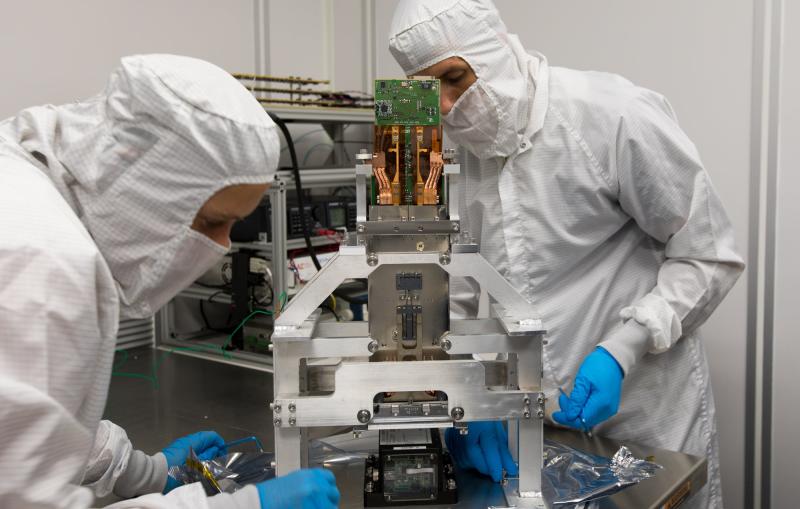
Installation of the Dark Energy Spectroscopic Instrument begins at Kitt Peak National Observatory in Arizona.

Mayall Telescope Star Trails
Feature

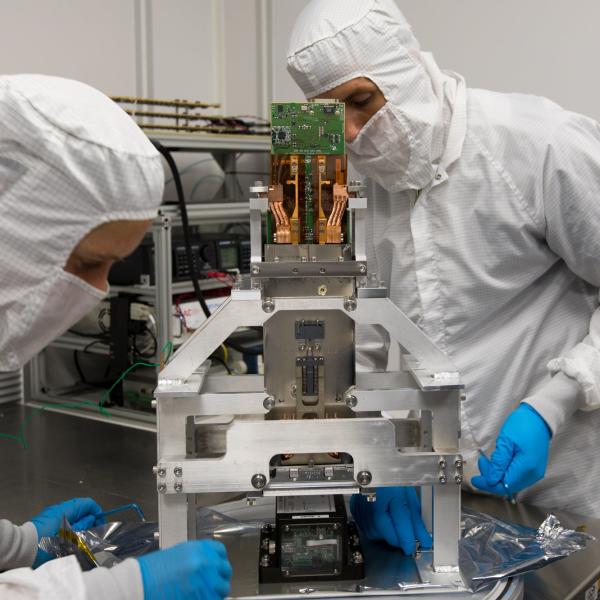
21 of these "science rafts" will go into the world's largest digital camera for astronomy, which is being assembled and tested at SLAC.

First LSST Science Raft
Feature

The astrophysicist is recognized for her leadership, mentorship and innovative work in understanding how galaxies form.

Feature

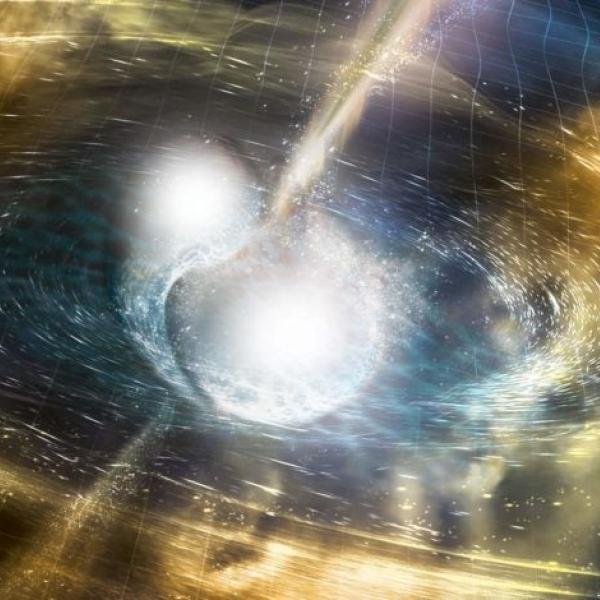
The Advanced LIGO gravitational wave detectors have announced their first observation of a binary neutron star coalescence.

Feature

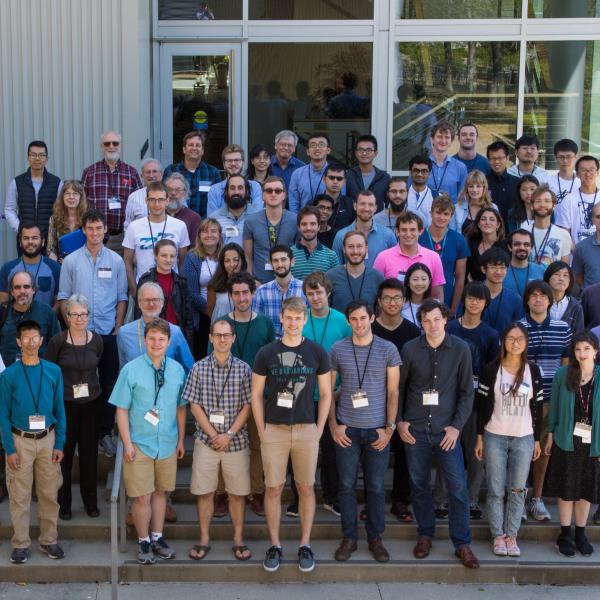
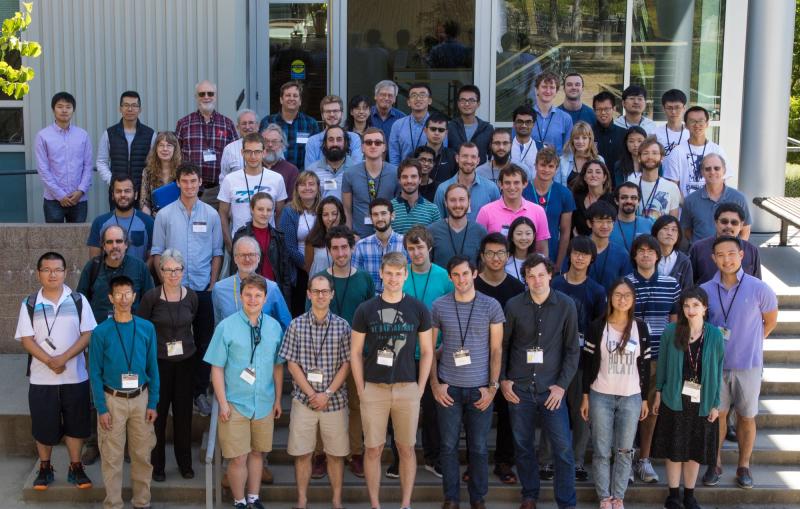
The summer school explored upcoming opportunities to expand our understanding of the universe and its fundamental physics, from mysterious dark matter to recently detected...

2017 SSI Group Photo
Feature

The minuscule and the immense can reveal quite a bit about each other.

News Release

SLAC and Stanford researchers demonstrate that brain-mimicking ‘neural networks’ can revolutionize the way astrophysicists analyze their most complex data, including extreme distortions in spacetime...

Neural Nets and Gravitational Lenses