SLAC topics

Chemistry and catalysis RSS feed

Catalysts are the unsung heroes of chemistry, accelerating reactions used to make fertilizers, fuels and consumer products. Our work aims to make catalysts more efficient and reduce the use of fossil fuels.

Related link: Energy sciences

Browse tagged content below

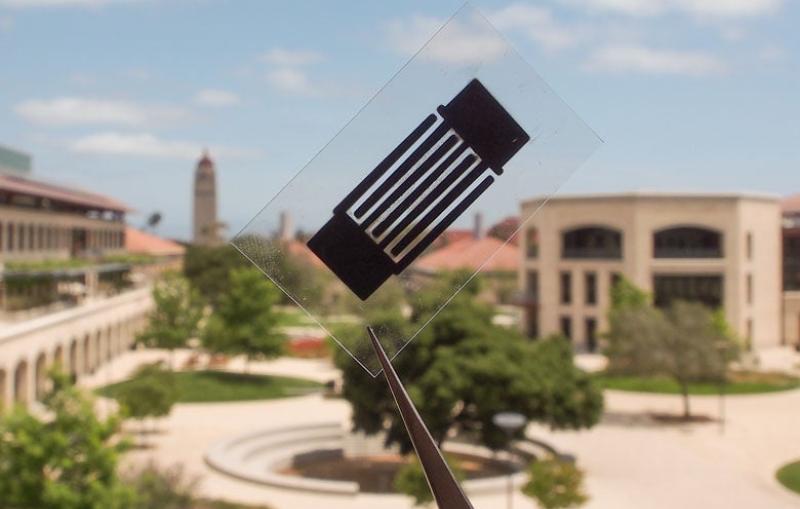
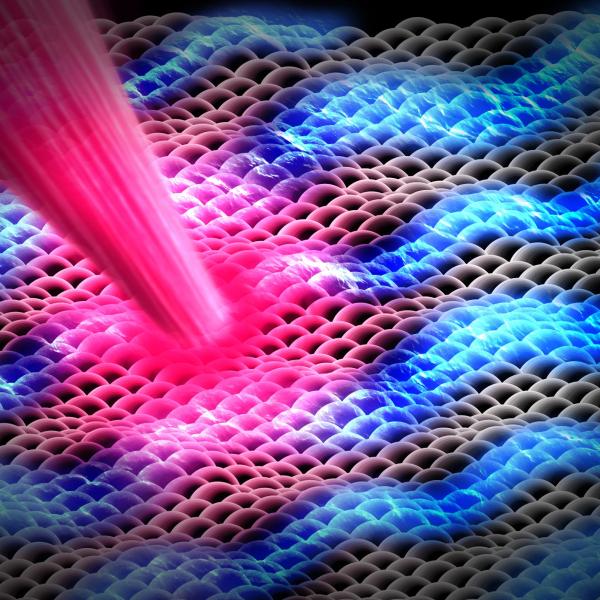
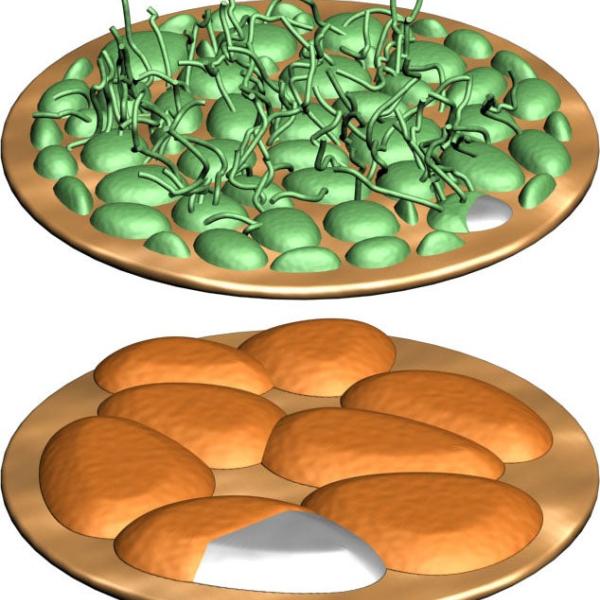
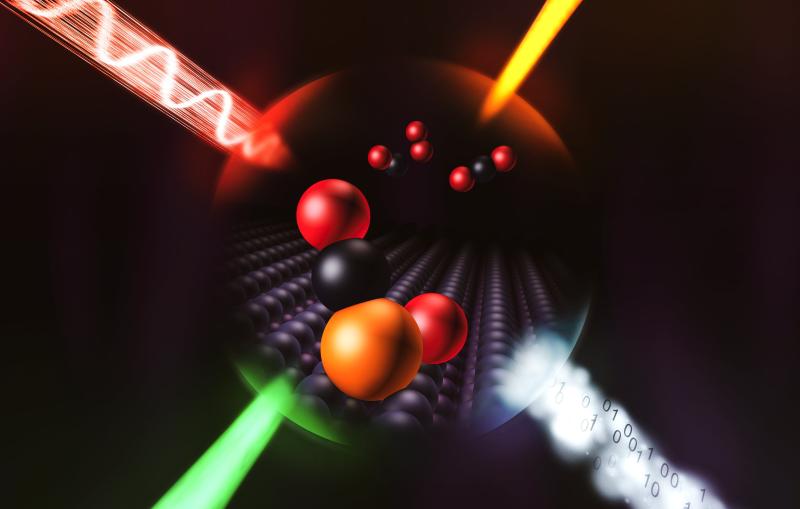
Depiction of four techniques used to study a single-atom catalyst.
Feature

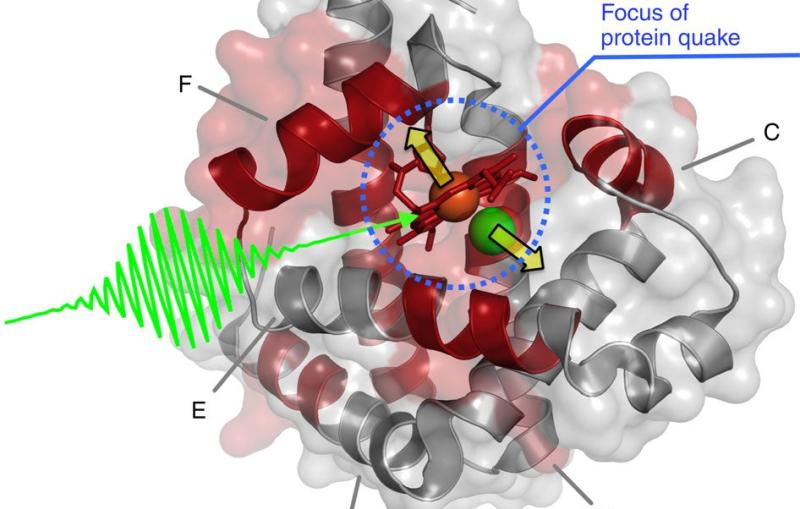
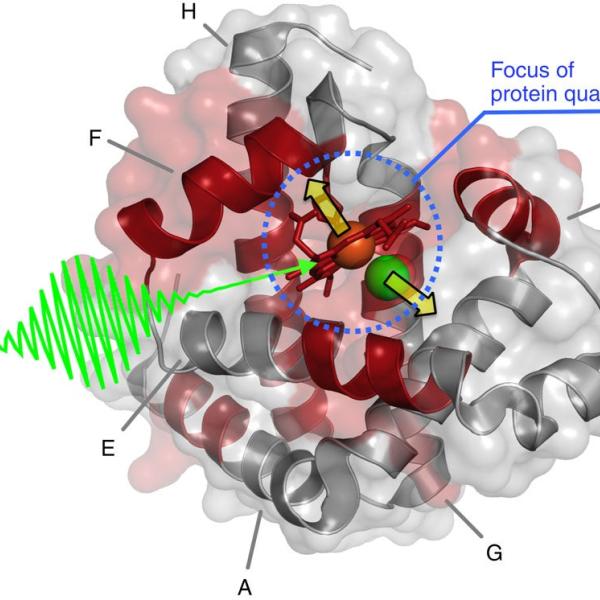
An experiment at SLAC’s X-ray laser provides new insight into the ultrafast motions of a muscle protein in a basic biochemical reaction.

Computerized rendering of 3-D structure of myoglobin. The jagged green line represents a pulse of la
Feature

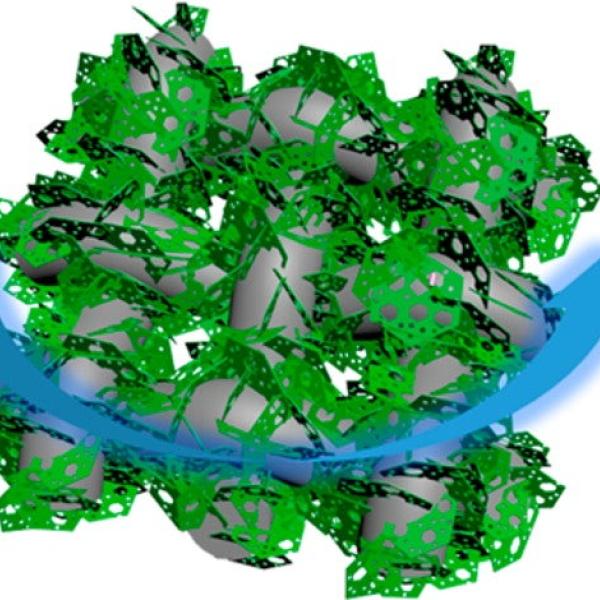
Scientists at SLAC and Utrecht University have identified how catalysts degrade when used to refine crude oil.

Image - Research at the Department of Energy’s SLAC National Accelerator Laboratory could lead to more efficient gasoline production. (@iStockphoto/Patryk Kosmider)
Feature

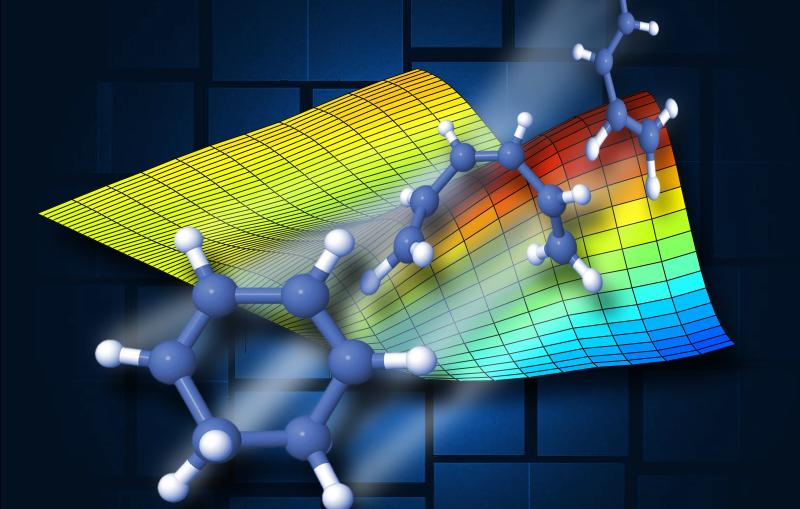
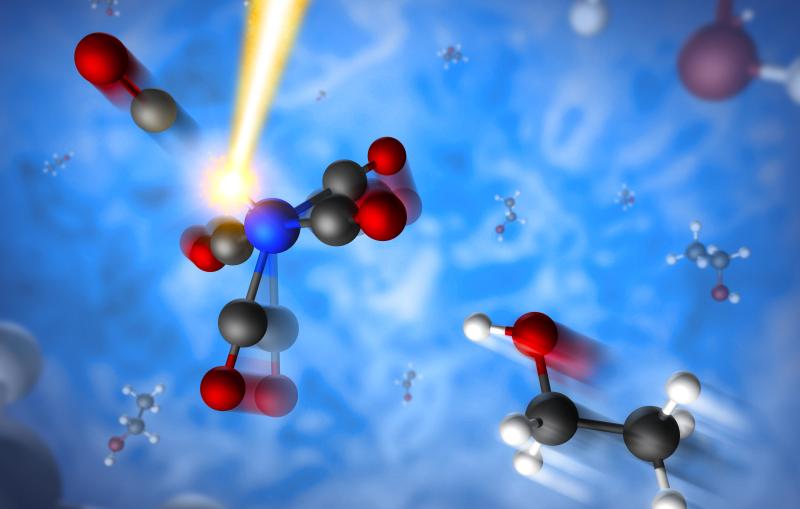
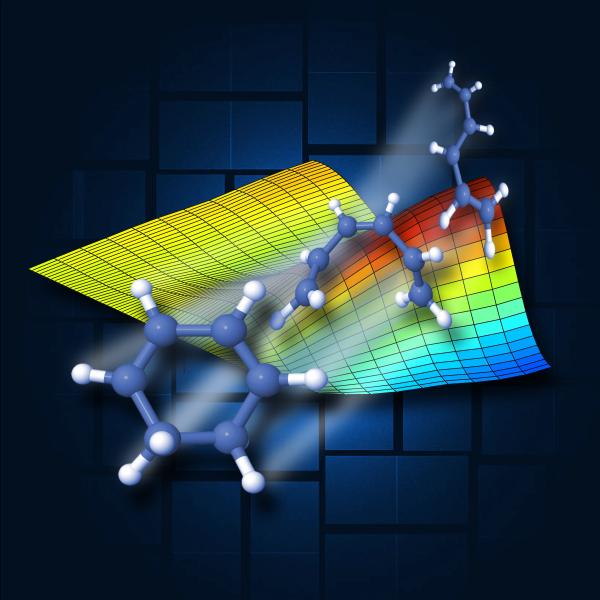
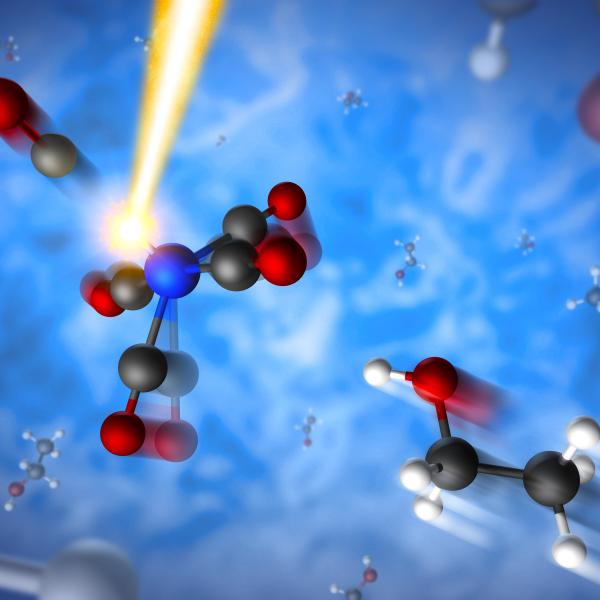
Researchers use X-ray laser at SLAC to track light-triggered chemical reactions in a molecule that serves as a simple model for the conversion of...

IMAGE - Artistic rendering of a molecule severed by laser light, with a separate molecule (bottom right) from a solvent rushing in to bond with the just-split molecule. (SLAC National Accelerator Laboratory)
News Release

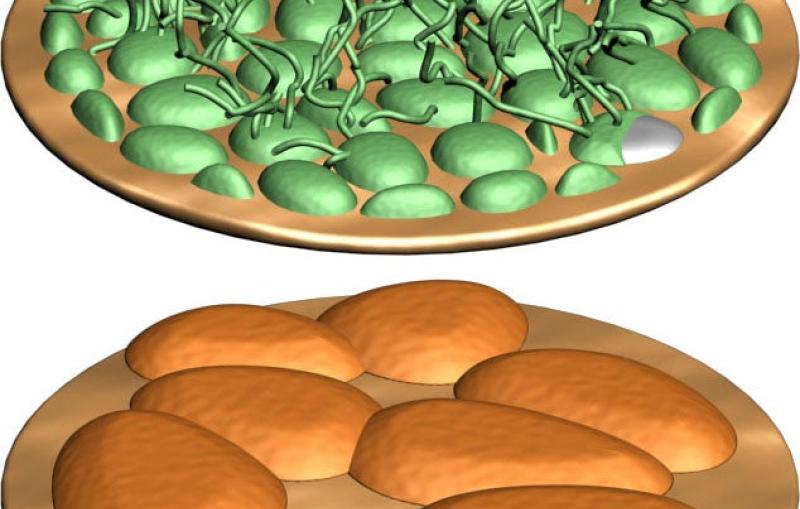
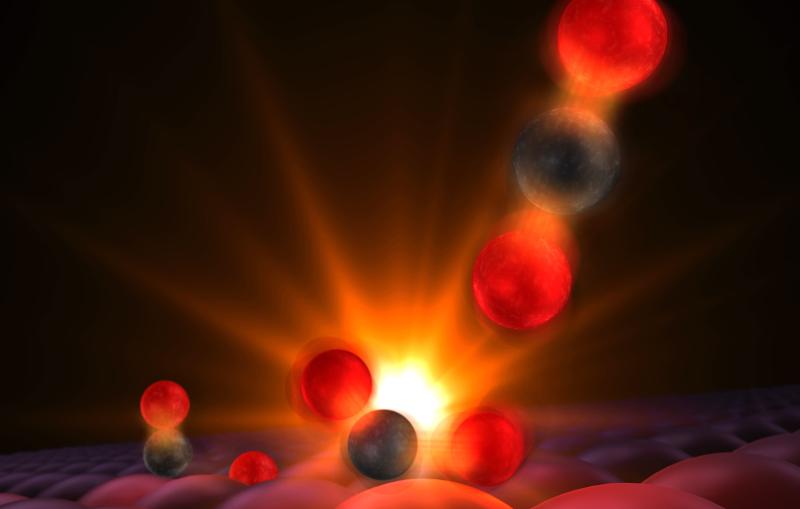
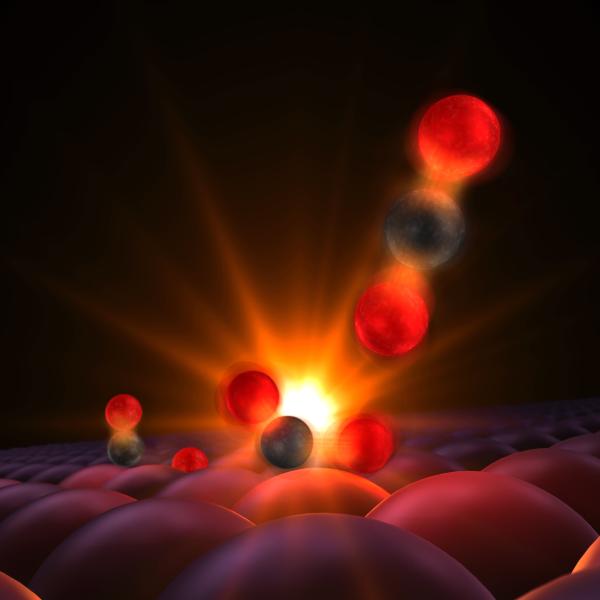
Scientists have used an X-ray laser at SLAC to get the first glimpse of the transition state where two atoms begin to form a...

Illustration of a transition state in a chemical reaction.
Feature

Jens Nørskov, director of the SUNCAT Center for Interface Science and Catalysis at Stanford and SLAC, has been named a member of the National...

Feature

Scientists have assembled an exotic toolbox for experiments that tap into the brightest X-rays on the planet.

Image - This illustration shows a cutaway view of a type of sample system used at the Linac Coherent Light Source X-ray laser that jets samples in a superthin liquid or gel stream into its X-ray pulses. This system is known as a gas dynamic virtual nozzle
Feature

Stanford and SLAC engineers observed electrons at work during catalytic reactions. Their findings challenge long-held theories about some catalysts, opening the door to new...

Feature

More than a dozen energy-storage companies have streamlined access to research facilities and expertise at SLAC under a new cooperative R&D agreement with CalCharge.

In this lecture, SLAC’s Ryan Coffee explains how researchers are beginning to use pattern recognition and machine learning to study chemical reactions at the...

Feature

The SLAC and Stanford professor and SUNCAT director is being honored for groundbreaking work in catalysis, which promotes chemical reactions in thousands of industrial...

Feature

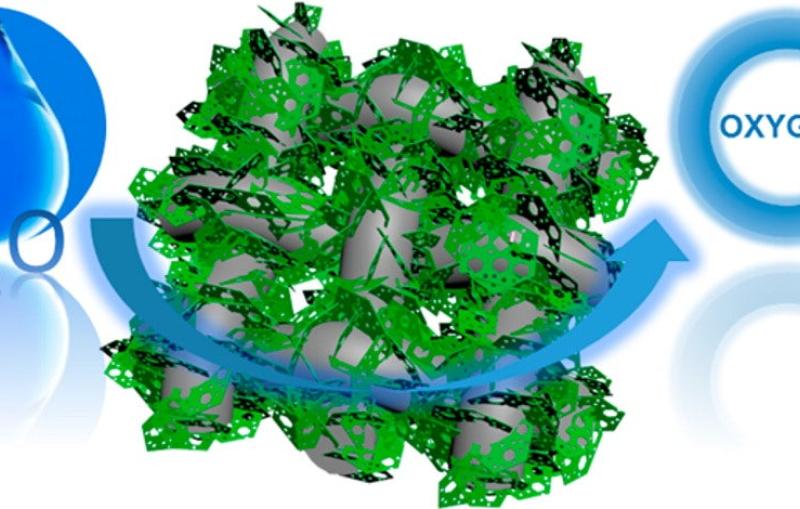
System Studied at SLAC's Synchrotron Mimics Steps in Photosynthesis

Image - This illustration of a model molecular complex mimics the final step in the cycle of photosynthesis: oxygen release.
News Release

Rapid Charging and Draining Doesn’t Damage Lithium Ion Electrode as Much as Thought

Photo - battery cycler