SLAC’s astrophysicists and cosmologists pursue top-priority research on topics including dark matter and dark energy, the formation of galaxies and cosmic evolution.
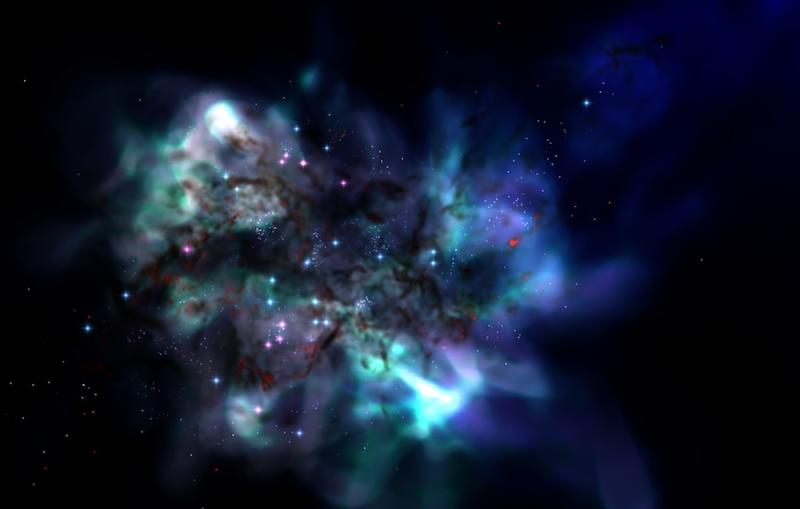
Dwarf Galaxy 3.
(Visualization by Ralf Kaehler and Tom Abel. Simulation by John Wise, Tom Abel/The Kavli Foundation/SLAC National Accelerator Laboratory/Stanford University)
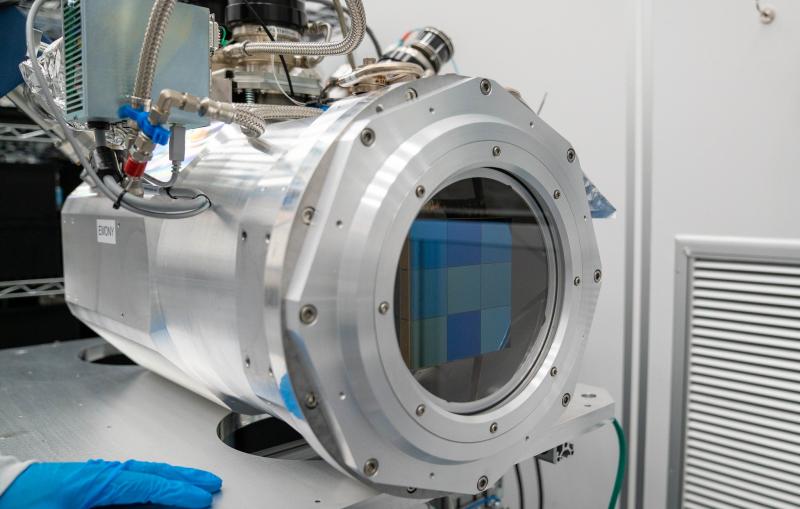
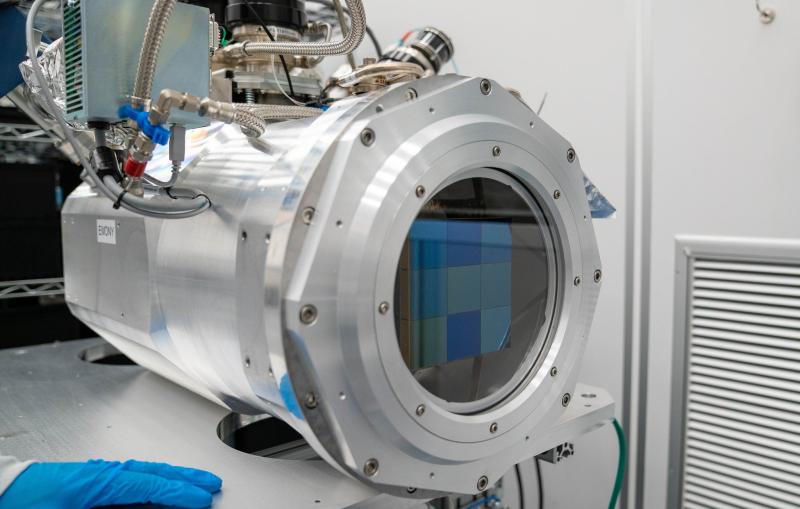
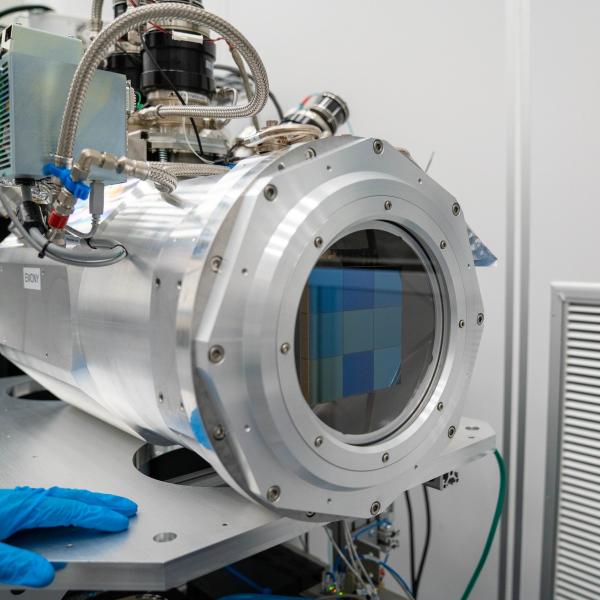
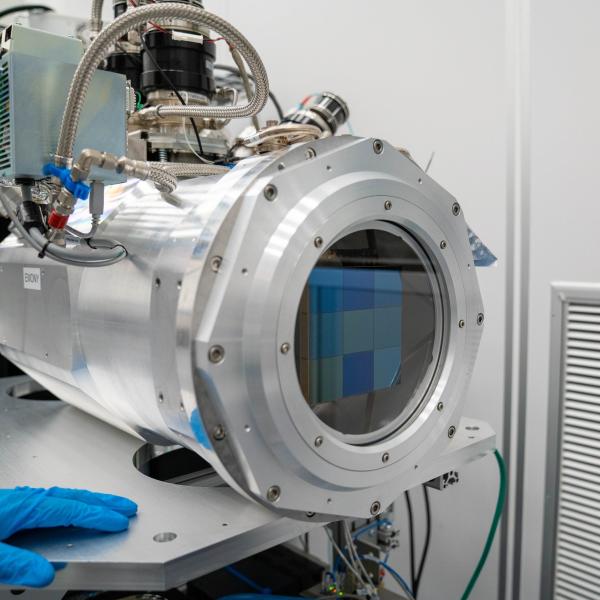
The LSST camera integration and testing team inserted a raft of nine imaging sensors into the body of the ComCam. This miniature version of the LSST camera will be used for telescope commissioning. Check out photos of this and other...
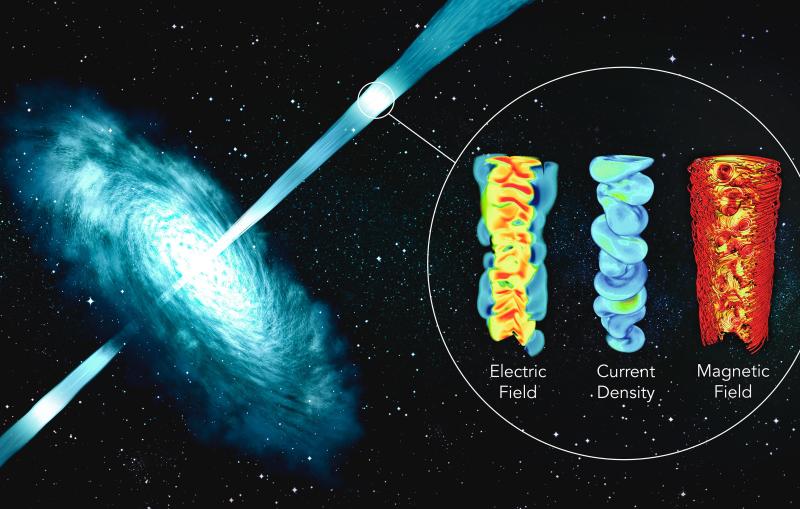
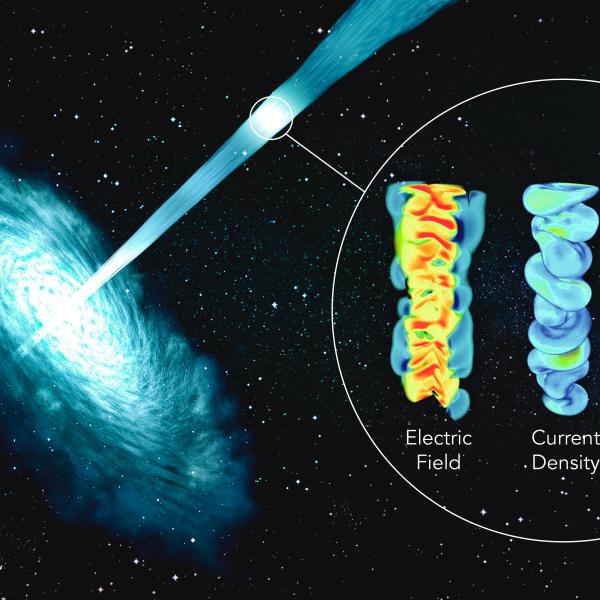
SLAC scientists find a new way to explain how a black hole’s plasma jets boost particles to the highest energies observed in the universe. The results could also prove useful for fusion and accelerator research on Earth.