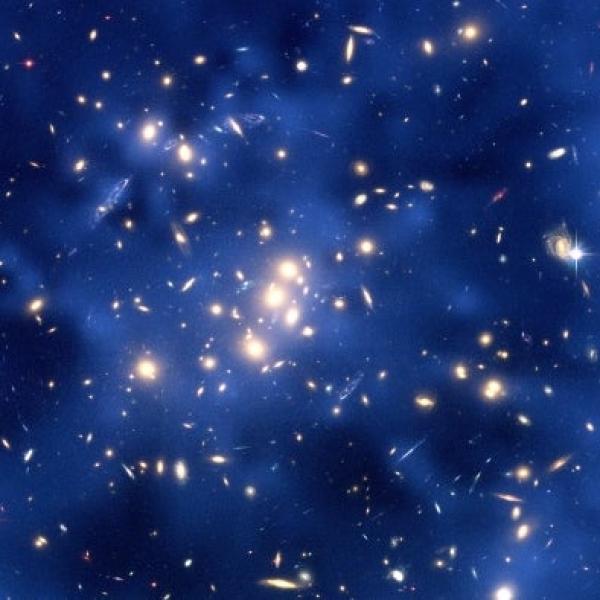
SLAC’s astrophysicists and cosmologists pursue top-priority research on topics including dark matter and dark energy, the formation of galaxies and cosmic evolution.
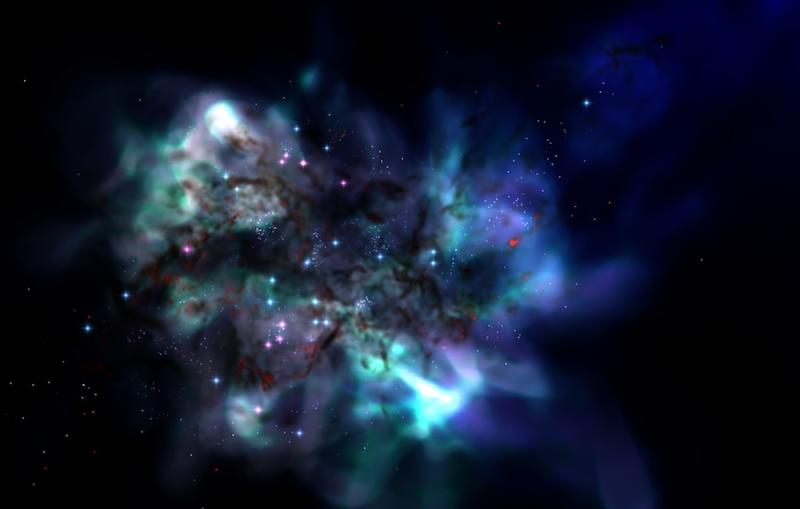
Dwarf Galaxy 3.
(Visualization by Ralf Kaehler and Tom Abel. Simulation by John Wise, Tom Abel/The Kavli Foundation/SLAC National Accelerator Laboratory/Stanford University)
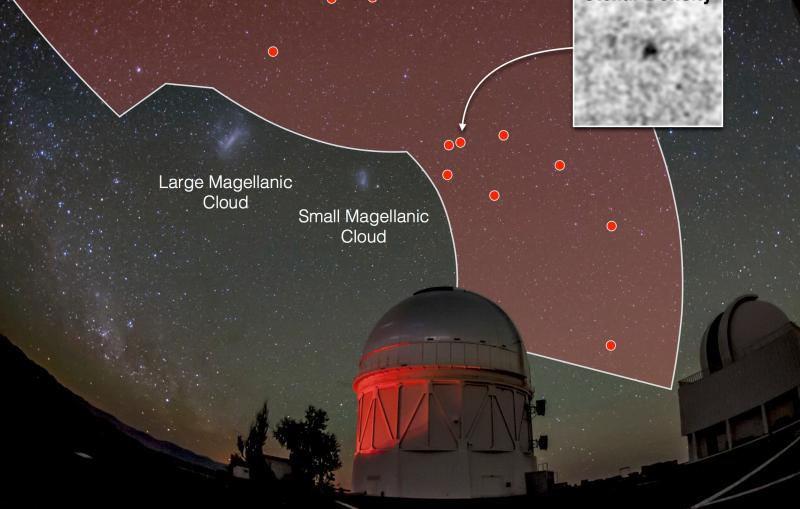
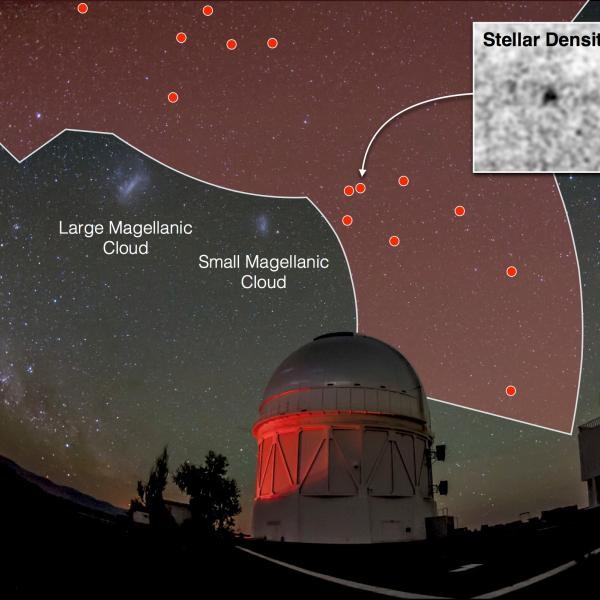
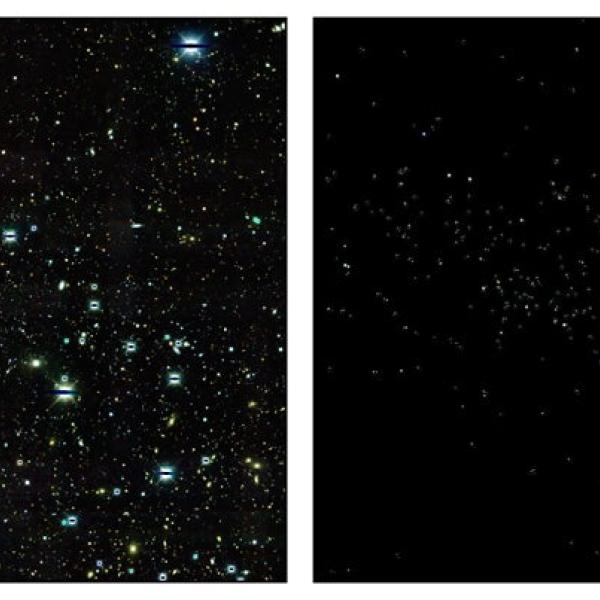
Scientists on the Dark Energy Survey, using one of the world’s most powerful digital cameras, have discovered eight more faint celestial objects hovering near...
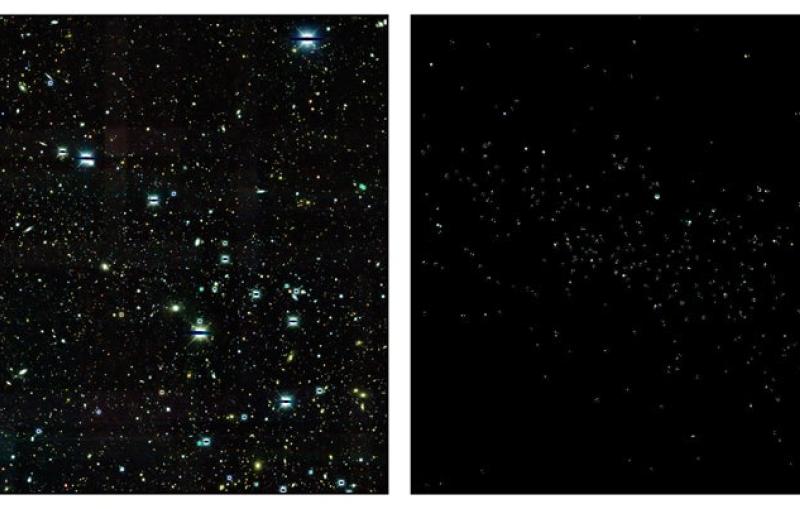
A batch of newly discovered satellite dwarf galaxies orbiting the Milky Way should help scientists better grasp the evolution of the universe while also...
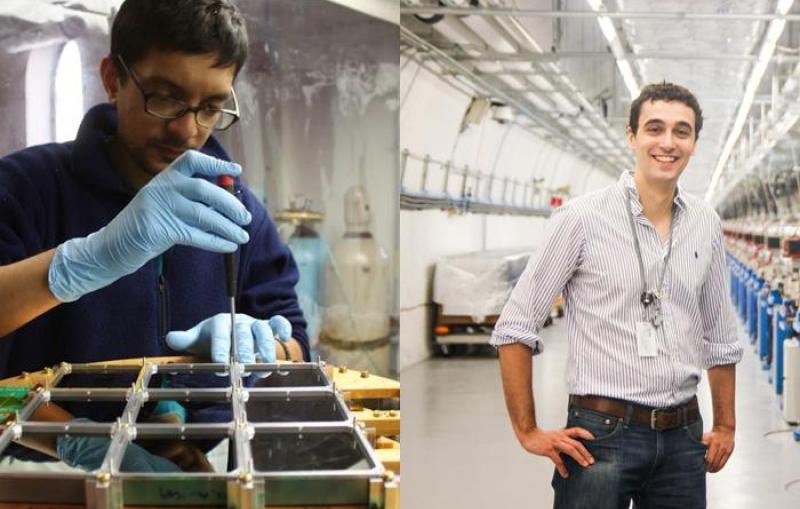
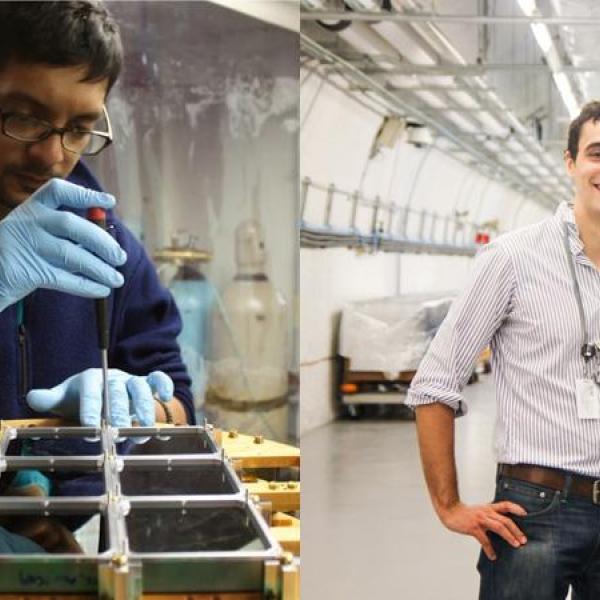
The fellowship will support their research on new capabilities for the lab's X-ray free-electron lasers and new telescope technology to look for signs of...
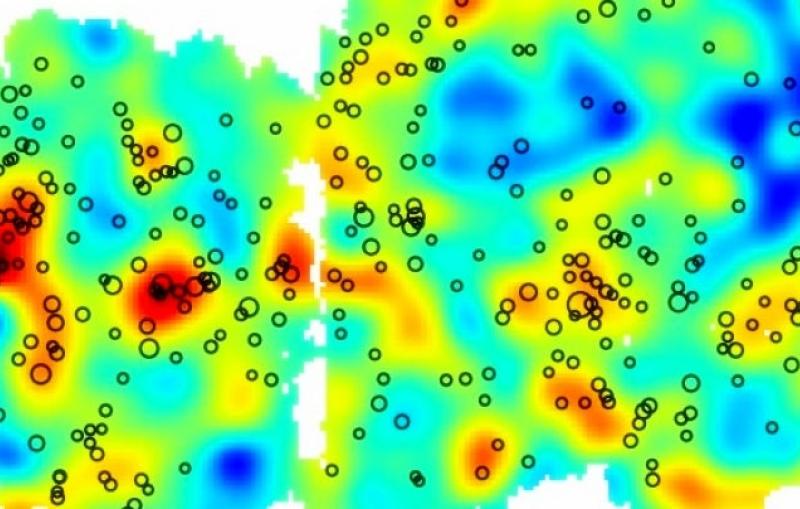
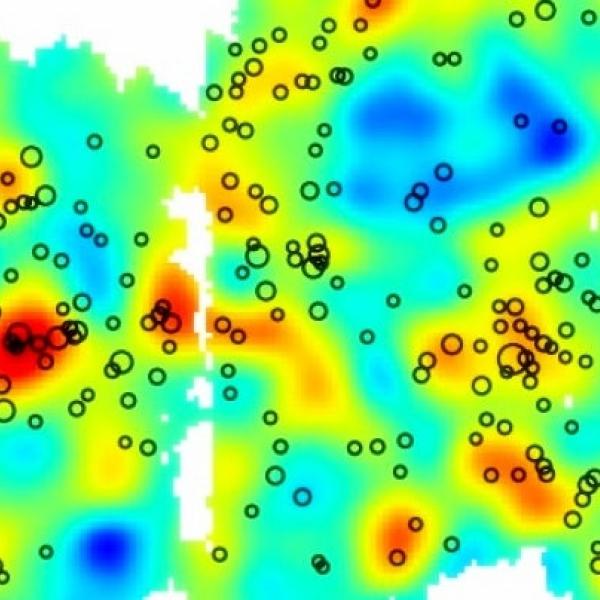
Dark Energy Survey scientists have released a detailed map of dark matter – crucial information for a better understanding of galaxy formation and dark...
Scientists on the Dark Energy Survey, using one of the world’s most powerful digital cameras, have discovered eight more faint celestial objects hovering near our Milky Way galaxy.
A batch of newly discovered satellite dwarf galaxies orbiting the Milky Way should help scientists better grasp the evolution of the universe while also honing in on dark matter's identity.
The fellowship will support their research on new capabilities for the lab's X-ray free-electron lasers and new telescope technology to look for signs of cosmic inflation.
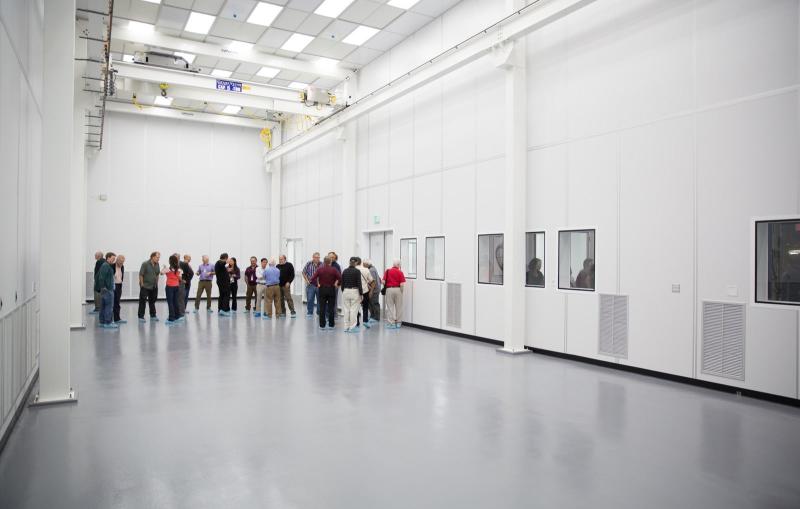
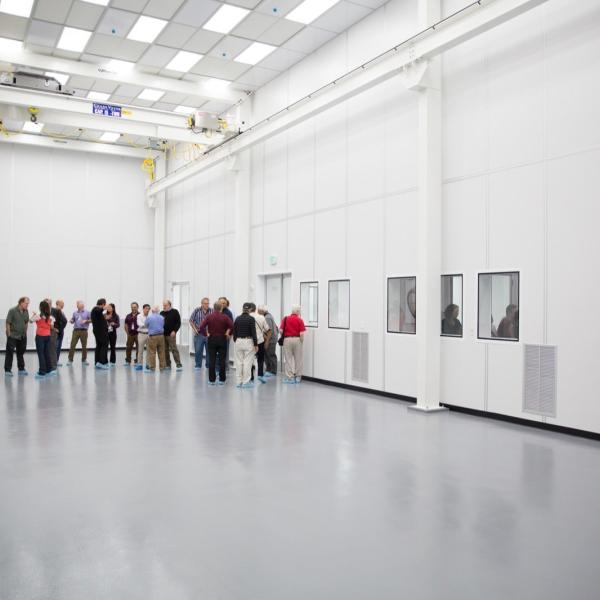
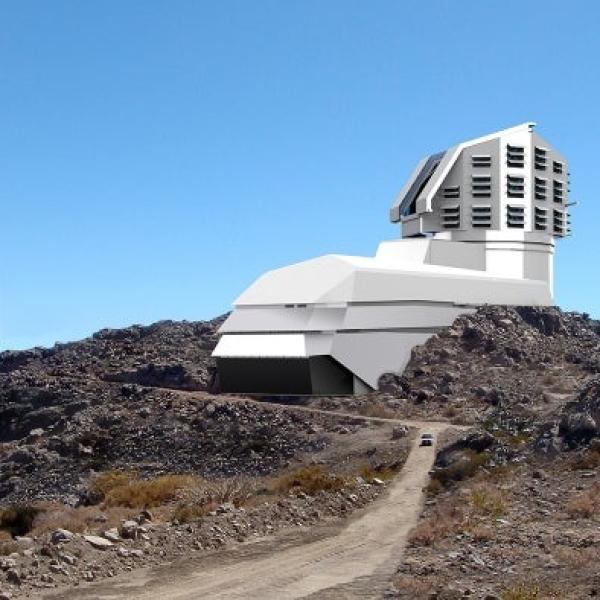
SLAC scientists and engineers celebrated the completion of a new clean room, where the lab will assemble the camera of the future Large Synoptic Survey Telescope.
Dark Energy Survey scientists have released a detailed map of dark matter – crucial information for a better understanding of galaxy formation and dark energy.