
SLAC’s astrophysicists and cosmologists pursue top-priority research on topics including dark matter and dark energy, the formation of galaxies and cosmic evolution.
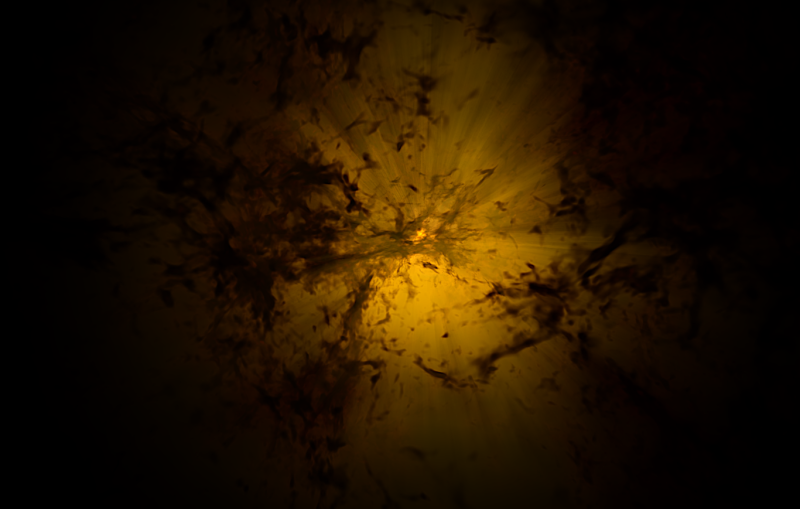
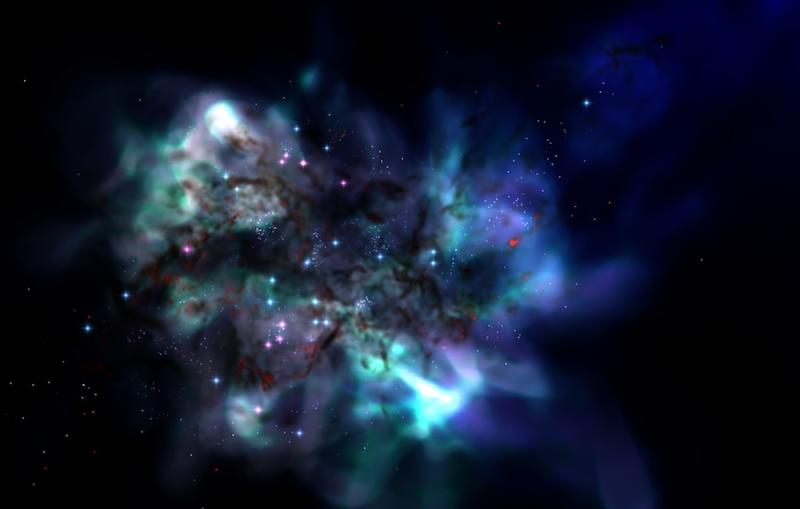
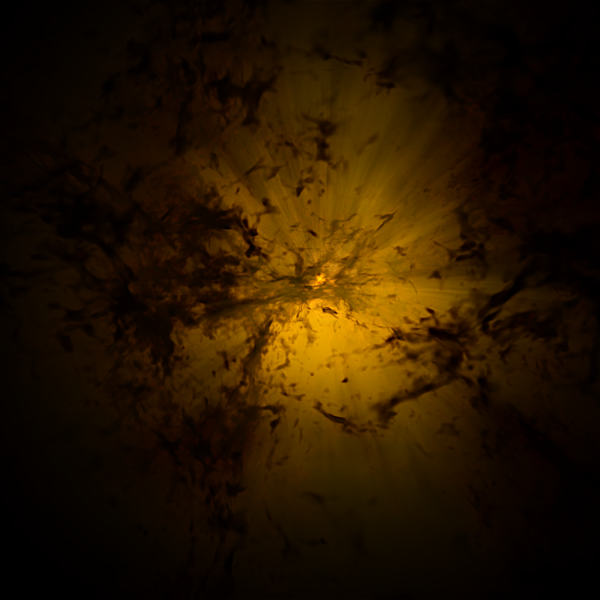
Dwarf Galaxy 3.
(Visualization by Ralf Kaehler and Tom Abel. Simulation by John Wise, Tom Abel/The Kavli Foundation/SLAC National Accelerator Laboratory/Stanford University)
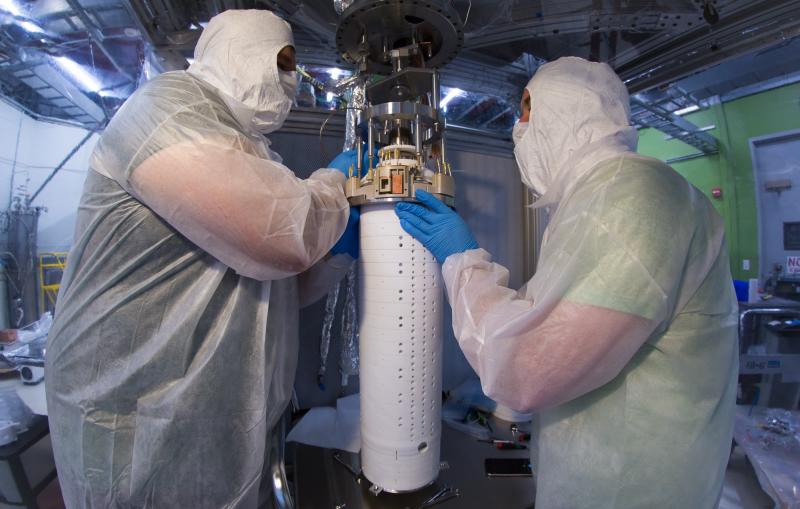
Most experiments searching for mysterious dark matter require massive colliders, but Stanford physicist and SLAC collaborator Peter Graham advocates a different, less costly approach.
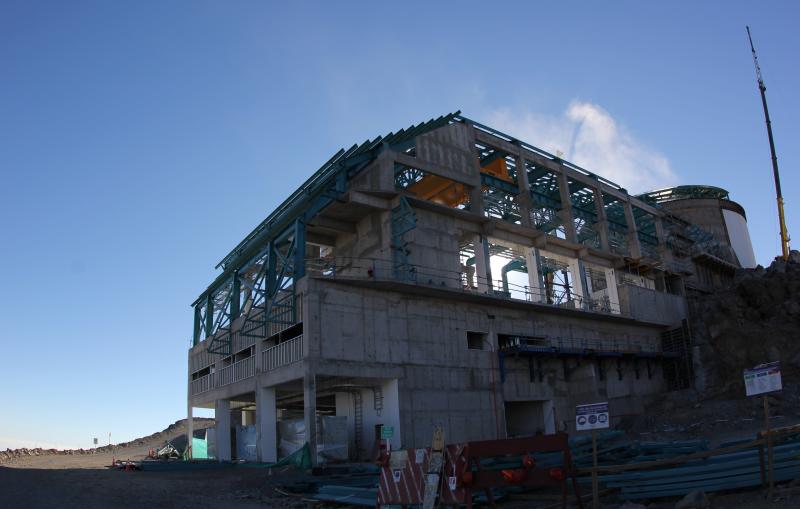
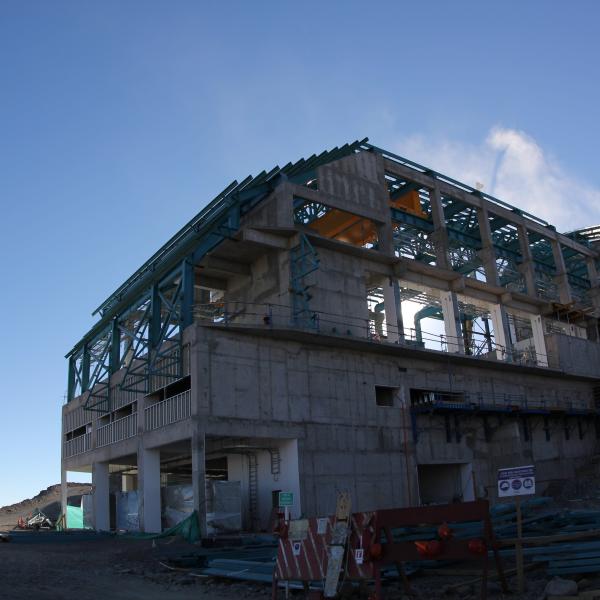
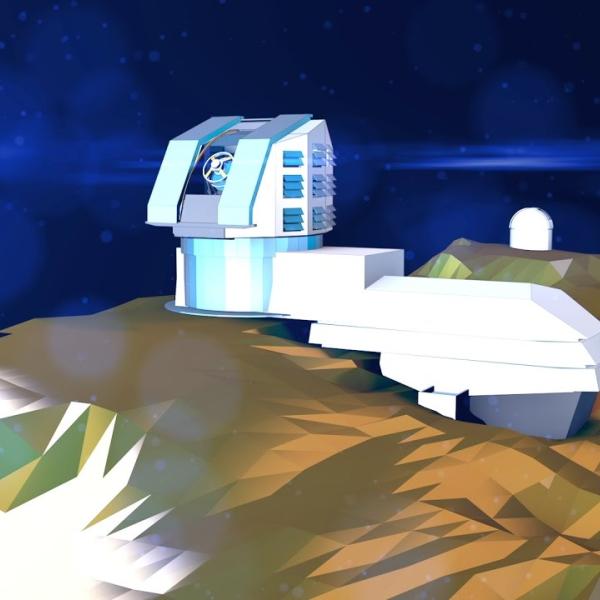
LSST is currently under construction in Chile. The U.S. Department of Energy’s SLAC National Accelerator Laboratory is leading the construction of the LSST camera...
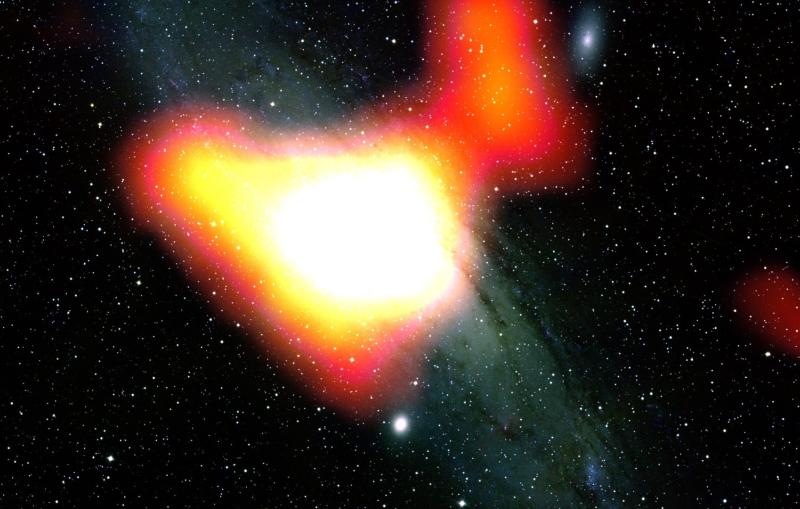
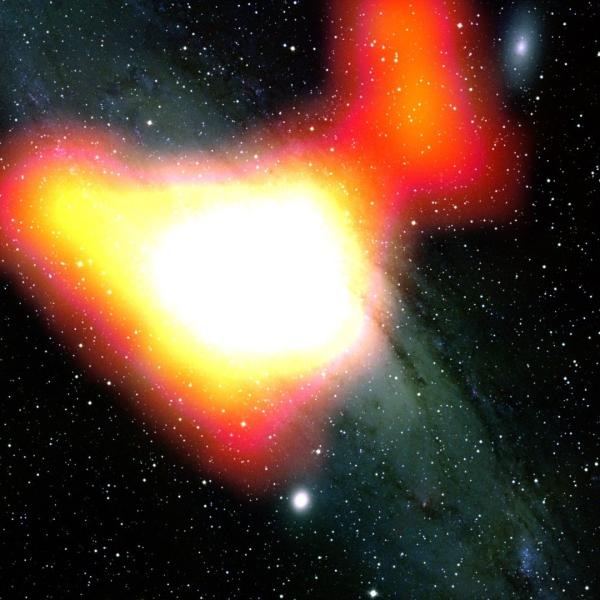
The Dark Energy Spectroscopic Instrument will measure light from 35 million cosmic objects for new insights into what causes the universe to expand faster...
Most experiments searching for mysterious dark matter require massive colliders, but Stanford physicist and SLAC collaborator Peter Graham advocates a different, less costly approach.
LSST is currently under construction in Chile. The U.S. Department of Energy’s SLAC National Accelerator Laboratory is leading the construction of the LSST camera – the largest digital camera ever built for astronomy.
The Dark Energy Spectroscopic Instrument will measure light from 35 million cosmic objects for new insights into what causes the universe to expand faster and faster.