


SLAC topics

Accelerator science RSS feed

Accelerators form the backbone of SLAC's national user facilities. Research at SLAC is continually improving accelerators, both at SLAC and at other laboratories, and is also paving the way to a new generation of particle acceleration technology. 

Related link:
Advanced accelerators
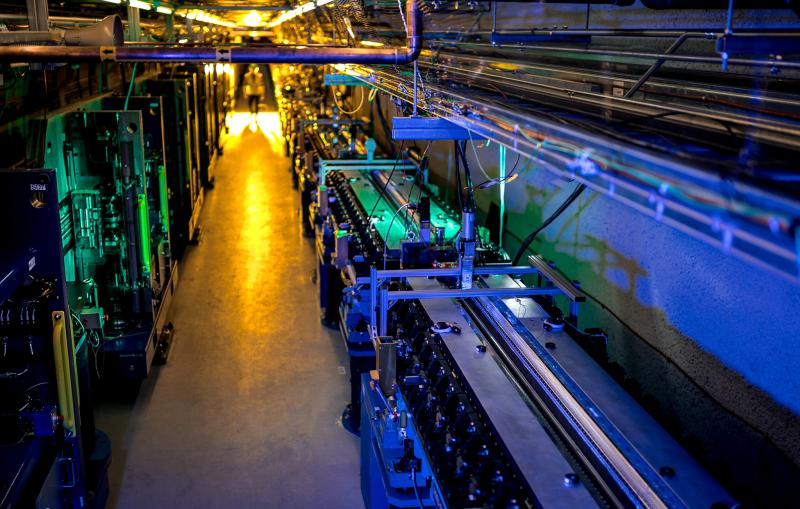
Empty undulator hall
Feature

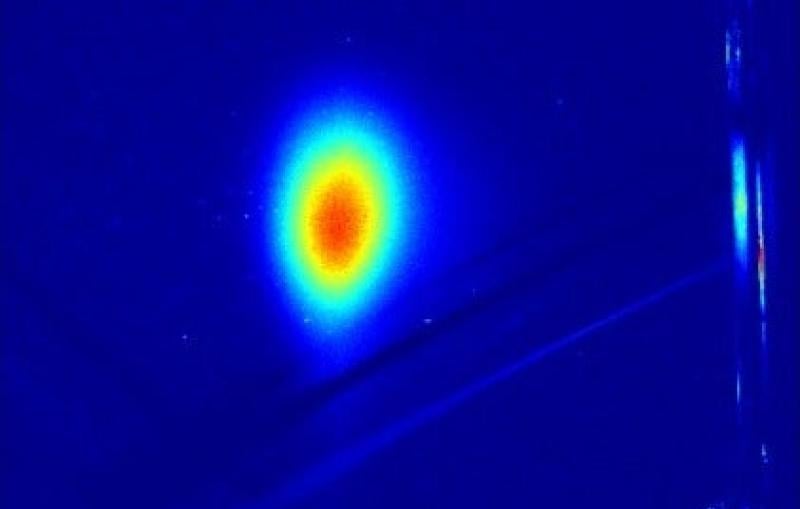
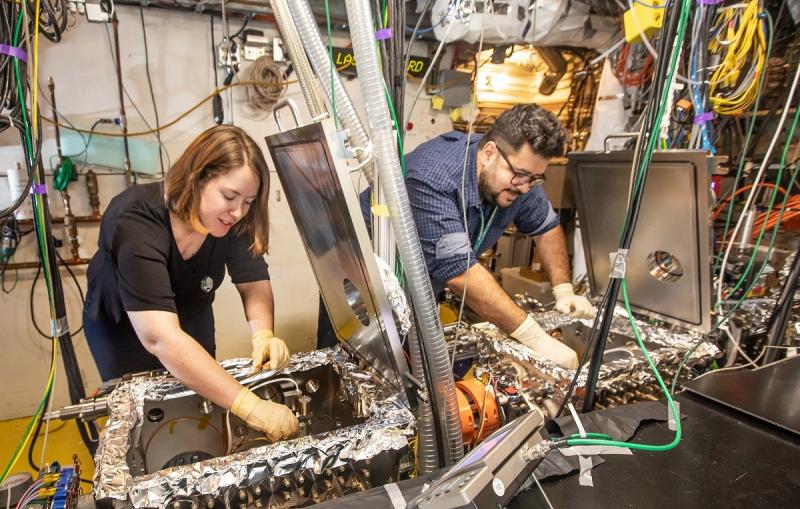
Researchers have squeezed a high-energy electron beam into tight bundles using terahertz radiation, a promising advance in watching the ultrafast world of atoms unfold.

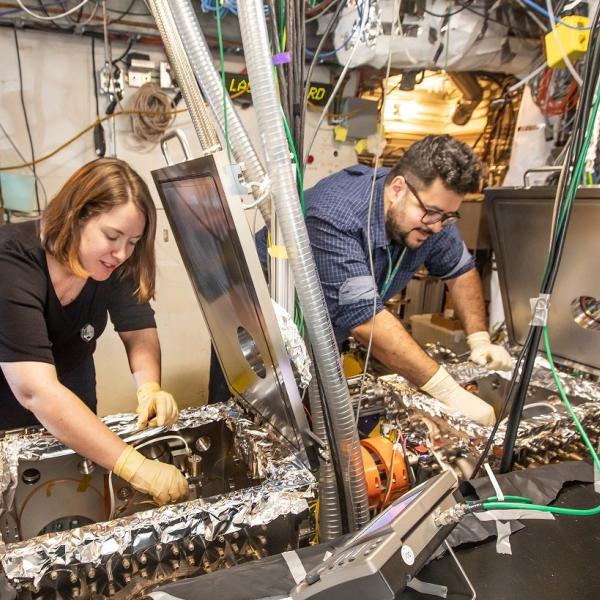
SLAC’s Emma Snively and Mohamed Othman at the lab’s high-speed “electron camera."
Feature

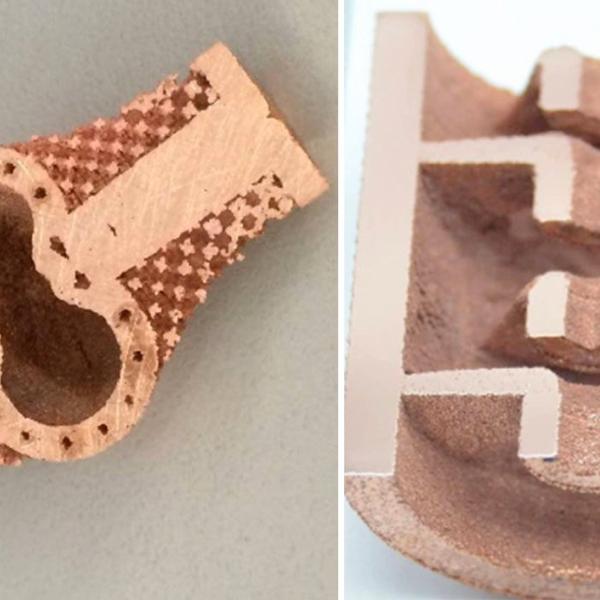
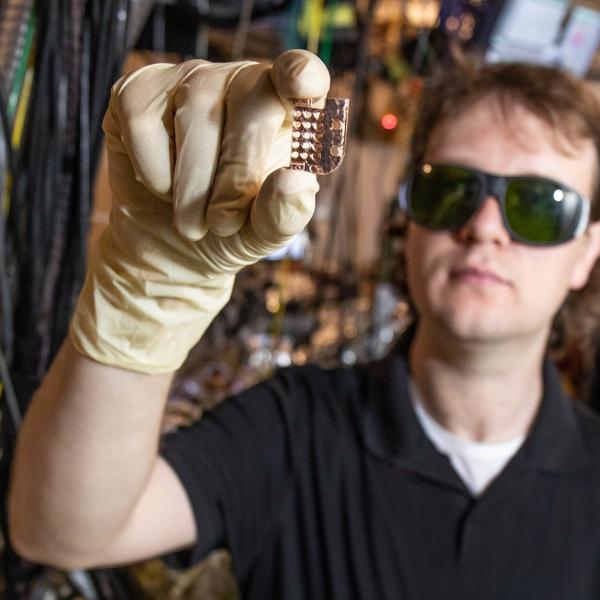
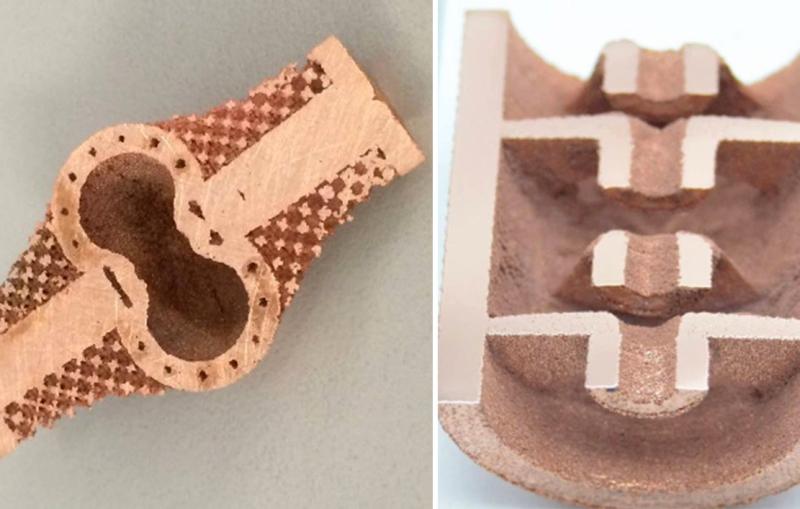
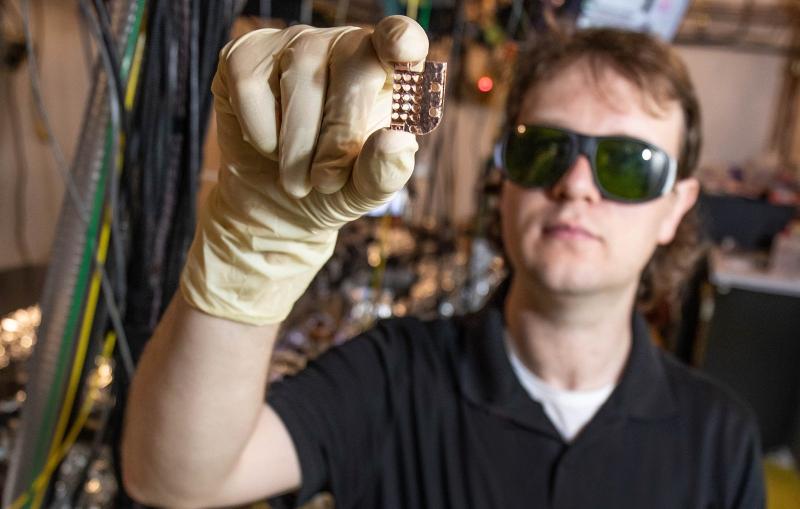
SLAC scientists and collaborators are developing 3D copper printing techniques to build accelerator components.

3D-printed copper components
Feature

Siqi Li develops connections with people and concepts while working on new technologies for accelerators.

Siqi Li headshot
Feature

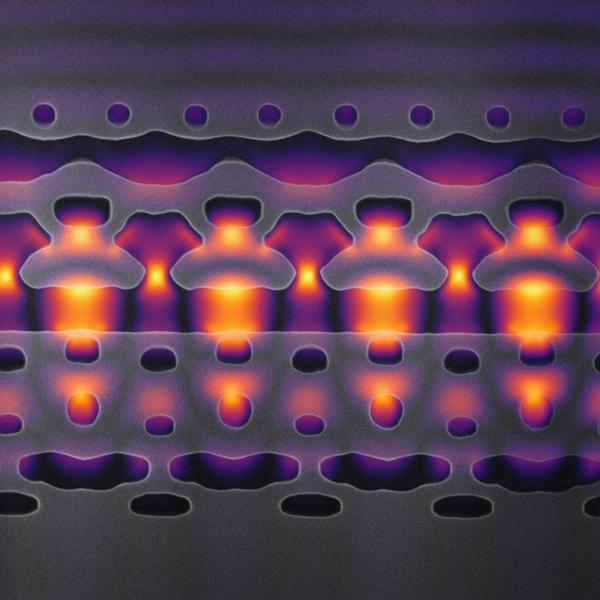
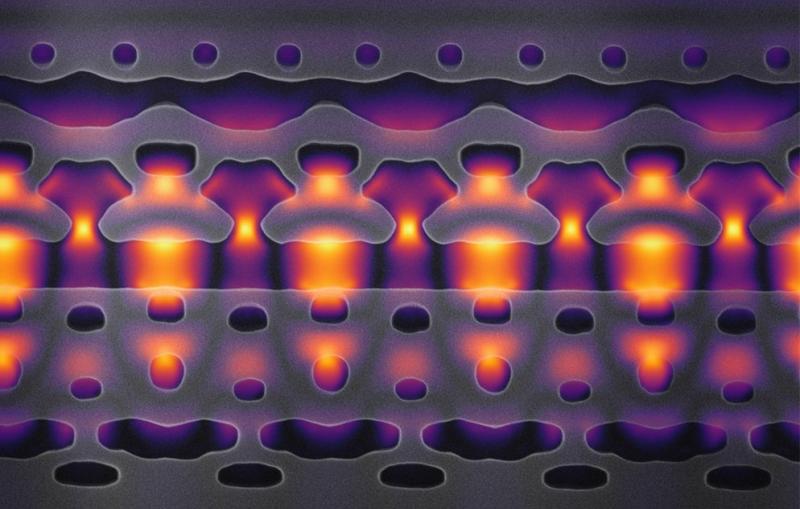
Just as engineers once compressed some of the power of room-sized mainframes into desktop PCs, so too have the researchers shown how to pack...

This image, magnified 25,000 times, shows a section of an accelerator-on-a-chip.
News Release

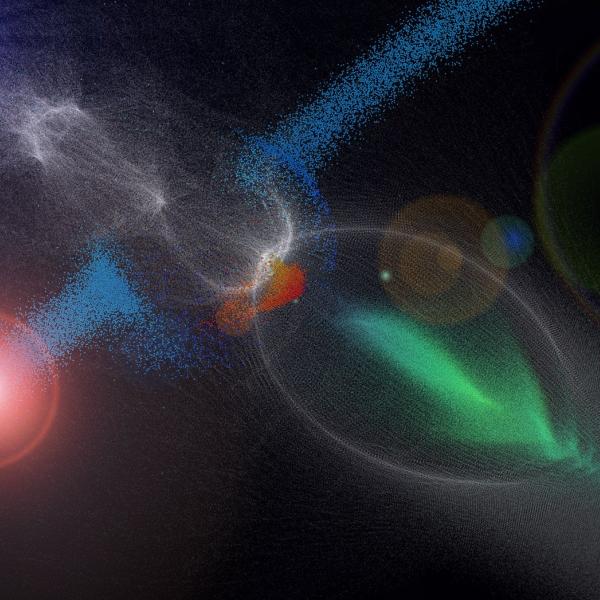
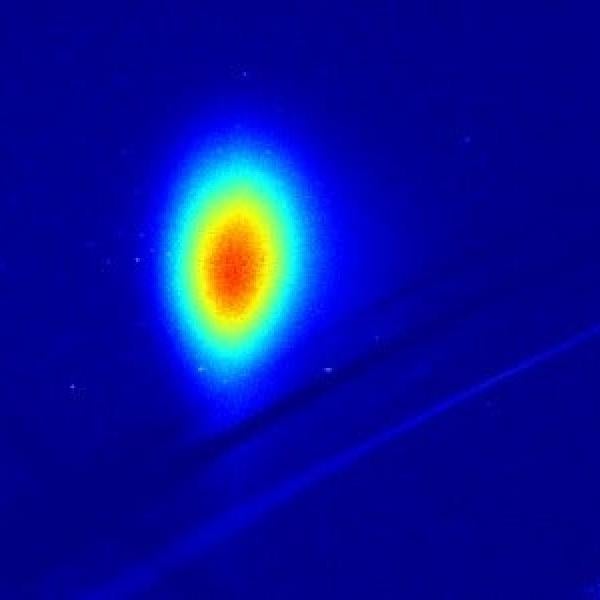
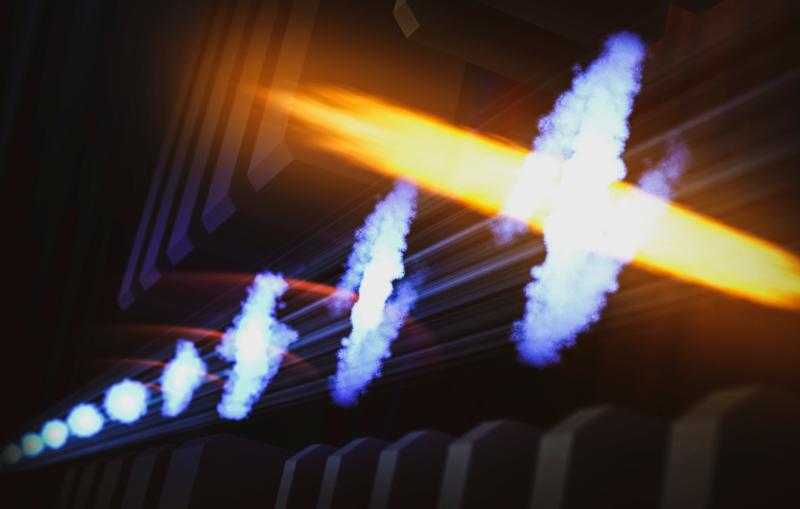
Called XLEAP, the new method will provide sharp views of electrons in chemical processes that take place in billionths of a billionth of a...

XLEAP illustration.
Feature

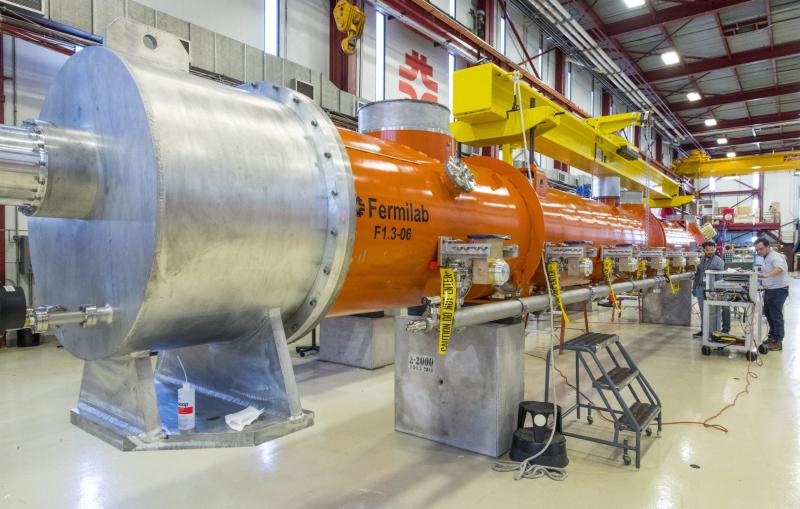
The next revolutionary X-ray laser in a class of its own, LCLS-II, is under construction at SLAC, with support from four other DOE national...

Feature

At SLAC’s FACET facility, researchers have produced an intense electron beam by 'sneaking’ electrons into plasma, demonstrating a method that could be used in...

Trojan horse illustration
Feature

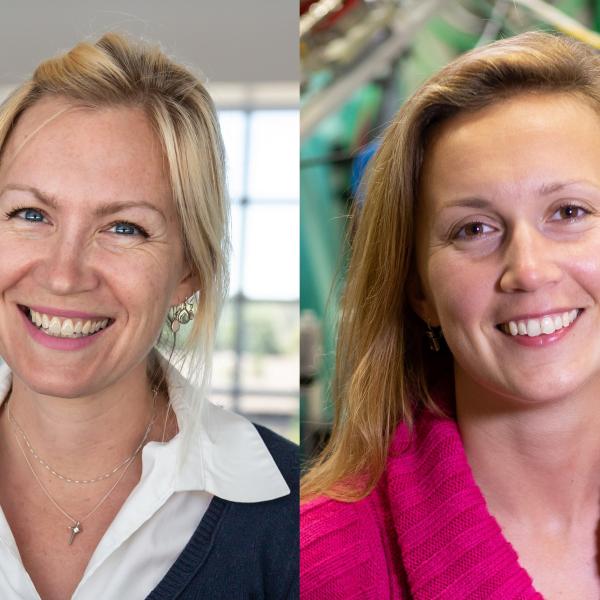
The SLAC scientists will each receive $2.5 million for their research on fusion energy and advanced radiofrequency technology.

Gleason-Gamzina-ECA2019
Feature

Combined with the lab’s LCLS X-ray laser, it’ll provide unprecedented atomic views of some of nature’s speediest processes.

Alex Reid, ultrafast electron diffraction (UED)
Feature

Particle accelerators are some of the most complicated machines in science.

Feature

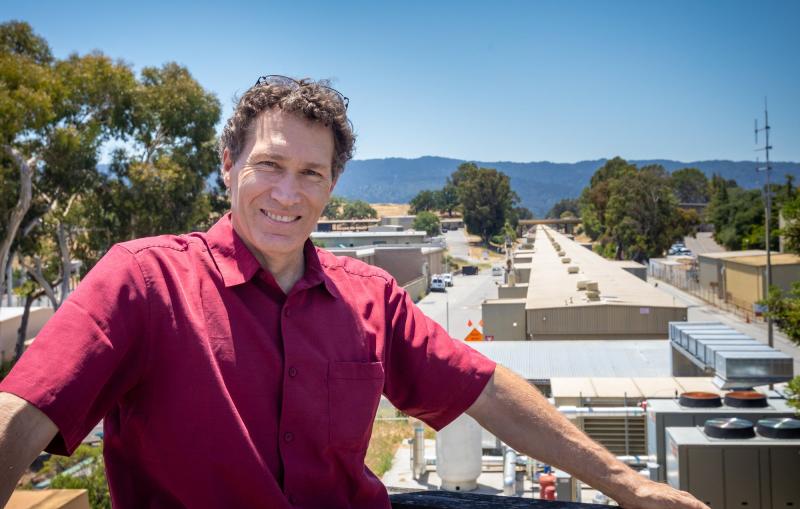
Physicist Tor Raubenheimer explores the world by climbing rocks and designing particle accelerators.

Photo: Tor Raubenheimer, accelerator physicist
Feature

Its electron beams will drive the generation of up to a million ultrabright X-ray flashes per second.

LCLS-II first electron beam