TID leverages its state-of-the-art scientific expertise in exploiting the electromagnetic spectrum and in advanced instrumentation to develop novel technologies.
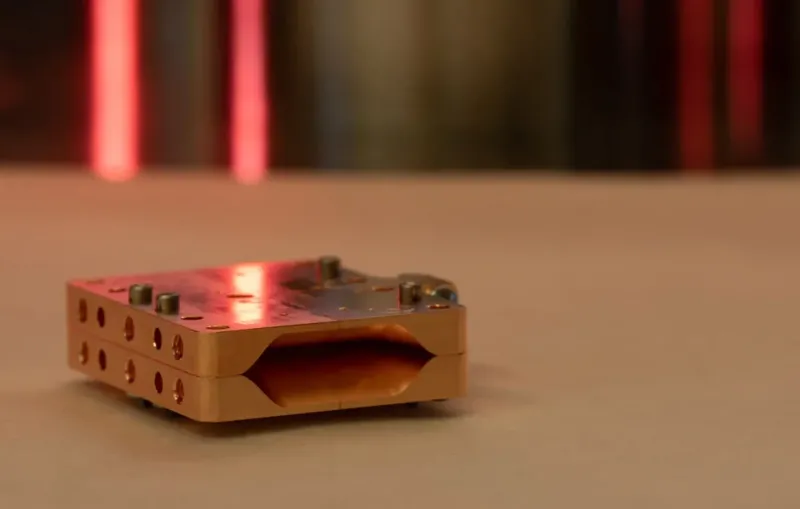
SLAC’s microelectronics research is breaking new ground in sustainable computing.

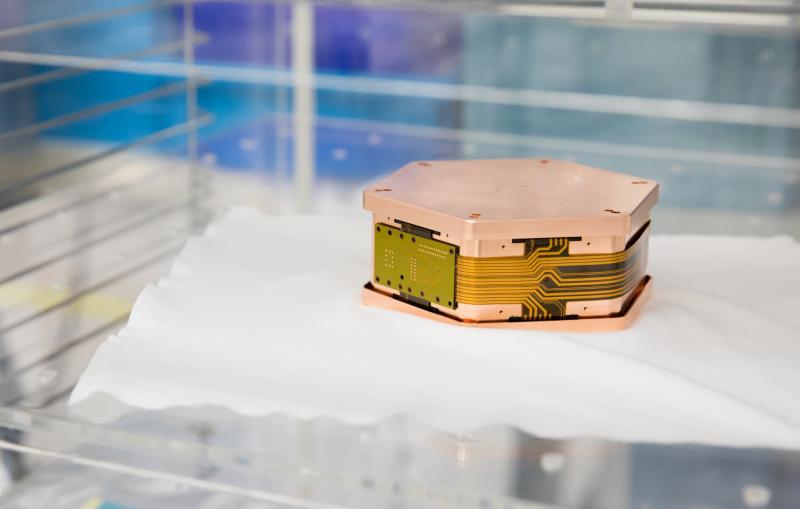
The collaboration is searching for dark matter particles with masses smaller than ten times the mass of the proton.
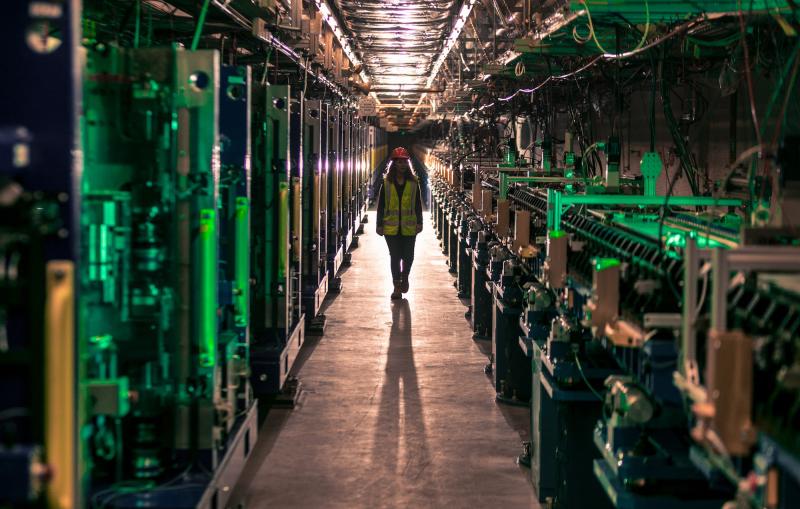
LCLS is the world’s first hard X-ray free-electron laser, open to experiments by scientists from across the globe.
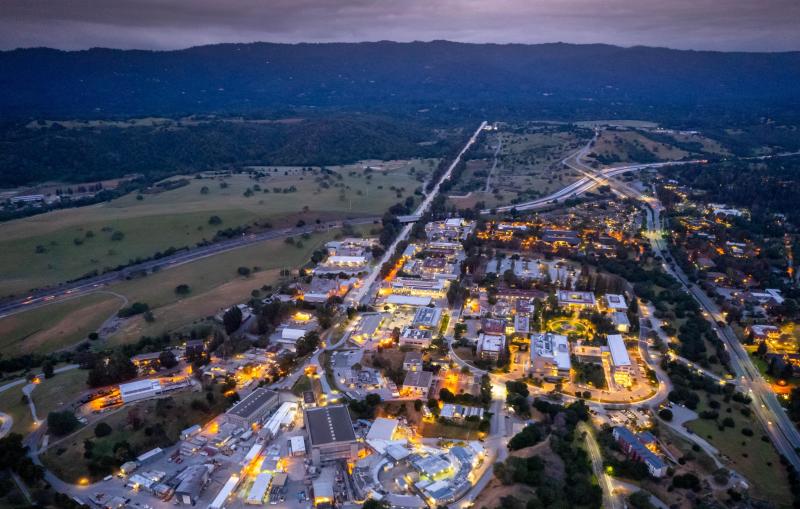
Providing SLAC with a sustainable platform capable of supporting current and future science missions.
U.S. Department of Energy/Stanford University Contract for the management and operation of SLAC National Accelerator Laboratory.
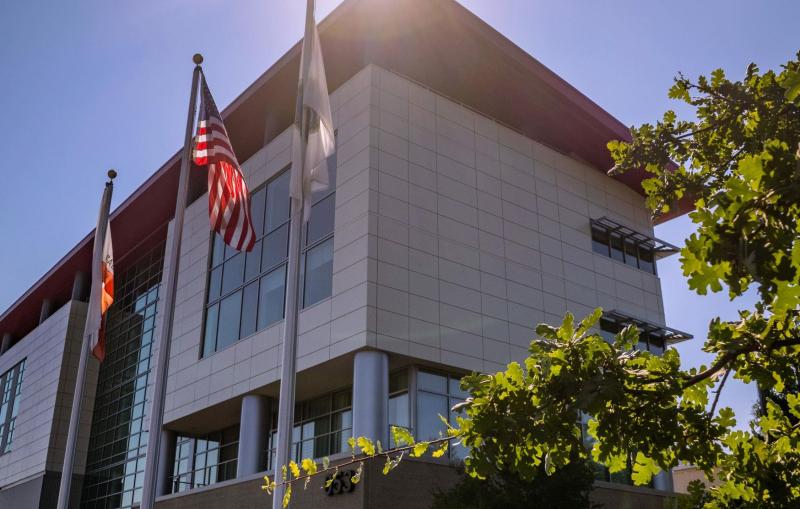
The Office of the Chief Research Officer (OCRO) oversees and supports the SLAC research portfolio and SLAC researchers.
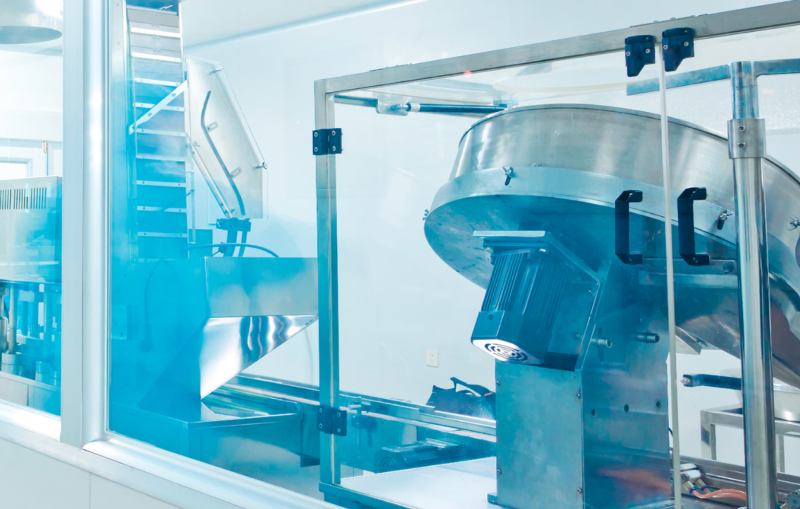
The Laboratory Directed Research and Development (LDRD) Program is a vital source of internally directed funding at SLAC.
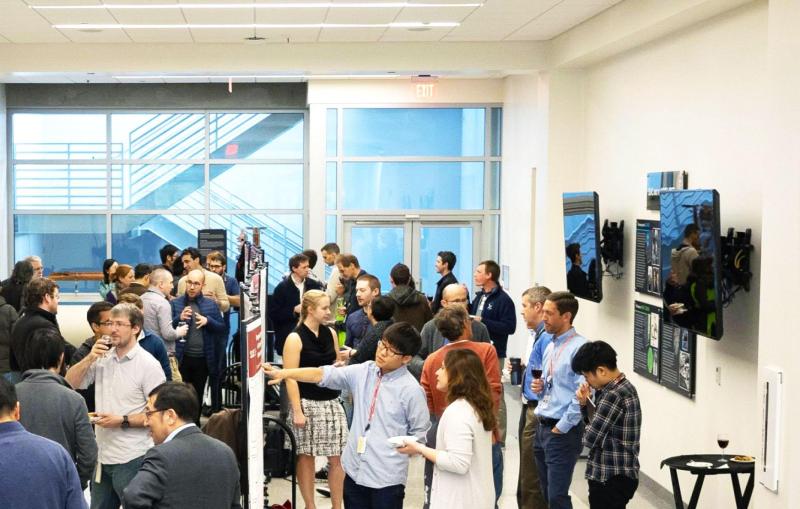
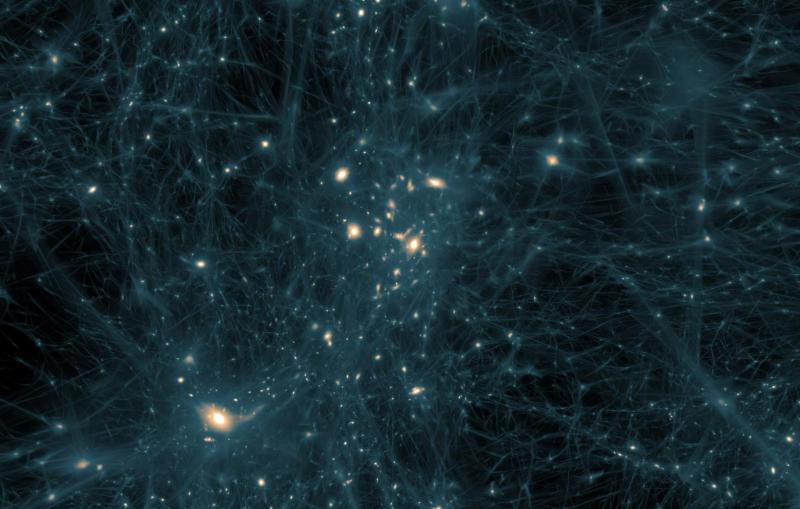
The Fundamental Physics Directorate brings together scientists and technologies that support national priorities in particle physics, astrophysics and cosmology to explore the basic particles and forces that knit the cosmos together.
Search the Stanford directory for people and organizational information

Glossary of SLAC-related abbreviations, acronyms, initialisms, terms and lingo
Panofsky Fellowships are awarded to early career doctoral scientists with potential for innovation and growth.
