Learn about our science, people, facilities and partners. Discover our history and vision for the future.
Who we are
We explore radically new ideas with an entrepreneurial mindset.
Get an overview of research at SLAC: X-ray and ultrafast science, particle and astrophysics, cosmology, particle accelerators, biology, energy and technology.
Revealing nature’s fastest processes with X-rays, lasers and electrons
Studying the particles and forces that knit the cosmos together
Building smaller, faster, more powerful accelerators for all
Understanding the machinery of life at its most basic level
Inventing new tools for science and society
Breaking new ground in securing abundant, affordable and reliable energy.
SLAC science explained
Cut through the jargon while exploring our research.
Learn more about the places where science happens at SLAC: our major facilities, institutes and centers.
Linac Coherent Light Source
Stanford Synchrotron Radiation Lightsource
Facility for Advanced Accelerator Experimental Tests
Cryogenic Electron Microscopy
Stanford Institute for Materials & Energy Science
Kavli Institute for Particle Astrophysics & Cosmology
Stanford PULSE Institute
Center for Interface Science & Catalysis
NSF-DOE Vera C. Rubin Observatory LSST
SLAC & Stanford build the world’s largest digital camera for the Legacy Survey of Space and Time (LSST).
Find a career, partner with us or apply to use our tools and facilities.
Apply to become a user of our scientific research facilities and instruments.
Careers at SLAC
Join our united workforce.
Get the latest news about the lab, our science and discoveries. Explore SLAC events and learn how to participate.
This joint publication of SLAC and Fermilab is your view into the world of particle physics.
Blazing the path to a fusion future
Thursday, October 8, 7:00 p.m.
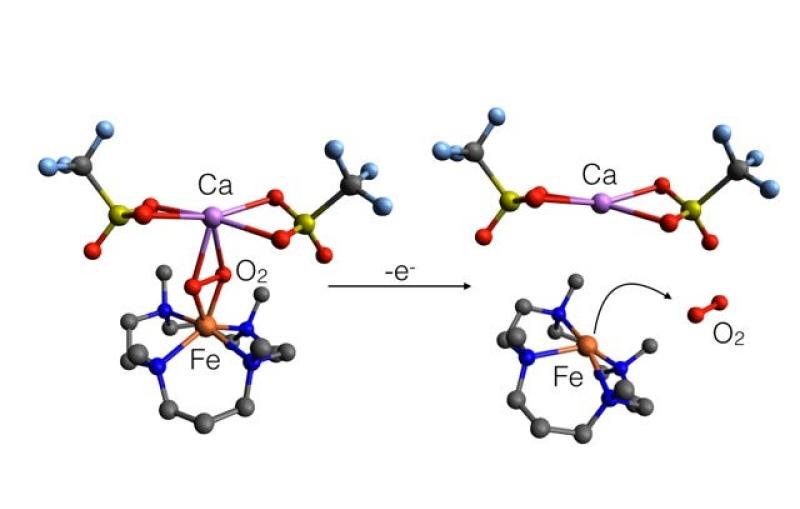
System Studied at SLAC's Synchrotron Mimics Steps in Photosynthesis
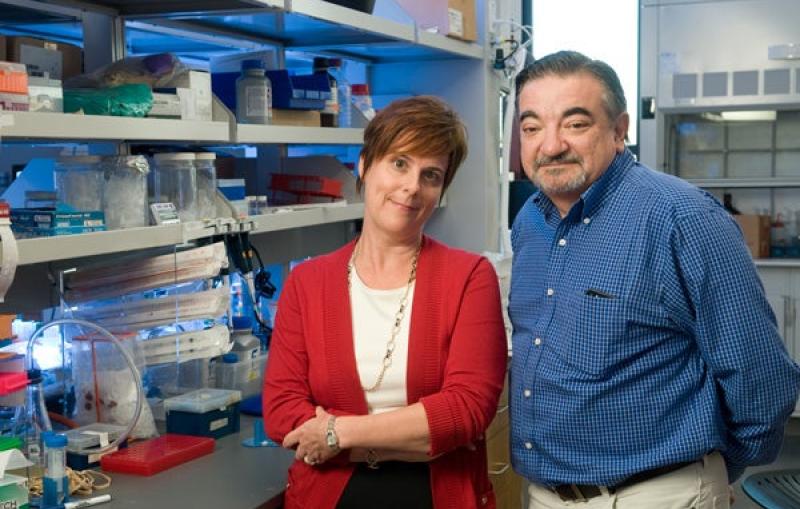
SSRL protein crystallography expert joined research effort that could lead to a safe and effective alternative to chemotherapy.
Particle physicists and scientists from other disciplines are finding ways to help one another answer critical questions.
CERN celebrates six decades of peaceful collaboration for science.
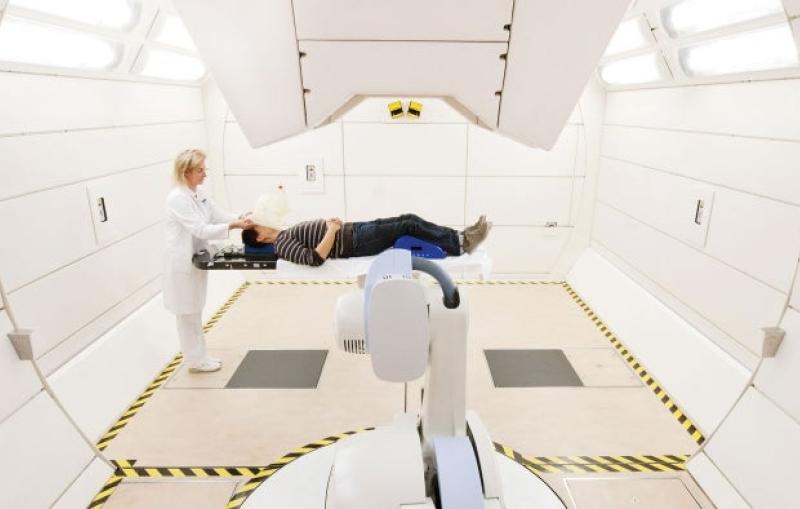
As charged-particle therapies grow in popularity, physicists are working with other experts to make them smaller, cheaper and more effective—and m
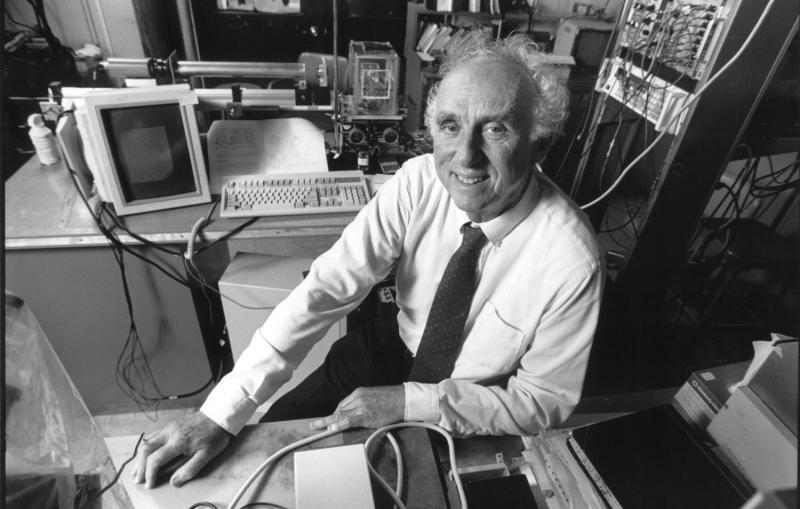
Martin L. Perl, a professor emeritus of physics at Stanford University and SLAC National Accelerator Laboratory and winner of the 1995 Nobel Prize in...
The Medal is the Nation's Highest Honor for Achievement in the Field of Science
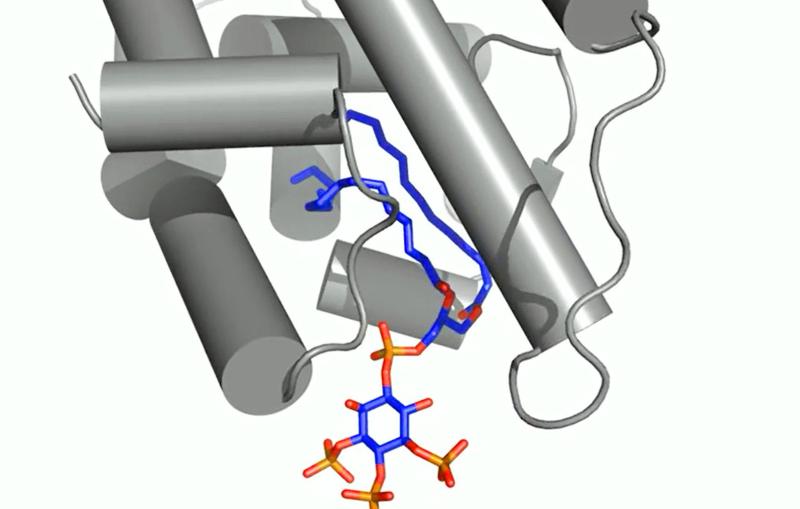
Discovery at SLAC's Synchrotron Could Lead to New Drug Designs, Treatments
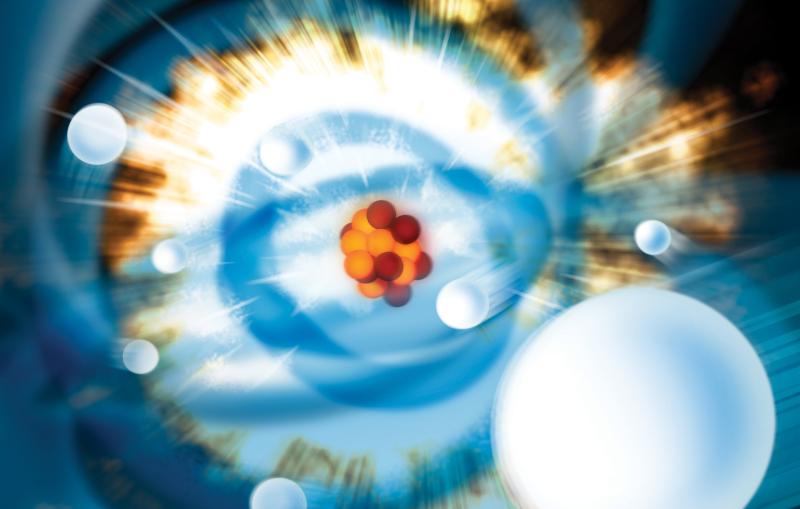
From 'Hollow' Atoms to Structures Inside Living Cells, SLAC's Laser Continues to Explore Science at the Extremes
Astrophysicists inspire space-related projects at a 24-hour hack-a-thon in San Francisco.
SLAC scientists are among the researchers to receive funding to advance solar cells, batteries, renewable fuels and bioenergy.
Annual Award Recognizes Behind-the-scenes Work in Assisting X-ray Experiments