SLAC National Accelerator Laboratory
    • About

      Learn about our science, people, facilities and partners. Discover our history and vision for the future.

    • OUR STORY
      • Mission, vision, values
      • History
    • LAB OVERVIEW
      • SLAC at a glance
      • Lab organization
      • Our partnerships
    • OUR PEOPLE
      • Leadership
      • Meet our teams
      • Faculty
    • VISIT SLAC
      • Public tours
      • Contact us
    • Resources
      • Images, videos & more
      • Brochures & fact sheets
    • Connect With Us
      • Facebook
      • Flickr
      • Instagram
      • LinkedIn
      • Twitter
      • YouTube
    video

    Who we are

    We explore radically new ideas with an entrepreneurial mindset.

    Science and User Support Building to the left and Arrillaga Science Center building to the right from above the Main Quad at SLAC's campus.
    • Research

      Get an overview of research at SLAC: X-ray and ultrafast science, particle and astrophysics, cosmology, particle accelerators, biology, energy and technology.

    • X-ray and Ultrafast science icon X-ray & ultrafast science

      Revealing nature’s fastest processes with X-rays, lasers and electrons

    • Physics of the universe science icon Physics of the universe

      Studying the particles and forces that knit the cosmos together

    • Advanced Accelerators science icon Advanced accelerators

      Building smaller, faster, more powerful accelerators for all

    • Science of life science icon Science of life

      Understanding the machinery of life at its most basic level

    • New technologies science icon New technologies

      Inventing new tools for science and society

    • Energy sciences science icon Energy sciences

      Finding clean, sustainable solutions for the world’s energy challenges

    Spotlight

    SLAC science explained

    Cut through the jargon while exploring our research.

    SAGE campers have fun experimenting with a Van de Graff generator
    • Facilities & Centers

      Learn more about the places where science happens at SLAC: our major facilities, institutes and centers.

    • SCIENTIFIC FACILITIES
      • LCLS website

        Linac Coherent Light Source

      • SSRL website

        Stanford Synchrotron Radiation Lightsource

      • FACET-II website

        Facility for Advanced Accelerator Experimental Tests

      • CryoEM website

        Cryogenic Electron Microscopy

    • JOINT INSTITUTES & CENTERS
      • SIMES website

        Stanford Institute for Materials & Energy Science

      • KIPAC website

        Kavli Institute for Particle Astrophysics & Cosmology

      • PULSE website

        Stanford PULSE Institute

      • SUNCAT website

        Center for Interface Science & Catalysis

      • SLAC-Stanford Battery Center

    NSF-DOE Vera C. Rubin Observatory LSST

    SLAC & Stanford build the world’s largest digital camera for the Legacy Survey of Space and Time (LSST).

    A drone photo of Rubin Observatory while taking pictures during the First Look observing campaign
    • Work with Us

      Find a career, partner with us or apply to use our tools and facilities.

    • PARTNER WITH US
      • For industry partners
      • Research partnerships & tech transfer
      • Technology Innovation
    • CAREERS AT SLAC
      • Job openings
      • Internships
      • Life at SLAC
    • USE OUR FACILITIES

      Apply to become a user of our scientific research facilities and instruments.

    • COMING TO SLAC
    • BECOME A SUPPLIER

    Careers at SLAC

    Join our united workforce.

    SLAC staff in main quad
    • News & Events

      Get the latest news about the lab, our science and discoveries. Explore SLAC events and learn how to participate.

    • NEWS CENTER
      • News archive
      • Media resources
      • Images & videos
    • SLAC EVENTS
      • Public lectures
      • Scientific seminars
      • Community events
    • SYMMETRY MAGAZINE

      This joint publication of SLAC and Fermilab is your view into the world of particle physics.

    • EDUCATIONAL PROGRAMS
      • Educational tours
      • Resources for students & educators
    • Connect With Us
      • Facebook
      • Flickr
      • Instagram
      • LinkedIn
      • Twitter
      • YouTube
    Upcoming public lecture

    Reinventing the way we break down plastic waste

    Thursday, March 26, 2026
    7:00–8:00 p.m. PDT

    Public Lecture: Ozge Bozkurt
Filter search by
Staff portalStanford directoryComing to SLACResources for…
  1. Home
  2. …
Filter by research area
  • X-ray and ultrafast science (183)
  • Physics of the universe (128)
  • Energy sciences (47)
  • Science of life (29)
  • New technologies (24)
  • Advanced accelerators (10)
Filter by Type
  • (-) News (1773)
  • Image (387)
  • Video (227)
  • Event (157)
  • Page (67)
  • (-) Person (66)
  • resource (64)
  • News Collection (4)
Sort by
1839 results
Display Grid Display List
Clear all
Feature

SLAC, RadiaBeam Build New Tool to Tweak Rainbows of X-ray Laser Light

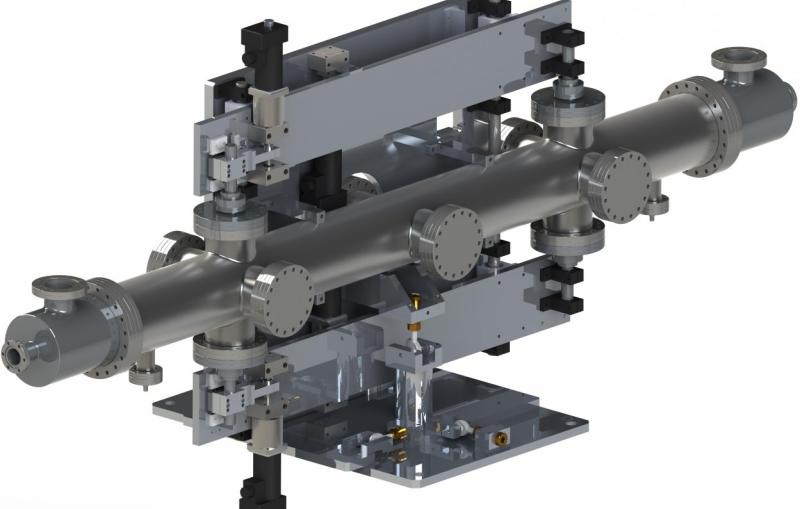
SLAC and RadiaBeam Systems have teamed up to construct a “dechirper” that will allow scientists to adjust the “color spectrum” of X-ray pulses in...

December 3, 2014  ·  4 min read
Feature
VIA Symmetry Magazine

Searching for a Dark Light

A new experiment  is on the hunt for dark photons, hypothetical messengers of an invisible universe.

December 3, 2014
Feature

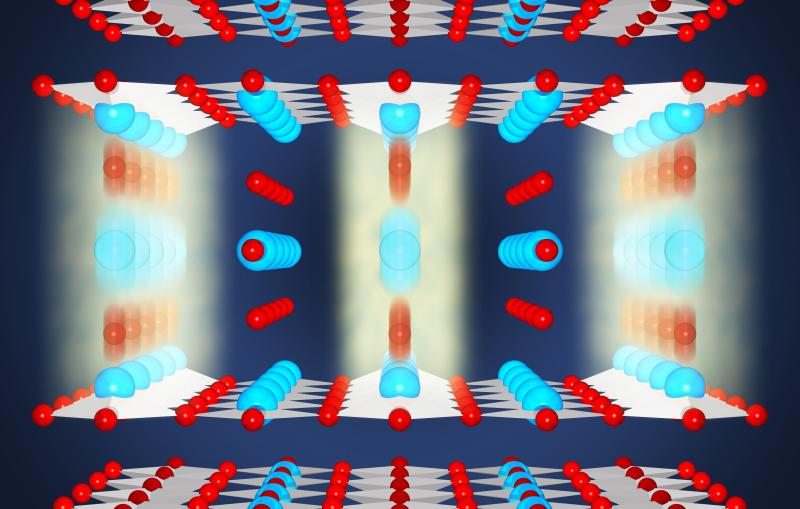
Rattled Atoms Mimic High-temperature Superconductivity

An experiment at SLAC provided the first fleeting glimpse of the atomic structure of a material as it entered a state resembling room-temperature superconductivity...

December 4, 2014  ·  3 min read
Image - In a high-temperature superconducting material known as YBCO, light from a laser causes oxygen atoms to vibrate between layers of copper oxide in a way that favors superconductivity.
Feature
VIA DOE

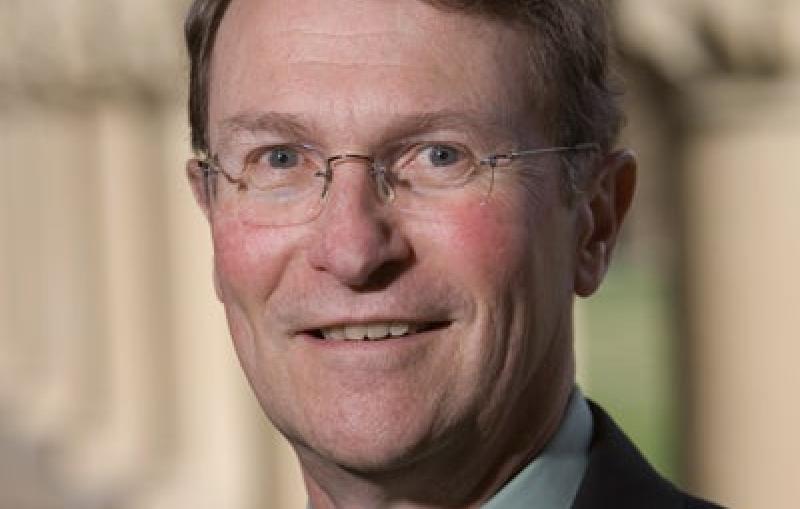
Dr. Franklin Orr Confirmed as Under Secretary for Science and Energy

Orr's position encompasses both science and energy, including the Office of Science. SLAC is one of the national laboratories under the position's purview.

December 4, 2014
Feature

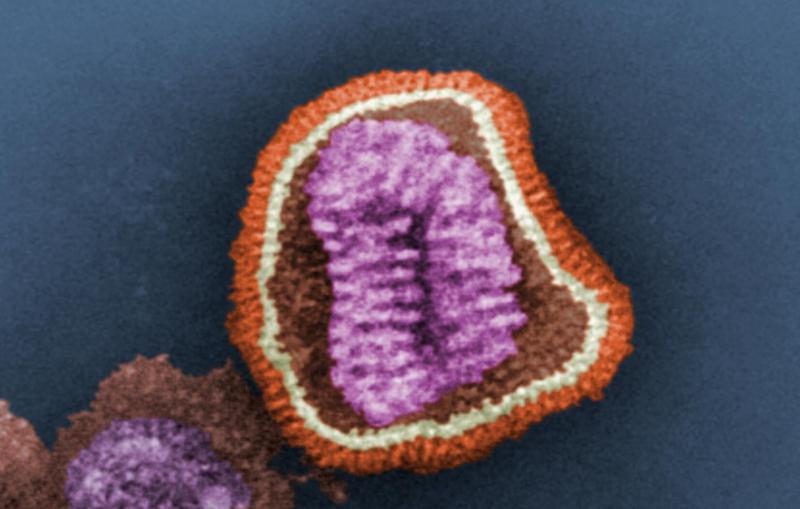
Study May Help Slow the Spread of Flu

Understanding details of a flu antibody offers new insight for future structure-based drug discovery and novel avenues for designing vaccines.

December 8, 2014  ·  2 min read
A false color image of an influenza virus particle
Feature

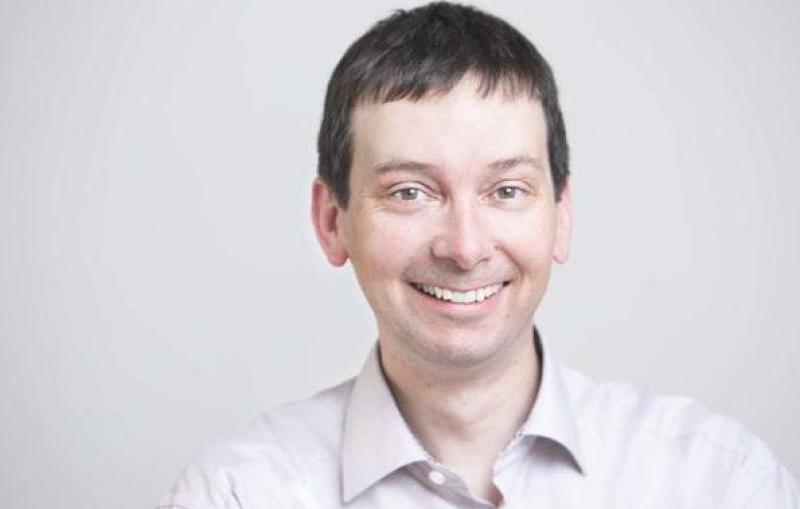
DESY's Henry Chapman Awarded Leibniz Prize for X-ray Laser Research

A scientist at Germany’s DESY lab who participated in pioneering studies at SLAC's LCLS has been awarded a scientific prize by a research foundation.

December 11, 2014  ·  1 min read
Image - Henry Chapman (DESY)
Feature

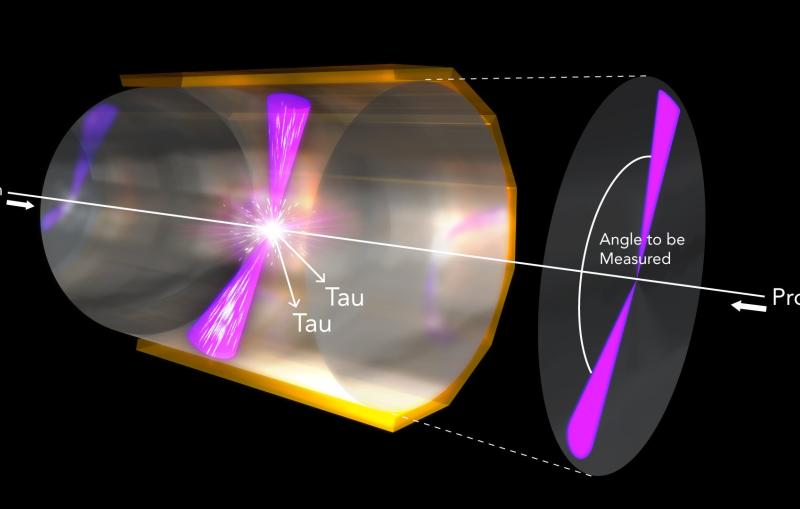
Is the Higgs Boson a Piece of the Matter-Antimatter Puzzle?

Experiments have helped explain some of the imbalance between matter and antimatter in the universe, but not all of it. Now a SLAC theorist...

December 15, 2014  ·  3 min read
Higgs jet diagram
Feature

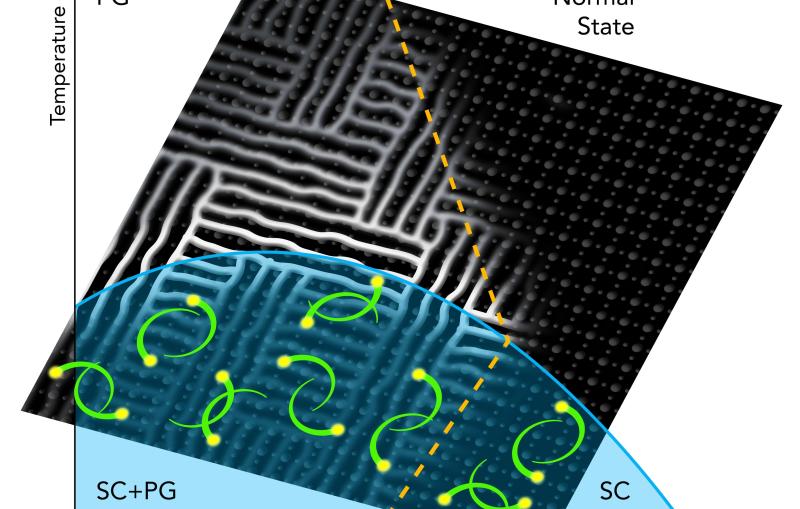
First Direct Evidence that a Mysterious Phase of Matter Competes with High-Temperature Superconductivity

SLAC study shows the so-called ‘pseudogap’ hoards electrons that otherwise might pair up to carry current through a material with 100 percent efficiency.
December 19, 2014  ·  4 min read
Feature
via <em>Symmetry Magazine</em>

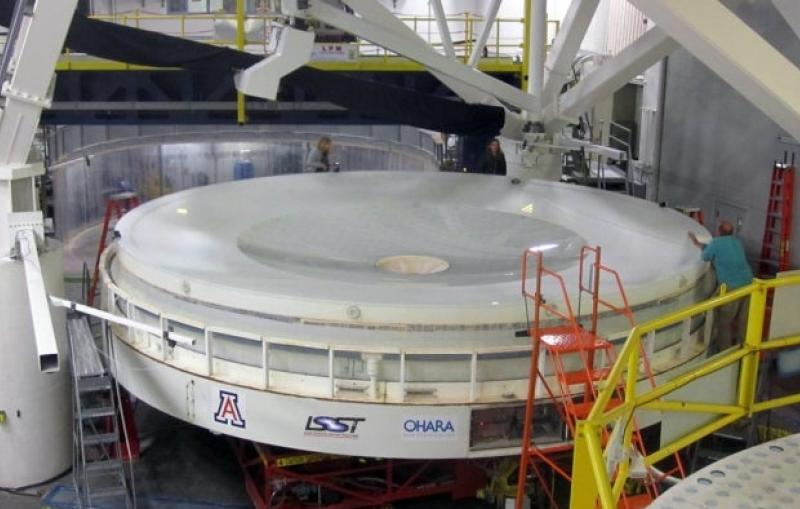
Mirror, Mirror

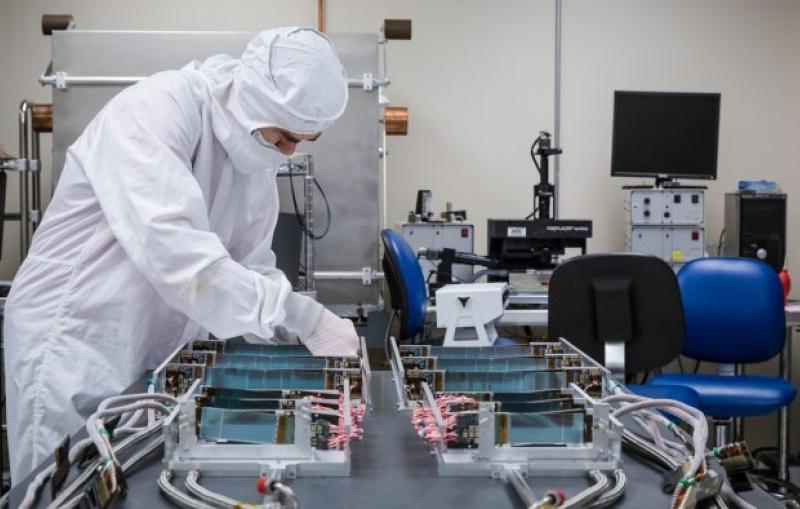
After more than six years of grinding and polishing, the first-ever dual-surface mirror for a major telescope is complete.

January 12, 2015
Feature

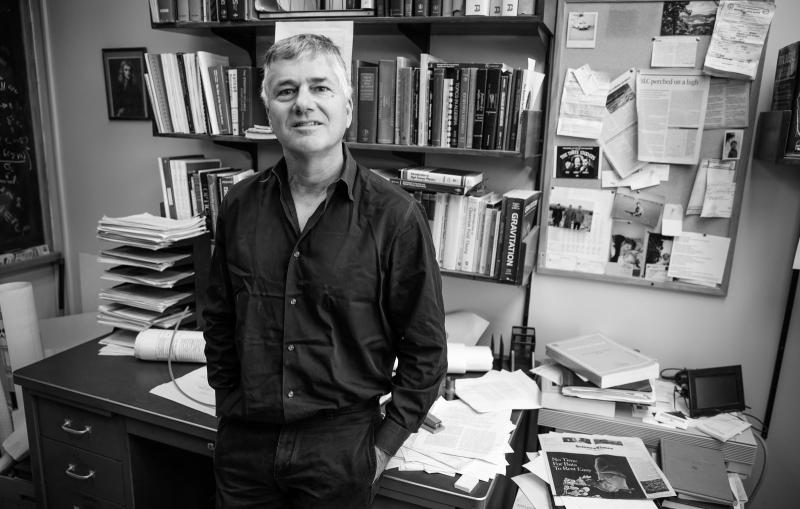
SLAC’s Peter Rowson Named American Physical Society Fellow

His election recognizes a long history of accomplishment that began more than two decades ago at the SLAC Linear Collider.

January 16, 2015  ·  2 min read
SLAC staff physicist Peter Rowson (SLAC National Accelerator Laboratory)
Feature

5 Ways to Put Tiny Targets in Front of an X-ray Laser

Scientists have assembled an exotic toolbox for experiments that tap into the brightest X-rays on the planet.

February 2, 2015  ·  4 min read
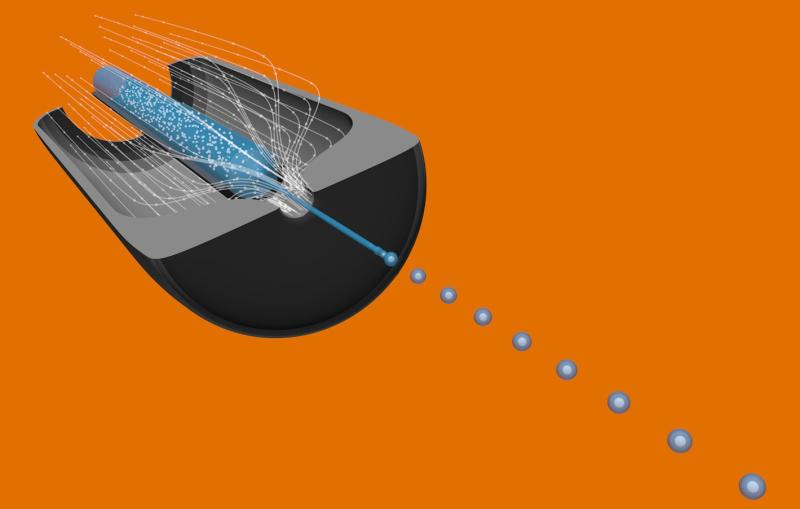
Image - This illustration shows a cutaway view of a type of sample system used at the Linac Coherent Light Source X-ray laser that jets samples in a superthin liquid or gel stream into its X-ray pulses. This system is known as a gas dynamic virtual nozzle
Feature
VIA Symmetry Magazine

20-Ton Magnet Heads to New York

A superconducting magnet begins its journey from SLAC laboratory in California to Brookhaven Lab in New York.

January 16, 2015
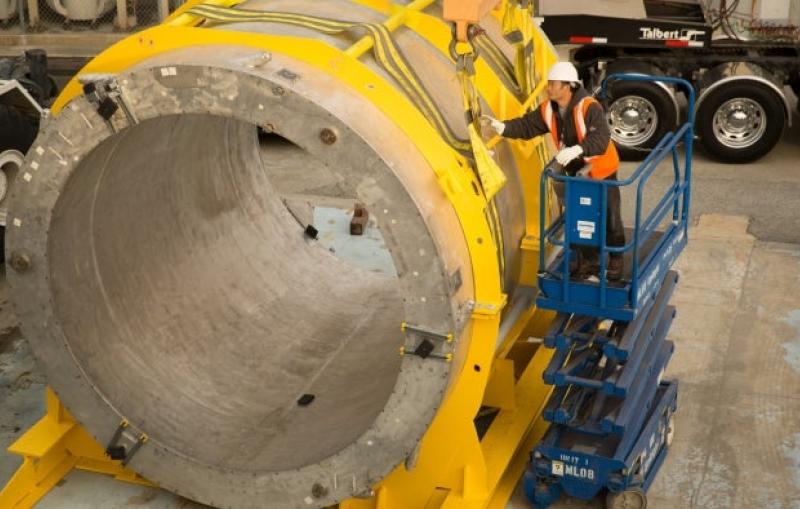
Photo of magnet move
  • Go to previous page
  • Page 1
  • …
  • Page 18
  • Page 19
  • Page 20
  • Page 21
  • Currently on page 22
  • Page 23
  • Page 24
  • Page 25
  • Page 26
  • …
  • Page 154
  • Go to next page

SLAC National Accelerator Laboratory 
2575 Sand Hill Road  
Menlo Park, CA 94025-7015  
650.926.3300

  • Coming to SLAC
  • Connect with us
  • Contact us
  • Facebook
  • Flickr
  • Instagram
  • LinkedIn
  • Twitter
  • YouTube

Sign up for our email

Monthly newsletter for cutting-edge science, SLAC milestones and events.

Sign up

Bold People
Visionary Science
Real Impact

We explore how the universe works at the biggest, smallest and fastest scales and invent powerful tools used by scientists around the globe.

  • About
    • Our story
    • Our people
    • Lab overview
    • Visit SLAC
    • Resources
    • Connect with us
  • Research
    • X-ray & ultrafast science
    • Advanced accelerators
    • New technologies
    • Physics of the universe
    • Science of life
    • Energy sciences
    • SLAC science explained
  • Facilities & centers
    • Scientific facilities
    • Joint institutes & centers
  • Work with us
    • Partner with us
    • Become a supplier
    • Use our facilities
    • Careers at SLAC
  • News & events
    • News center
    • Symmetry Magazine
    • Media resources
    • Events
    • Educational programs
    • Connect with us
  • Staff portal
  • Privacy policy
  • Accessibility
  • Vulnerability disclosure
  • A–Z index
  • Website feedback
Home
  • SLAC home
  • Maps & directions
  • Emergency info
  • Careers

© 2026 SLAC National Accelerator Laboratory is operated by Stanford University for the U.S. Department of Energy Office of Science.

Stanford University U.S. Department of Energy
Top Top
Back to top Back to top