Photograph
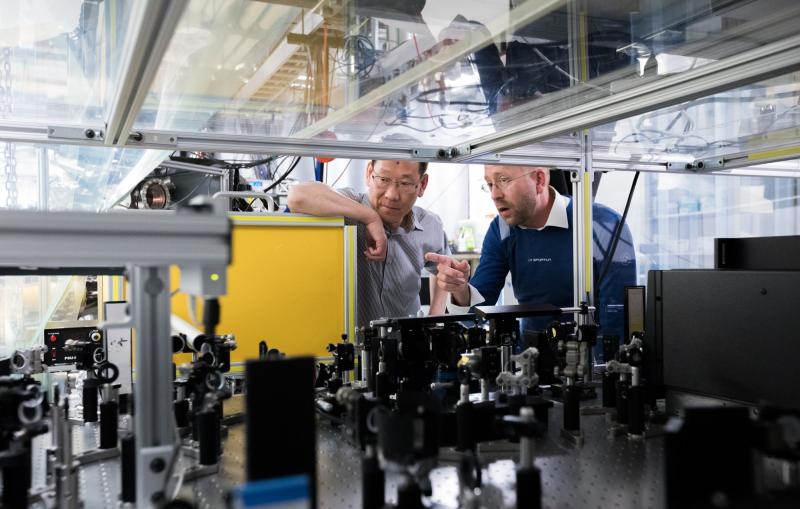
The Stanford Synchrotron Radiation Lightsource (SSRL), a directorate of the SLAC National Accelerator Laboratory, is an Office of Science User...
Illustration
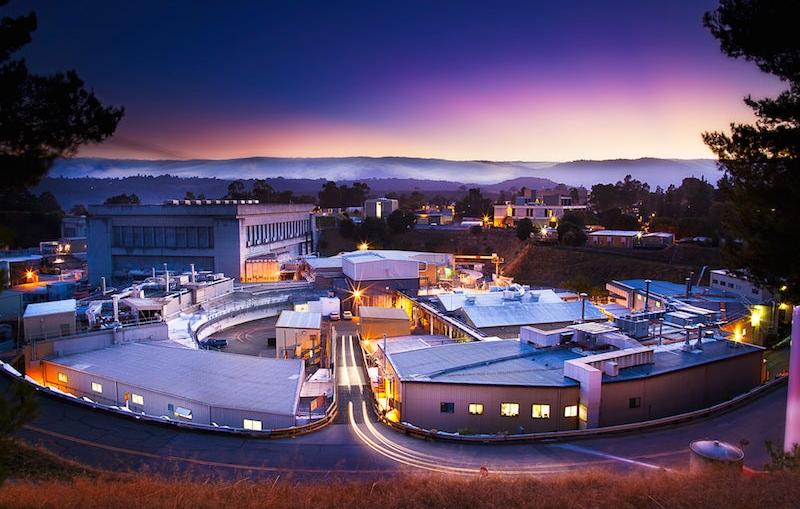
In this artistic rendering, a magnetic pulse (right) and X-ray laser light (left) converge on a superconductor material to study...
Illustration
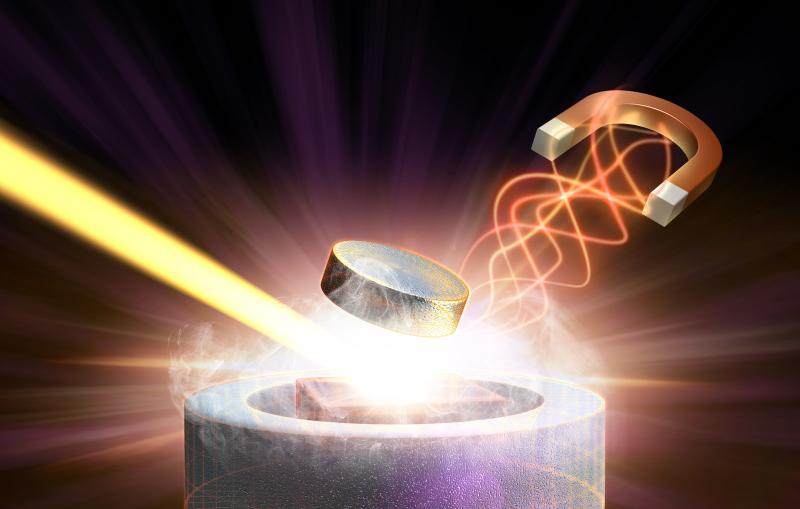
Researchers use powerful X-rays to reveal molecular structures at the site where drug compounds interact with cell receptors. These structures...
Illustration
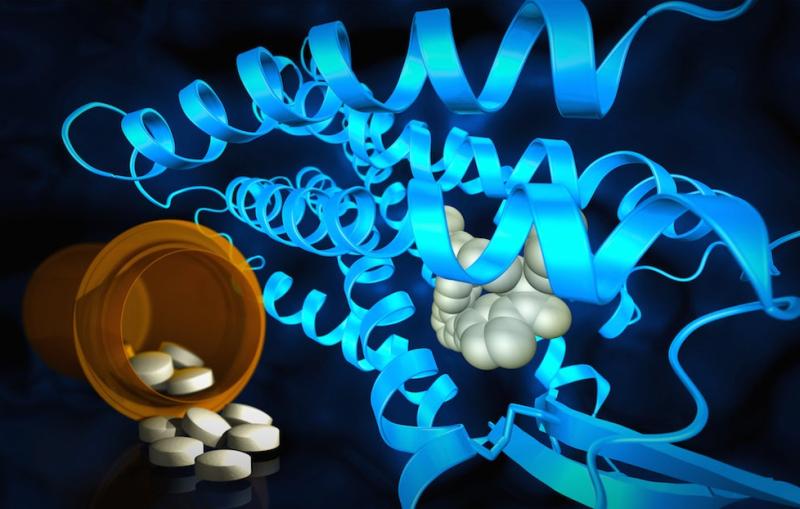
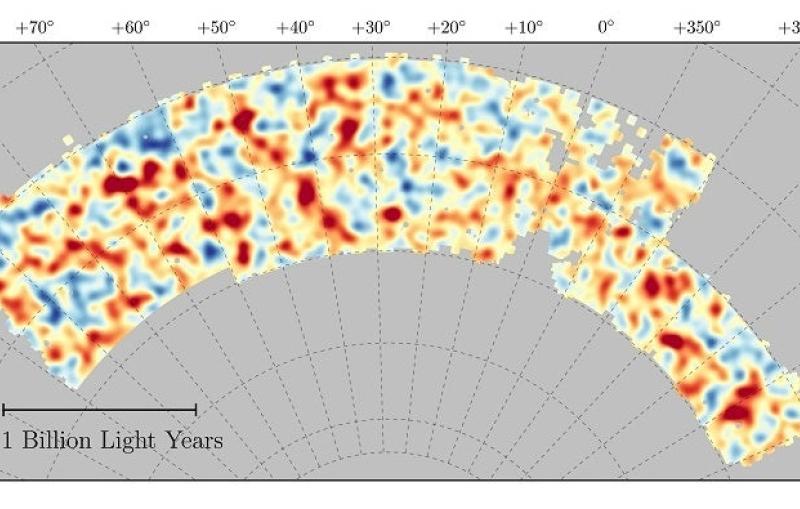
A map of the sky showing the density of galaxy clusters, galaxies and matter in the universe over the part...
Photograph
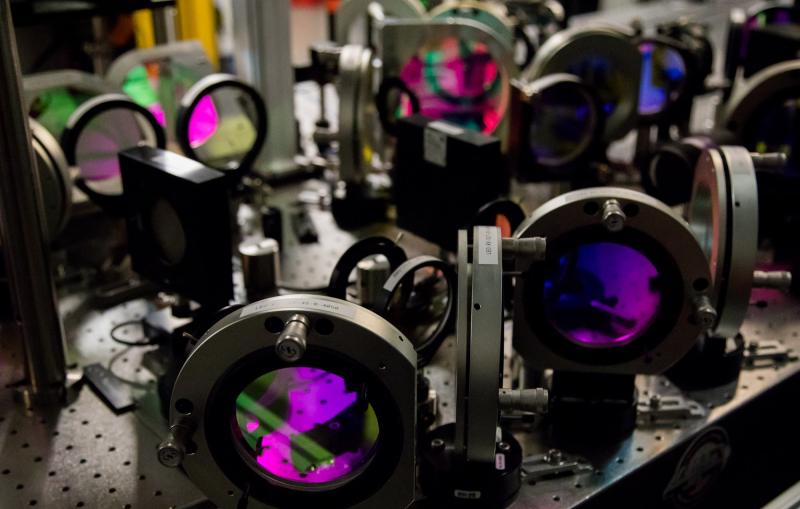
Highly reflective mirrors and telescope lenses in the Matter in Extreme Conditions (MEC) optical laser system are carefully positioned to...
Illustration
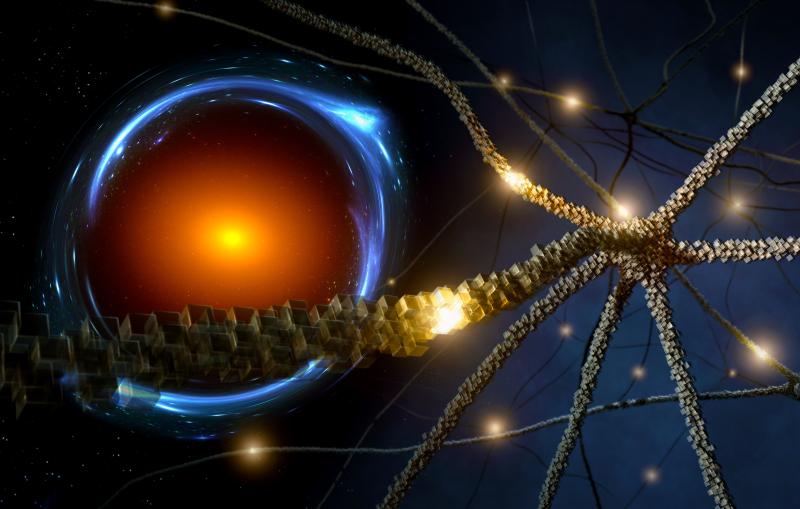
KIPAC scientists have for the first time used artificial neural networks to analyze complex distortions in spacetime, called gravitational lenses, demonstrating that the method...
Photograph
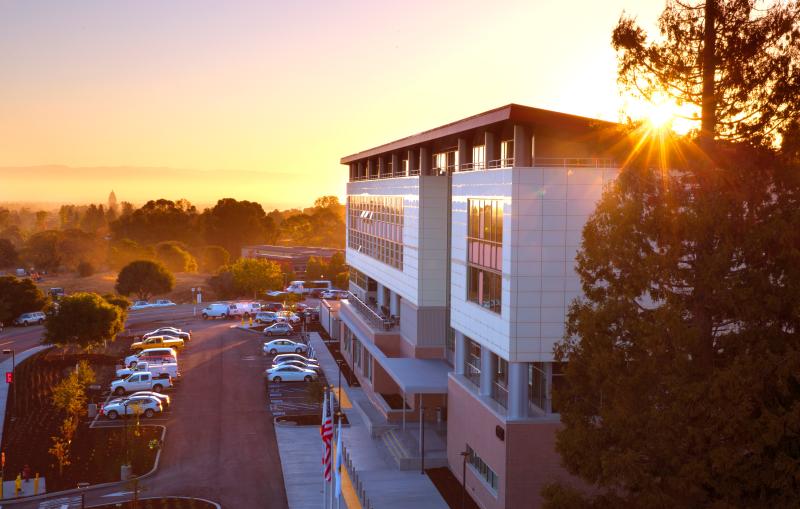
The sun rises over the Science and User Support Building (SUSB) at the entrance to SLAC National Accelerator Laboratory. Stanford's iconic Hoover Tower is...
Illustration
An illustration shows nanocrystals assembling into an ordered ‘superlattice.’
Illustration
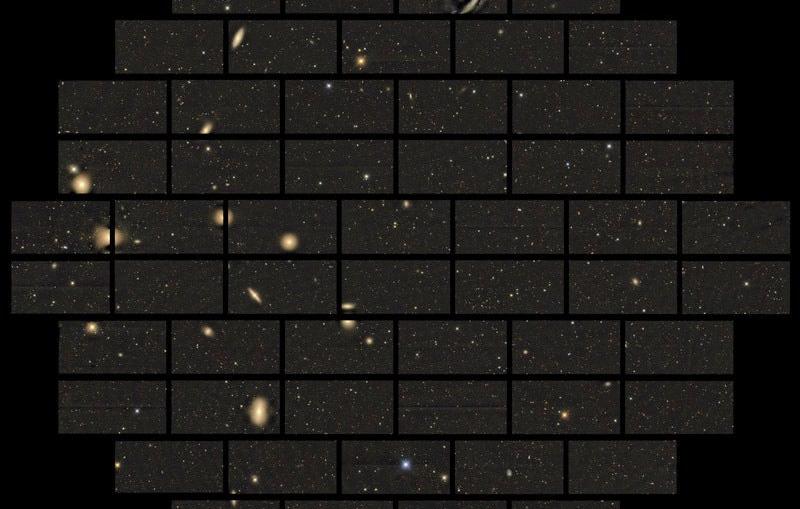
Image from the Dark Energy Camera (DECam), which is mounted on the Victor M. Blanco 4-meter Telescope at the Cerro...

Photograph
SLAC/Stanford Professor Zhi-Xun Shen (left) and SLAC staff scientist Patrick Kirchmann with the ARPES instrument used to measure electron energy and momentum in an...