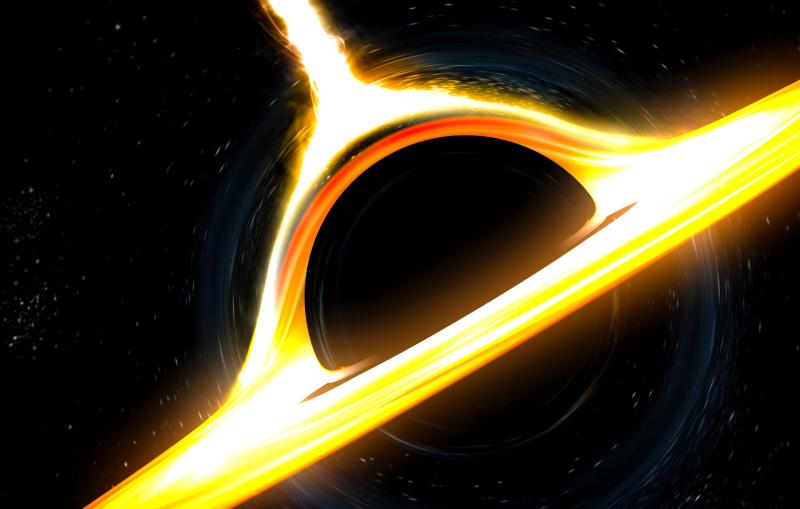
Black holes are some of the most exotic and extreme objects in the universe. Though they sound like the stuff of science fiction, they...

Past Event
Shortly after the birth of the universe, space was filled by a plasma that was literally red-hot. The light radiated by that plasma has...

Past Event
Public Lecture
Catching Light: Making the most of solar energy
Developing cheaper and more efficient devices to harvest energy from the sun is a major scientific challenge. One way to increase the efficiency of...

Past Event
Public Lecture
A Material World: a Renaissance at the Atomic Scale
It would have been hard to predict Google, Facebook and Twitter as results of the creation of the first transistor out of a chunk...
Past Event
Public Lecture
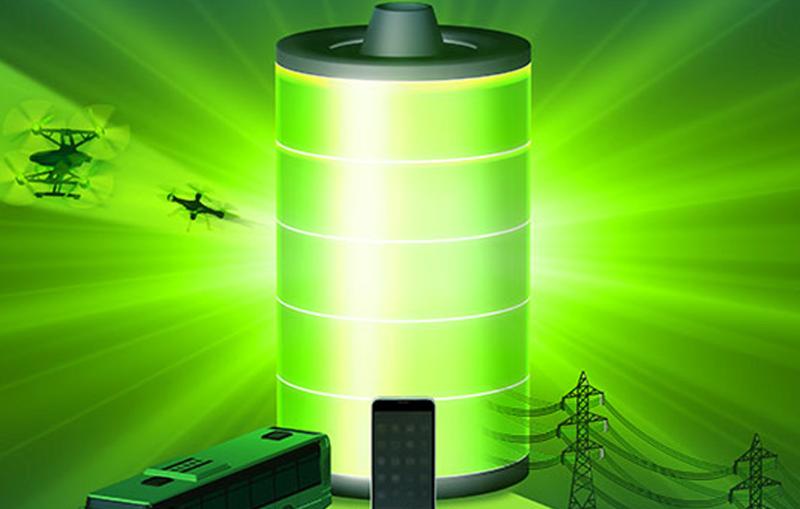
Reinventing Batteries
Batteries are needed everywhere, for consumer electronics, electric vehicles, and large-scale energy storage on the electrical grid. All of these applications are limited by...
Past Event
Public Lecture
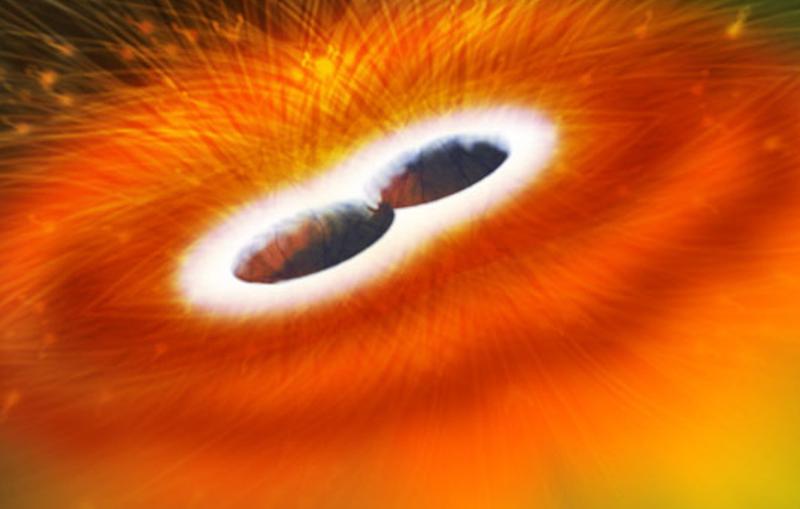
Gravitational Waves: The Sound of Black Holes Colliding
On September 14, 2015, the Advanced Laser Interferometer Gravitational-wave Observatory (LIGO) made the first direct measurement of a gravitational wave coming from deep space...
Past Event
Public Lecture
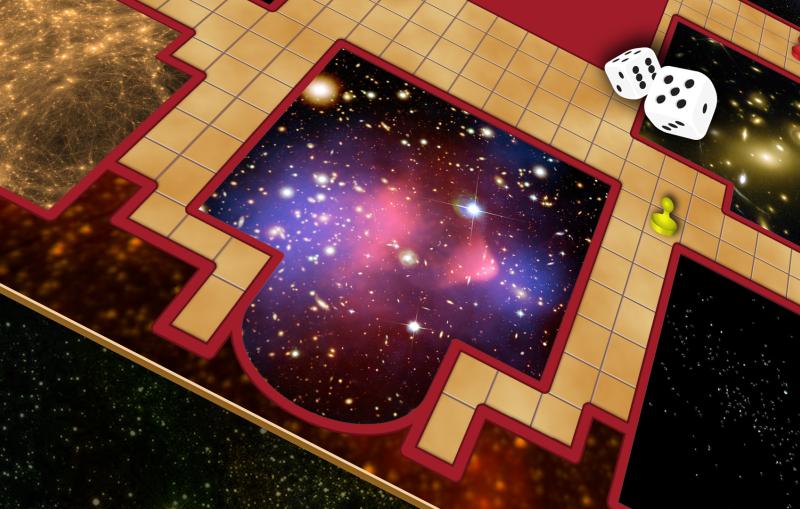
Cosmic Clue: The Dark Matter Mystery
The universe is full of giant structures like galaxies and clusters of galaxies. What holds them together? Over the past century, many diverse observations...
Past Event
Public Lecture
Supernovas: Gravity-powered Neutrino Bombs
Imagine taking a ball of hot plasma more massive than the sun and suddenly compressing it to a super-dense object the size of a...

Past Event
Public lecture
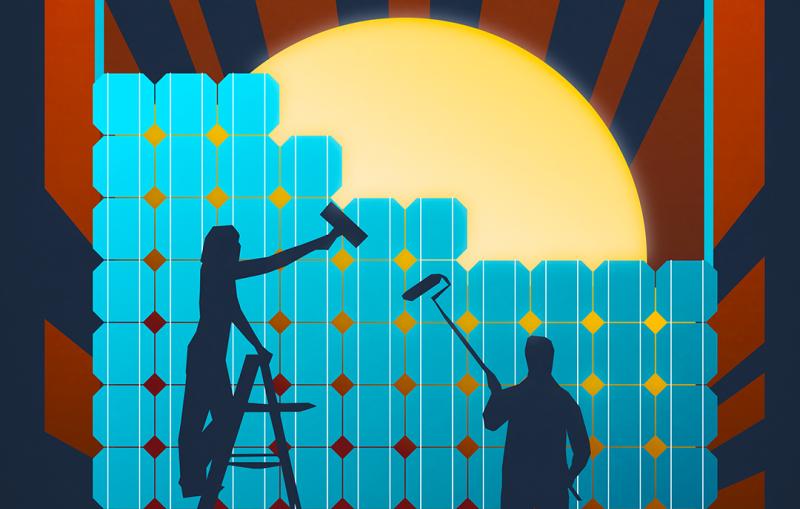
Paint-On Solar Cells: How the Magic Happens
Solar power is a clean and renewable source of energy, but it has struggled to compete with fossil fuels on cost. Most solar cells...
Past Event
Public Lecture
Catalysis: the Hidden Path to Foods, Fuels and Our Future
The high standard of living we enjoy today is made possible by catalysts – behind-the-scenes agents that promote chemical reactions in the vast majority...