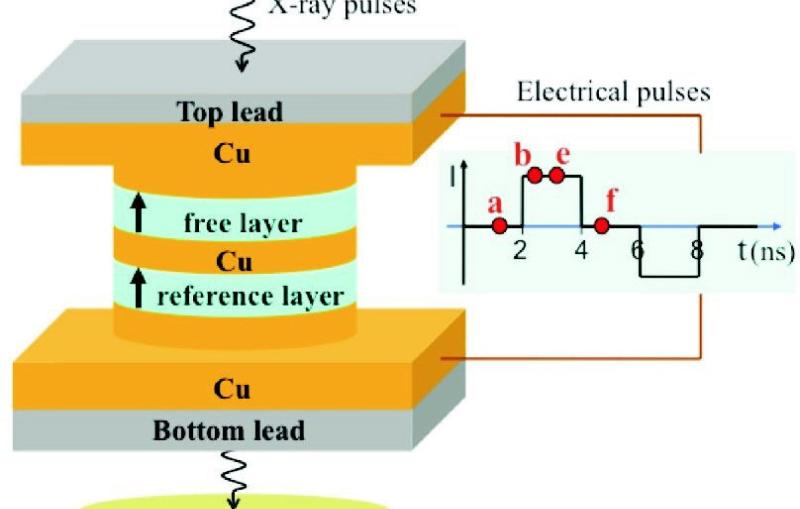
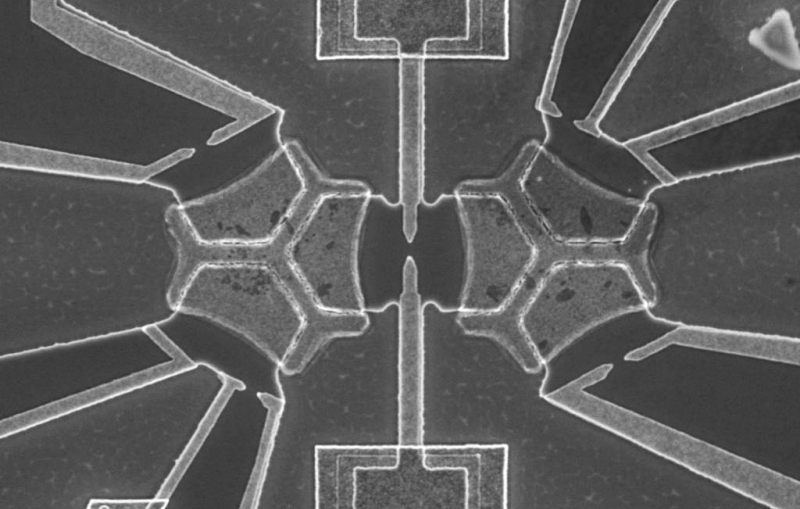
“Smaller, faster, cheaper" is Silicon Valley's mantra for progress. But as critical components shrink to near atomic dimensions, it’s becoming much more difficult for...
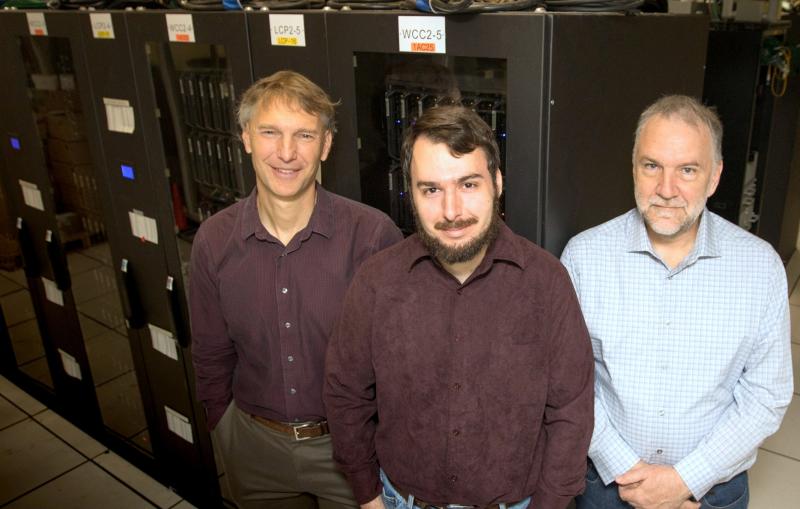
As members of the lab’s Computer Science Division, they develop the tools needed to handle ginormous data volumes produced by the next generation of...
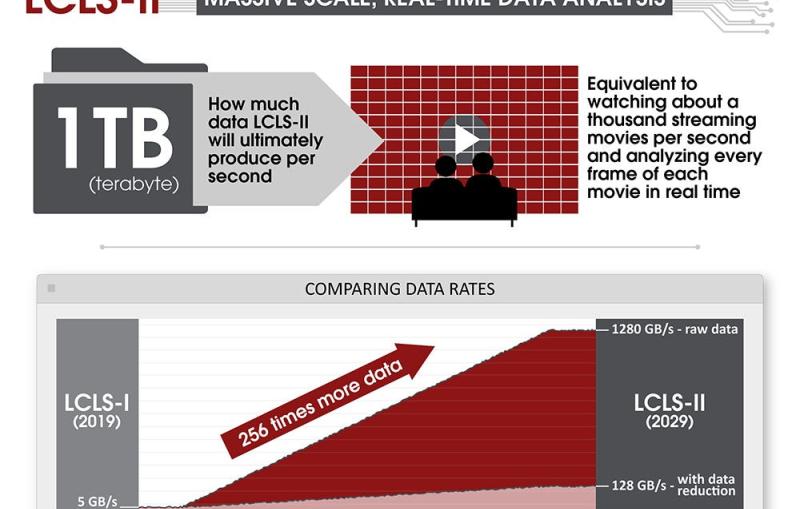
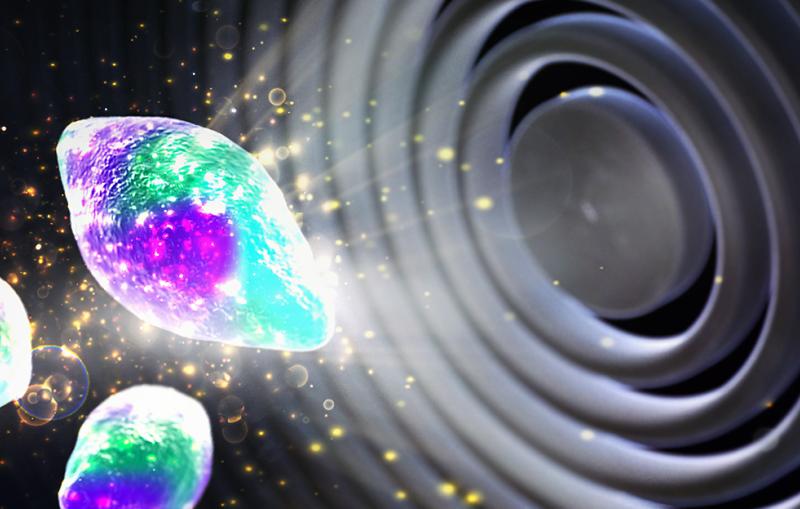
When upgrades to the X-ray laser at the Department of Energy’s SLAC National Accelerator Laboratory are complete, the powerful new machine will capture up...
Q-NEXT will tackle next-generation quantum science challenges through a public-private partnership, ensuring U.S. leadership in an economically crucial arena.
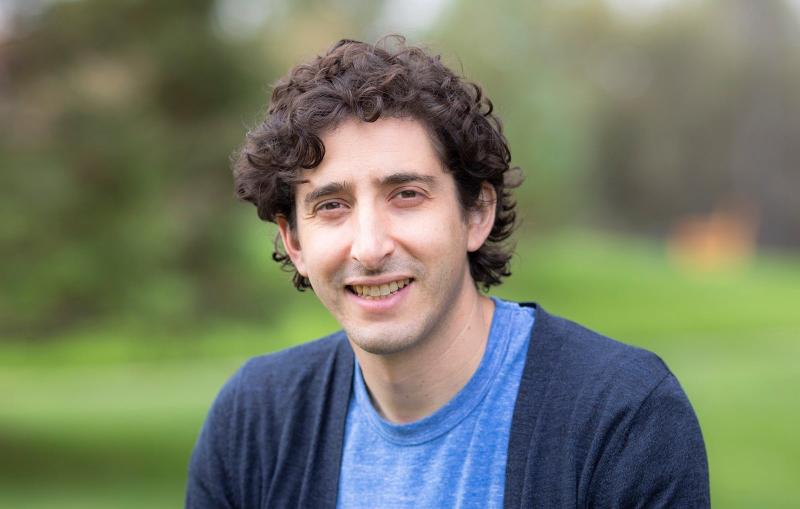
Daniel Ratner, head of SLAC’s machine learning initiative, explains the lab’s unique opportunities to advance scientific discovery through machine learning.
The newly launched Quantum Fundamentals, ARchitecture and Machines initiative will build upon existing strengths in theoretical and experimental quantum science and engineering at Stanford...
Monika Schleier-Smith and Kent Irwin explain how their projects in quantum information science could help us better understand black holes and dark matter.
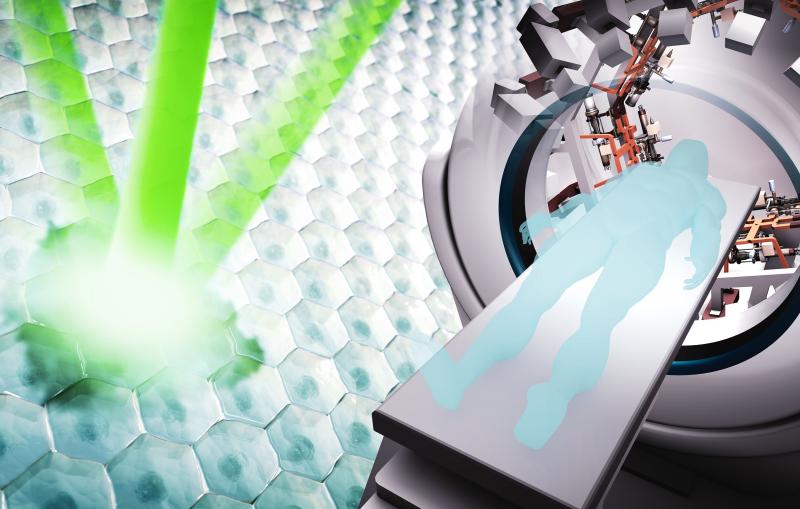
SLAC and Stanford researchers secure support for two projects that share one goal: to reduce the side effects of radiation therapy by vastly shrinking...
If scaled up successfully, the team's new system could help answer questions about certain kinds of superconductors and other unusual states of matter.