Learn about our science, people, facilities and partners. Discover our history and vision for the future.
Who we are
We explore radically new ideas with an entrepreneurial mindset.
Get an overview of research at SLAC: X-ray and ultrafast science, particle and astrophysics, cosmology, particle accelerators, biology, energy and technology.
Revealing nature’s fastest processes with X-rays, lasers and electrons
Studying the particles and forces that knit the cosmos together
Building smaller, faster, more powerful accelerators for all
Understanding the machinery of life at its most basic level
Inventing new tools for science and society
Breaking new ground in securing abundant, affordable and reliable energy.
SLAC science explained
Cut through the jargon while exploring our research.
Learn more about the places where science happens at SLAC: our major facilities, institutes and centers.
Linac Coherent Light Source
Stanford Synchrotron Radiation Lightsource
Facility for Advanced Accelerator Experimental Tests
Cryogenic Electron Microscopy
Stanford Institute for Materials & Energy Science
Kavli Institute for Particle Astrophysics & Cosmology
Stanford PULSE Institute
Center for Interface Science & Catalysis
NSF-DOE Vera C. Rubin Observatory LSST
SLAC & Stanford build the world’s largest digital camera for the Legacy Survey of Space and Time (LSST).
Find a career, partner with us or apply to use our tools and facilities.
Apply to become a user of our scientific research facilities and instruments.
Careers at SLAC
Join our united workforce.
Get the latest news about the lab, our science and discoveries. Explore SLAC events and learn how to participate.
This joint publication of SLAC and Fermilab is your view into the world of particle physics.
Blazing the path to a fusion future
Thursday, October 8, 7:00 p.m.
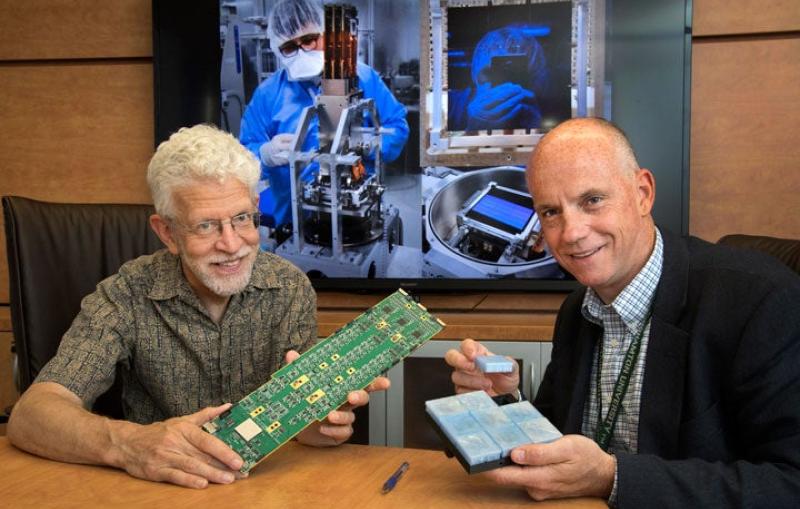
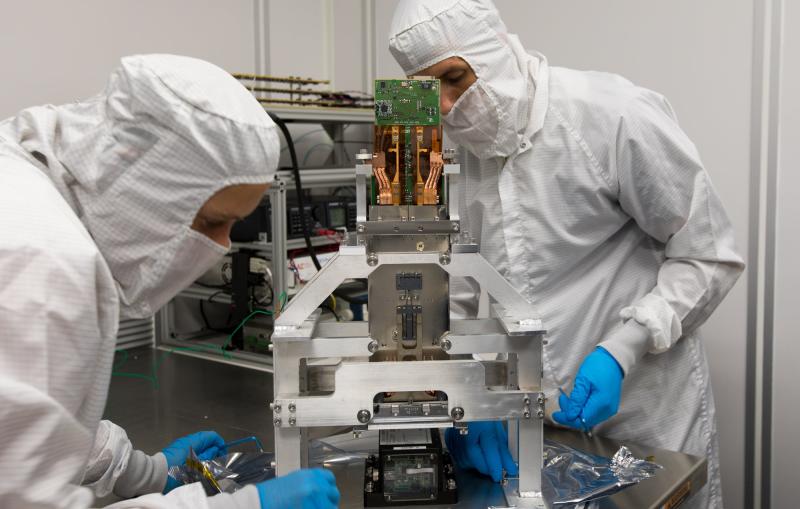
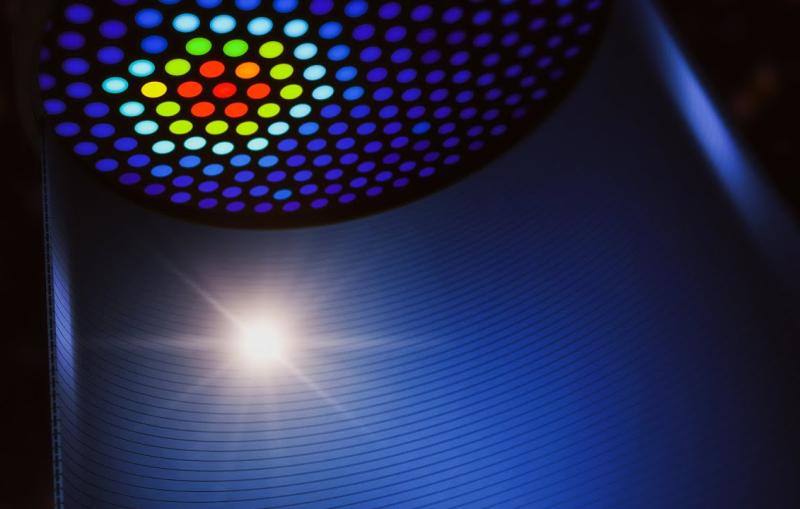
The raft is part of the sensor array that will make up the crucial camera segment of the telescope.
SLAC and Stanford astrophysicists made crucial contributions to the galaxy survey, showing that the universe clumps and expands as predicted by our best cosmological...
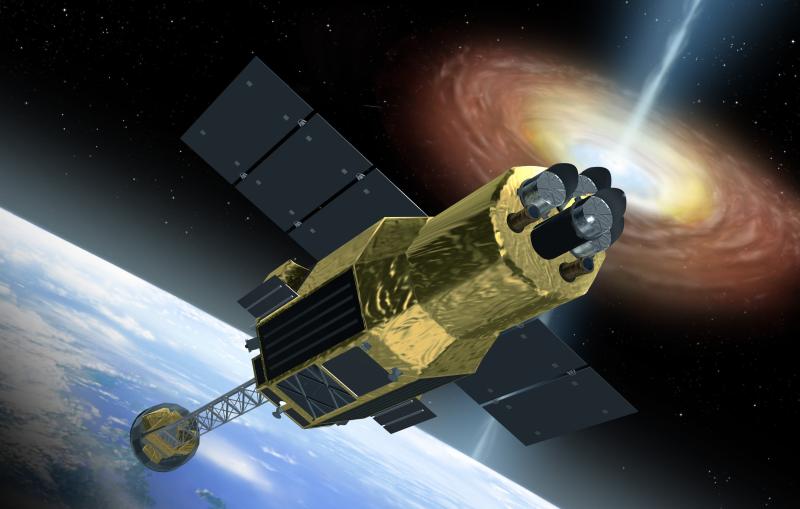
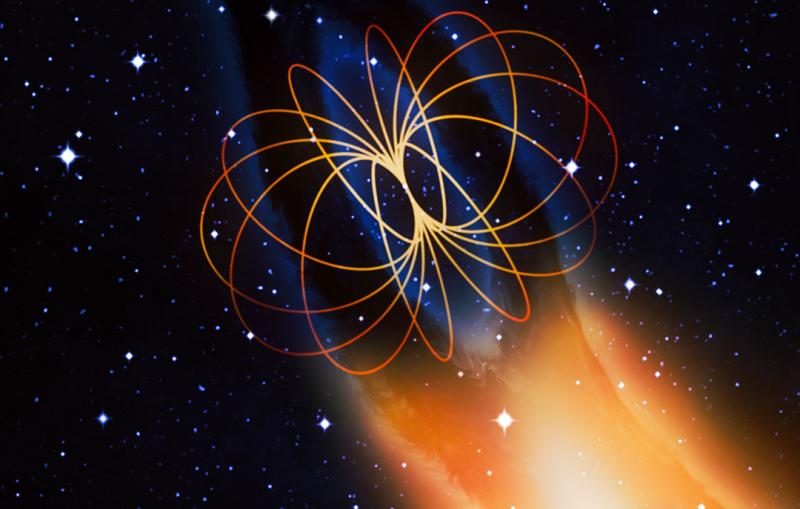
Analyzing the motion of X-ray sources could help researchers identify dark matter signals.
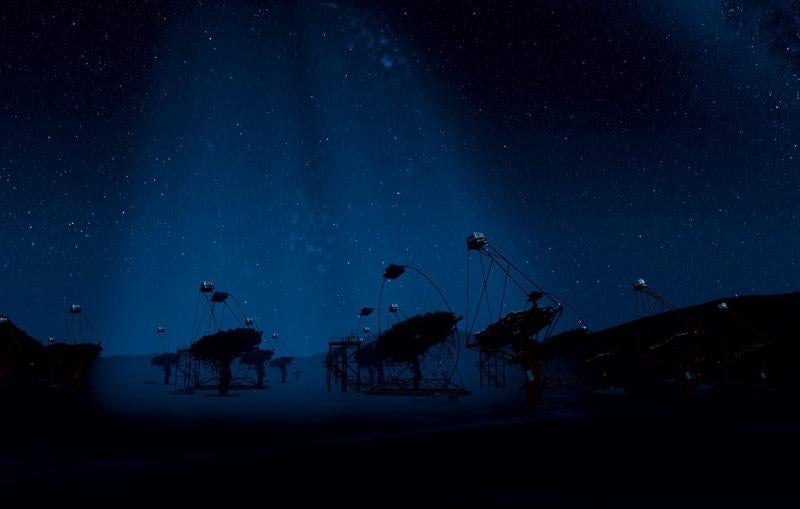
Scientists have successfully tested the first prototype camera for the Cherenkov Telescope Array.
21 of these "science rafts" will go into the world's largest digital camera for astronomy, which is being assembled and tested at SLAC.
Frederico Fiuza and his team are conducting thorough investigations of plasma physics to discern the fundamental processes that accelerate particles.
Public lecture presented by Nima Arkani-Hamed
Public lecture presented by Eric Charles
Public lecture presented by Eric Nielsen
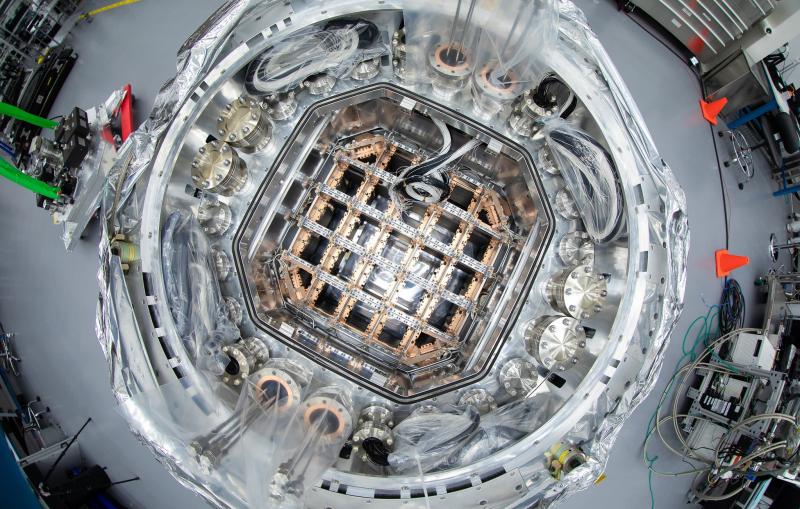
View into the LSST cryostat assembly.
Public lecture presented by Maria Elena Monzani
Public lecture presented by Sebastian Ellis