Learn about our science, people, facilities and partners. Discover our history and vision for the future.
Who we are
We explore radically new ideas with an entrepreneurial mindset.
Get an overview of research at SLAC: X-ray and ultrafast science, particle and astrophysics, cosmology, particle accelerators, biology, energy and technology.
Revealing nature’s fastest processes with X-rays, lasers and electrons
Studying the particles and forces that knit the cosmos together
Building smaller, faster, more powerful accelerators for all
Understanding the machinery of life at its most basic level
Inventing new tools for science and society
Finding clean, sustainable solutions for the world’s energy challenges
SLAC science explained
Cut through the jargon while exploring our research.
Learn more about the places where science happens at SLAC: our major facilities, institutes and centers.
Linac Coherent Light Source
Stanford Synchrotron Radiation Lightsource
Facility for Advanced Accelerator Experimental Tests
Cryogenic Electron Microscopy
Stanford Institute for Materials & Energy Science
Kavli Institute for Particle Astrophysics & Cosmology
Stanford PULSE Institute
Center for Interface Science & Catalysis
NSF-DOE Vera C. Rubin Observatory LSST
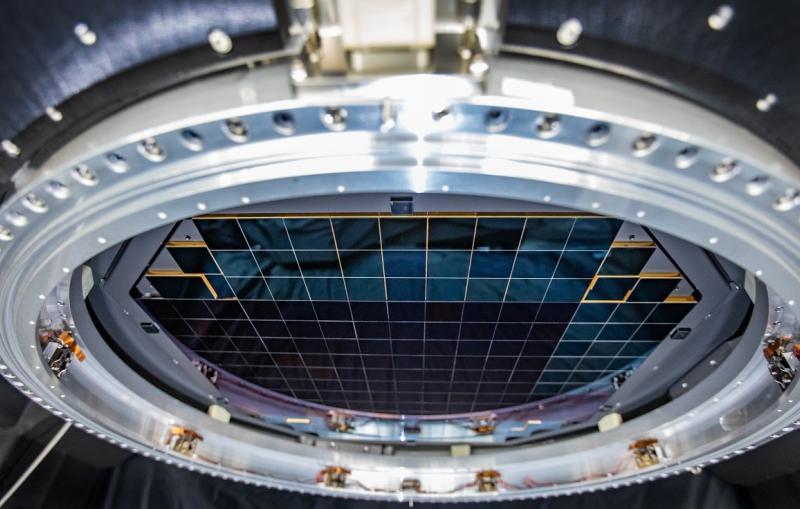
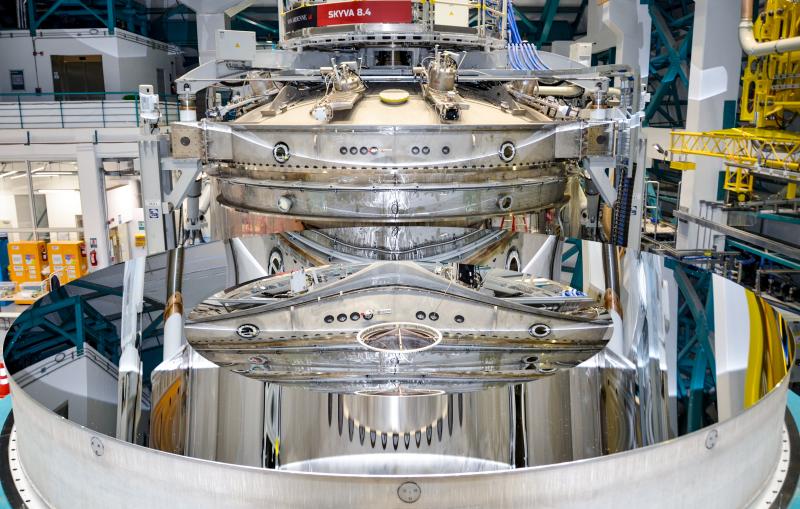
SLAC & Stanford build the world’s largest digital camera for the Legacy Survey of Space and Time (LSST).
Find a career, partner with us or apply to use our tools and facilities.
Apply to become a user of our scientific research facilities and instruments.
Careers at SLAC
Join our united workforce.
Get the latest news about the lab, our science and discoveries. Explore SLAC events and learn how to participate.
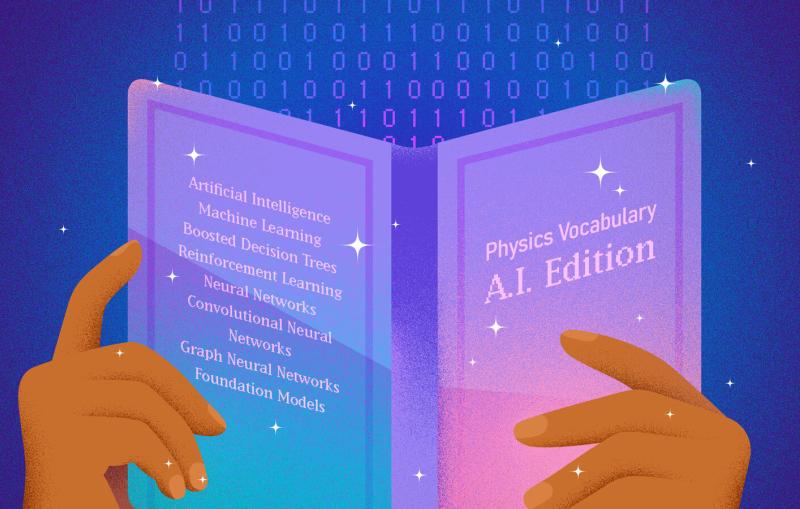
This joint publication of SLAC and Fermilab is your view into the world of particle physics.
SLAC events
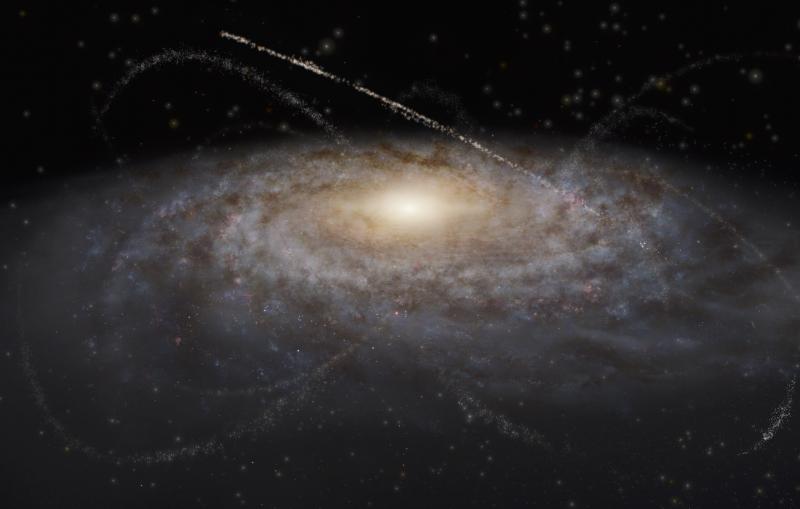
Vera C. Rubin Observatory will capture the faint light of distant brown dwarfs to help scientists understand the Milky Way’s formation and evolution.
His wide-ranging curiosity, original way of looking at problems and sheer joy in solving them drove many important contributions to particle physics.
New results from the world’s most sensitive dark matter detector put the best-ever limits on particles called WIMPs, a leading candidate for what makes...
The Aqueous Battery Consortium of Stanford, SLAC, and 13 others seeks to overcome the limitations of a battery using water as its electrolyte.
Digital design engineer Abhilasha Dave’s passion for connecting machine learning and hardware is helping SLAC solve big data challenges.
The prototype DUNE 2x2 detector will capture up to 10,000 neutrino interactions per day.
Vera C. Rubin Observatory will unite coordinated observations of cosmic phenomena using the four messengers of the universe.
SLAC hosted two faculty members from institutions historically underrepresented in the research community via the Visiting Faculty Program.
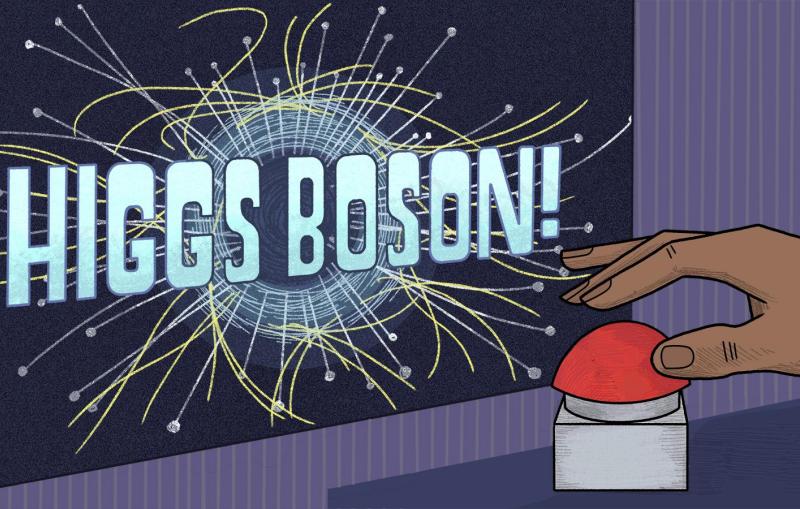
Physicists in the United States support the development of an off-shore Higgs Factory.
Michael Riordan has spent decades ruminating on the history of physics, including events he participated in himself.
Take a tour of the 17 national laboratories across the United States.