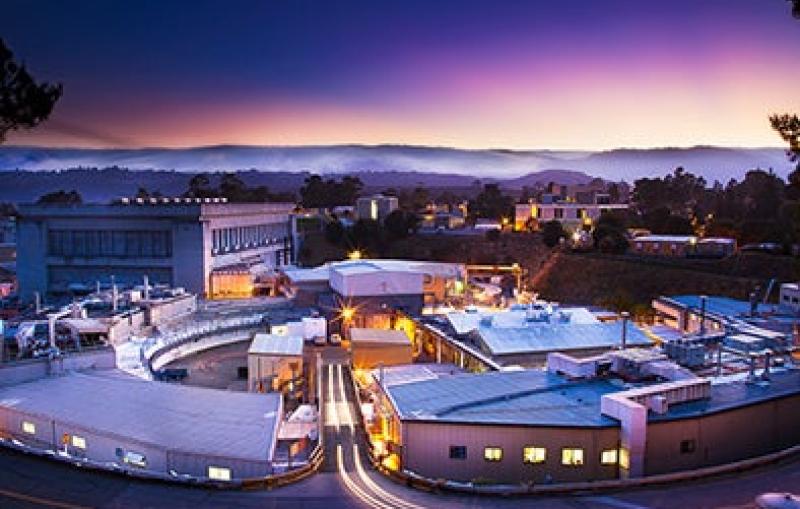
via KQED Bay Curious
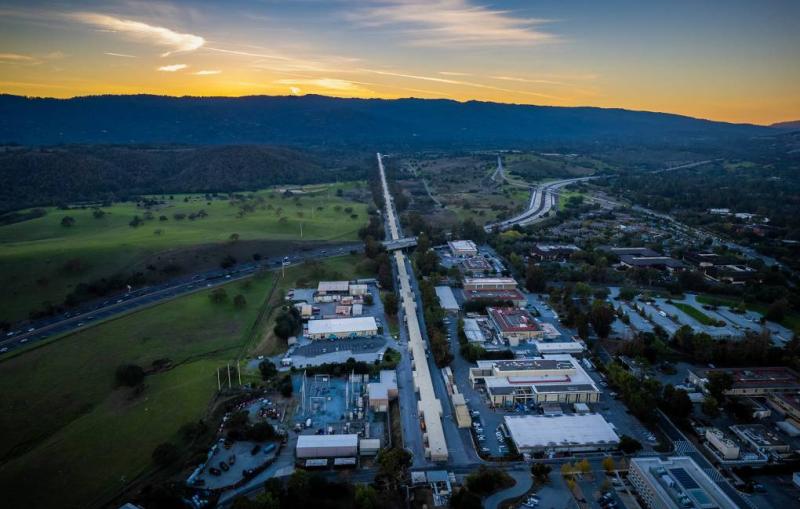
TID leverages its state-of-the-art scientific expertise in exploiting the electromagnetic spectrum and in advanced instrumentation to develop novel technologies.
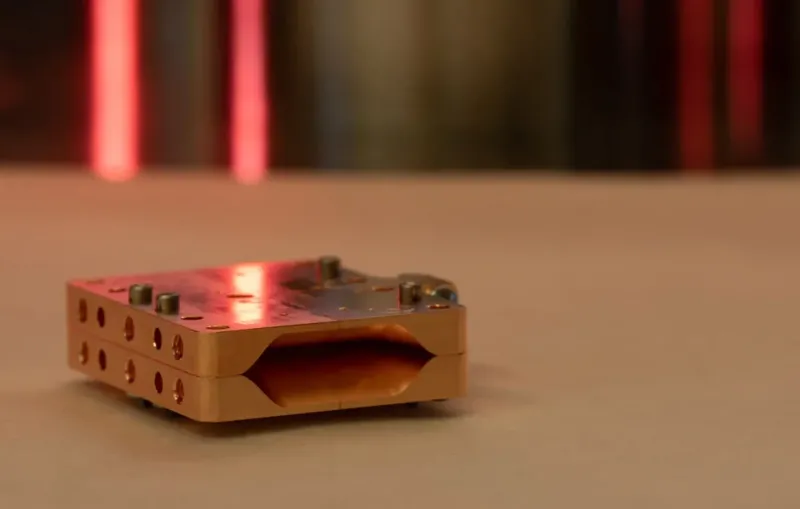
SLAC’s microelectronics research is breaking new ground in sustainable computing.

Machine Learning (ML) algorithms are found across all scientific directorates at SLAC, with applications to a wide range of tasks including online data reduction, system controls, simulation, and analysis of big data.
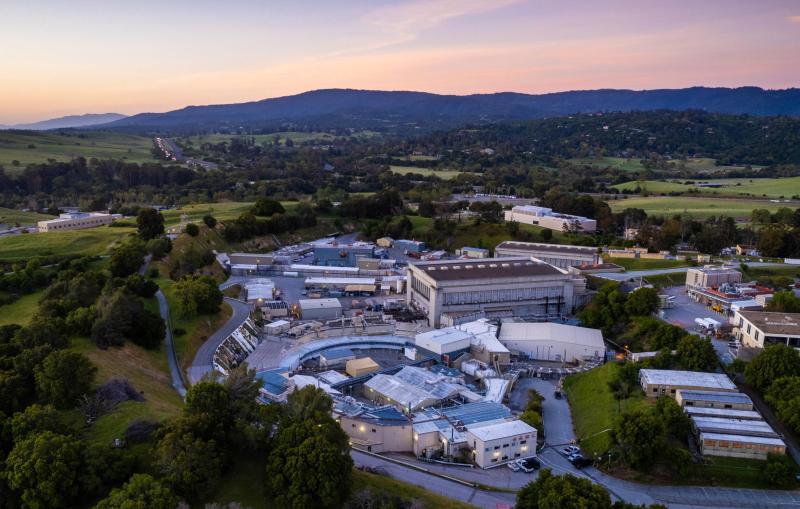
LCLS is the world’s first hard X-ray free-electron laser, open to experiments by scientists from across the globe.
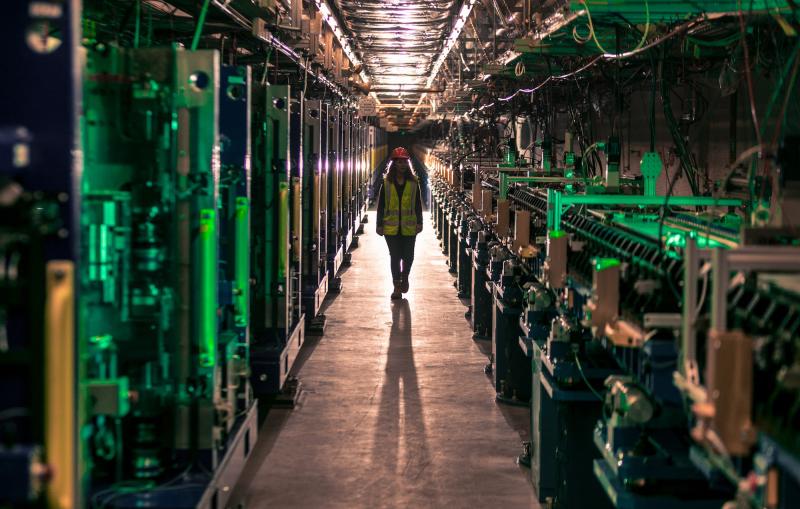
Scientists at SLAC observe chemical reactions in unprecedented detail and find ways to make them more efficient, with the goal of using chemistry to help solve the nation’s energy challenges.
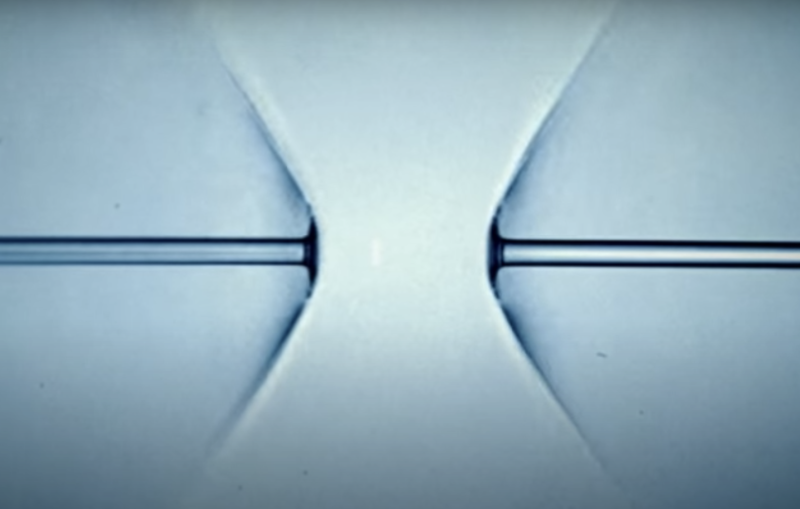
Matter in Extreme Conditions (MEC) upgrade project
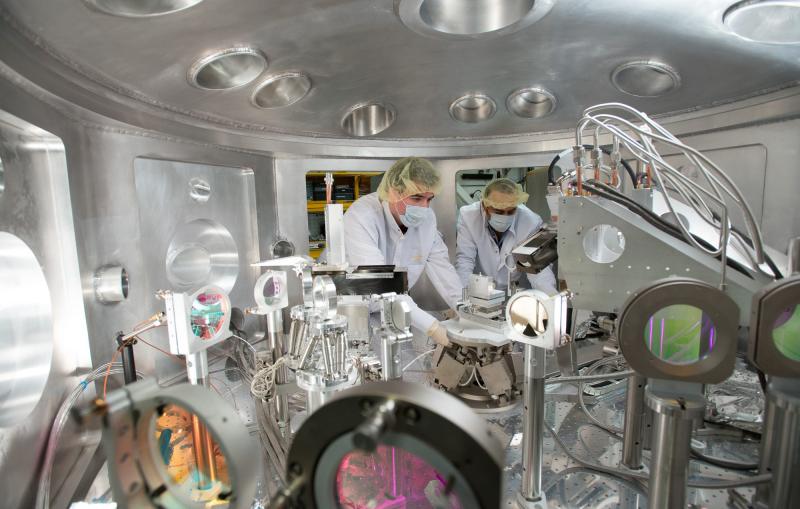
SLUO represents scientists and engineers from universities and laboratories around the world involved in particle physics, astrophysics and accelerator physics research at SLAC.
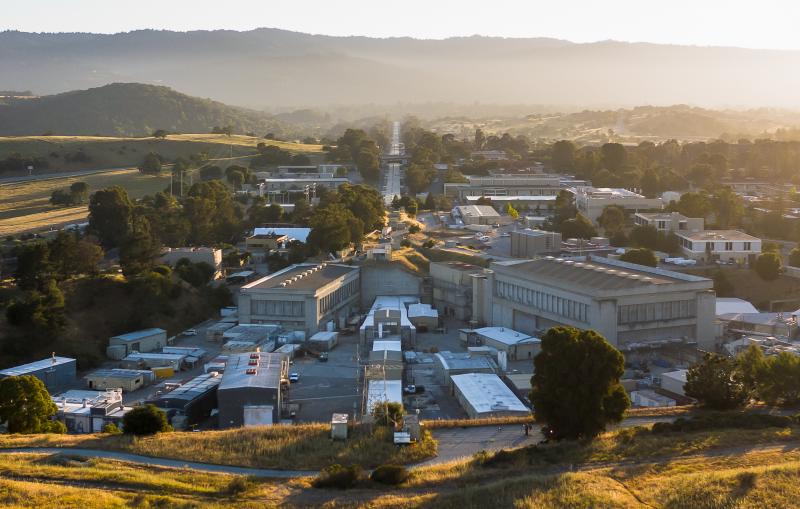
System to report and track accelerator issues (requires SLAC network or VPN).
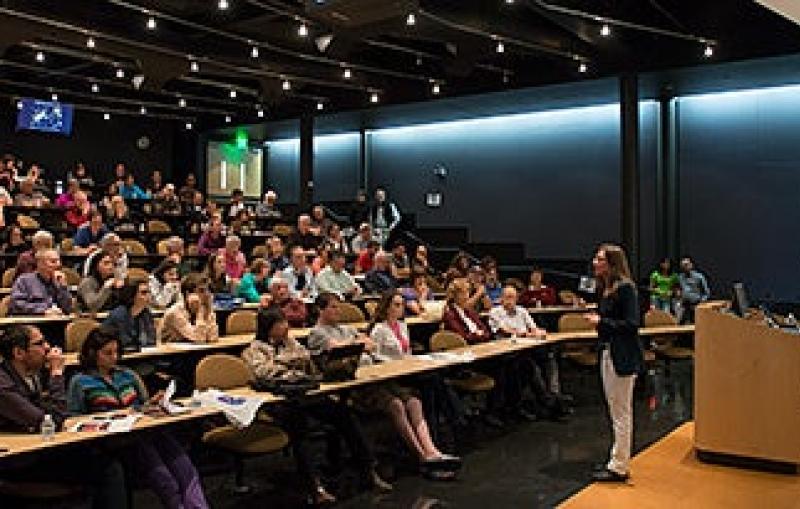
SLAC's colloquium talks are aimed at a broad scientific and technical audience, but occasionally, those talks may be of more general interest.
A downloadable PDF fact sheet about the SSRL facility at SLAC.