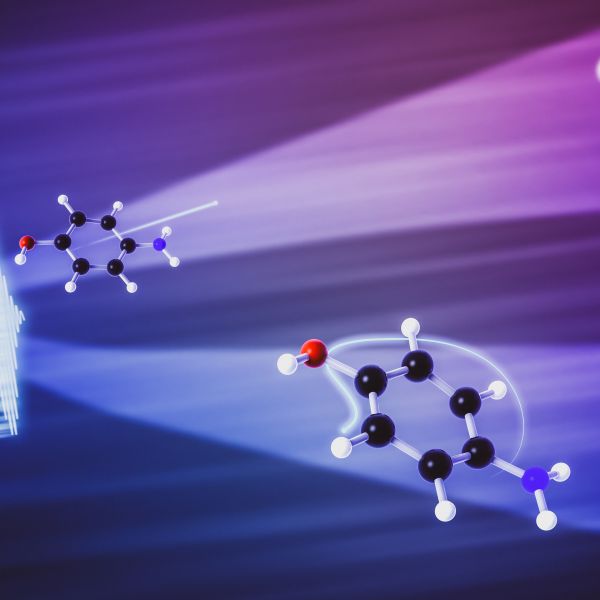
Batteries power everything from medical devices to electronic devices, yet the core technology hasn't fundamentally changed in decades. At the SLAC-Stanford Battery Center, scientists are working with industry to change that.
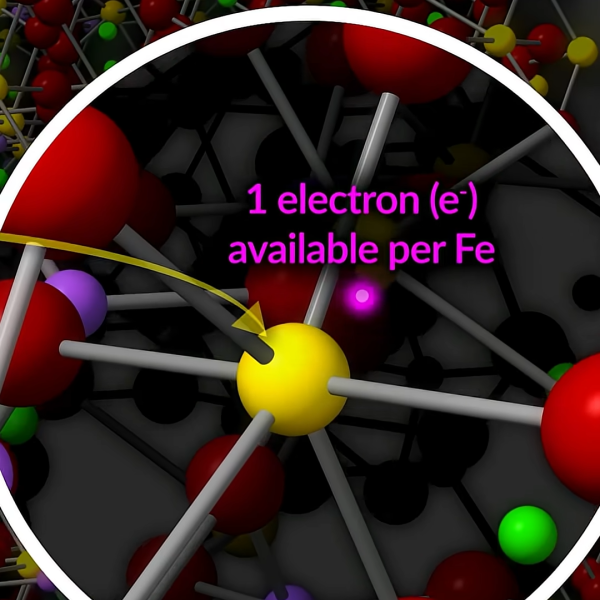
Could a breakthrough lithium-iron design that doubles the energy output per iron atom be the future of battery technology? Alexis Geslin of Stanford presents how X-rays, AI, and next-gen materials may be the future of battery technology.
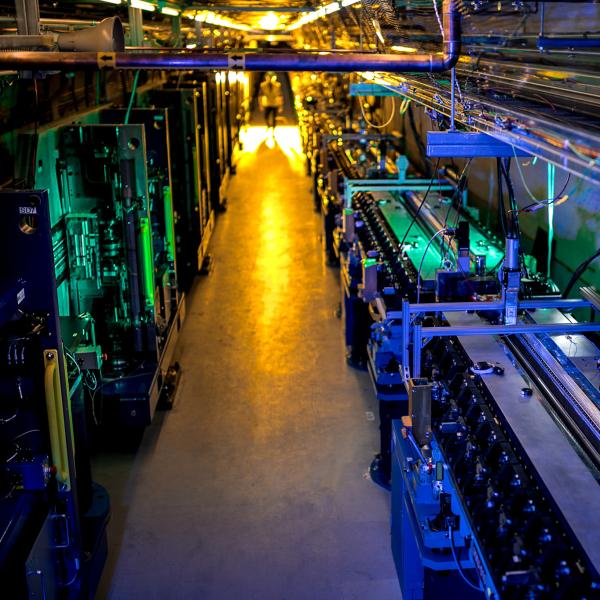
Stanford and SLAC researchers are using our synchrotron (SSRL) to help uncover how and why batteries degrade, develop next-gen materials, and make them safer and longer-lasting.
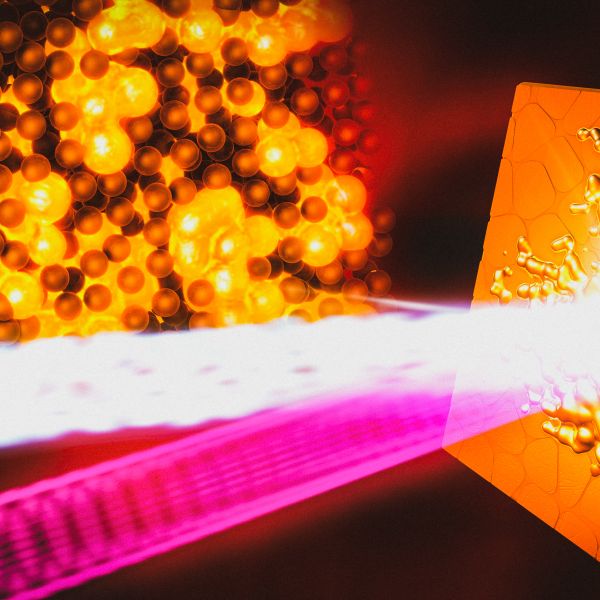
SLAC and Stanford researchers found that compressing solid-state battery material reduced the formation of lithium-filled cracks called dendrites, leading to faster charging and longer battery life.
News Brief · Pacific Northwest National Laboratory
Explore how SLAC advances energy research, partnering with Stanford University, the U.S. Department of Energy and industry, to help create a more reliable, affordable and sustainable energy future.
Stanford University provides contractor oversight of SLAC through the Board of Oversight, which is chartered by the Stanford president and chaired by its vice president.