Join us for the inaugural SLAC on Tap event at The Patio in Palo Alto. SLAC scientist Alan Fry will chat about lasers not attached to sharks, ultrafast science and the quantum mechanics of your sunglasses. Have a drink, learn...
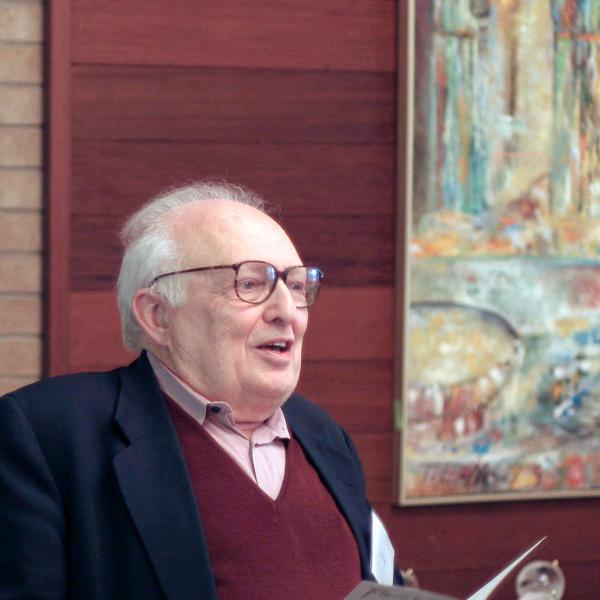
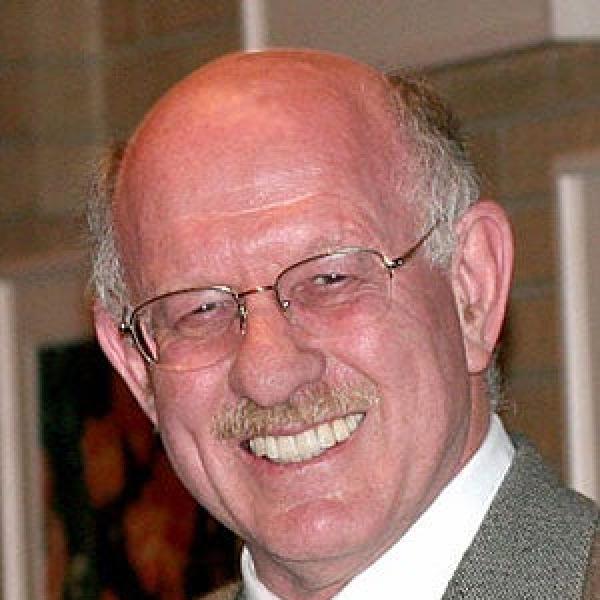
Gregory Loew spent his entire 50-year career at SLAC, starting in 1958 when it was still called “Project M.” He developed the design of the accelerator structure and many other microwave systems for SLAC’s 2-mile-long linear accelerator. As head of...
Bernhard Mistlberger will receive the APS's 2023 Henry Primakoff Award for Early-Career Particle Physics for his work on precision Standard Model calculations.
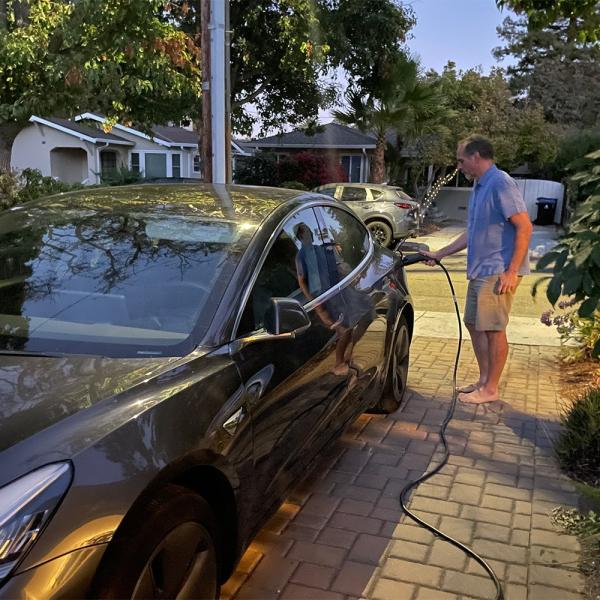
A research team including SLAC staff engineer Gustavo Cezar shows that charging electric vehicles in the daytime would spread the load on the electric grid, save money and reduce greenhouse gas emissions.
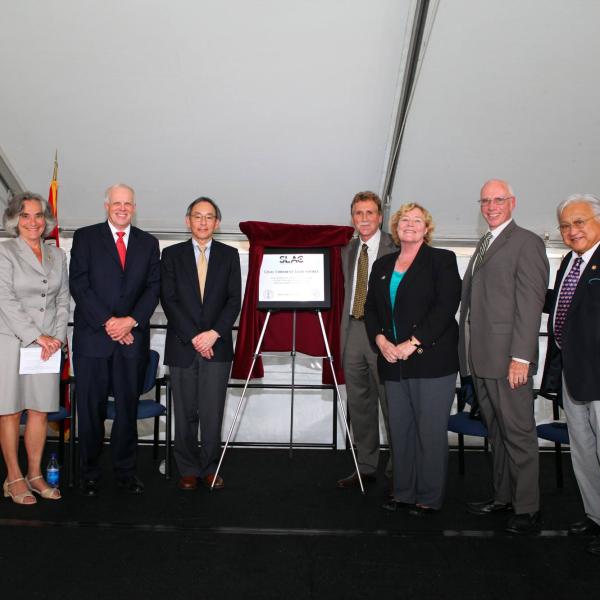
Secretary of Energy Steven Chu on Monday dedicated the Linac Coherent Light Source (LCLS), the world's most powerful X-ray laser, at the Department of Energy's SLAC National Accelerator Laboratory.
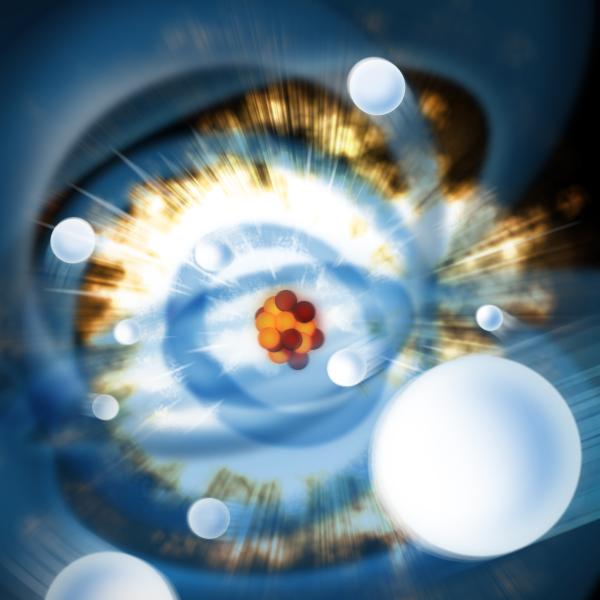
The first published scientific results from the world's most powerful hard X-ray laser, located at the Department of Energy's SLAC National Accelerator Laboratory, show its unique ability to control the behaviors of individual electrons within simple atoms and molecules by...
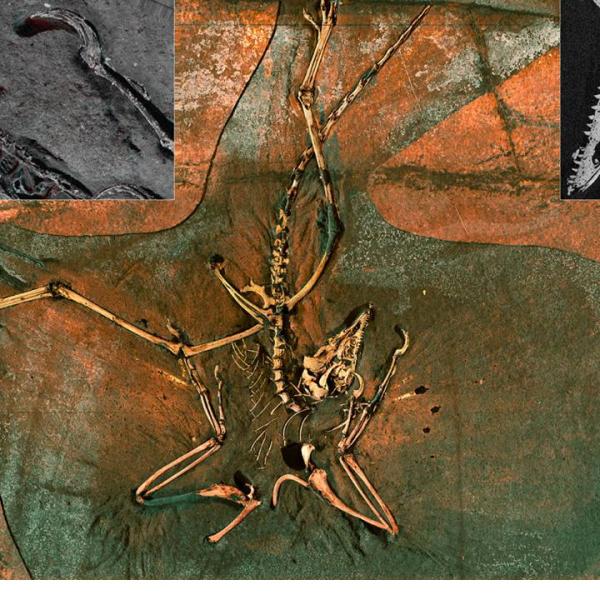
Researchers have found that a 150 million year old "dinobird" fossil, long thought to contain nothing but fossilized bone and rock, has been hiding remnants of the animal's original chemistry.
The U.S. Department of Energy has granted approval for SLAC National Accelerator Laboratory—home of the Linac Coherent Light Source (LCLS), the world's first hard X-ray laser—to begin planning a second X-ray laser at the laboratory.
Persis Drell and Steven Kivelson have been elected to the National Academy of Sciences, joining 70 other new members and 18 foreign associates in the prestigious group.