Topological insulators conduct electricity on their surfaces but not through their interiors. SLAC scientists discovered that high harmonic generation produces a unique signature from the topological surface.
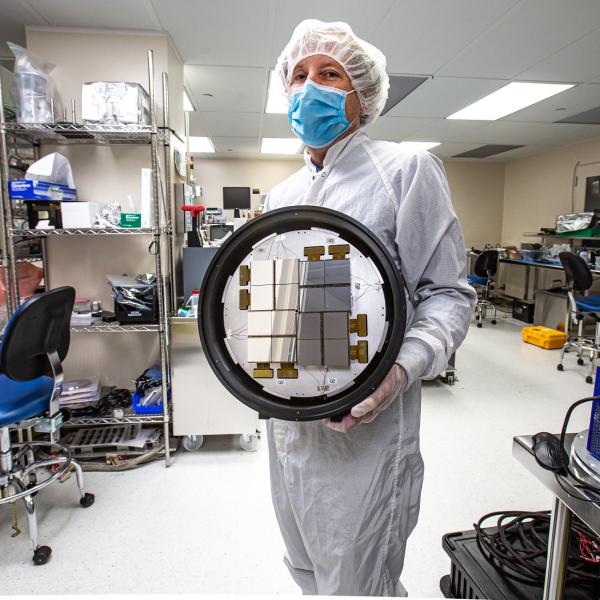
Four complementary analyses by Fermilab’s MicroBooNE show no signs of a theorized fourth kind of neutrino known as the sterile neutrino. Its existence is considered a possible explanation for anomalies seen in previous physics experiments.
Presented by Franklin Fuller. Over billions of years, plants and cyanobacteria changed the Earth’s atmosphere by inhaling carbon dioxide, storing the carbon in solid biomass and exhaling oxygen.
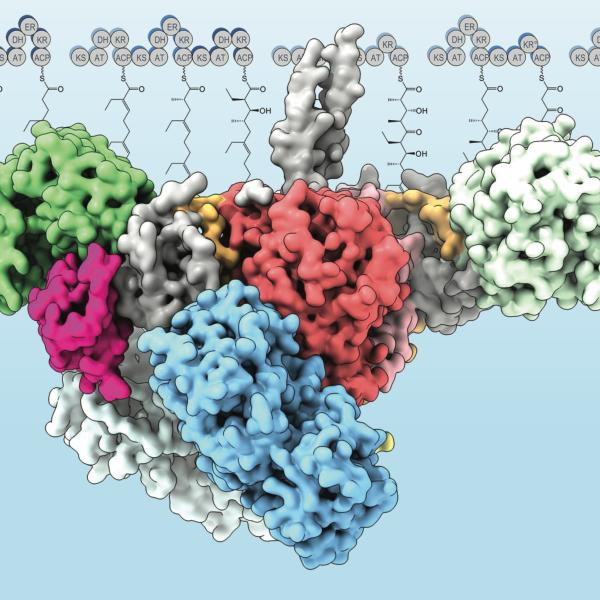
In two new papers, researchers used X-ray crystallography and cryogenic electron microscopy to reveal new details of the structure and function of molecular assembly lines that produce common antibiotics.
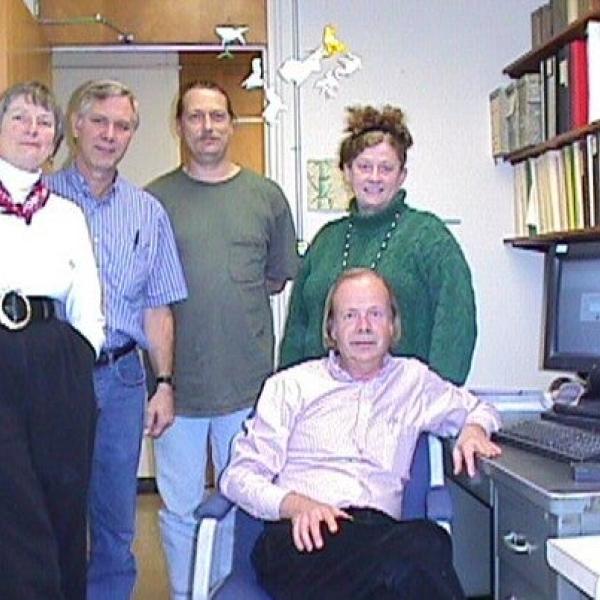
This month marks the 30-year anniversary of the first website in North America, launched at SLAC. In this Q&A, one of the Wizards recalls the motivation that spawned the development and how it has changed the work of scientists.
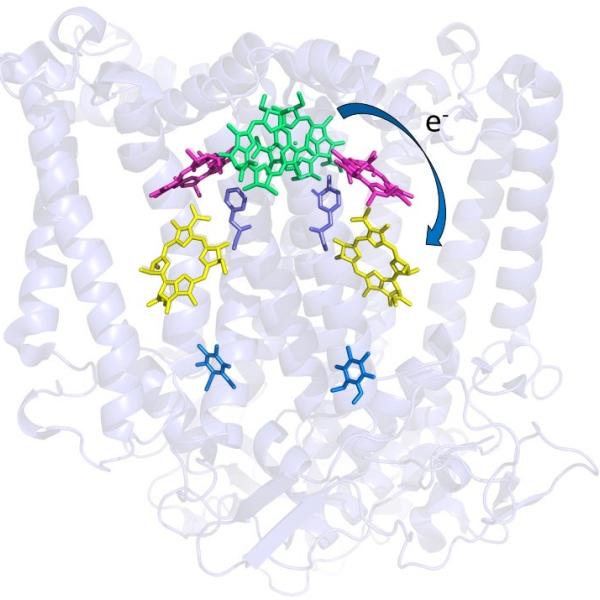
Recently developed methods now in use at SLAC’s X-ray synchrotron helped a team of chemists better understand how certain bacteria turn light into chemical energy.