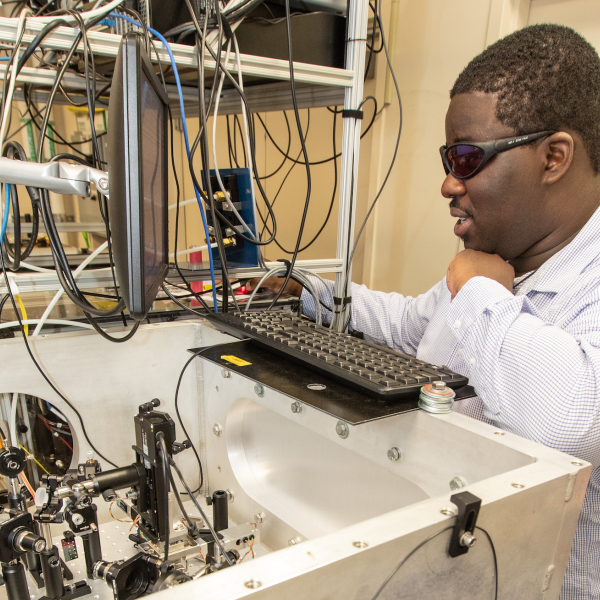
Chemist Ben Ofori-Okai investigates what happens to matter under extreme conditions at microscopic scales to better understand its behavior at massive scales, such as what happens in the Earth’s core.
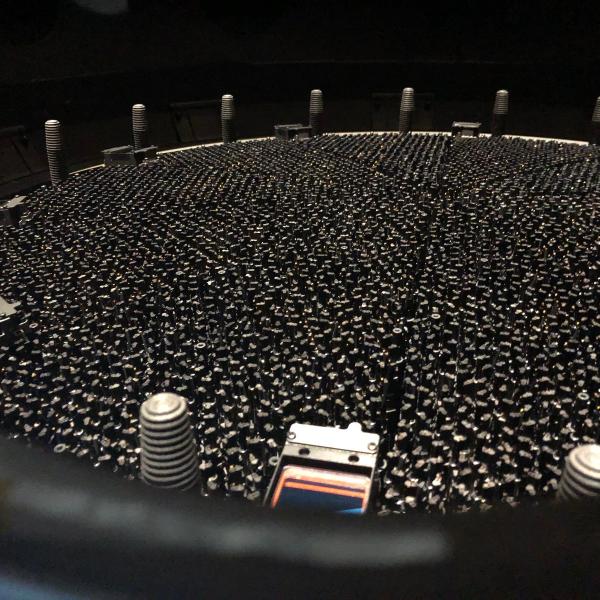
The Dark Energy Spectroscopic Instrument begins final testing, setting the stage for a 5-year survey that will analyze the light of 35 million galaxies.
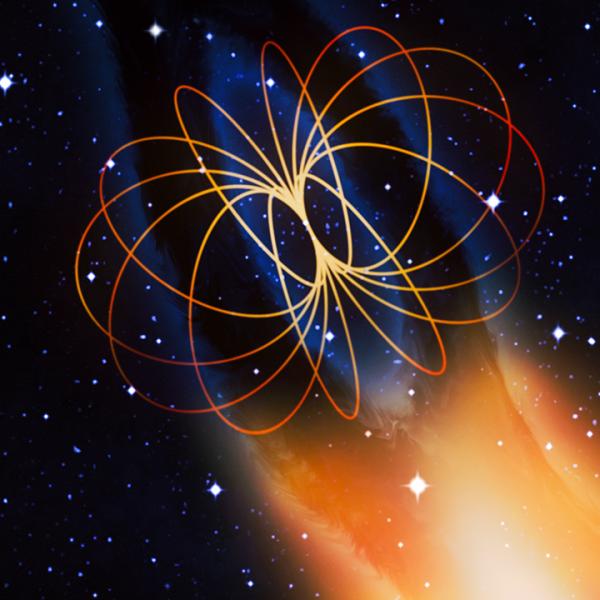
Presented by Sebastian Ellis. The nature of dark matter is one of the most captivating and fundamental open problems facing physicists today. Over many decades, we have collected overwhelming evidence for the existence of dark matter in the universe.
A better understanding of ‘checkpoint proteins,’ which protect cancer cells against immune system strikes, could lead to the development of more effective drugs.
Called XLEAP, the new method will provide sharp views of electrons in chemical processes that take place in billionths of a billionth of a second and drive crucial aspects of life.
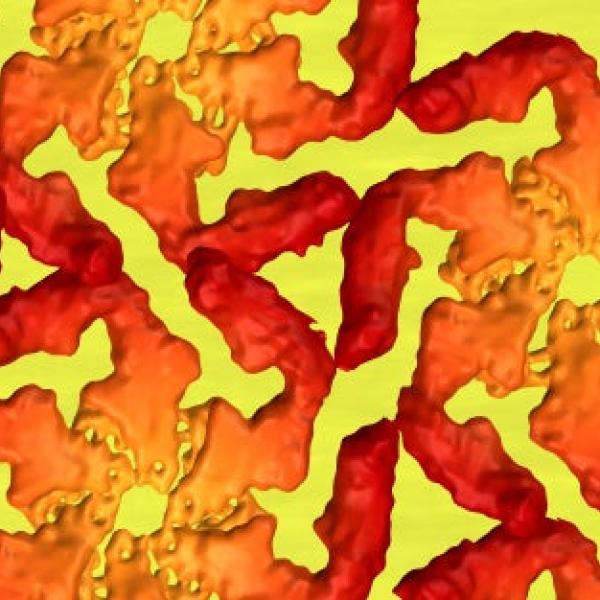
A new understanding of the nucleation process could shed light on how the shells help microbes interact with their environments, and help people design self-assembling nanostructures for various tasks.